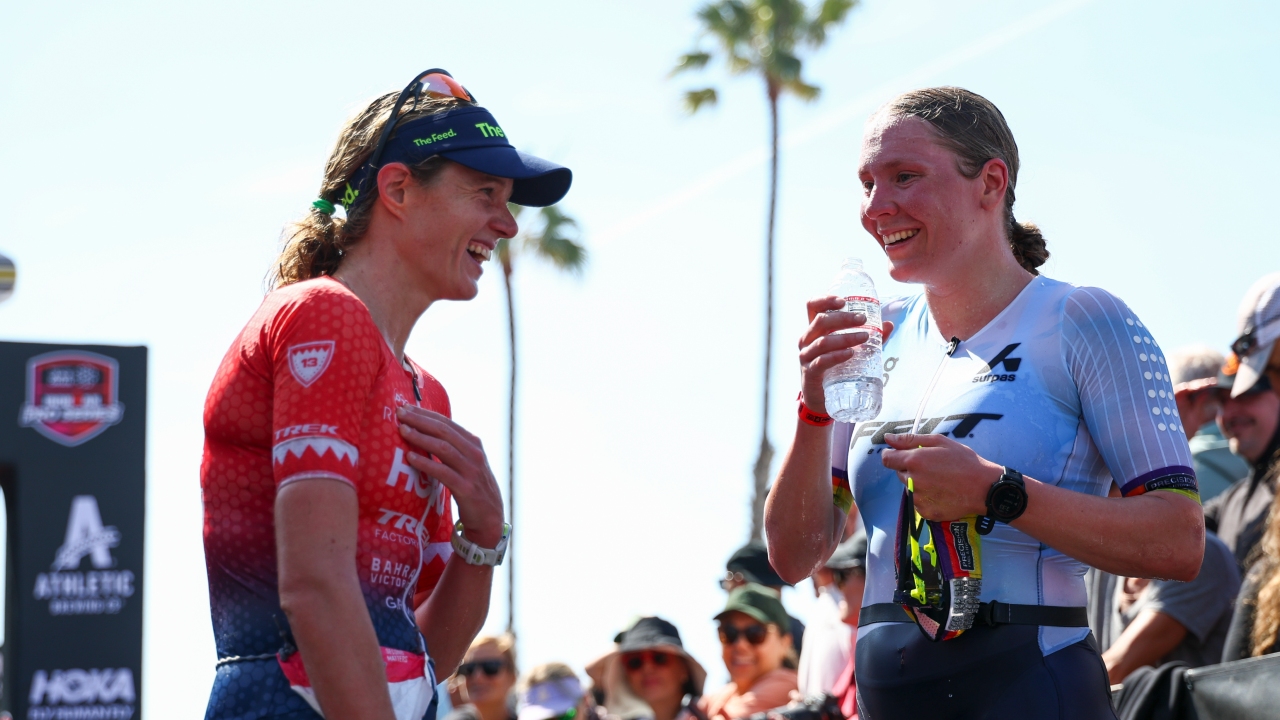


Recovery periods are an essential part of triathlon training, but they can also be mentally challenging. Whether you’re recovering from a race, injury, or a heavy training block, the sudden drop in intensity and routine can leave you feeling unmotivated or disconnected from your goals. The key is to shift your mindset: recovery is not a step back, it’s a critical phase that supports long-term performance.

Why Recovery Periods Feel So Difficult?
- For many triathletes, training becomes part of daily identity.
- When that routine slows down, it can feel like progress is being lost.
- There’s also a natural urge to “do more,” especially after a race or during injury recovery.
- This often leads to frustration or impatience.
Understanding that recovery is part of the process, just like structured preparation in training for a 70.3 and half ironman triathlon, helps reframe this period as purposeful rather than passive.
Shift Your Mindset Around Recovery
Recovery Is Where Progress Happens
- Training creates stress, but recovery is where adaptation occurs.
- Without it, performance gains are limited.
- Seeing recovery as an active phase rather than downtime makes it easier to stay motivated.
Think Long-Term, Not Short-Term
- Missing a few intense sessions now will not affect your long-term performance.
- Ignoring recovery, however, will.
- This mindset shift is essential for staying consistent across training cycles.
Set New, Short-Term Goals
Focus on What You Can Do
- Instead of focusing on what you can’t do, shift attention to achievable actions.
- This could include mobility work, light sessions, or technique improvement.
Create Small Wins
- Short-term goals help maintain motivation.
- Completing small tasks gives a sense of progress and purpose.
This approach mirrors how athletes maintain direction in choosing a free triathlon training plan for sprint olympic and ironman, where structured steps keep motivation high.
Stay Connected to Your Routine
Maintain a Training Habit
- Even during recovery, keeping a routine helps maintain consistency.
- This could mean shorter sessions or reduced intensity.
Keep a Similar Schedule
- Training at the same time each day reinforces habit.
- It prevents the feeling of losing structure completely.
- Consistency, even at a lower level, keeps you mentally engaged.
Use Recovery to Improve Weak Areas
Focus on Technique
- Recovery periods are ideal for working on skills.
- Swimming technique, bike handling, or running form can all be improved.
For example, refining skills like those discussed in sighting properly in open water swimming can enhance confidence without adding physical stress.
Address Limitations
- Mobility, flexibility, and strength imbalances can be improved during this time.
- These areas are often neglected during heavy training phases.
Stay Mentally Engaged
Keep Learning About Training
- Use this time to understand your sport better.
- Reading, analysing past performances, or reviewing strategies keeps your mind involved.
Visualise Future Performance
- Mental rehearsal can be surprisingly effective.
- Visualising race scenarios helps maintain focus and motivation.
- Mental engagement ensures you stay connected to your goals even when physical training is reduced.
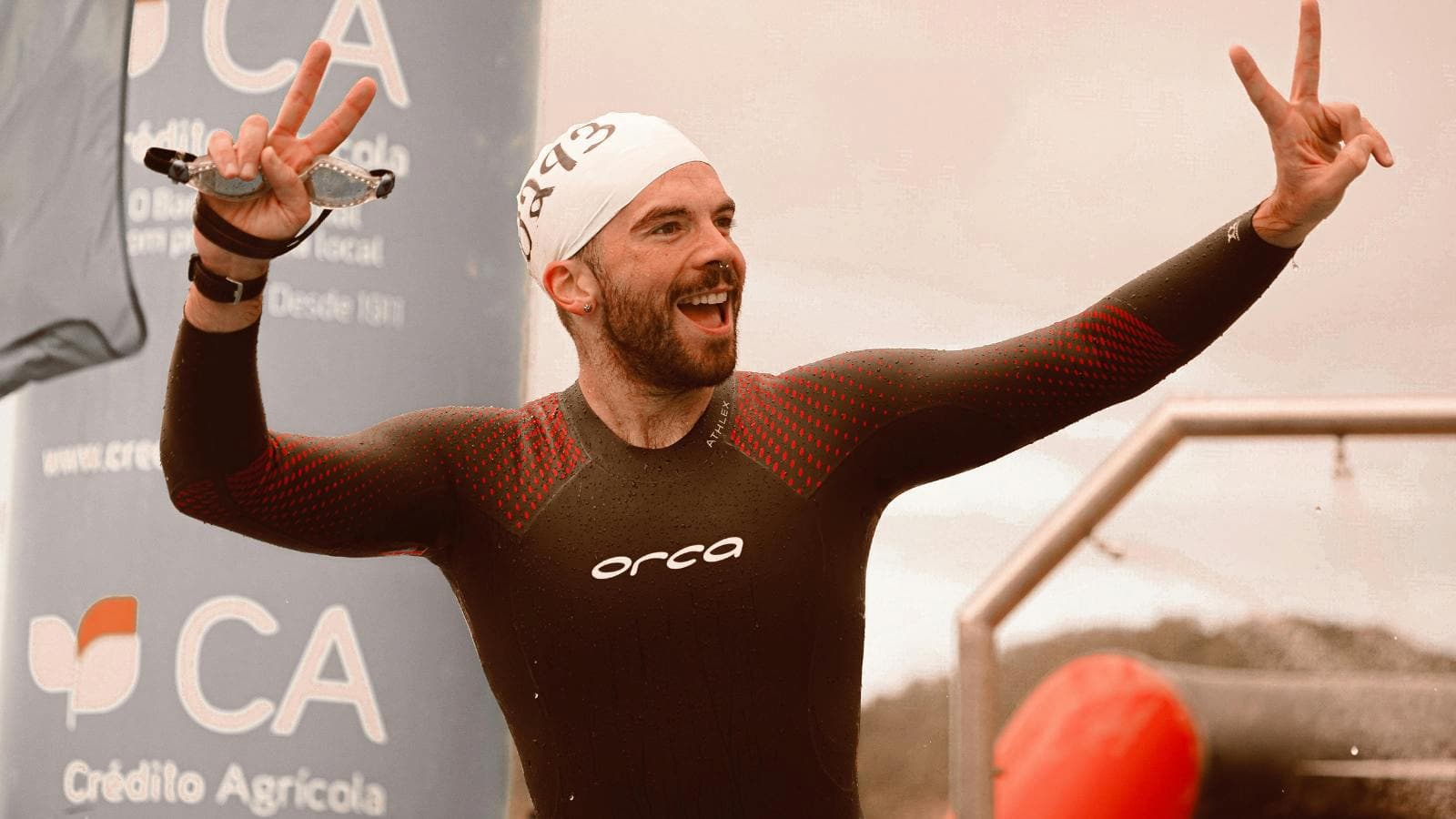
Avoid Comparing Yourself to Others
- It’s easy to feel behind when you see others training hard.
- However, everyone’s journey is different.
- Comparing yourself during recovery only creates unnecessary pressure.
- Focus on your own process and what your body needs.
Balance Rest With Light Activity
Stay Active Without Overloading
Light sessions such as easy swimming, cycling, or walking help maintain movement.
These activities support recovery without adding stress.
Listen to Your Body
Recovery is not about complete inactivity, it’s about controlled activity.
Understanding effort levels, similar to pacing and fueling the bike leg in a triathlon, helps maintain balance.
Prevent Mental Burnout
Take a Break From Structure
- Sometimes stepping away from strict plans can refresh your mindset.
- Short breaks reduce mental fatigue and increase long-term motivation.
Reconnect With Enjoyment
- Do activities you enjoy without pressure.
- This reminds you why you started in the first place.
This is closely related to principles in off-season training for triathletes, where flexibility and variety support mental recovery.
Plan Your Return to Training
Have a Clear Next Step
- Knowing what comes after recovery keeps you motivated.
- It gives direction and purpose to your current phase.
Gradual Progression Is Key
- Returning too quickly can undo progress.
- A structured return ensures long-term consistency.
This is especially important when building back fitness, much like in training for open water swimming in 8 weeks, where gradual progression is essential.
Use Recovery to Build Confidence
- Recovery is not just about healing, it’s about preparation.
- It allows your body and mind to reset.
- When you return to training, you’ll feel stronger, fresher, and more motivated.
- Confidence grows from knowing you respected the process.
Common Mistakes During Recovery
- Trying to train too hard too soon
- Ignoring the need for rest
- Losing all routine and structure
- Comparing progress to others
- Neglecting mental recovery
- Avoiding these mistakes makes recovery more effective.
Practical Checklist
- Shift mindset: recovery is part of progress
- Set small, achievable goals
- Maintain a light routine
- Focus on technique and weak areas
- Stay mentally engaged
- Plan your return to training
What You Should Do?
- Start by accepting recovery as a necessary phase of training.
- Focus on small, meaningful actions that keep you engaged.
- Maintain a routine without pushing intensity.
- Use this time to improve technique, address weaknesses, and reset mentally.
Following structured principles, like how do beginners train for a sprint triathlon, helps maintain consistency even during lower-intensity periods.
Recovery is not where progress stops, it’s where it becomes sustainable.









![Jonas Schomburg wins in Kalmar 2026. [Photo credit: IRONMAN]](https://www.tri247.com/wp-content/uploads/2026/08/1H5A7725_Gfhj69jc_20260815012118.jpg)