

Training for a winter triathlon presents a completely different challenge compared to traditional racing. Cold temperatures, limited daylight, and unpredictable conditions require a smarter, more flexible approach. Instead of simply maintaining fitness, winter training is about building strength, improving technique, and developing resilience so you are stronger when race season arrives.
What Makes Winter Triathlon Training Different?
Winter triathlon training is not just regular training in colder weather. It requires adjustments in structure, intensity, and environment. Outdoor conditions may be limited by ice, snow, or darkness, which means indoor sessions often play a larger role. At the same time, winter offers a unique opportunity to focus on areas often neglected during race season, such as technique and strength.
Why Winter Training Matters?
The winter period is often referred to as the off-season, but it is one of the most important phases for long-term development. It allows you to build a strong aerobic base, correct weaknesses, and prepare your body for higher training loads later in the year. Getting this phase right sets the foundation for performance, as highlighted in training for a 70.3 and half ironman triathlon, where early preparation influences race outcomes.
Build an Aerobic Base First
- Winter is the ideal time to focus on aerobic endurance.
- Most sessions should be at an easy to moderate intensity, allowing you to build fitness without excessive fatigue.
- This type of training improves your ability to sustain effort over long periods and prepares you for more intense work later.
Use Indoor Training Effectively
Indoor training becomes essential during winter. Pool sessions replace open water swimming, while indoor trainers and treadmills allow you to maintain consistency regardless of weather. Structured indoor workouts can be highly effective, especially when focusing on intervals and technique. This controlled environment helps maintain performance, similar to strategies used in preventing burnout while training, where consistency along with proper strategy matters.
Focus on Technique Improvements
With less pressure from racing, winter is the best time to refine technique.
Swimming, in particular, benefits from focused technical work, as it is the most skill-dependent discipline.
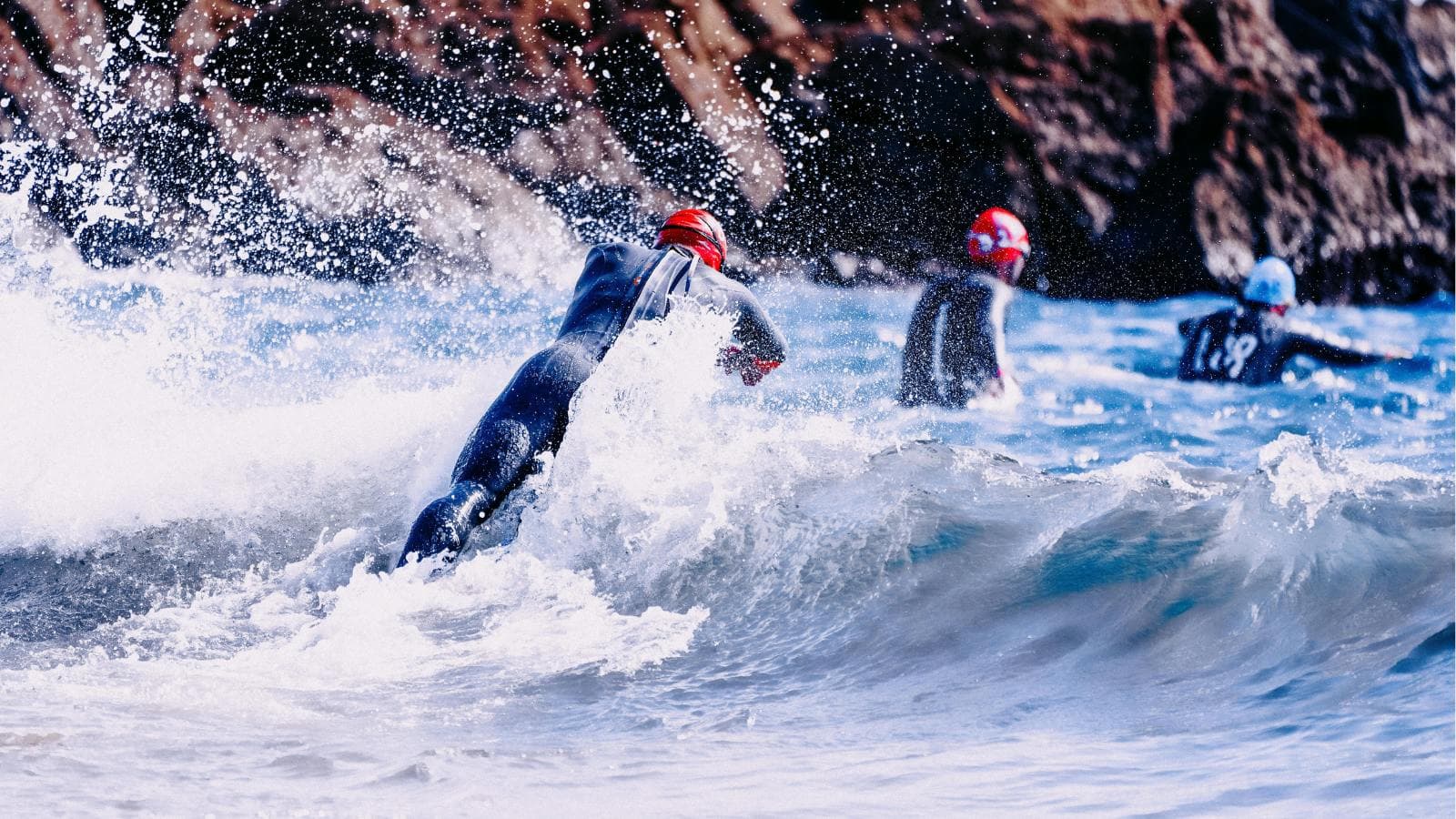
Improving stroke efficiency can lead to significant performance gains without increasing effort and this can be helpful in maintaining the overall performance similar to strategies in acclimating to cold water for open water swimming, where consistency is key.
Incorporate Strength Training
- Strength training is a crucial component of winter triathlon preparation.
- It helps build muscular strength, improve stability, and reduce injury risk.
- Exercises targeting the core, hips, and legs enhance performance across all three disciplines.
- This is especially important when preparing for higher training volumes later in the season.
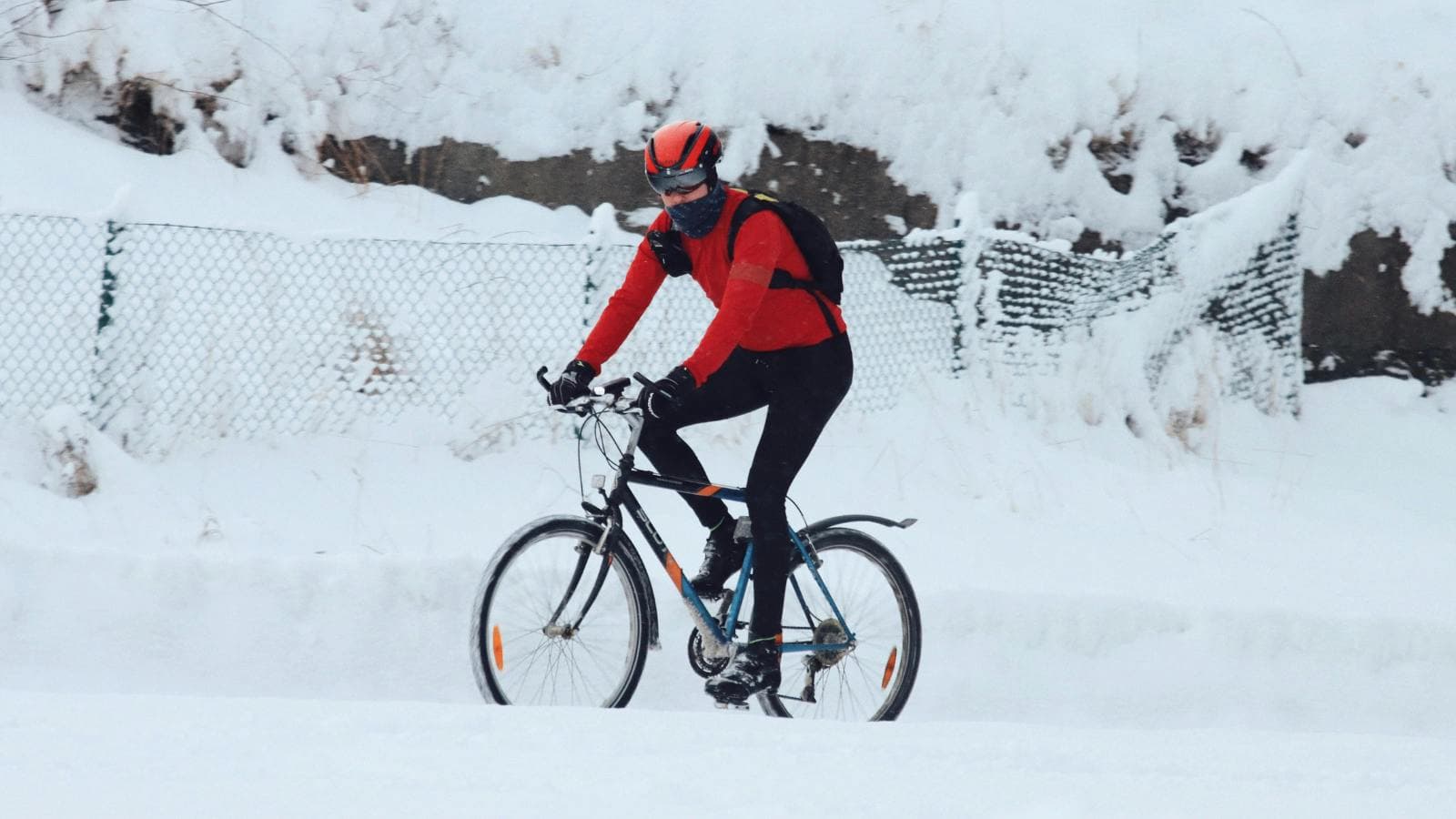
Adapt Training to Cold Conditions
- If you are training outdoors, proper preparation is essential.
- Layering clothing, adjusting session duration, and choosing safe routes help manage cold weather challenges.
- Winter conditions can increase physical demands, requiring additional energy and focus to maintain performance.
Balance Indoor and Outdoor Sessions
A combination of indoor and outdoor training provides the best results. Indoor sessions offer control and consistency, while outdoor sessions build adaptability and mental toughness. Including both ensures you develop a well-rounded skill set.
Manage Volume and Intensity Carefully
Winter training should not be about maximum intensity. Instead, focus on building volume gradually while keeping most sessions controlled. High-intensity workouts can be included, but they should be limited and purposeful. Managing this balance is key to avoiding burnout, similar to principles in beginners training for a sprint triathlon, where consistency is prioritised over intensity.
Stay Consistent Despite Conditions
- Consistency is one of the biggest challenges during winter.
- Shorter days and colder temperatures can reduce motivation.
- Setting a routine and sticking to it helps maintain progress.
- Even shorter sessions are valuable if done regularly.
Use Cross-Training for Variety
Winter provides an opportunity to include alternative activities such as strength training, indoor cycling, or even sports like skiing. These activities maintain fitness while reducing repetitive strain. Cross-training also helps prevent burnout and keeps training engaging.
Fuel and Hydrate Properly
Nutrition remains important during winter training. Cold weather can reduce thirst, but hydration is still essential. Energy needs may also increase due to the additional effort required to stay warm. Proper fueling supports both performance and recovery, as emphasised in hydration strategy for triathlon by weather, where energy balance is critical.
Build Mental Resilience
Training in winter conditions builds mental strength. Learning to stay consistent despite discomfort prepares you for challenging race situations. This resilience becomes a key advantage during competition.
Avoid Common Winter Training Mistakes
- Many athletes either do too little or too much during winter.
- Taking too much time off leads to loss of fitness, while maintaining race-level intensity can lead to burnout.
- Finding the right balance is essential for long-term progress.
This balance is also highlighted in off-season training for triathletes, where recovery and structured training work together.
Practical Winter Training Tips
- Keep most sessions at an easy intensity
- Use indoor training to maintain consistency
- Focus on technique and strength
- Dress appropriately for outdoor sessions
- Stay flexible with your schedule
- Include variety to maintain motivation
What You Should Do?
Start by setting clear goals for your winter training phase. Focus on building endurance, improving technique, and strengthening your body. Use a mix of indoor and outdoor sessions to maintain consistency while adapting to conditions. Gradually increase your training load and avoid rushing into high intensity too early. Supporting your training with structured planning, like those in choosing a free triathlon training plan for sprint olympic and ironman, ensures steady progress.
With the right approach, winter training becomes a powerful tool for improving performance rather than a barrier.