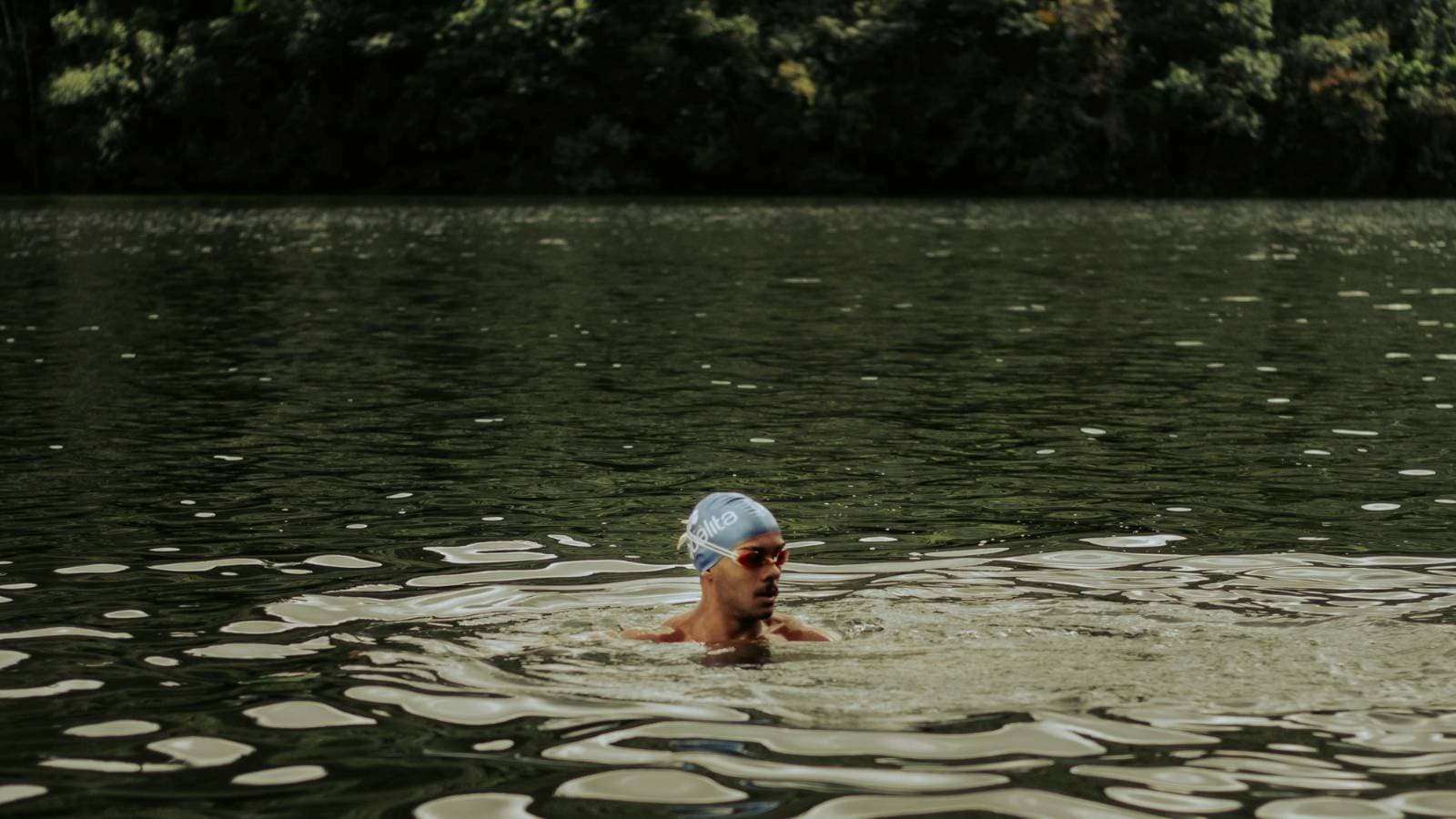


Cold water swimming is a key skill for triathletes training or racing in colder conditions. Acclimating to cold water is not about tolerance alone, it is about adapting your breathing, body response, and control so you can swim efficiently without panic or excessive energy loss. Done correctly, cold water adaptation improves confidence, safety, and performance.
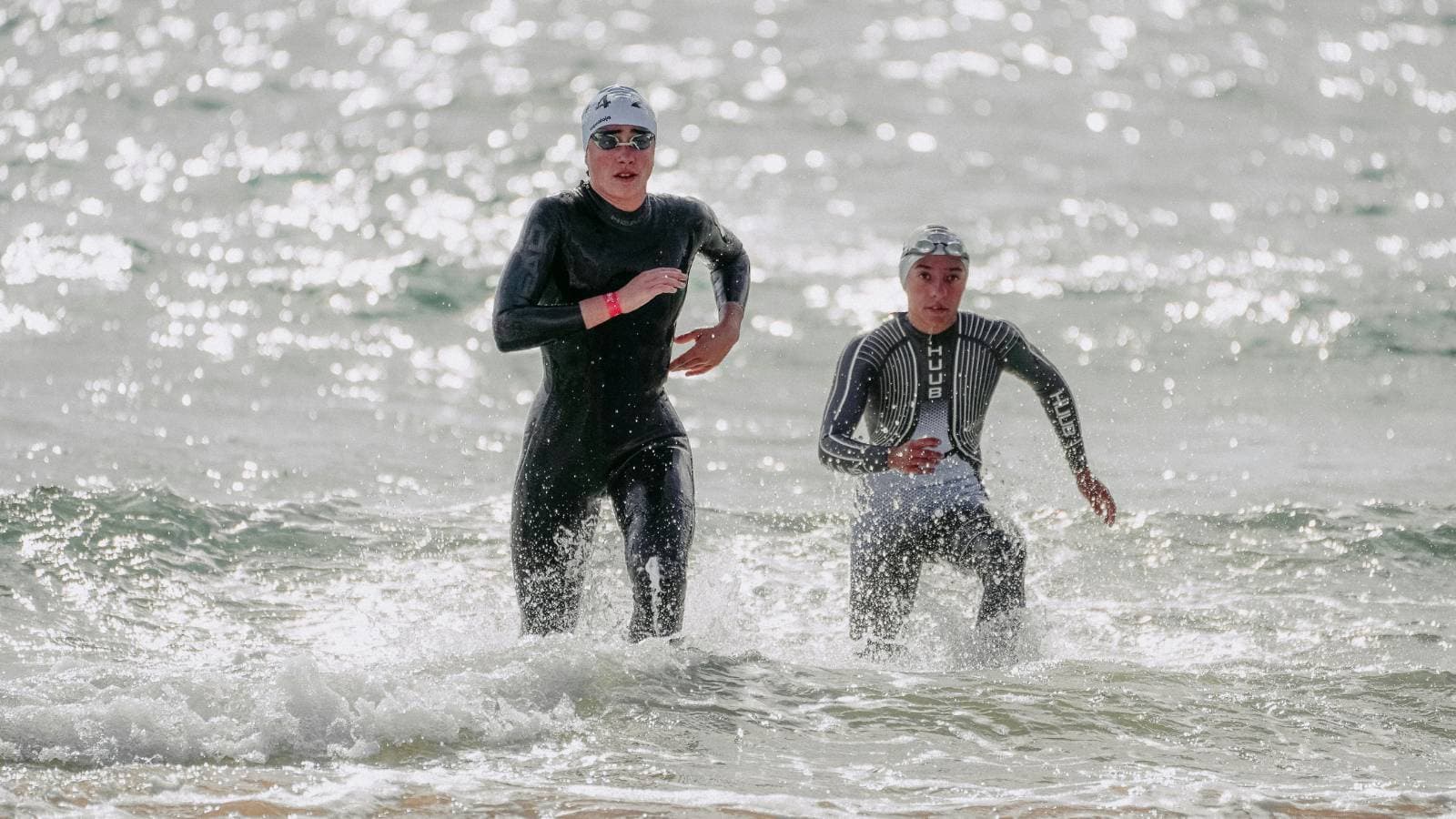
What Cold Water Acclimation Actually Means?
Cold water acclimation is the process of gradually exposing your body to lower temperatures so it can adapt. The initial shock response, rapid breathing, increased heart rate, and tension, is the biggest challenge. With consistent exposure, the body learns to control this response.
This allows you to stay calm, maintain rhythm, and swim efficiently.
Why Cold Water Feels So Difficult?
Cold water triggers an involuntary shock response. Breathing becomes rapid and uncontrolled, making it difficult to settle into a rhythm. Muscles can tighten, reducing mobility and efficiency. Without adaptation, this leads to panic and wasted energy.
Learning to manage this response is essential for open water performance.
Start With Gradual Exposure
- Acclimation should always be progressive.
- Begin with short exposures rather than long sessions.
- Allow your body time to adapt to the temperature without forcing it.
- Consistency is more effective than intensity when building tolerance.
- Gradual exposure reduces shock and improves control over time.
Focus on Breathing Control
- Breathing is the first thing affected by cold water.
- The key is to control your breathing before increasing effort.
- Start with slow, deliberate breaths until your heart rate settles.
- Once breathing is under control, swimming becomes more manageable.
This directly supports efficient swimming technique, especially when aligned with open water swimming tips for beginners, where controlled breathing maintains rhythm.
Adjust Your Entry Into the Water
- How you enter the water affects your response.
- Jumping in quickly can trigger a stronger shock reaction.
- Instead, enter gradually, allowing your body to adapt step by step.
- Controlled entry reduces stress and helps maintain composure.
- Taking time at the start improves overall performance.
Use Proper Equipment
- Cold water swimming requires appropriate gear.
- A wetsuit provides insulation and buoyancy, improving comfort and efficiency.
- A swim cap reduces heat loss from the head.
- Goggles should be suited to conditions for clear visibility.
- Proper equipment supports both safety and performance.
Maintain Movement to Stay Warm
- Continuous movement helps maintain body temperature.
- Stopping for too long increases the risk of losing heat.
- Keep your stroke steady and controlled to generate warmth.
- Efficiency in movement reduces energy loss.
This becomes particularly important in longer swims, especially when aligned with how to train for a 70.3 and half ironman triathlon, where sustained effort is essential.
Understand Your Limits
- Cold water tolerance varies between individuals.
- Knowing your limits is essential for safety.
- Pay attention to how your body responds during each session.
- Exceeding your limits can lead to fatigue or dangerous conditions.
- Building awareness improves both confidence and control.
Adapting Your Stroke and Effort
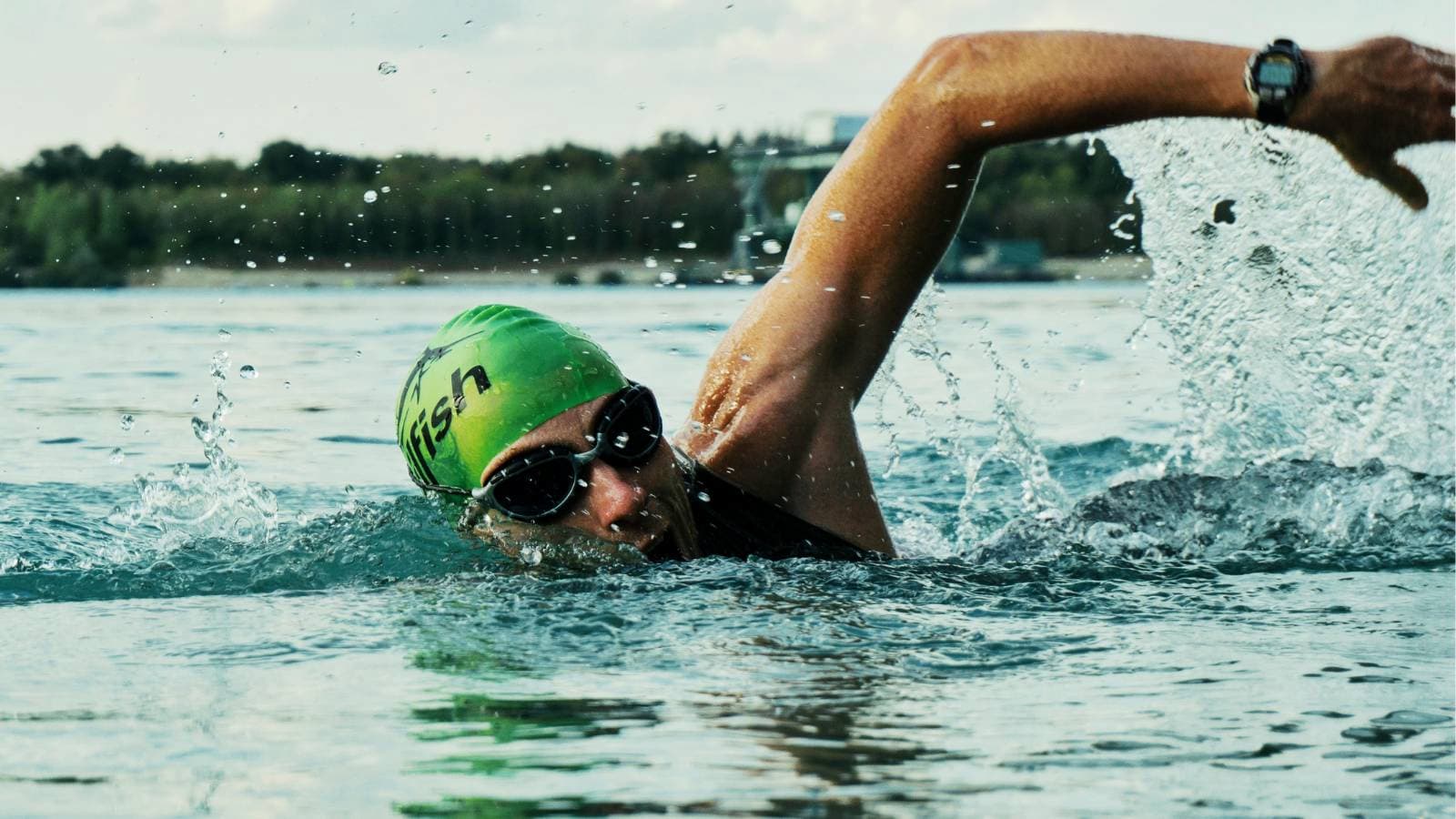
- Cold water can reduce muscle flexibility and coordination.
- Maintaining a smooth, controlled stroke is more effective than trying to swim harder.
- Effort should be steady and manageable rather than aggressive.
- Efficiency becomes even more important in cold conditions.
- Small adjustments in technique make a significant difference.
Practice Regularly
- Acclimation requires consistency.
- Regular exposure helps the body adapt more effectively.
- Gaps in training reduce the benefits of acclimation.
- Short, frequent sessions are more effective than occasional long swims.
- Repetition builds both physical and mental adaptation.
Safety Considerations
- Cold water swimming carries additional risks.
- Always swim in safe, monitored environments when possible.
- Swimming with others increases safety and confidence.
- Be aware of signs of excessive cold stress and exit the water if needed.
- Preparation and awareness are essential for safe training.
For broader safety guidance and open water best practices, referencing organizations like World Triathlon, can help you understand official safety standards and recommendations for triathletes.
Common Mistakes
- Entering the water too quickly increases shock response.
- Ignoring breathing control leads to panic.
- Staying in the water too long increases risk.
- Skipping proper equipment reduces comfort and safety.
- Inconsistent exposure limits adaptation.
Practical Checklist
- Start with short, gradual exposures
- Control breathing before swimming
- Use appropriate cold water gear
- Maintain steady movement
- Practice regularly for adaptation
- Monitor your limits and stay safe
What You Should Do?
- Begin with controlled, short sessions in cold water.
- Focus on breathing and staying relaxed before increasing effort.
- Use proper equipment to support comfort and safety.
- Build exposure gradually over time rather than pushing too far too soon.
- Consistency is the key to effective acclimation.
- Cold water swimming becomes manageable when your body and mind adapt together.