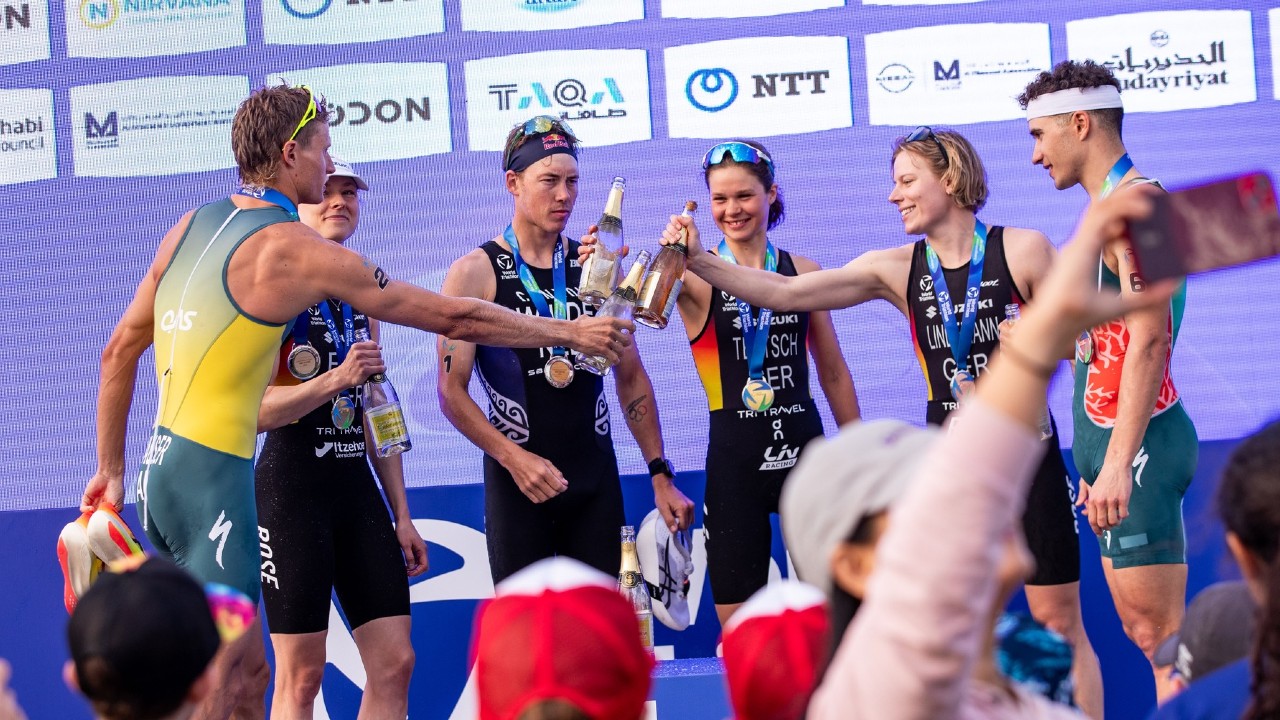
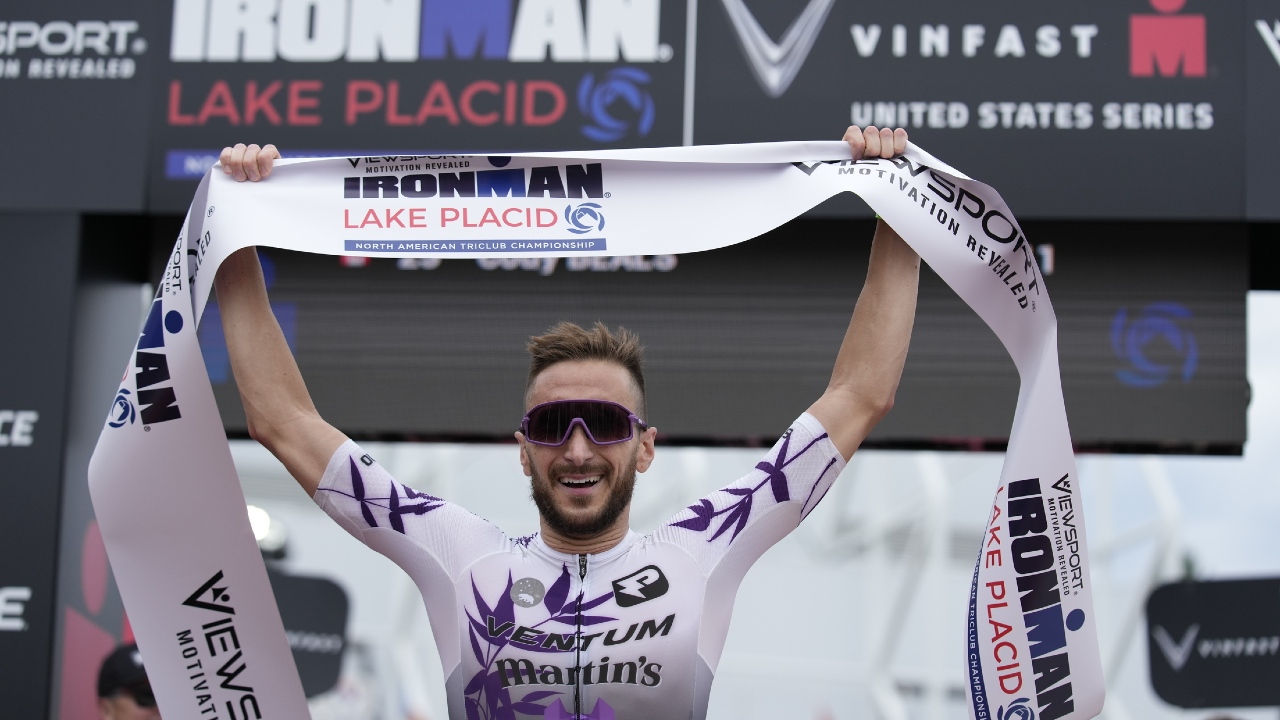
Recovery after a triathlon is where the real training adaptations begin. Whether you’ve completed a sprint triathlon, an Olympic-distance race, or a full-distance event, the body needs time to repair muscle damage, restore energy stores, rebalance hormones, and recover from the physical stress of racing. Many triathletes focus heavily on training but pay far less attention to recovery. This often leads to:
- Lingering fatigue
- Poor training sessions
- Increased injury risk
- Reduced motivation
- Slower long-term progress
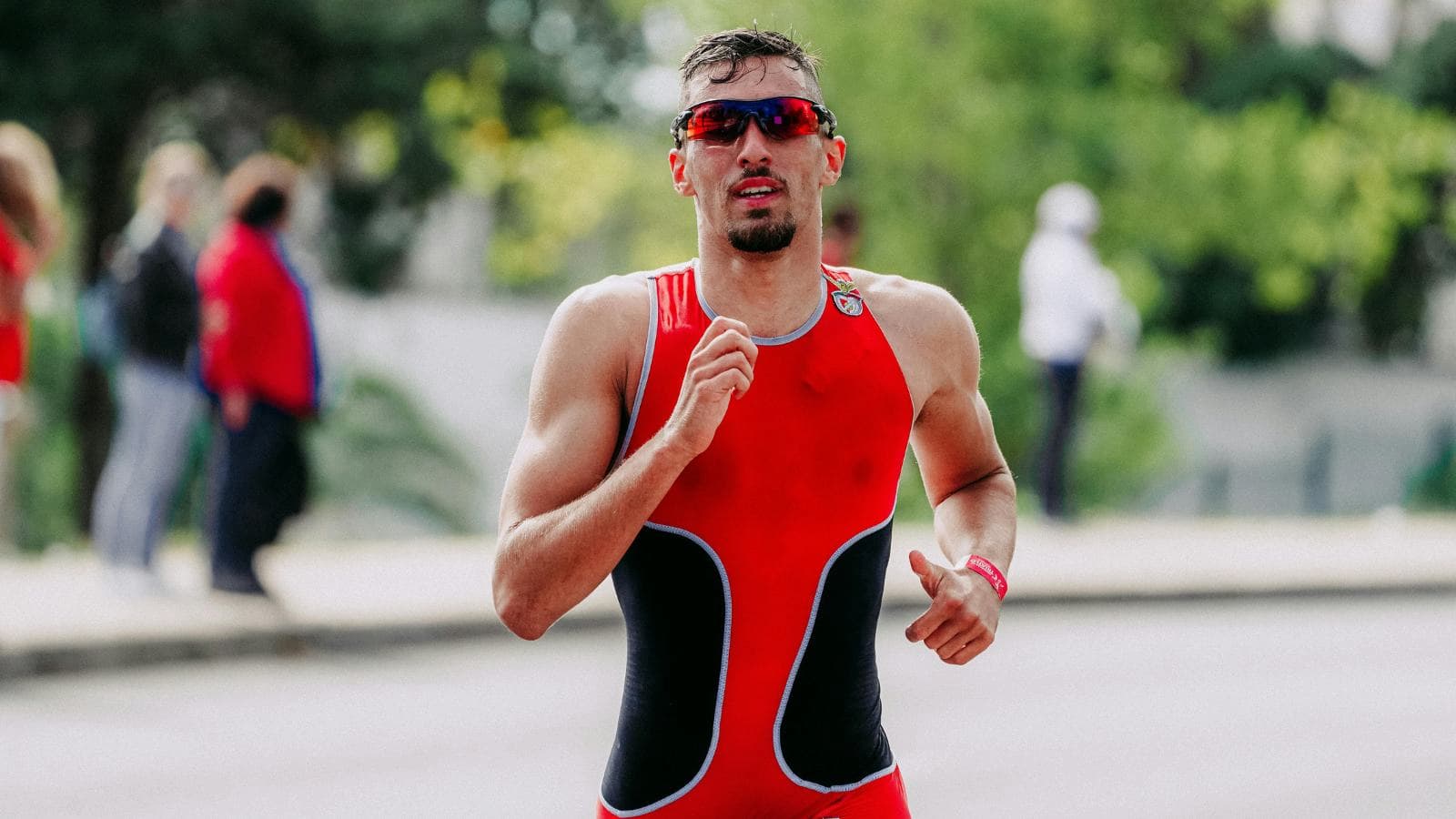
The fastest way to improve as a triathlete is not always training harder. Often, it is recovering better. A well-executed recovery plan allows athletes to return to training feeling stronger rather than simply feeling rested. This becomes especially important after demanding races discussed in ironman vs 70.3 vs olympic triathlon, where recovery requirements can vary significantly depending on race duration and intensity.
Start Recovery Immediately After Finishing
Recovery begins the moment you cross the finish line. Many athletes make the mistake of stopping completely after a race and spending several hours sitting, travelling, or celebrating without addressing immediate recovery needs.
The first priority should be restoring:
- Fluids
- Carbohydrates
- Electrolytes
- Protein
Even a short walk after finishing helps improve circulation and reduces the stiffness that often develops when athletes stop moving abruptly.
The sooner recovery starts, the faster the body can begin repairing itself.
Rehydrate Properly
Most triathletes finish races with some degree of dehydration.
Fluid losses occur through:
- Sweat
- Breathing
- Environmental exposure
Simply drinking water is not always enough.
Recovery hydration should include:
- Electrolytes
- Sodium
- Fluids consumed gradually throughout the day
Athletes who understand how much they should drink per hour on the bike often recover more efficiently because they arrive at the finish line less dehydrated in the first place.
Proper hydration supports:
- Muscle recovery
- Blood circulation
- Nutrient delivery
- Temperature regulation
Prioritise Carbohydrates and Protein
A triathlon significantly depletes glycogen stores. The body needs carbohydrates to replenish energy reserves and protein to support muscle repair.
Recovery meals should focus on:
- Easily digestible carbohydrates
- Quality protein sources
- Balanced nutrition
This is not the time to underfuel. Many athletes unintentionally slow recovery by failing to eat enough after racing, particularly if appetite is reduced immediately after the event.
Sleep Is the Most Powerful Recovery Tool
No recovery method provides the same benefits as quality sleep.
During sleep, the body increases:
- Tissue repair
- Hormonal recovery
- Immune function
- Glycogen restoration
Many athletes look for expensive recovery solutions while neglecting sleep completely.
The days following a triathlon should include an increased focus on:
- Sleep duration
- Sleep quality
- Consistent bedtime routines
Athletes who understand how much sleep does triathletes need to recover often notice better recovery consistency throughout the season.
Do Not Rush Back Into Training
One of the biggest post-race mistakes is returning to hard sessions too quickly. The body may feel relatively normal within a few days, but physiological recovery often continues much longer.
Returning immediately to:
- Intervals
- Long runs
- Hard bike sessions
- High-volume training
can increase:
- Fatigue
- Injury risk
- Recovery time
Patience is often the fastest route back to strong training.
Keep Moving
Recovery does not mean complete inactivity.
Light movement helps improve:
- Blood flow
- Mobility
- Recovery circulation
- Muscle stiffness
Useful recovery activities include:
- Easy walking
- Gentle cycling
- Easy swimming
- Mobility work
Athletes often feel better after light movement than after several days of complete rest.
Swimming Can Accelerate Recovery
Easy swimming is one of the most useful recovery tools available to triathletes.
Low-intensity swims help:
- Improve circulation
- Reduce joint stress
- Promote active recovery
- Maintain movement quality
This is particularly useful after races where the run created substantial muscular soreness. Athletes who regularly practise the proper way to add paddles to swim workouts often understand how controlled swimming can support recovery as well as performance development.
Nutrition Matters for Several Days
Recovery is not just a race-day process. The body continues repairing itself for several days after a triathlon. This means nutrition should remain a priority throughout the recovery period.
Focus on:
- Quality carbohydrates
- Protein intake
- Hydration
- Micronutrient-rich foods
Athletes who maintain good nutrition habits usually return to training feeling fresher and stronger.
Monitor Fatigue Honestly
Many triathletes become so focused on training plans that they ignore obvious fatigue signals.
Common indicators that recovery is still incomplete include:
- Heavy legs
- Poor sleep
- Elevated resting heart rate
- Reduced motivation
- Persistent soreness
Athletes who understand strategies to increase triathlon volume with decrease in injury risk often make smarter decisions about when to resume harder training. Listening to fatigue signals is a skill that improves long-term performance.
Recovery Depends on Race Distance
Not all triathlons create the same recovery demands. A sprint-distance race may require only a few days of reduced training.
A full-distance event may require:
- Several weeks of structured recovery
- Reduced intensity
- Gradual progression back to normal training
Recovery should match the stress of the event rather than following a one-size-fits-all approach.
Mental Recovery Is Often Overlooked
Triathlon fatigue is not purely physical.
After a major race, athletes commonly experience:
- Reduced motivation
- Mental exhaustion
- Emotional fatigue
- Difficulty focusing on future goals
This is normal.
Large races require:
- Physical effort
- Emotional investment
- Psychological stress
Allowing time to mentally recharge is often just as important as physical recovery. Athletes who develop mental strategies that can improve triathlon performance often manage post-race recovery more effectively because they understand the psychological side of endurance sport.
Mobility Work Helps Restore Movement
Long races commonly create tightness in:
- Hip flexors
- Calves
- Hamstrings
- Lower back
- Shoulders
Gentle mobility sessions can help restore:
- Range of motion
- Posture
- Movement quality
Recovery mobility should feel restorative rather than aggressive. The objective is encouraging movement, not creating additional stress.
Avoid Chasing Fitness Immediately
Many athletes worry about losing fitness after a race. In reality, a short recovery period rarely causes meaningful fitness loss.
Trying to maintain peak training volume immediately after a race often creates:
- Prolonged fatigue
- Reduced adaptation
- Higher injury risk
Athletes who understand how to build a weekly triathlon plan strategically often recover more efficiently because they finish races with less unnecessary physiological damage.
Recovery Improves Future Performance
Recovery is not separate from training. Recovery is part of training. The strongest athletes are usually not the athletes who train the hardest every day.
They are often the athletes who:
- Recover consistently
- Adapt effectively
- Stay healthy
- Maintain long-term consistency
Athletes improving through how to become an efficient triathlete often discover that efficient recovery is just as valuable as efficient training.
Use the Recovery Period to Reflect
Post-race recovery is an excellent opportunity to evaluate:
- Pacing
- Nutrition
- Equipment
- Race execution
- Training preparation
Athletes who learn from each race improve faster than athletes who simply move on to the next event. This is especially useful after races where challenges such as jelly legs after bike to run transition and thigh cramps in a triathlon affected overall performance.
Common Recovery Mistakes
Many triathletes slow recovery through avoidable habits.
Common mistakes include:
- Returning to training too quickly
- Underfueling
- Ignoring hydration
- Neglecting sleep
- Sitting completely inactive for days
- Chasing fitness immediately after racing
- Ignoring mental fatigue
Recovery works best when athletes remain patient and consistent.