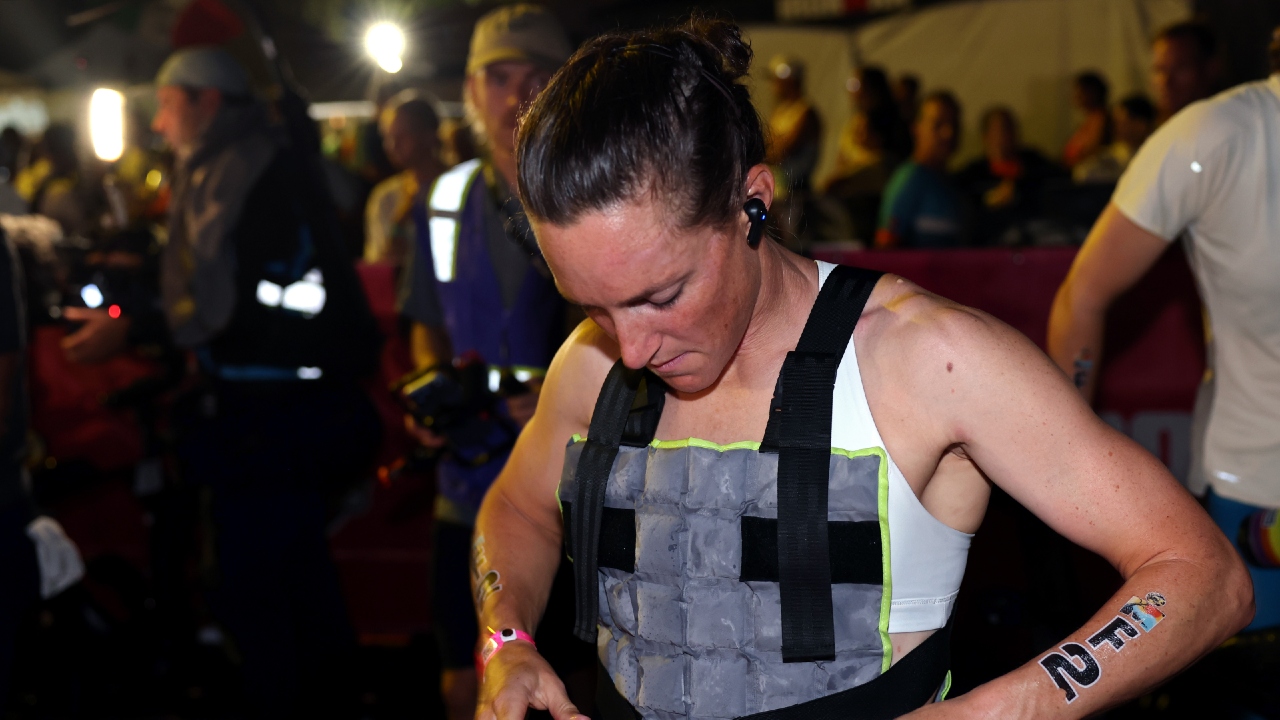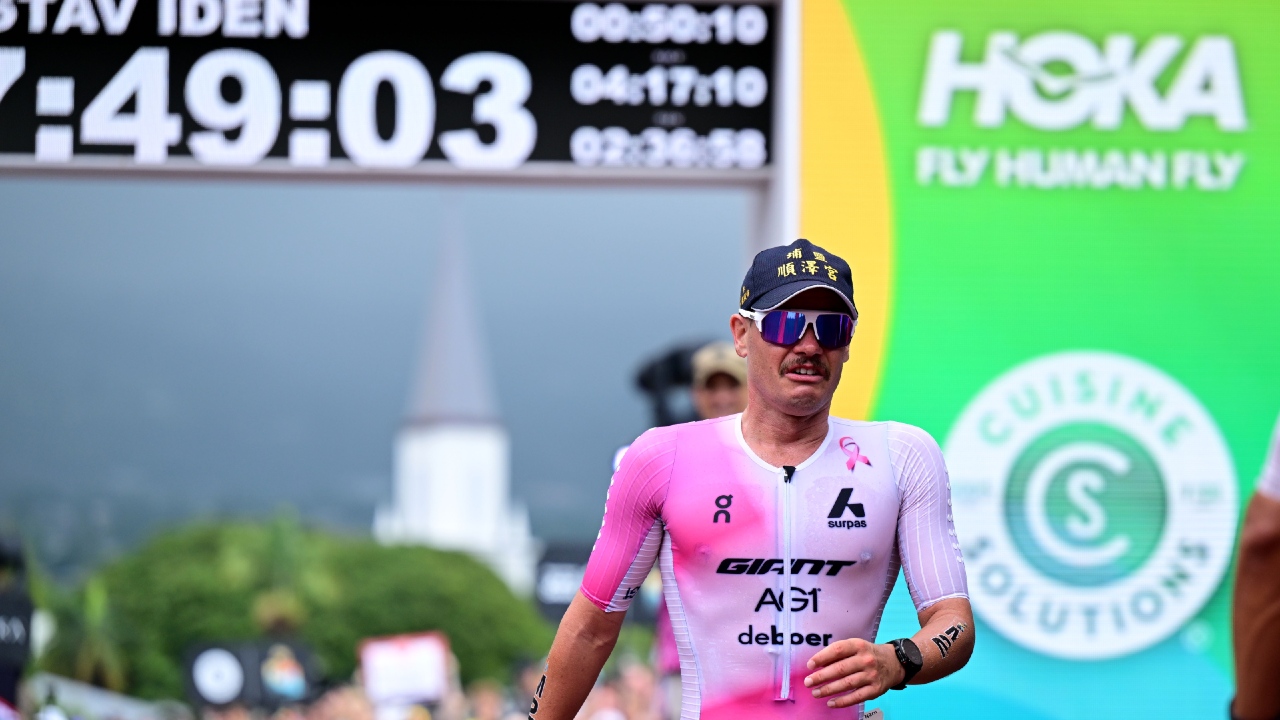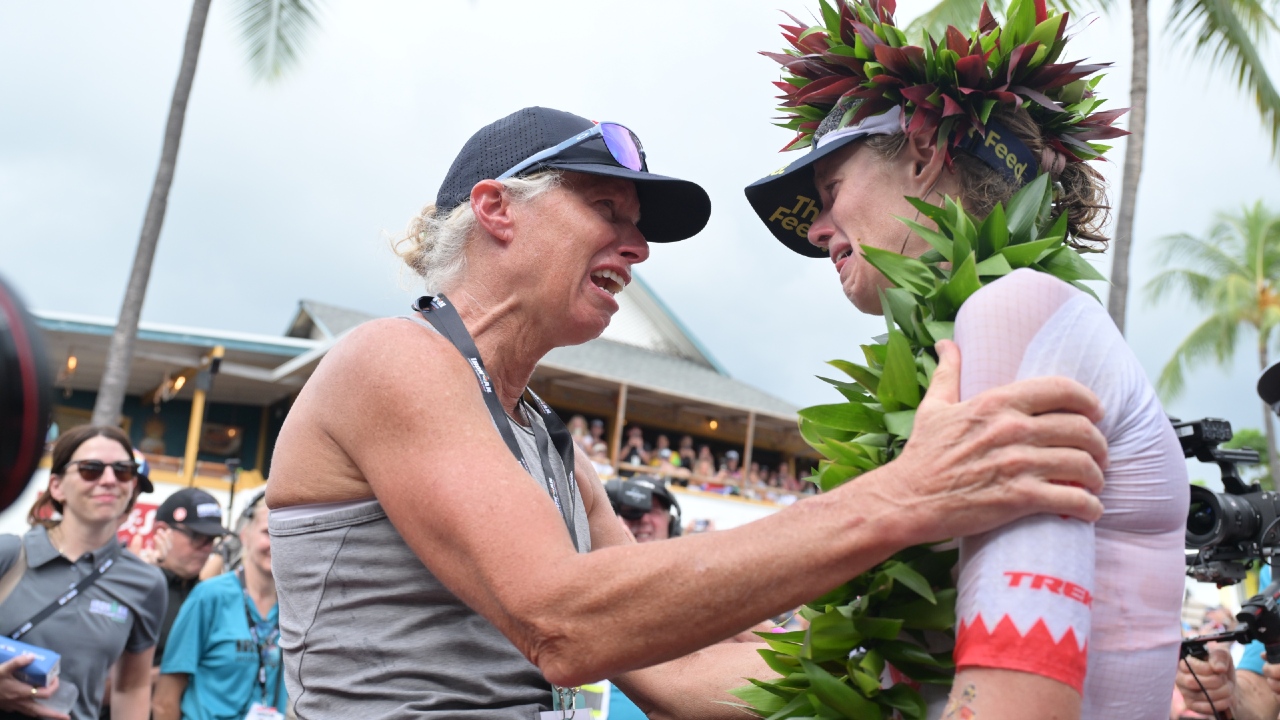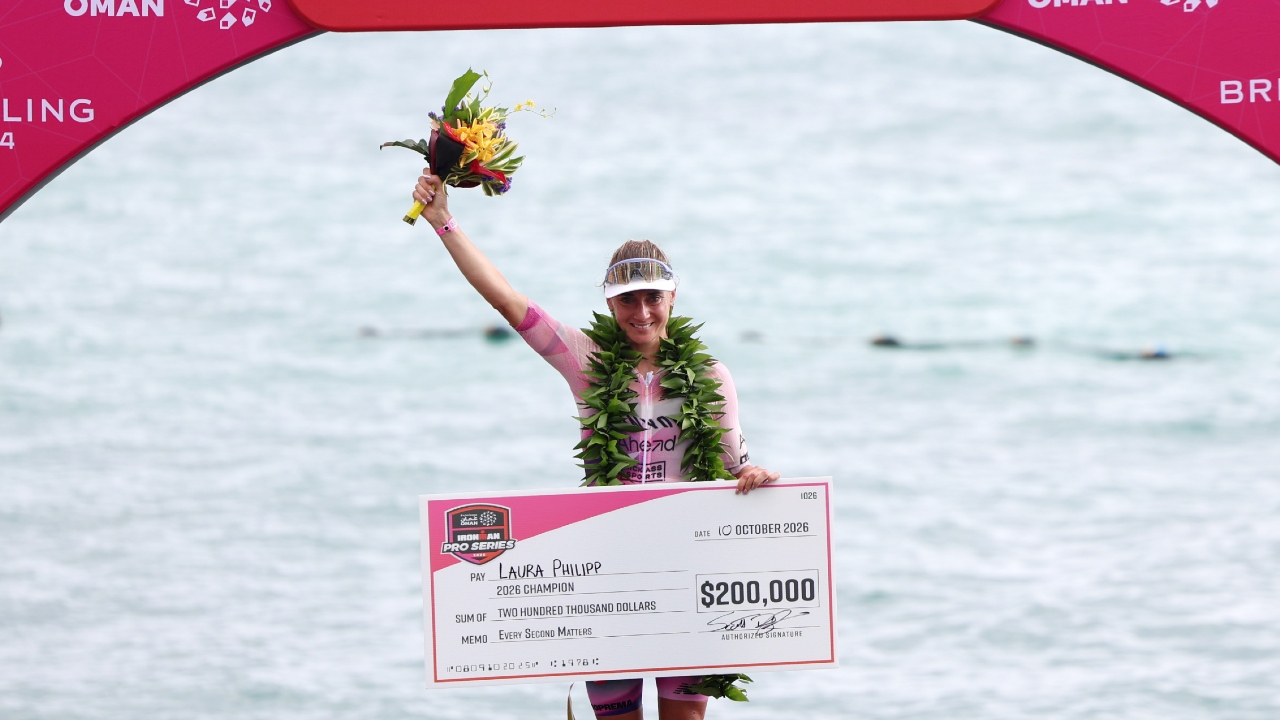


Mental strategies improve triathlon performance by helping athletes manage pressure, fatigue, pacing, and focus across swimming, cycling, and running. Physical fitness determines potential, but mindset often determines execution. Athletes who can stay calm, make good decisions under stress, and respond positively to discomfort usually perform more consistently on race day. Triathlon creates unique mental demands because athletes must sustain concentration for long periods while handling changing conditions, nutrition, transitions, and fatigue. Mental preparation helps reduce panic, maintain pacing discipline, and improve resilience when races become difficult.
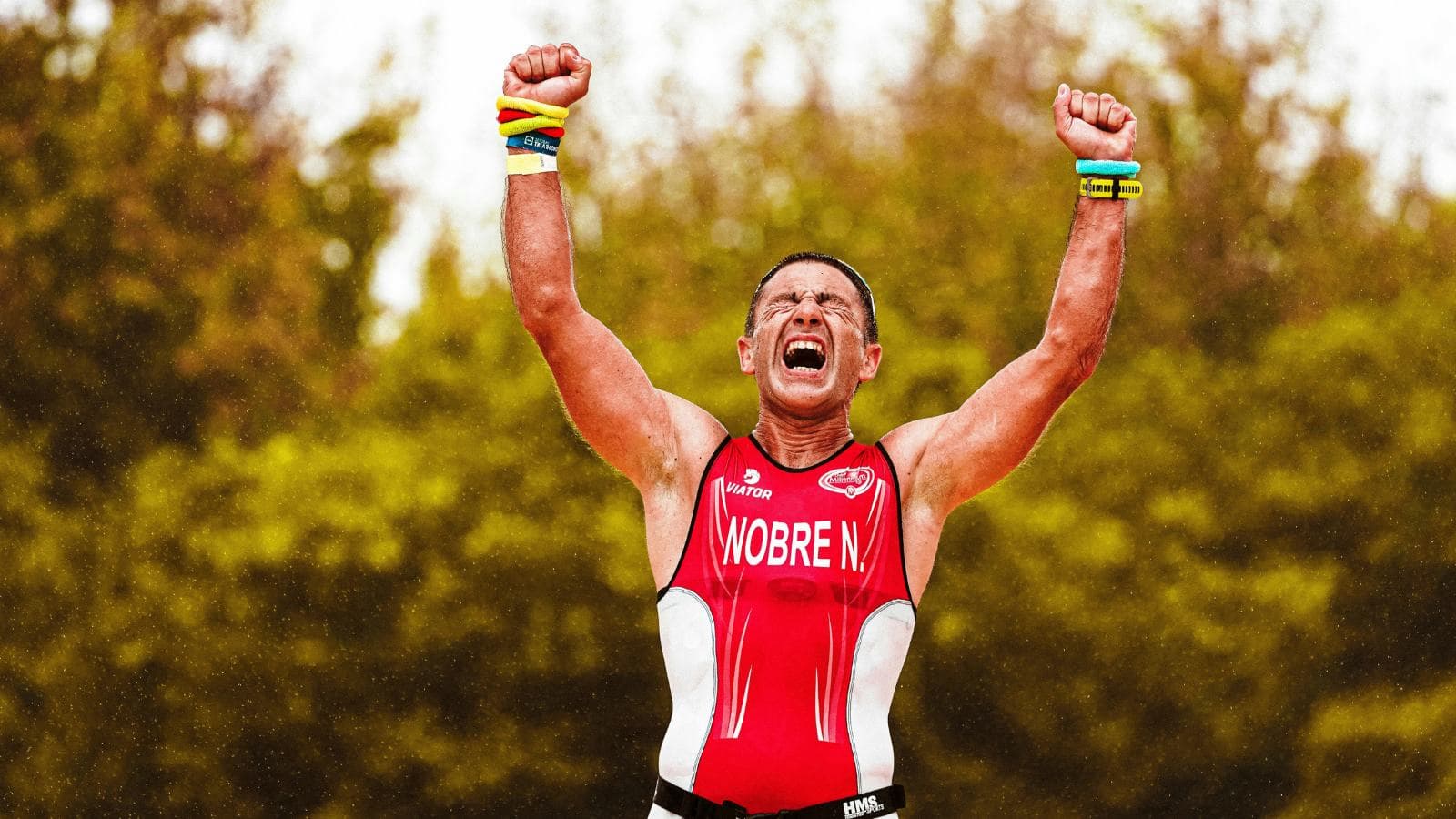
Many athletes focus entirely on physical training while ignoring mental conditioning. Over time, this creates gaps in performance, especially during longer races where mental fatigue becomes unavoidable. Building psychological resilience alongside endurance training leads to better race execution and more sustainable progress.
Focus Improves Consistency Across All Three Disciplines
Triathlon rewards athletes who can maintain concentration for extended periods. Losing focus during a swim can disrupt rhythm and breathing. Losing concentration on the bike can affect pacing and nutrition. Mentally checking out during the run often leads to poor form and slower splits.
One of the most effective mental strategies is learning to focus only on the current task rather than the entire race. Experienced triathletes break races into smaller sections:
- Swim to the first buoy
- Reach the next aid station
- Hold pace for the next 10 minutes
- Focus on cadence during climbs
This prevents mental overload and makes long races feel more manageable. Athletes following structured preparation often improve concentration naturally because training becomes predictable and controlled. This is one reason why knowing the difference between ironman vs 70.3 vs olympic triathlon is important for long-term development and race confidence.
Mental Strength Helps Athletes Handle Discomfort
Triathlon involves prolonged discomfort. Even well-trained athletes experience fatigue, negative thoughts, and physical stress during races.
Mental resilience does not eliminate discomfort. It helps athletes continue performing despite it.
Strong triathletes accept discomfort instead of fighting it. They expect difficult moments and prepare mentally before race day. This reduces panic when things become hard.
Mental strategies commonly used during races include:
- Controlled breathing
- Positive self-talk
- Repeating process-focused cues
- Breaking the race into smaller sections
- Refocusing after mistakes
Negative thoughts usually become stronger when athletes focus too far ahead. Thinking about an entire marathon during an Ironman run often creates unnecessary stress. Focusing only on the next kilometre keeps effort manageable.
This is why reducing injury risk when increasing triathlon volume becomes just as important mentally as it is physically.
Visualisation Improves Race-Day Confidence
Visualisation is one of the most effective psychological tools in endurance sport. It helps athletes mentally rehearse situations before they happen.
Effective visualisation is specific. Instead of imagining a perfect race, athletes should visualise:
- Swim congestion
- Cold water
- Difficult climbs
- Missed nutrition
- Heavy legs late in the run
- Strong headwinds
- Transition mistakes
Mentally preparing for problems reduces emotional reactions during competition. Visualisation also improves transitions. Triathlon transitions create stress because athletes must make quick decisions while fatigued. Many first-time athletes underestimate how mentally demanding transitions and race logistics become under pressure. Guide to the racing strategy for triathlon explains how preparation and familiarity improve overall race confidence.
Self-Talk Influences Performance Under Fatigue
Internal dialogue directly affects performance during endurance racing. Negative self-talk increases perceived effort and reduces motivation.
Athletes who repeatedly think:
- “I’m slowing down”
- “I can’t hold this pace”
- “This feels impossible”
often lose focus and confidence quickly.
Positive self-talk does not mean unrealistic optimism. Effective self-talk is practical and performance-focused.
Examples include: - “Relax your shoulders”
- “Control your breathing”
- “Stay smooth”
- “One section at a time”
- “Stick to the plan”
These cues redirect attention toward controllable actions instead of emotions.
Many elite athletes use repeated mental cues throughout races to maintain rhythm and composure. Simple phrases become especially powerful during the final stages of long-distance racing when concentration begins to fade.
Pacing Decisions Are Strongly Mental
Most triathlon pacing mistakes are psychological rather than physical. Athletes often start the swim too aggressively because of adrenaline. Cyclists push too hard early trying to gain positions. Runners increase pace too soon and struggle later. Mental discipline helps athletes trust their pacing strategy even when competitors surge around them.
Understanding effort control is a key part of race preparation. Athletes developing pacing awareness often benefit from learning how professionals structure training and race intensity. Training while knowing your zone 2 transition area explains why controlled aerobic pacing plays a major role in endurance performance.
Routine Reduces Anxiety Before Competition
Pre-race anxiety affects almost every triathlete regardless of experience level. Mental routines help athletes stay calm and focused before racing.
Effective race routines reduce uncertainty and improve control.
Useful pre-race habits include:
- Preparing equipment the night before
- Following the same breakfast routine
- Arriving early to transition
- Completing a familiar warm-up
- Using breathing exercises before the start
Consistency reduces cognitive stress and prevents unnecessary decision-making before competition.
Beginners especially benefit from structured preparation because uncertainty often increases anxiety. Following a clear framework like training for a sprint triathlon helps athletes build familiarity and confidence before race day.
Mental Recovery Is Part of Performance
Mental fatigue affects physical performance more than many athletes realise.
High-volume training without psychological recovery often leads to:
- Loss of motivation
- Poor concentration
- Increased stress
- Reduced sleep quality
- Burnout
Recovery strategies should include mental recovery alongside physical recovery.
Useful Approaches
- Reduced screen time
- Easy recovery sessions
- Time away from structured training
- Sleep prioritisation
- Relaxation techniques
Athletes who maintain mental freshness throughout a season usually train more consistently and avoid emotional exhaustion.
Recovery also improves decision-making and pacing during racing because mentally rested athletes stay calmer under pressure.
Confidence Comes From Preparation
Confidence in triathlon is built through consistent training and preparation rather than motivation alone.
Athletes feel more confident when they:
- Complete key training sessions
- Practice nutrition
- Rehearse transitions
- Follow a structured plan
- Understand pacing
Preparation removes uncertainty.
This is why experienced coaches prioritise repeatable routines and race simulation sessions. Confidence becomes stronger when athletes repeatedly experience race-like situations in training.
Many athletes preparing for longer events also improve psychologically by understanding race structure and expectations early. Resources like triathlon distances explained help athletes mentally prepare for the demands of endurance racing.
Practical Ways to Improve Mental Strength
Mental performance improves through consistent practice rather than motivation alone.
Triathletes can improve mental resilience by:
- Training without distractions occasionally
- Practising race nutrition during long sessions
- Using visualisation weekly
- Focusing on process goals instead of outcomes
- Rehearsing difficult race scenarios
- Learning controlled breathing techniques
- Reflecting after races and key sessions
Mental training works best when integrated into normal physical preparation rather than treated separately.
Common Mental Mistakes in Triathlon
Many triathletes reduce performance through avoidable psychological errors.
Common mistakes include:
- Starting too fast because of adrenaline
- Panicking after small setbacks
- Comparing pacing constantly with others
- Focusing too much on finish times
- Ignoring mental fatigue during training blocks
- Using negative self-talk under pressure
- Losing focus after mistakes
Athletes who manage emotions effectively usually recover faster from setbacks during races and maintain more consistent pacing.