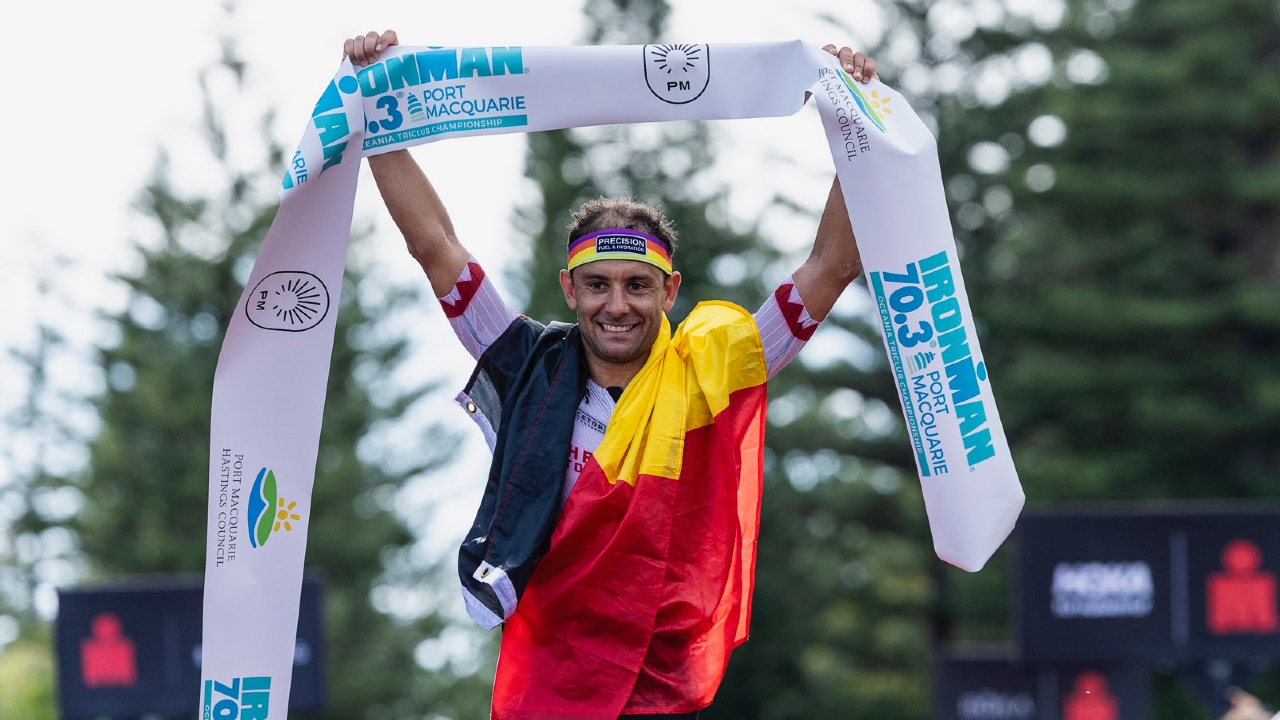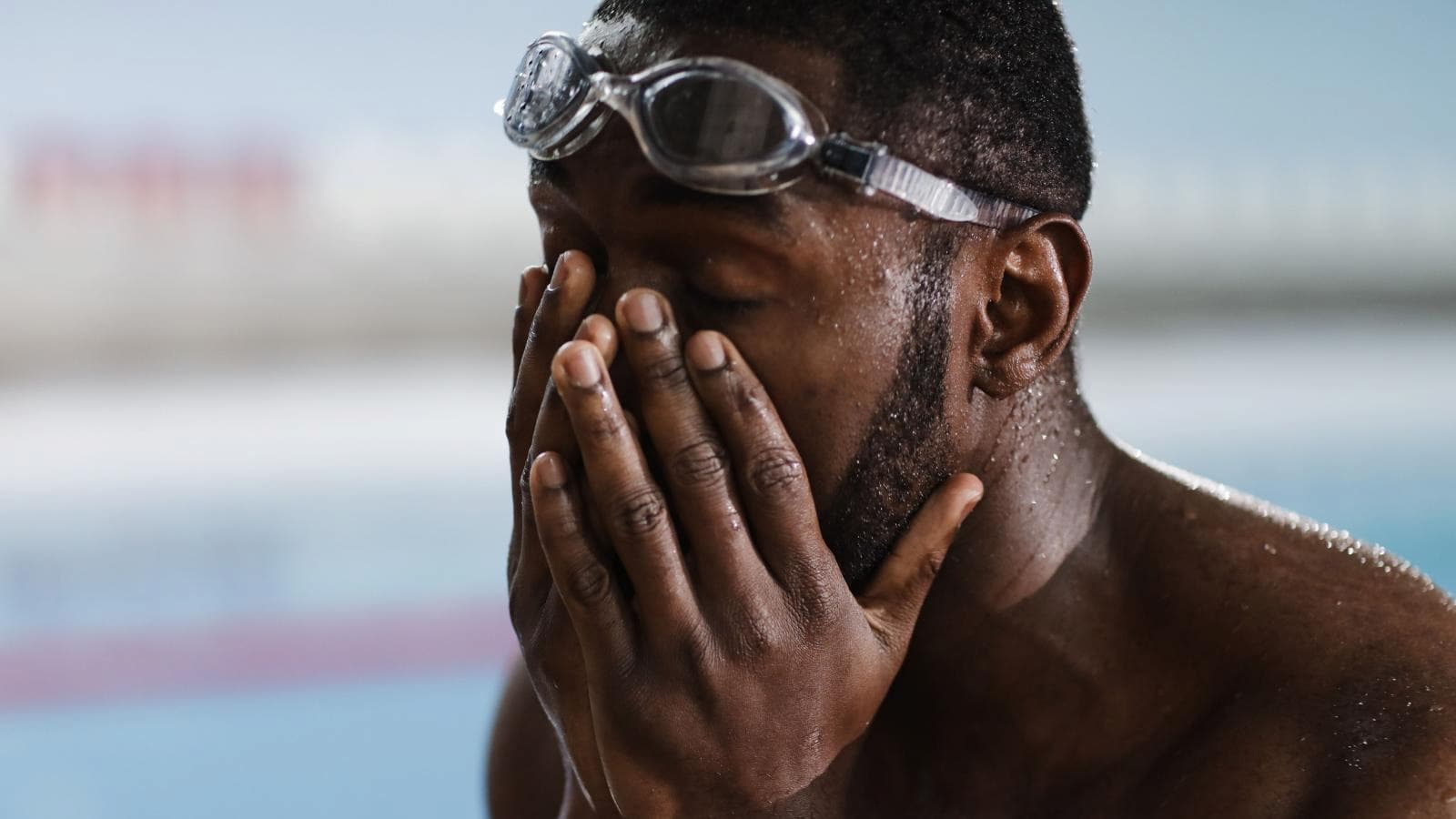


Crossing the finish line of a triathlon is often portrayed as a moment of pure happiness. After weeks or months of training, athletes finally achieve the goal they have been working toward. Friends congratulate them, race photos appear online, and medals become lasting reminders of the accomplishment. Yet many triathletes experience something unexpected in the days or weeks that follow.
Instead of feeling motivated and fulfilled, they may feel:
- Flat
- Unmotivated
- Emotional
- Restless
- Empty
- Disconnected from training
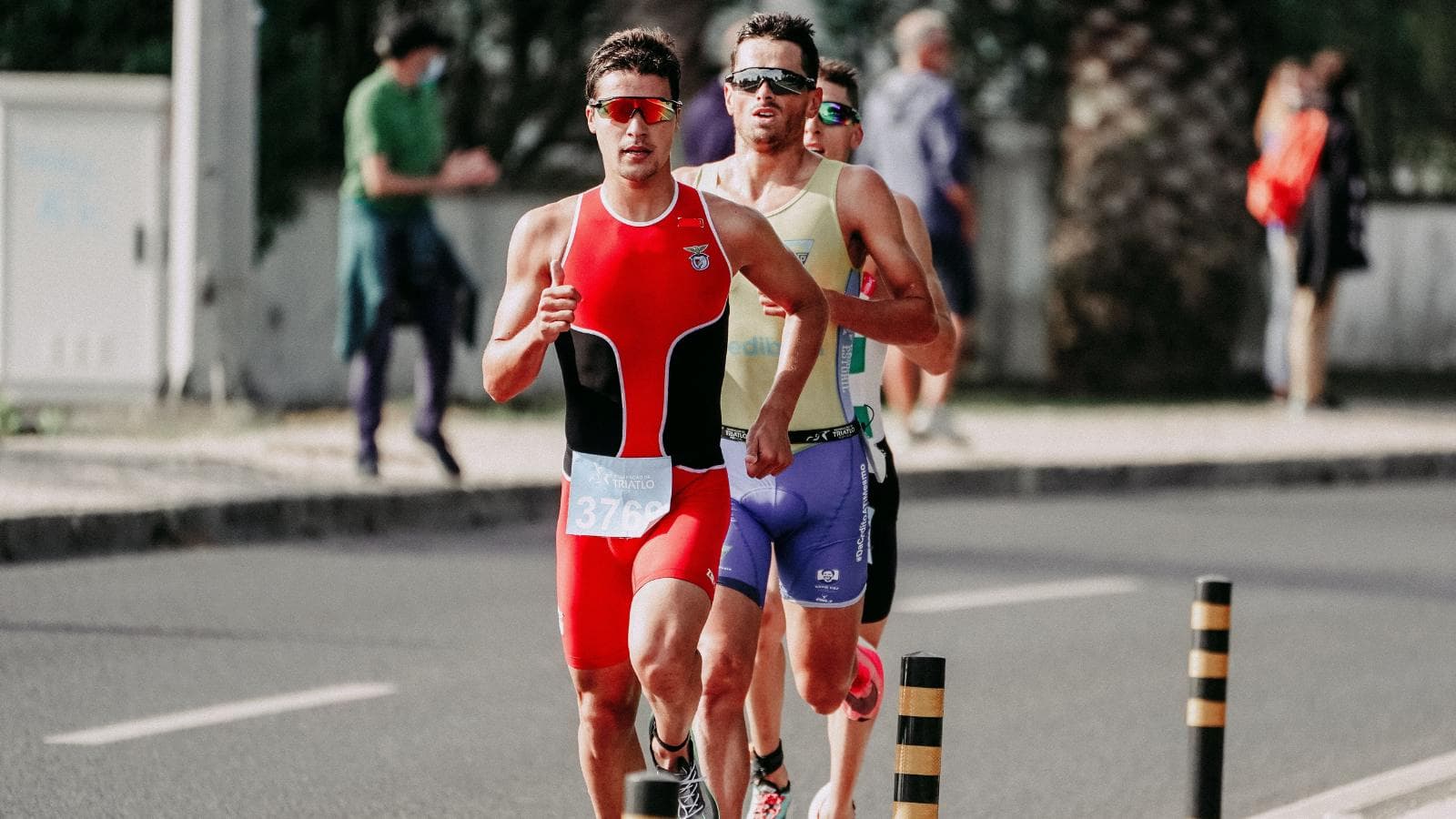
This experience is commonly referred to as post-race depression. While not necessarily a clinical diagnosis, post-race depression is a very real phenomenon that affects athletes at all levels, from first-time finishers to elite competitors. Understanding why it happens can help triathletes manage the transition from race day back to everyday life more effectively.
The Loss of a Major Goal
One of the biggest causes of post-race depression is the sudden disappearance of a major objective.
For months, training may have revolved around:
- One race
- One finish line
- One performance target
Every workout had a purpose. Every early morning and long weekend ride contributed to a larger goal. Once the race is over, that structure suddenly disappears. Athletes who focus on training for a triathlon with other triathletes often spend months working toward a specific date, making the post-race transition particularly noticeable.
The bigger the goal, the greater the adjustment afterward may feel.
Adrenaline and Emotional Letdown
Race week often creates significant excitement.
Athletes experience:
- Anticipation
- Nervousness
- Adrenaline
- Emotional investment
After the race, those heightened emotions naturally decline. This contrast can create feelings of emptiness even after a successful performance. The emotional high of race day is difficult to sustain indefinitely.
Eventually, normal life resumes.
Physical Fatigue Can Affect Mood
Triathlon racing places considerable stress on the body.
Long events may create:
- Muscle damage
- Hormonal disruption
- Sleep disturbances
- Nervous system fatigue
These physiological factors can influence mood. Athletes who prioritise how to recover faster after a triathlon often experience a smoother transition because recovery supports both physical and mental wellbeing. The brain and body recover together.
Identity Becomes Tied to Training
Many triathletes invest substantial time into the sport. Over time, training becomes part of their identity.
Questions such as:
- Who am I without training?
- What do I focus on now?
- What comes next?
may emerge after a major event. Athletes who spend months preparing for races often structure their routines around training goals.
When that structure disappears, it can feel unsettling.
Unrealistic Expectations
Some athletes believe that achieving a race goal will create lasting happiness.
Examples include:
- Qualifying for a championship
- Finishing an Ironman
- Achieving a personal best
While these accomplishments are meaningful, they rarely solve every problem or create permanent satisfaction. Athletes who understand what mindset helps triathletes perform at their best often recognise that fulfillment comes from the process as much as the outcome.
The finish line is a moment, not a permanent emotional state.
Training Provides Daily Purpose
Triathlon offers structure.
Training plans often dictate:
- Wake-up times
- Workout schedules
- Nutrition habits
- Weekly routines
After a race, that structure may disappear overnight. Athletes who have followed what are adaptations in a triathlon training plan often become accustomed to having clear progression and purpose built into each week.
Without that framework, some athletes feel directionless.
Social Connections Change
Training often creates strong social interactions.
Athletes may spend months:
- Training with partners
- Attending club sessions
- Discussing race preparation
After the race, these interactions sometimes decrease. The social energy surrounding race preparation can fade surprisingly quickly. Athletes who understand how to improve run technique during a triathlon often recognise how important community can be for maintaining motivation and wellbeing.
Connection matters.
Recovery Can Feel Uncomfortable
Many triathletes struggle with recovery because they enjoy being active.
Following a race, recovery may require:
- Reduced training
- Extra rest
- Lower intensity
Athletes accustomed to daily activity can find this difficult psychologically. Those who follow what strategies should triathletes follow for a better recovery often appreciate that recovery is a productive phase rather than a sign of lost fitness.
Rest can feel strange when you’re used to constant movement.
Comparing Results to Expectations
Post-race depression is not limited to athletes who performed poorly. However, unmet expectations can certainly contribute.
Examples include:
- Missing a time goal
- Equipment issues
- Nutrition mistakes
- Difficult conditions
Athletes may focus excessively on what went wrong rather than what went right. Reflection is useful. Rumination is not.
The Build-Up Is Often Longer Than the Reward
A race may last:
- One hour
- Six hours
- Twelve hours
The preparation may last months. As a result, athletes often spend more time anticipating the event than actually experiencing it. Athletes who prepare through 10 things you need to know before your first triathlon often discover that race day arrives much faster than expected.
When the event is over, the contrast can feel surprisingly emotional.
Sleep Disruption Can Affect Mood
Travel, nerves, and racing frequently disrupt sleep.
Poor sleep may contribute to:
- Irritability
- Low motivation
- Emotional fluctuations
Athletes who understand how much sleep do triathletes need to recover often recover more effectively because they prioritise sleep during the post-race period.
Recovery begins with rest.
Social Media Can Make Things Worse
After races, athletes often spend time reviewing:
- Results
- Photos
- Rankings
- Competitors’ performances
This can sometimes create:
- Comparison
- Regret
- Dissatisfaction
Athletes may overlook personal achievements while focusing on what others accomplished. Perspective becomes important during this period.
The Brain Misses the Challenge
Training stimulates the brain as well as the body.
Triathletes regularly solve problems related to:
- Pacing
- Nutrition
- Scheduling
- Recovery
After a race, those challenges temporarily disappear. Athletes who explore avoiding burnouts during a triathlon often discover that mental engagement plays a larger role in motivation than many realise.
The brain enjoys meaningful challenges.
Burnout Can Be Revealed
Sometimes post-race depression is not caused by the race ending. Instead, the race simply marks the point where accumulated fatigue becomes impossible to ignore.
Athletes who have been training hard for months may realise they are:
- Exhausted
- Mentally drained
- Less motivated than expected
Athletes who recognise what are the signs that you need a recovery week in triathlon often identify burnout earlier and manage it more effectively.
Sometimes the body is asking for rest.
Having No Next Goal
Many triathletes feel better once they establish a new objective. This does not necessarily mean signing up for another race immediately.
New goals might include:
- Improving technique
- Building strength
- Learning new skills
- Exploring different events
Athletes who focus on how to overcome an early season setback after a triathlon often find motivation in the learning process rather than a single finish line.
Progress can take many forms.
Common Signs of Post-Race Depression
Symptoms may include:
- Low motivation
- Sadness
- Irritability
- Fatigue
- Loss of direction
- Reduced interest in training
- Emotional ups and downs
- Difficulty setting new goals
These feelings are often temporary and improve with recovery and perspective.
How Triathletes Can Manage Post-Race Depression
Athletes can support themselves by:
- Prioritising recovery
- Accepting emotional fluctuations
- Maintaining social connections
- Reflecting on achievements
- Setting future goals
- Improving sleep habits
- Avoiding excessive comparison
- Giving themselves time to recharge
The healthiest athletes understand that motivation naturally rises and falls throughout the season. A temporary emotional dip after a major race does not mean something is wrong. In many cases, it is simply a normal response to the end of a meaningful challenge.