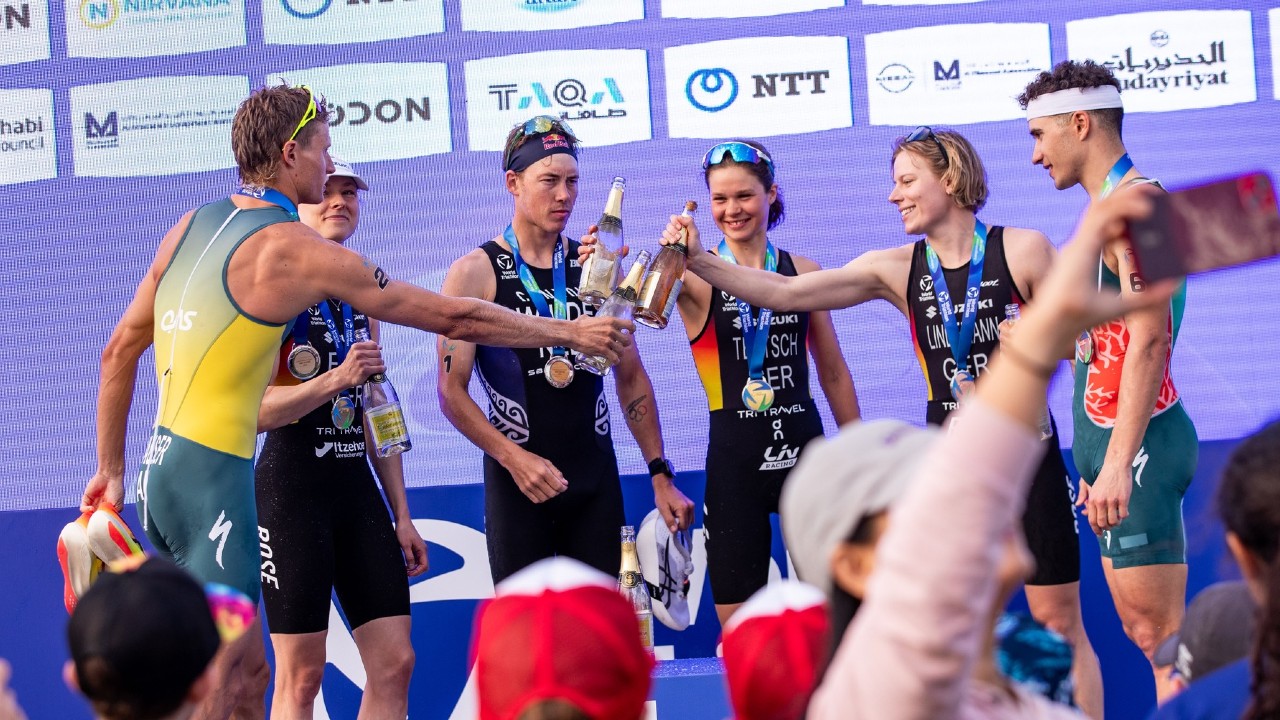

Signing up for your first triathlon is exciting. It is also slightly intimidating. Unlike a standalone running race or cycling event, a triathlon combines three disciplines into a single race day. For beginners, there is often uncertainty about:
- Training
- Equipment
- Transitions
- Nutrition
- Race-day nerves
The good news is that your first triathlon does not need to be perfect. The goal is not producing a flawless performance. The goal is learning, gaining experience, and crossing the finish line with confidence. Many first-time triathletes discover that the race itself is far less intimidating than they imagined once they understand a few key principles beforehand.
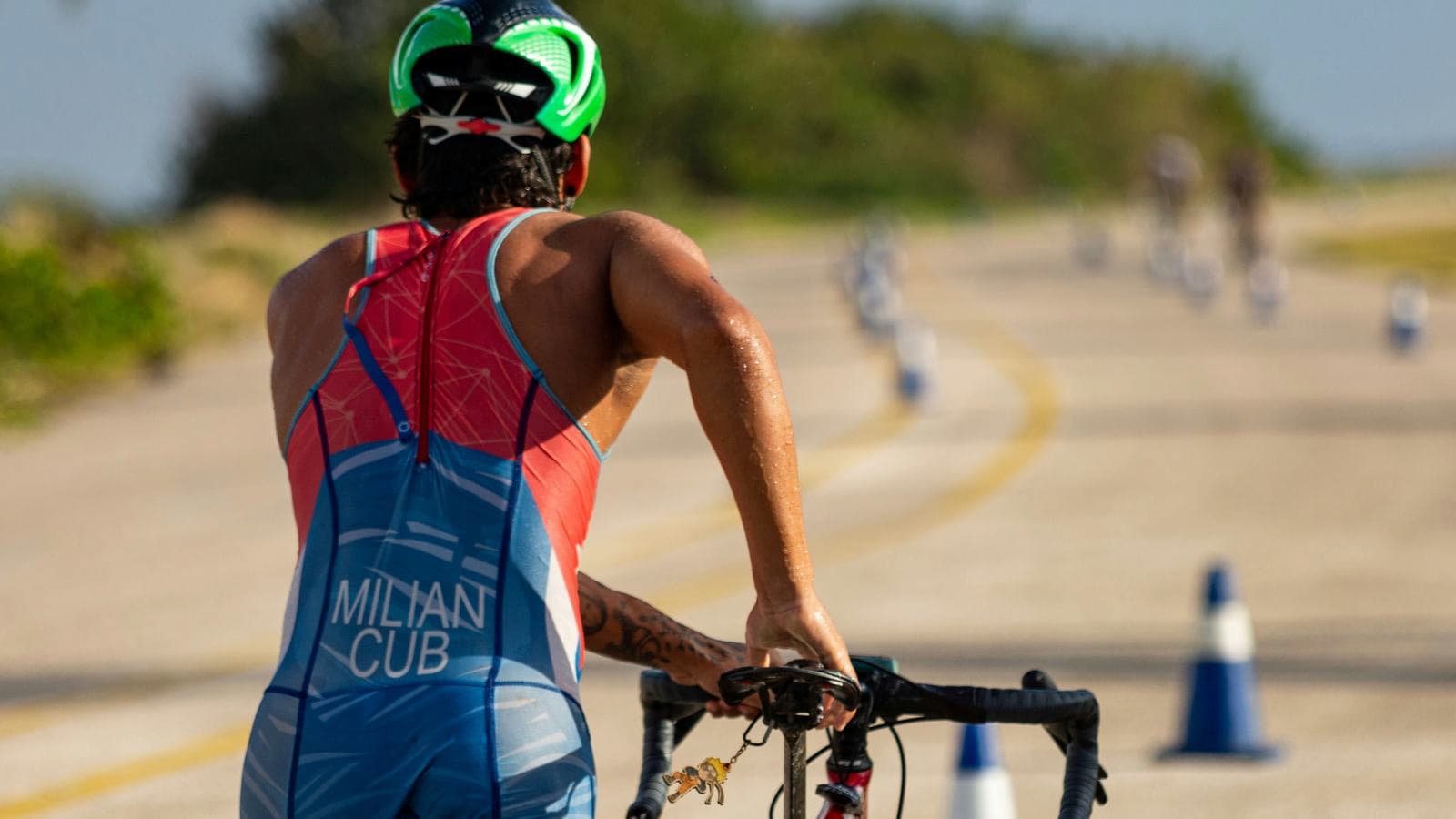
Here are 10 things every beginner should know before their first triathlon:
Choose the Right Race Distance
One of the biggest mistakes beginners make is signing up for a race that exceeds their current fitness or experience level.
Most first-time triathletes should consider:
- Sprint triathlon
- Super sprint triathlon
before moving on to longer distances. Understanding ironman vs 70.3 vs olympic triathlon can help you select an event that matches your current abilities and training availability. Starting with a manageable distance allows you to focus on learning the sport rather than simply surviving the race.
Remember, there is no prize for choosing the longest race as your first event.
Open Water Swimming Feels Different
Many athletes train exclusively in a pool and are surprised by how different open-water swimming feels.
Common challenges include:
- Limited visibility
- Crowded starts
- Waves
- Anxiety
- Sighting
If your race includes an open-water swim, try to gain experience in similar conditions beforehand. Athletes who practise transitioning from pool to open water swimming often arrive on race day feeling calmer and more prepared because they understand how to navigate real-world swimming conditions.
Confidence in the water can make the entire race feel easier.
Transitions Are Part of the Race
Many beginners focus entirely on swimming, cycling, and running. However, transitions matter too.
You will need to:
- Exit the swim
- Prepare for the bike
- Rack the bike
- Begin the run
Efficient transitions save time and reduce stress. Athletes who practise how to transition faster after an open water swim often discover that simple preparation can make race day significantly smoother. Transitions do not need to be fast. They need to be organised.
Don’t Buy Every Piece of Equipment
Triathlon can appear equipment-heavy.
New athletes often believe they need:
- Aero wheels
- Expensive bikes
- Advanced gadgets
- Premium race gear
In reality, your first race requires surprisingly little. A safe bike, appropriate clothing, and basic training are usually enough. Athletes who understand triathlon gear mistakes that every beginner triathlete should avoid often save money and reduce stress by focusing on essentials rather than unnecessary upgrades.
Experience is more valuable than expensive equipment.
Practice Race-Day Nutrition
Nutrition mistakes are among the most common beginner errors.
Many athletes experiment with:
- New gels
- New drinks
- New supplements
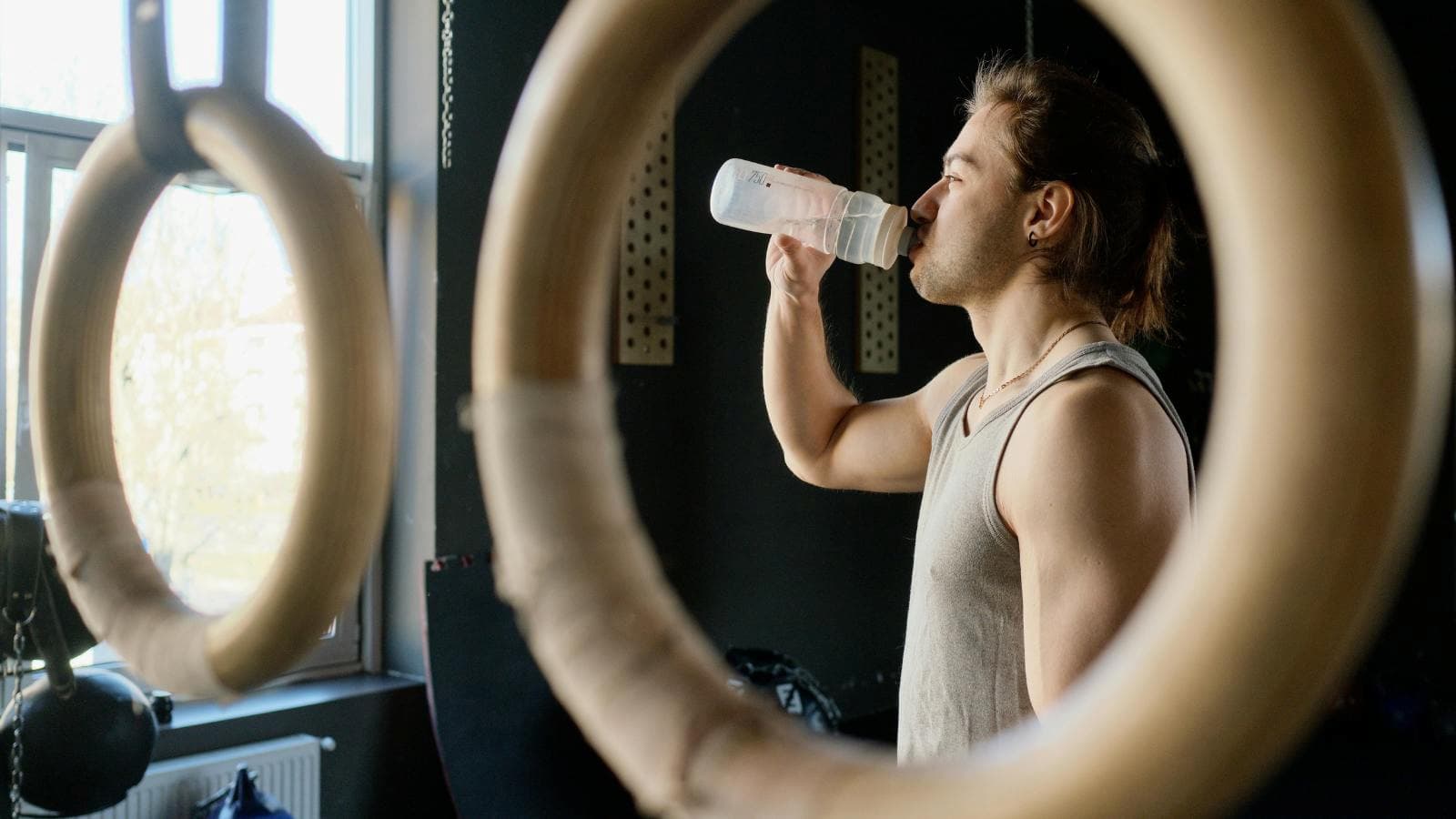
This is rarely a good idea. Instead, practise your fueling strategy during training. Athletes who learn how to fuel properly during a triathlon typically experience fewer energy problems because they know exactly what works for them before race day arrives.
Nothing new on race day is a good rule to follow.
Expect Some Discomfort
Triathlon is challenging.
At some point during the race you may experience:
- Fatigue
- Heavy legs
- Elevated heart rate
- Muscle soreness
This is normal. The best athletes do not panic when discomfort appears. Athletes who understand what causes jelly legs after bike to run transition in a triathlon often feel more confident because they recognise that unusual sensations are frequently part of the racing experience rather than signs that something is wrong.
Expect challenges and keep moving forward.
Pacing Is More Important Than Speed
Many first-time triathletes start too aggressively.
Common examples include:
- Swimming too hard
- Attacking hills on the bike
- Starting the run too fast
The result is often fatigue later in the race. Athletes who learn how to pace a triathlon properly usually perform better because they distribute effort more effectively across all three disciplines. A controlled race is almost always faster than an aggressive one.
Patience wins races.
Prepare for Unexpected Conditions
No race unfolds exactly as planned.
Possible challenges include:
- Wind
- Rain
- Heat
- Rough water
- Equipment issues
Successful triathletes remain adaptable. Athletes who understand how to acclimate to cold water in open water swimming often perform more consistently because they focus on solutions rather than frustration when conditions change unexpectedly.
Flexibility is a valuable race-day skill.
Recovery Starts Immediately After the Finish
Many beginners focus exclusively on reaching the finish line. However, what happens afterward matters too.
Recovery should include:
- Hydration
- Nutrition
- Movement
- Rest
Athletes who follow how to recover faster after a triathlon often feel significantly better in the days after racing because they support recovery immediately rather than waiting until soreness develops. The finish line is the start of recovery, not the end of the process.
Your First Triathlon Is a Learning Experience
Perhaps the most important thing to remember is that your first triathlon is not a final exam.
You will learn:
- What worked well
- What needs improvement
- What equipment you actually need
- How your body responds to racing
Athletes who focus on how to become an efficient triathlete often improve rapidly because they view every race as an opportunity to gather experience rather than judge their abilities. Your first race should build confidence and knowledge for future events.
Common Beginner Mistakes
Many first-time triathletes create unnecessary stress through avoidable habits.
Common mistakes include:
- Choosing a race that is too long
- Neglecting open-water practice
- Ignoring transitions
- Buying unnecessary equipment
- Experimenting with nutrition
- Starting too fast
- Forgetting recovery
- Expecting perfection
Fortunately, most of these mistakes are easy to avoid with preparation.
What Should You Focus On Most?
For your first triathlon, prioritise:
- Consistent training
- Basic equipment
- Open-water confidence
- Nutrition practice
- Pacing
- Race-day organisation
- Recovery
- Enjoyment
The athletes who enjoy their first race are usually the athletes who focus less on results and more on gaining experience. Triathlon is a long journey. Your first event is simply the beginning.