
Swimming drills are important for improving:
- Technique
- Efficiency
- Body position
- Stroke rhythm
- Breathing control
However, many triathletes eventually feel mentally exhausted from repetitive drill-heavy swim sessions that lack variety, progression, or clear purpose.
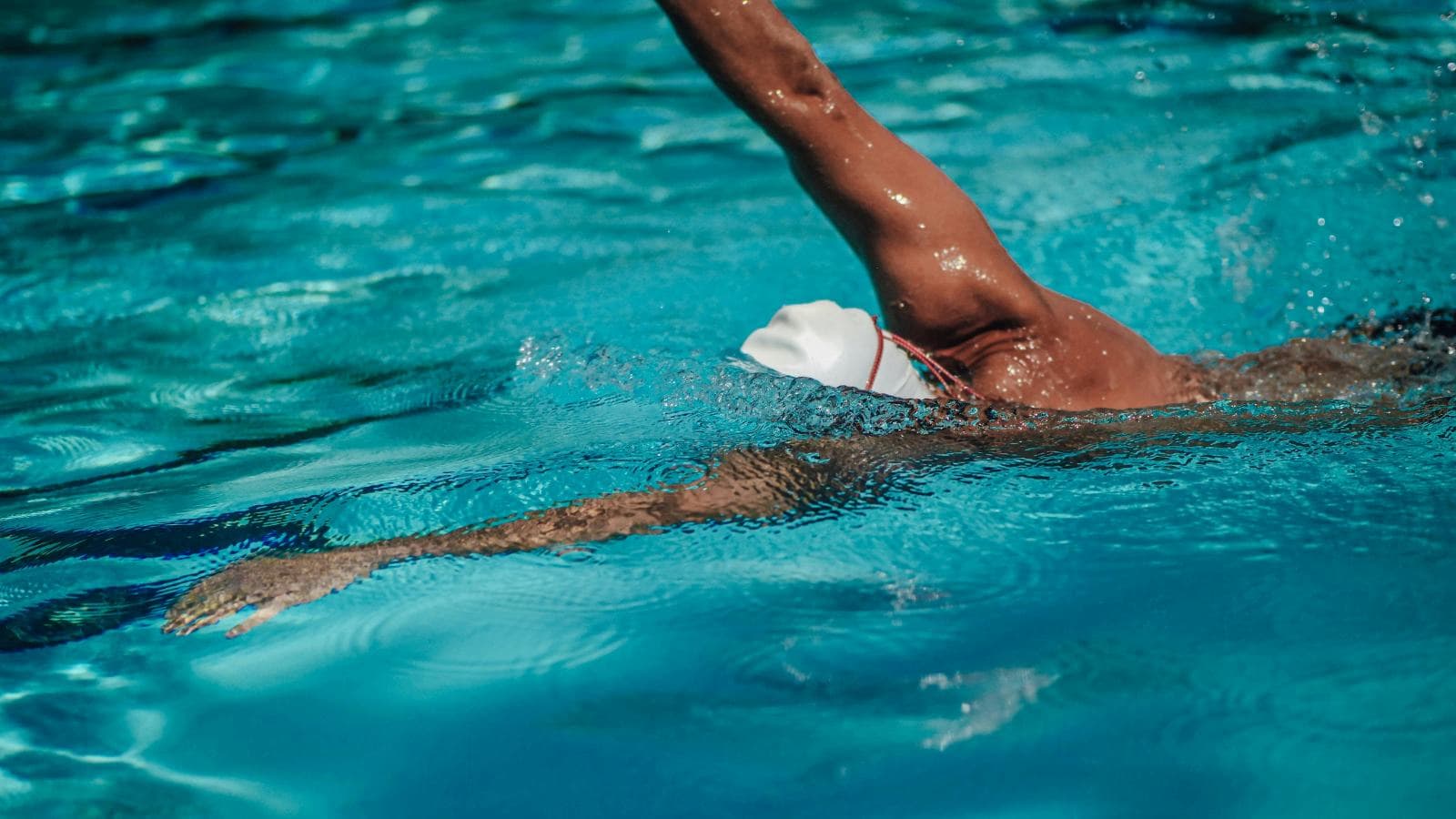
Swimming burnout often happens when athletes:
- Overcomplicate sessions
- Focus excessively on perfection
- Lose enjoyment
- Repeat drills without understanding why
- Spend too much time drilling instead of swimming naturally
The goal of drills is improving swimming performance, not creating frustration or mental fatigue.
Effective swim drills should:
- Support technique
- Improve confidence
- Build rhythm
- Enhance efficiency
without making training feel robotic or mentally draining.
This becomes especially important during longer race preparation discussed in one hour off season swimming workout, where sustainable training consistency matters far more than obsessive perfection.
Understand Why You Are Doing the Drill
One of the biggest reasons swimmers burn out is performing drills without understanding their purpose.
Every drill should improve something specific such as:
- Catch mechanics
- Rotation
- Breathing timing
- Balance
- Stroke efficiency
Repeating random drills endlessly often creates:
- Frustration
- Confusion
- Mental disengagement
Athletes improve faster when they know:
- What the drill teaches
- Why it matters
- How it transfers into full swimming
Avoid Turning Every Swim into Technique Overload
Technique matters, but constantly analysing every movement can become mentally exhausting.
Many triathletes spend entire sessions:
- Overthinking stroke mechanics
- Correcting tiny details
- Interrupting rhythm constantly
This often removes:
- Flow
- Enjoyment
- Natural feel for the water
Drills should support swimming rather than completely replacing it. Athletes improving through improving swimming strokes effortlessly often progress faster when technique work stays simple and repeatable.
Balance Drills with Actual Swimming
A common mistake is spending too much time drilling and not enough time swimming continuously.
Drills should complement:
- Aerobic work
- Endurance sets
- Open-water preparation
- Pace control
A useful structure often includes:
- Drill work early
- Main swim set afterward
- Technique integration into normal swimming
This helps athletes apply technical improvements under realistic swimming conditions.
Keep Drill Selection Simple
Many triathletes use too many drills in one session.
This often creates:
- Information overload
- Poor focus
- Reduced rhythm
- Mental fatigue
Instead of using:
- Eight different drills
- Constant changes
- Complicated combinations
most athletes improve better with:
- Two or three focused drills
- Repeated consistently
- Practised with clear purpose
Simple repetition usually improves skill retention more effectively than endless variation.
Avoid Perfectionism in the Water
Swimming technique will never feel perfect constantly.
Many triathletes become frustrated because:
- Progress feels slow
- Technique fluctuates
- Fatigue changes mechanics
- Open water feels messy
Obsessing over flawless movement often increases:
- Stress
- Tension
- Burnout
The goal is improving efficiency gradually rather than chasing technical perfection every session.
Athletes improving through mental strategies that can improve triathlon performance often handle technical frustration more calmly and consistently.
Include Enjoyable Swim Sessions
Not every swim session should feel highly technical.
Burnout decreases when athletes include:
- Relaxed endurance swims
- Open-water sessions
- Mixed-pace swimming
- Group training
- Fun challenges
Swimming enjoyment matters because athletes who enjoy training usually:
- Stay more consistent
- Recover mentally better
- Improve confidence
- Sustain motivation longer
Open Water Can Refresh Motivation
Pool repetition sometimes creates mental fatigue because:
- Walls interrupt rhythm
- Environment feels repetitive
- Sessions become predictable
Open-water swimming often helps athletes:
- Reconnect with race goals
- Improve feel for pacing
- Enjoy swimming more naturally
This becomes especially valuable for triathletes following training for open water swimming in 8 weeks, where confidence and comfort become more race-specific.
Fatigue Reduces Technical Quality
Many athletes continue drilling aggressively while physically exhausted.
However, fatigue often reduces:
- Coordination
- Body position
- Stroke rhythm
- Learning quality
Poor-quality drill repetitions may reinforce bad habits instead of improving technique.
Sometimes athletes need:
- Easier sessions
- Recovery swims
- Shorter technique blocks
rather than more technical correction.
Drills Should Match Skill Level
Beginner triathletes often become overwhelmed by advanced technical drills designed for elite swimmers.
Complicated drills may:
- Increase confusion
- Reduce confidence
- Interrupt rhythm
- Slow progress
The best drills are usually:
- Simple
- Repeatable
- Easy to understand
- Directly connected to actual swimming performance
Athletes improving through triathlon wetsuits for open water swimming often learn that simplicity usually improves consistency across all areas of triathlon.
Aerobic Swimming Still Matters
Some triathletes focus so heavily on drills that they neglect aerobic swim development entirely.
Endurance swimming improves:
- Breathing control
- Rhythm
- Relaxation
- Sustainable pacing
- Confidence in longer swims
Drills alone do not build race-specific swim endurance.
Balanced swim training should include:
- Technique
- Endurance
- Pacing
- Open-water skills
- Recovery sessions
Rotate Focus Areas
Trying to fix everything simultaneously often creates burnout.
Instead, triathletes usually improve faster by focusing on:
- One technical issue at a time
Examples include: - Breathing rhythm one week
- Catch mechanics another
- Body position afterward
This creates:
- Clearer progress
- Reduced frustration
- Better concentration
Small improvements accumulate steadily over time.
Swimming Too Hard Increases Mental Fatigue
Many triathletes unintentionally combine:
- Intense intervals
- Heavy technique focus
- Excessive correction
in the same session.
This often creates:
- Mental exhaustion
- Frustration
- Reduced confidence
Technique work usually improves better under:
- Controlled aerobic intensity
- Relaxed pacing
- Sustainable effort
Athletes applying how to sight in swimming principles during swimming often maintain better technical consistency.
Group Sessions Can Help Motivation
Training with others may reduce drill burnout because:
- Sessions feel more engaging
- Feedback becomes easier
- Motivation improves
- Structure feels less repetitive
Swimming alone constantly can become mentally draining for many triathletes, especially during longer training blocks.
Recovery Weeks Matter for Swimming Too
Mental burnout often develops when athletes never reduce training load.
Recovery weeks help:
- Restore motivation
- Improve focus
- Reduce frustration
- Improve technical absorption
Athletes improving through preventing burnout when training for triathlon often notice swim enjoyment returns quickly once fatigue decreases.
Technique Should Improve Efficiency, Not Create Anxiety
Some triathletes become so focused on swimming perfectly that every session feels stressful.
Efficient swimming should eventually feel:
- Relaxed
- Controlled
- Sustainable
- Rhythmic
Technique improvements should simplify movement rather than create constant overthinking.
Common Swimming Drill Mistakes
Many athletes increase burnout through avoidable habits.
Common mistakes include:
- Using too many drills
- Overanalysing technique constantly
- Ignoring enjoyment
- Swimming only in pools
- Drilling while exhausted
- Chasing perfection
- Neglecting aerobic swimming
The best swim development usually comes from balanced, sustainable training rather than endless correction.
Practical Ways to Avoid Swimming Drill Burnout
Triathletes can reduce burnout by:
- Keeping drills simple
- Understanding drill purpose
- Balancing drills with full swimming
- Including enjoyable sessions
- Training in open water occasionally
- Rotating technical focus
- Avoiding perfectionism
- Prioritising consistency over constant correction
The best swimmers are usually athletes who stay relaxed, confident, and engaged with the process long term.