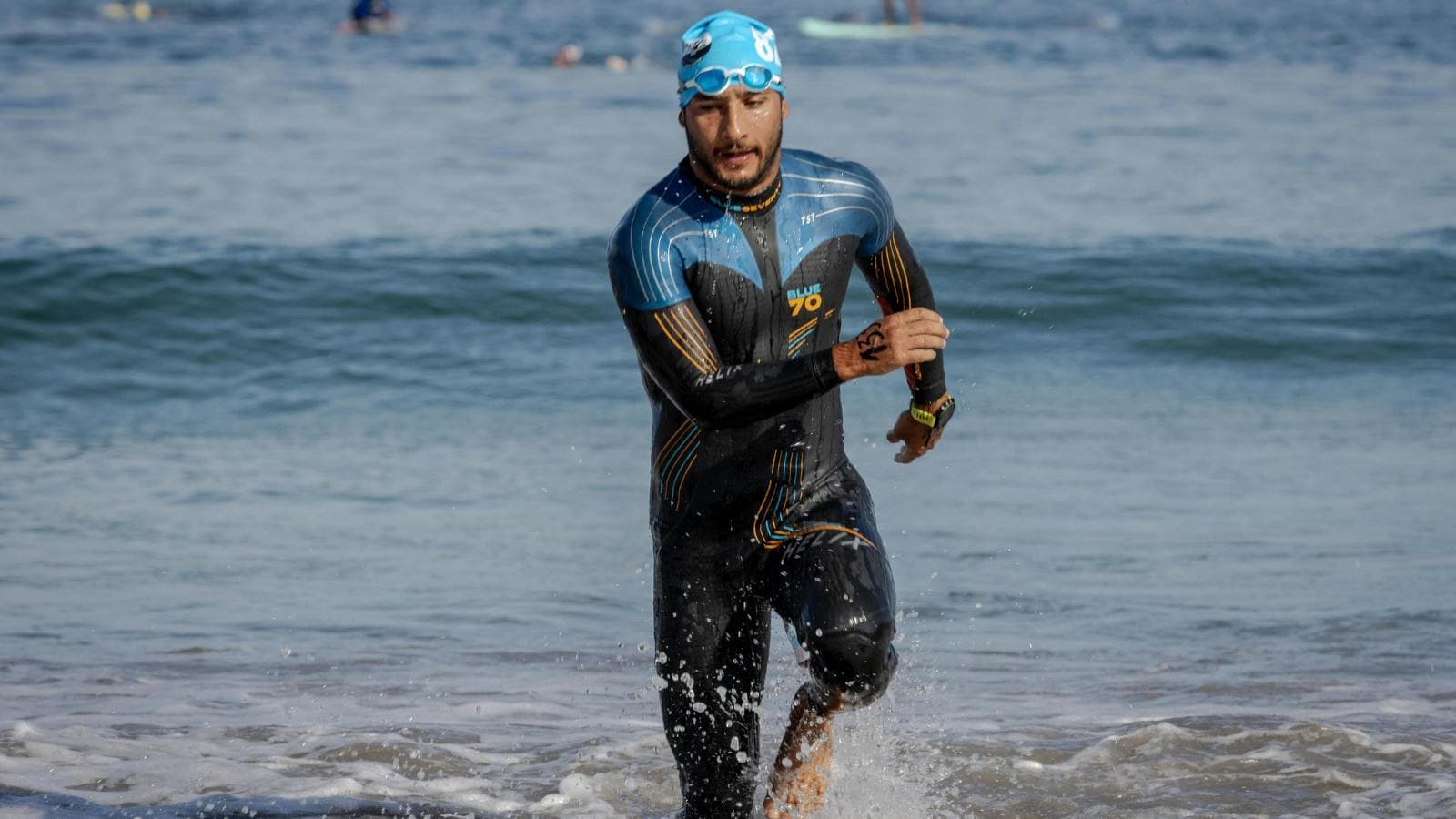


Choosing the right wetsuit for open water swimming is essential for comfort, performance, and safety. A wetsuit is not just about staying warm, it also improves buoyancy, body position, and efficiency in the water. For triathletes, the right wetsuit can make a significant difference in both confidence and race-day performance.
What an Open Water Wetsuit Actually Does?
A wetsuit is designed to provide insulation and buoyancy. It traps a thin layer of water between your body and the suit, which warms up and helps maintain body temperature. The material also improves flotation, keeping your body higher in the water. This reduces drag and improves efficiency.
Wetsuits are specifically designed to support swimming performance, not just warmth.
Why a Wetsuit Is Important?
- Open water conditions are unpredictable.
- Cold temperatures can affect breathing, muscle function, and overall performance.
- A wetsuit helps regulate body temperature and reduces the impact of cold water.
- It also improves confidence, especially for beginners.
- The added buoyancy helps maintain a better body position, reducing fatigue.
This becomes especially useful when aligned with how to start swimming for a triathlon as a beginner, where comfort and confidence are key.
Types of Wetsuits for Open Water
- Not all wetsuits are the same.
- Swimming wetsuits are designed differently from surfing or diving suits.
- They use flexible neoprene to allow freedom of movement in the shoulders.
- Triathlon wetsuits are specifically built for speed and efficiency.
- Choosing the right type ensures better performance and comfort.
Full Sleeve vs Sleeveless Wetsuits
- One of the main choices is between full sleeve and sleeveless wetsuits.
- Full sleeve wetsuits provide maximum warmth and buoyancy.
- They are ideal for colder conditions and longer swims.
- Sleeveless wetsuits offer more freedom of movement and are easier to put on and remove.
- They are better suited for warmer conditions or swimmers who prefer less restriction.
- The choice depends on water temperature and personal comfort.
Fit and Comfort
- Fit is the most important factor when choosing a wetsuit.
- A wetsuit should feel snug but not restrictive.
- Loose areas allow water to enter, reducing insulation.
- A suit that is too tight can restrict breathing and movement.
- Proper fit ensures both comfort and performance.
- Trying different sizes helps find the best option.
Buoyancy and Thickness
- Wetsuits vary in thickness, which affects buoyancy and warmth.
- Thicker neoprene provides more insulation and lift.
- However, too much thickness can reduce flexibility.
- Most triathlon wetsuits use varying thickness across different areas.
- This balances buoyancy and movement.
- Understanding this helps you choose a suit that matches your needs.
Flexibility and Shoulder Movement
- Swimming requires a full range of motion in the shoulders.
- A good wetsuit allows natural arm movement without resistance.
- High-quality suits use flexible materials in key areas.
- This reduces fatigue and improves stroke efficiency.
- Flexibility is essential for maintaining proper technique.
Temperature Considerations
- Water temperature plays a major role in wetsuit selection.
- Colder water requires thicker, full-coverage suits.
- Warmer water may allow for thinner or sleeveless options.
- Choosing the right wetsuit for the conditions ensures comfort and safety.
Understanding temperature adaptation becomes easier when aligned with how to transition from pool swimming to open water in triathlon, where managing cold exposure is essential.
Ease of Transition
- For triathletes, wetsuit removal is part of race performance.
- A good wetsuit should be easy to remove quickly during transition.
- Features like smooth linings and flexible panels help with this.
- Practicing removal during training improves efficiency.
- Ease of transition saves valuable time on race day.
Durability and Quality
- Wetsuits are an investment, so durability matters.
- Higher-quality materials last longer and perform better.
- Proper care extends the life of your wetsuit.
- Rinsing after use and storing correctly prevents damage.
- Choosing a durable suit ensures long-term value.
Budget and Value
- Wetsuits come in a wide range of prices.
- Beginners do not need the most expensive option.
- Mid-range wetsuits often provide a good balance of performance and cost.
- The focus should be on fit and comfort rather than brand or price alone.
- Choosing wisely ensures you get the best value for your needs.
Common Mistakes
- Choosing the wrong type of wetsuit reduces performance.
- Poor fit leads to discomfort and reduced efficiency.
- Ignoring water temperature affects safety and comfort.
- Focusing only on price instead of fit limits effectiveness.
- Not practicing in the wetsuit reduces confidence on race day.
Practical Checklist
- Choose a wetsuit designed for swimming or triathlon
- Ensure a snug but comfortable fit
- Select thickness based on water temperature
- Decide between full sleeve or sleeveless
- Test flexibility and ease of movement
- Practice using the wetsuit before race day
What You Should Do?
- Start by identifying the conditions you will be swimming in.
- Choose a wetsuit that matches your environment and experience level.
- Prioritise fit and comfort above all else.
- Test your wetsuit during training to build confidence.
- Practice transitions to improve race-day efficiency.
- The right wetsuit should feel like an advantage, not a limitation.