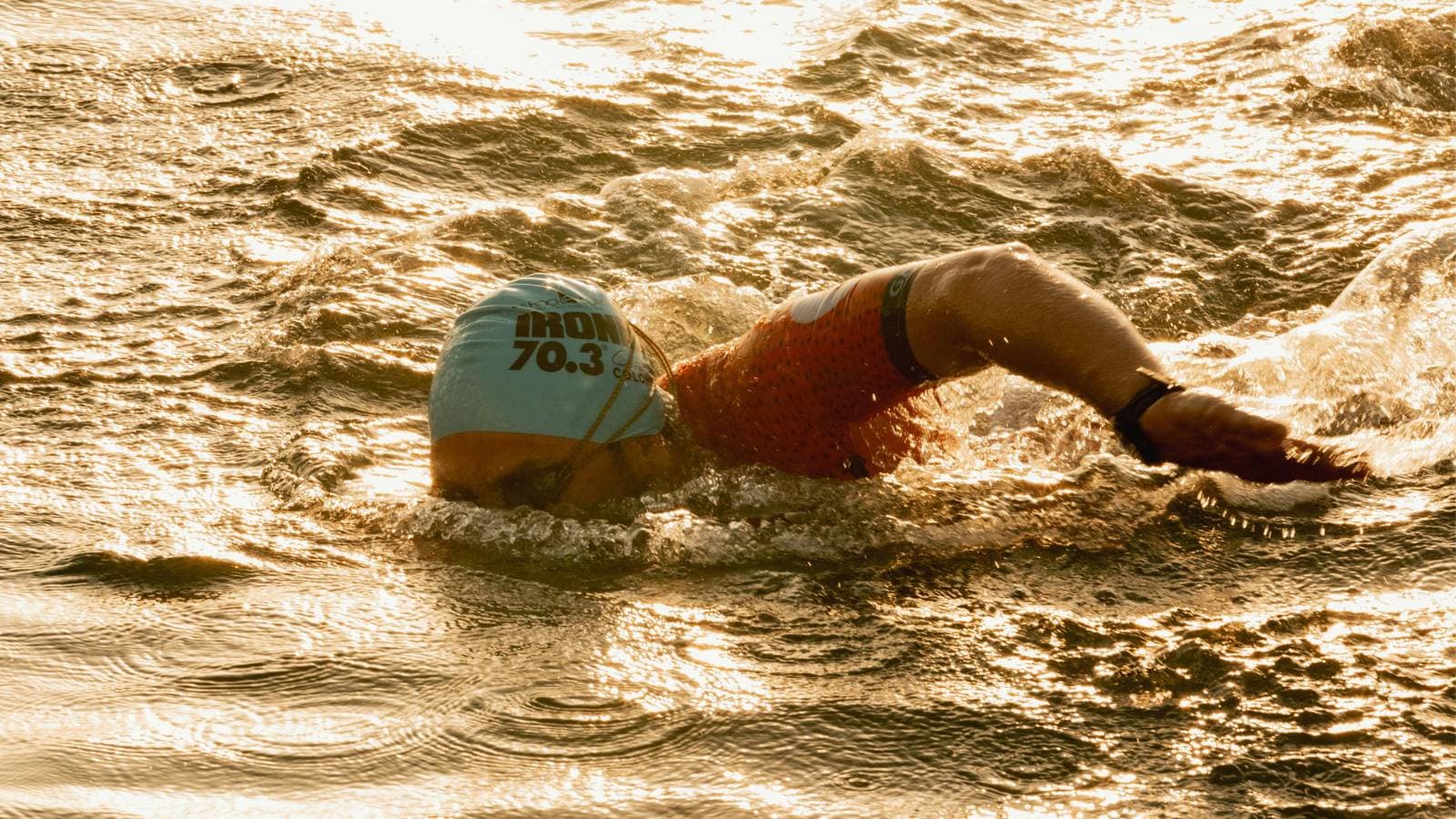


Improving your swim stroke is not about swimming harder. Most triathletes and endurance swimmers improve faster by becoming more efficient in the water rather than increasing effort. Better body position, cleaner technique, controlled breathing, and improved timing reduce drag and help swimmers move faster with less energy. Swimming efficiency matters because poor technique wastes energy quickly. Unlike cycling or running, swimming punishes technical mistakes immediately. Small inefficiencies in head position, arm recovery, kick timing, or breathing mechanics can slow swimmers significantly over longer distances.
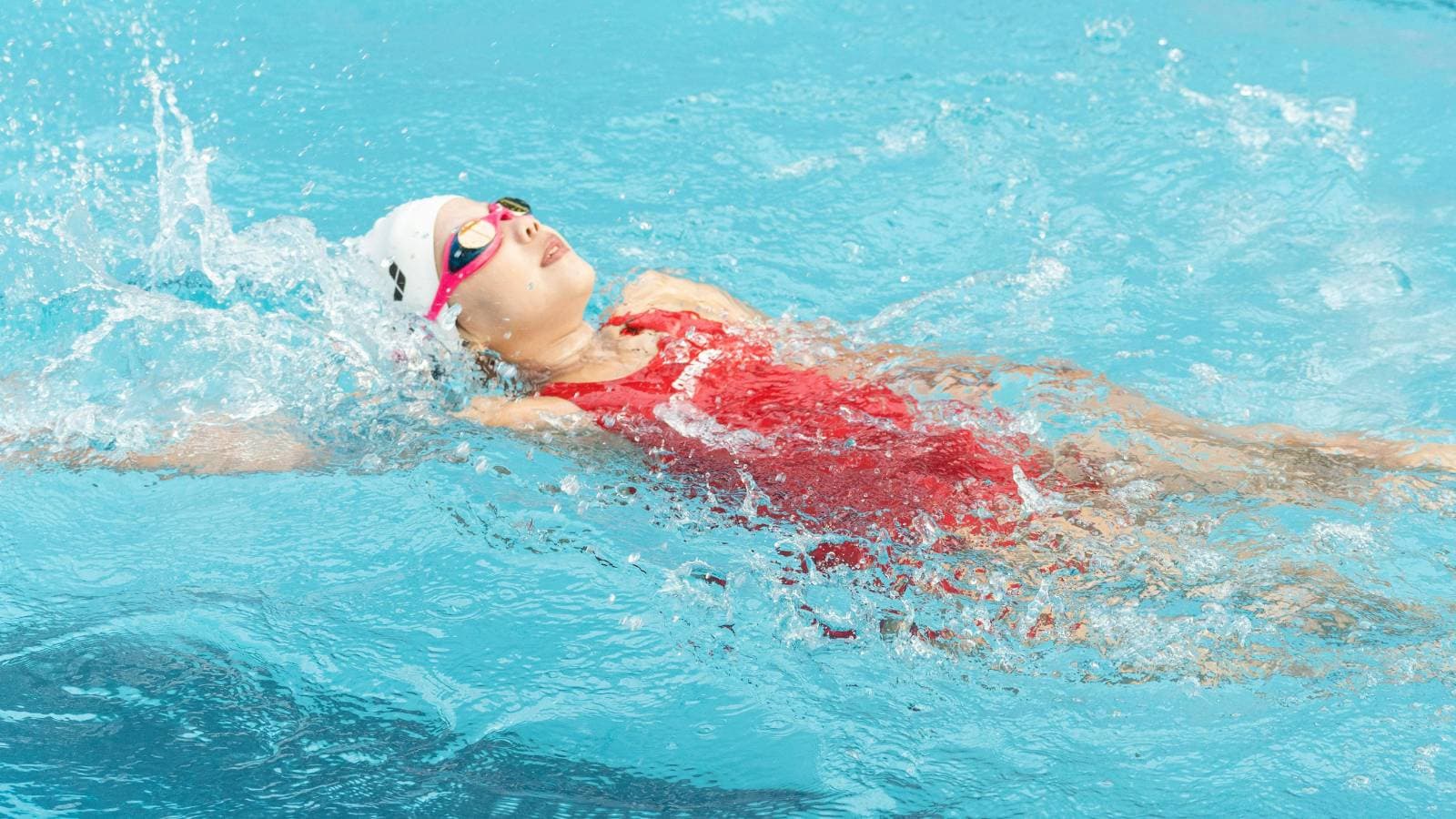
The goal is not to force speed. The goal is to remove wasted movement so speed comes naturally. This becomes especially important in triathlon where conserving energy during the swim improves overall race performance. Athletes learning efficient movement patterns early often progress faster long-term, particularly when following structured preparation such as training for a winter triathlon.
Body Position Controls Everything
The foundation of an efficient swim stroke is body position. Poor alignment increases drag and forces swimmers to work harder just to stay balanced.
Efficient swimmers stay horizontal in the water with hips high and head neutral. The body should rotate smoothly from side to side rather than remaining flat.
Common body position mistakes include:
- Lifting the head too high
- Dropping hips
- Overkicking
- Swimming too tense
- Looking forward constantly
Keeping the head relaxed and eyes downward helps maintain balance naturally.
Many beginner triathletes struggle because they try to “fight” the water rather than move through it smoothly. This is one reason why your complete first triathlon guide often emphasises swimming confidence before speed development.
Breathing Should Feel Controlled, Not Rushed
Breathing problems create tension throughout the entire stroke.
Swimmers who panic during breathing usually lift their head excessively, lose alignment, and disrupt rhythm. Efficient breathing should feel relaxed and connected to body rotation rather than forced.
Key breathing improvements include:
- Exhaling continuously underwater
- Turning the body instead of lifting the head
- Keeping one goggle in the water during breaths
- Maintaining rhythm between strokes
Triathletes often struggle with breathing under pressure during open-water races where anxiety increases effort levels.
Developing calm breathing patterns during training improves confidence significantly during racing situations explained in training for an open water swimming in 8 weeks.
Reduce Drag Before Trying to Swim Faster
Many swimmers focus on power before efficiency. In swimming, reducing drag usually improves performance more than increasing force output.
Water resistance increases dramatically when technique breaks down. Small movements that create extra drag can cost significant energy over long distances.
Areas that commonly increase drag include:
- Wide hand entry
- Crossing arms over the centreline
- Excessive knee bend during kicking
- Poor head position
- Overreaching during the catch
Efficient swimmers move cleanly through the water rather than trying to overpower it.
Improve the Catch Phase
The catch is the moment the hand and forearm engage the water to create propulsion. A weak catch reduces forward movement and forces swimmers to increase stroke rate unnecessarily.
Effective catch mechanics include:
- High elbow position
- Early forearm engagement
- Pressing backward rather than downward
- Maintaining pressure through the pull
Many swimmers drop the elbow too early, which reduces leverage and efficiency. Improving the catch takes time because it relies heavily on feel and coordination rather than strength alone.
This becomes especially important during longer triathlon swims where energy conservation matters more than short bursts of speed.
Rotation Creates More Efficient Power
Strong swimmers rotate naturally through the hips and torso during each stroke.
Rotation improves:
- Reach
- Breathing efficiency
- Stroke length
- Power transfer
- Rhythm
Swimming flat often causes shoulder fatigue because the arms compensate for limited body movement. Proper rotation should feel smooth rather than exaggerated. Overrotation usually disrupts timing and balance.
Triathletes preparing for longer events explained in ironman vs 70.3 vs olympic triathlon often benefit significantly from improved rotational efficiency because small technical gains become more valuable over extended swim distances.
Stroke Rate and Stroke Length Must Work Together
Swimming faster is not simply about taking more strokes.
Efficient swimmers balance:
- Stroke length
- Stroke rhythm
- Tempo
- Propulsion
Overgliding between strokes often slows momentum, while excessively high turnover increases fatigue quickly.
The best stroke rate depends on:
- Swim distance
- Water conditions
- Fitness level
- Technique quality
Open-water racing often requires slightly higher turnover compared to pool swimming because conditions are less predictable. Athletes improving swim pacing usually benefit from understanding broader endurance pacing concepts such as improving triathlon swimming where controlled aerobic efficiency becomes the priority.
Kicking Should Support the Stroke
Many triathletes overuse the kick and waste energy unnecessarily. In triathlon swimming, the kick mainly supports balance, rhythm, and body position rather than providing major propulsion.
Efficient kicking includes:
- Small controlled movements
- Relaxed ankles
- Minimal knee bend
- Consistent rhythm
Aggressive kicking early in a race can elevate heart rate and fatigue the legs before cycling and running even begin.
This becomes particularly important for long-course racing where energy management across all disciplines matters more than pure swim speed.
Consistency Improves Technique Faster Than Volume
Swimming technique improves through repetition and frequency rather than occasional high-volume sessions. Three shorter technical sessions each week usually improve efficiency more effectively than one long swim.
Useful technical work includes:
- Drill-based warm-ups
- Pull buoy sets
- Controlled breathing practice
- Tempo-focused swimming
- Stroke-count awareness
Frequent exposure to proper movement patterns helps technique become automatic over time. Athletes following structured preparation like building a weekly triathlon plan often improve faster because regular swim frequency supports technical adaptation.
Open Water Skills Matter for Triathletes
Pool technique alone does not guarantee efficient open-water swimming.
Triathletes also need:
- Sighting skills
- Drafting awareness
- Comfort in crowded starts
- Breathing adaptability
- Confidence in changing conditions
Many swimmers lose efficiency in open water because anxiety increases tension and disrupts breathing patterns. Practising open-water skills regularly improves composure and reduces unnecessary energy expenditure during races.
Confidence also plays a major role. Athletes who remain calm usually maintain better technique under pressure.

Strength and Mobility Support Better Technique
Mobility restrictions often limit swim efficiency.
Tight shoulders, poor thoracic mobility, and limited ankle flexibility can affect:
- Catch mechanics
- Rotation
- Kick efficiency
- Recovery position
Strength training also supports better stroke mechanics by improving posture and shoulder stability.
Useful areas to develop include:
- Core strength
- Shoulder stability
- Lat strength
- Hip mobility
- Thoracic rotation
Dryland training becomes increasingly important for endurance athletes balancing all three disciplines.
Common Swim Stroke Mistakes
Many triathletes lose efficiency through avoidable technical habits.
Common mistakes include:
- Holding the breath underwater
- Swimming too tense
- Looking forward constantly
- Overkicking
- Crossing arms during entry
- Pulling too wide
- Rushing the stroke
- Ignoring body rotation
Most swimmers improve faster by correcting one issue at a time rather than overthinking the entire stroke simultaneously.
Practical Ways to Improve Your Swim Stroke
Swimmers looking for effortless improvement should focus on:
- Swimming relaxed before swimming fast
- Improving body alignment
- Developing smoother breathing
- Reducing unnecessary drag
- Increasing swim frequency
- Recording technique occasionally
- Practising drills consistently
- Building confidence in open water
Efficiency gains often appear gradually. Small technical improvements compound significantly over time.