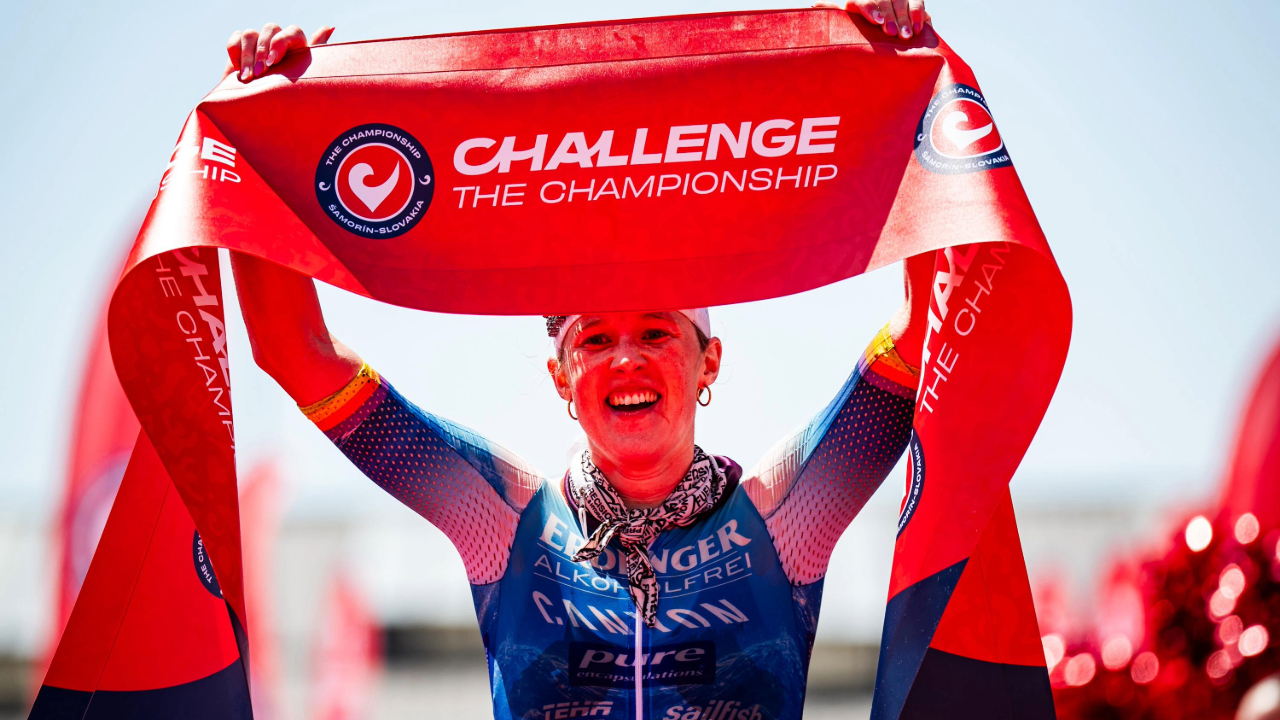


Triathlon success is often associated with physical fitness. Athletes spend countless hours improving their swim technique, building cycling power, and increasing running endurance. However, when athletes of similar fitness levels compete, the difference is often mental rather than physical. The best-performing triathletes are not always the strongest, fastest, or most talented athletes. They are often the athletes who consistently make good decisions under pressure, adapt to challenges, and maintain focus when things do not go according to plan.
A strong mindset helps triathletes:
- Handle adversity
- Execute race plans
- Manage discomfort
- Stay motivated
- Recover from setbacks
- Perform consistently

The goal is not developing a perfect mentality. The goal is building mental habits that support performance across training and racing. This becomes increasingly important in endurance events where mental resilience may be tested for hours at a time.
Focus on Controllable Factors
One of the most effective mental habits in triathlon is focusing on what can actually be controlled.
Athletes cannot control:
- Weather
- Competitors
- Course conditions
- Race-day surprises
They can control:
- Preparation
- Nutrition
- Effort
- Attitude
- Decision-making
Athletes who constantly worry about uncontrollable factors often waste valuable mental energy. Those improving through pacing mistakes in a triathlon often perform better because they learn to adapt rather than complain when conditions become difficult.
Embrace Process Over Outcome
Many triathletes become obsessed with:
- Podium finishes
- Qualification standards
- Personal bests
- Rankings
While goals can be motivating, performance is usually improved by focusing on the process. The process includes:
- Consistent training
- Good recovery
- Smart pacing
- Effective fueling
Athletes who focus exclusively on outcomes often become frustrated when results are not immediate. Process-oriented athletes tend to perform more consistently because their confidence comes from preparation rather than external validation.
Accept Discomfort as Part of the Sport
Triathlon is challenging by nature.
During races, athletes may experience:
- Fatigue
- Muscle soreness
- Heat
- Cold
- Self-doubt
The best performers do not expect races to feel easy. Instead, they accept discomfort as a normal part of endurance sport. Athletes improving through what causes jelly legs after bike to run transition in a triathlon often discover that understanding discomfort helps reduce fear when challenging sensations appear during racing. Discomfort is not always a sign that something is wrong.
Stay Flexible When Plans Change
No race unfolds perfectly. Unexpected situations may include:
- Equipment problems
- Nutrition issues
- Rough water
- Strong winds
- Missed pacing targets
Athletes with rigid expectations often struggle when plans change. Athletes who adapt quickly typically perform better because they focus on solutions rather than frustration. Flexibility is one of the most valuable mental skills in triathlon.
Build Confidence Through Preparation
True confidence is rarely created through positive thinking alone.
It is built through:
- Training
- Repetition
- Experience
- Preparation
When athletes know they have prepared properly, confidence often follows naturally. Athletes preparing through aerobic endurance workouts that every triathlete should know frequently develop confidence because they understand they have completed the work necessary to support race-day performance. Preparation creates trust.
Learn From Setbacks
Every triathlete experiences:
- Bad races
- Poor workouts
- Missed goals
- Injuries
The difference between successful athletes and struggling athletes is often how they respond. Athletes who view setbacks as learning opportunities tend to recover faster and improve more consistently. Those improving through how to overcome an early-season setback in triathlon training often recognise that temporary challenges do not define long-term success.
Setbacks are information, not failure.
Avoid Comparing Yourself to Other Athletes
Comparison is one of the quickest ways to damage confidence.
Every athlete has:
- Different genetics
- Different experience
- Different schedules
- Different strengths
Constantly comparing training numbers or race results often creates unnecessary stress.
Successful triathletes focus primarily on:
- Personal progress
- Personal goals
- Personal improvement
The most important competition is often the athlete you were last season.
Trust Your Race Plan
Many athletes abandon their race strategy the moment competition begins.
This often leads to:
- Overpacing
- Poor nutrition
- Excess fatigue
The strongest performers trust the plan they developed during training. Athletes improving through how to pace a triathlon properly often perform more consistently because they resist the temptation to chase early excitement or other competitors.
Patience is a competitive advantage.
Stay Present
Long races can become mentally overwhelming when athletes focus too far ahead.
Instead of thinking about:
- The finish line
- Remaining distance
- Future discomfort
focus on:
- The current kilometre
- The next aid station
- The next stroke
- The next pedal revolution
Breaking races into smaller segments often improves focus and reduces anxiety.
Use Challenges as Opportunities
Mental resilience often improves when athletes change how they interpret difficult situations.
For example:
- Strong winds become an opportunity to stay disciplined.
- Heat becomes an opportunity to pace intelligently.
- Fatigue becomes an opportunity to demonstrate resilience.
Athletes who adopt this perspective often remain calmer under pressure. Those improving through how can mental strategies improve triathlon performance frequently learn that mindset influences how challenges are experienced.
Maintain Perspective
Triathlon is important, but it is not everything.
Athletes who tie their entire identity to performance often experience:
- Excess pressure
- Anxiety
- Burnout
Maintaining perspective helps:
- Reduce stress
- Improve enjoyment
- Support long-term consistency
The healthiest athletes often perform well because their self-worth is not entirely dependent on race outcomes.
Be Patient With Progress
Endurance development takes time. Many athletes become discouraged because improvements occur more slowly than expected. Athletes who understand how to become an efficient triathlete often remain patient because they recognise that fitness develops gradually through repeated exposure to training stress. Patience allows consistency.
Consistency allows improvement.
Focus on Execution Instead of Emotion
Race-day emotions can fluctuate dramatically.
Athletes may feel:
- Excited
- Nervous
- Confident
- Doubtful
Successful performers focus on executing key actions regardless of how they feel.
These actions include:
- Maintaining pace
- Following nutrition plans
- Staying technically efficient
Feelings change constantly. Execution is what drives performance.
Protect Motivation Over the Long Term
The best triathletes think beyond a single race. They develop habits that allow them to:
- Stay healthy
- Stay engaged
- Enjoy training
Athletes improving through how to avoid blowing up a triathlon often focus on sustainability because long-term progress requires long-term motivation. Motivation is easier to maintain when training remains enjoyable.
Confidence Comes From Recovery Too
Many athletes think confidence only comes from hard training. In reality, confidence is also built through:
- Sleep
- Recovery
- Good health
- Consistent routines
Athletes who understand 7 out of 10 ideal effort workouts often avoid burnout and maintain stronger confidence because they arrive at key sessions physically and mentally prepared. Recovery supports mindset as much as fitness.
Develop Self-Awareness
The best triathletes understand themselves.
They know:
- Their strengths
- Their weaknesses
- Their pacing tendencies
- Their recovery needs
Self-awareness allows athletes to make smarter decisions during both training and racing. Those improving through structuring triathlon race strategy from beginning to finish often gain additional insight into how their body responds to different stressors and recovery strategies.
Knowledge creates confidence.
Common Mindset Mistakes in Triathlon
Many athletes limit performance through avoidable habits.
Common mistakes include:
- Comparing themselves constantly
- Focusing on uncontrollable factors
- Expecting perfect races
- Fear of discomfort
- Ignoring setbacks
- Chasing short-term results
- Overreacting to bad workouts
- Losing perspective
Most mental challenges improve through awareness and practice.
Practical Ways to Build a Stronger Triathlon Mindset
Triathletes can improve mental performance by:
- Focusing on controllable factors
- Trusting preparation
- Accepting discomfort
- Staying adaptable
- Learning from setbacks
- Following race plans
- Maintaining perspective
- Prioritising consistency
The best triathlon mindset is not about being fearless or endlessly positive. It is about staying focused, adaptable, and committed to making good decisions regardless of what happens during training or racing.