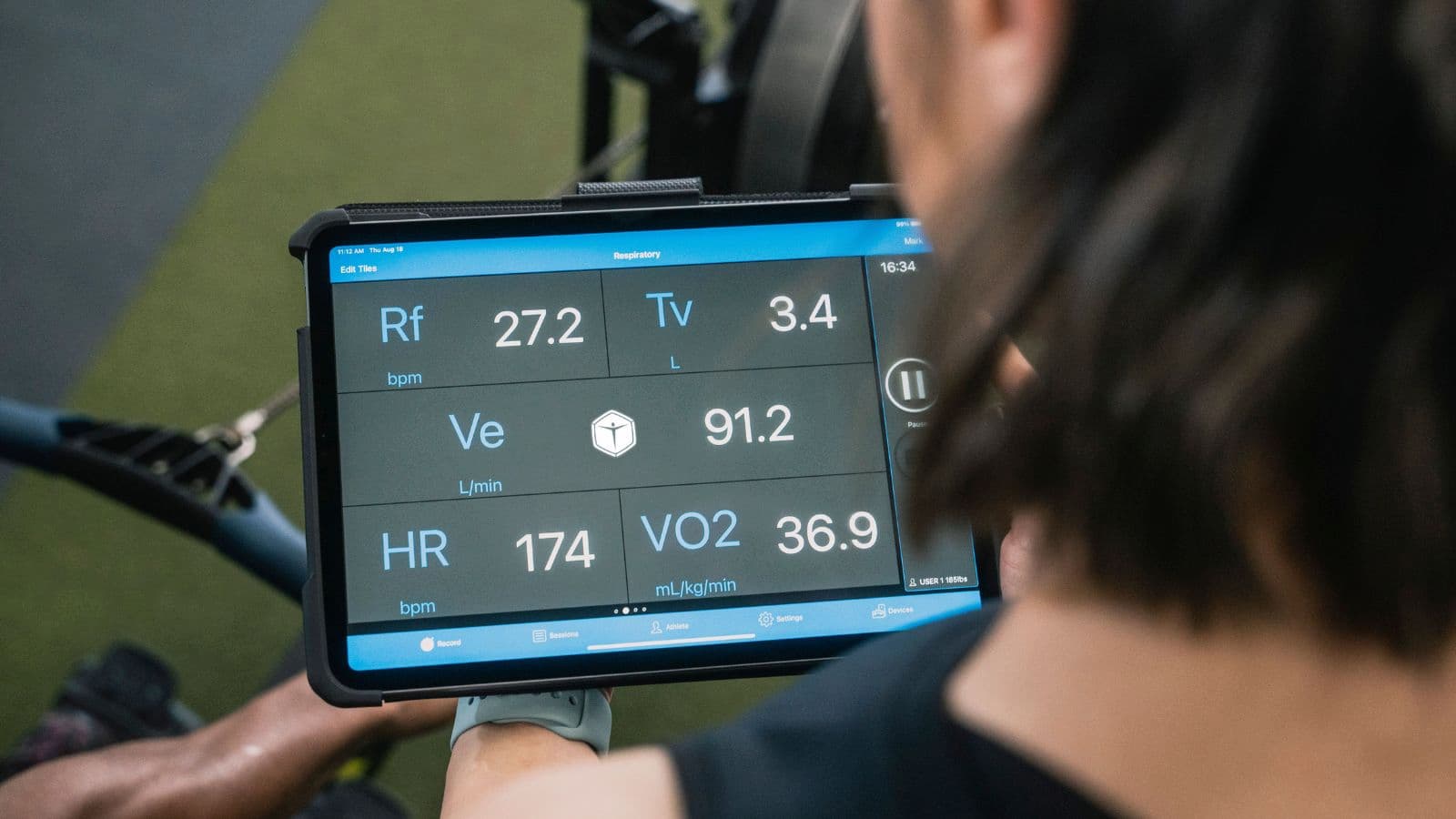


Modern triathlon has become a sport of numbers. Today’s athletes can track almost every aspect of their training through devices and apps that provide information on:
- Heart rate
- Power output
- Pace
- Cadence
- Sleep
- Recovery scores
- Heart rate variability (HRV)
- Glucose levels
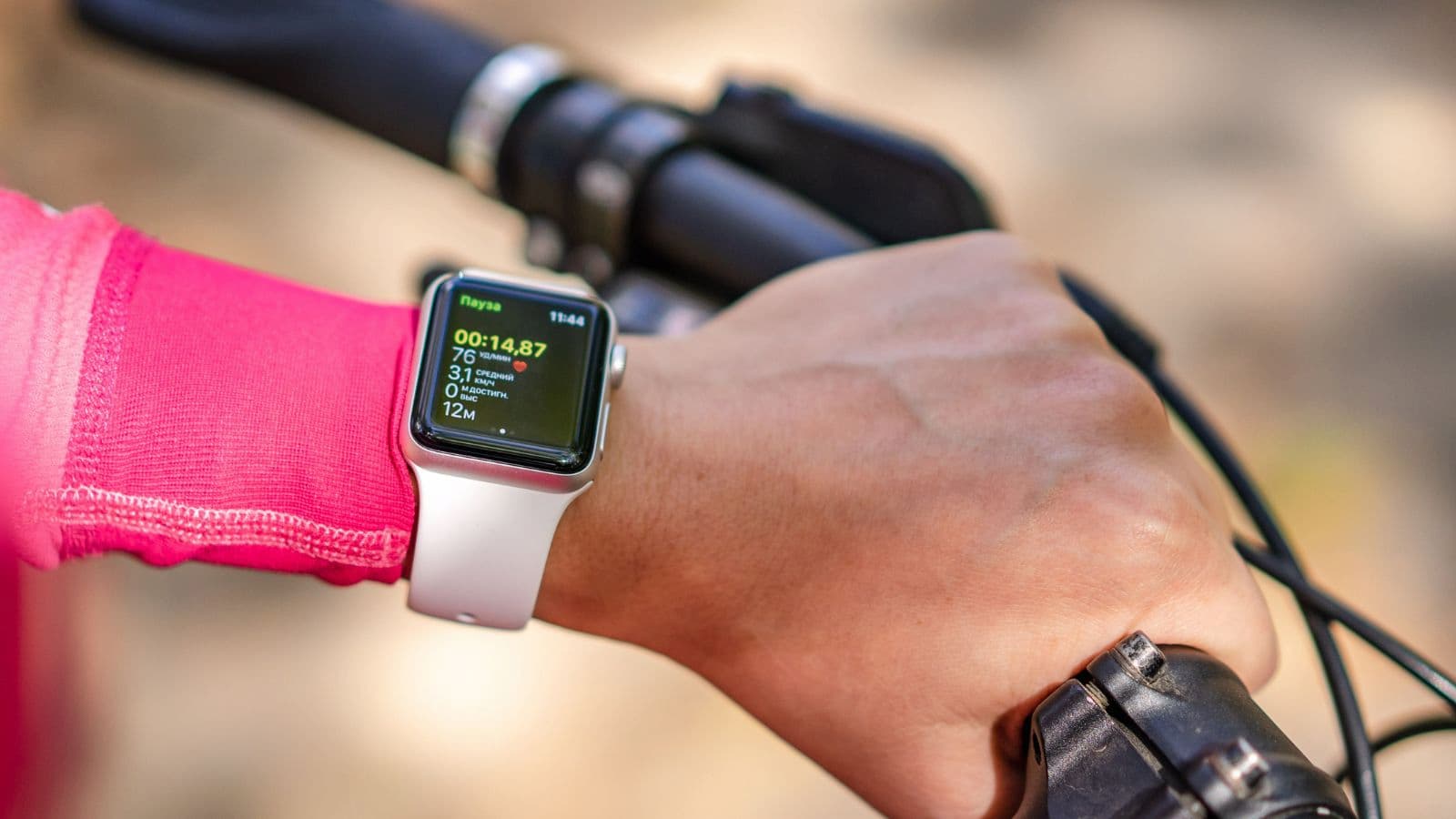
This technology has undoubtedly improved the way triathletes train. Athletes now have access to insights that were once available only to elite performers and sports scientists. However, as training technology becomes increasingly sophisticated, an important question emerges: are triathletes beginning to rely too heavily on data? While data can be a powerful tool, it is still only a tool. The most successful triathletes often combine objective metrics with subjective feedback, experience, and common sense rather than allowing numbers to dictate every training decision.
The Rise of Data-Driven Training
A generation ago, many triathletes trained primarily using:
- Perceived effort
- Basic timing devices
- Training logs
Today, athletes can monitor almost every workout in real time.
Devices provide instant feedback on:
- Pace
- Power
- Heart rate
- Recovery status
Athletes who understand how does glucose monitoring affect training and recovery in a triathlon know that modern technology can provide valuable insights into how the body responds to training stress.
The challenge is learning how to use that information effectively.
Data Has Improved Triathlon Training
There is no question that training metrics have benefits.
Data can help athletes:
- Monitor progress
- Structure workouts
- Avoid excessive intensity
- Track fitness trends
- Manage pacing
Athletes who focus on how to increase cycling power without burning out often use data to identify appropriate training loads and avoid common mistakes.
Used correctly, metrics can support better decision-making.
The Problem Begins When Data Replaces Awareness
One potential downside of constant monitoring is that athletes may stop listening to their bodies.
Instead of asking:
- How do I feel today?
- How well have I recovered?
- Am I motivated to train?
some athletes immediately look at:
- Recovery scores
- Readiness metrics
- Device recommendations
Athletes who understand what mindset helps triathletes perform at their best often recognise that self-awareness remains one of the most important performance skills.
Technology should inform decisions, not replace personal judgement.
Numbers Do Not Tell the Entire Story
Training data provides information, but it does not always provide context.
For example:
- Poor sleep scores may not mean poor performance
- Low HRV may not guarantee fatigue
- A missed power target may not indicate declining fitness
Athletes who understand what strategies should triathletes follow for a better recovery know that recovery is influenced by many factors that are difficult to fully capture through a device.
Human performance is complex.
Data Can Create Unnecessary Anxiety
Many triathletes begin every day by checking:
- Sleep scores
- Recovery metrics
- Training readiness indicators
While these tools can be useful, they can also create anxiety.
Athletes sometimes:
- Feel tired because a device says they should
- Question their fitness unnecessarily
- Lose confidence after seeing poor scores
Athletes who understand do you lose brain fitness during a break from triathlon training often appreciate that confidence plays a major role in performance.
Sometimes the psychological impact of data matters as much as the data itself.
Power Meters Changed Cycling Forever
Few technologies have transformed endurance sports more than power meters.
Power data allows athletes to:
- Pace races accurately
- Measure workload
- Structure workouts
Athletes who focus on how to improve cycling power without burning out often use power metrics extremely effectively. However, even power data has limitations. Environmental conditions, fatigue, and race dynamics still require interpretation.
Numbers never tell the whole story.
Recovery Scores Are Estimates
Recovery algorithms have become increasingly popular.
These systems attempt to estimate readiness based on:
- HRV
- Sleep
- Activity levels
- Physiological trends
While useful, these scores remain estimates. Athletes who understand how should triathletes use sauna training safely often appreciate that recovery is influenced by many factors that algorithms cannot fully measure.
A score should start a conversation, not end it.
Experience Still Matters
Elite athletes often possess a strong ability to interpret their bodies.
They know:
- When to push
- When to recover
- When something feels wrong
Athletes who understand how can triathletes stay on track after missing a workout often recognise that long-term success depends on adaptability rather than perfect adherence to numbers.
Experience remains valuable.
Racing Is Not a Spreadsheet
Training data is collected in controlled environments.
Races are different.
On race day, athletes must deal with:
- Weather
- Competition
- Terrain
- Equipment issues
- Nutrition challenges
Athletes who understand how to handle sudden weather changes during a triathlon race know that successful racing often requires flexibility.
Numbers can guide strategy, but they cannot predict every scenario.
Some Athletes Ignore Warning Signs
Ironically, excessive trust in data can sometimes cause athletes to ignore obvious signals.
Examples include:
- Persistent soreness
- Illness symptoms
- Mental fatigue
- Loss of motivation
Because their metrics appear normal, athletes may continue training when rest would be more appropriate. Athletes who understand how can triathletes treat shin splints often know that early intervention usually prevents larger problems.
Listening to the body still matters.
The Best Athletes Use Both Data and Feel
The most effective approach is rarely choosing one or the other.
Instead, successful triathletes combine:
- Objective metrics
- Subjective feedback
- Coaching guidance
- Experience
Athletes who understand how can working professionals train for a 70.3 triathlon often appreciate that real-world constraints sometimes require flexibility beyond what a training platform recommends.
Context matters.
Technology Can Improve Confidence
Data is not inherently problematic.
In many cases it helps athletes:
- Confirm progress
- Validate training decisions
- Build confidence
Athletes who understand how to train for your first 70.3 triathlon in 20 weeks often find reassurance in seeing measurable improvements over time.
The goal is using data as a tool rather than becoming dependent on it.
Signs You May Be Over-Relying on Data
Some athletes may be relying too heavily on metrics if they:
- Refuse to train without devices
- Ignore how they feel
- Constantly check recovery scores
- Panic over minor fluctuations
- Lose confidence when numbers look poor
- Obsess over every metric
- Avoid training by perceived effort
- Trust devices more than experience
Technology should support performance, not control it.
Finding the Right Balance
Triathletes can use data effectively by:
- Monitoring trends rather than daily fluctuations
- Combining metrics with perceived effort
- Paying attention to recovery signals
- Avoiding obsessive tracking
- Remaining flexible
- Using technology as a guide
- Developing self-awareness
- Trusting experience
The future of triathlon will almost certainly involve even more data than it does today. The athletes who benefit most will not be those who collect the most information, but those who learn how to interpret it wisely.