
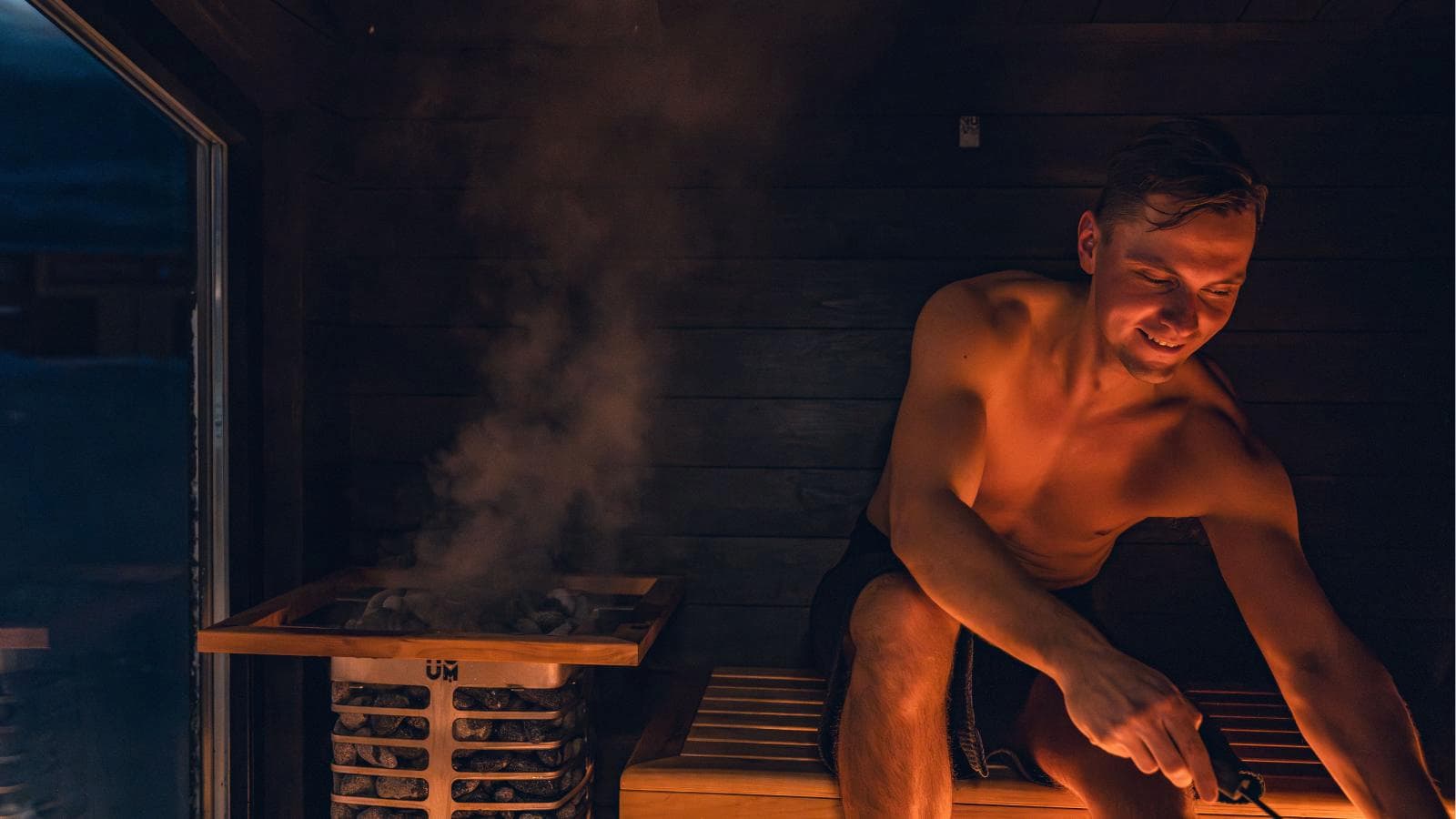
Sauna training has become increasingly popular among endurance athletes, including triathletes. Once viewed primarily as a recovery tool, saunas are now commonly incorporated into training programmes to help athletes adapt to heat, improve recovery habits, and prepare for challenging race conditions.
Research suggests sauna use may support:
- Heat adaptation
- Cardiovascular efficiency
- Plasma volume expansion
- Recovery
- Mental resilience
However, more is not always better.
When used incorrectly, sauna training can contribute to:
- Dehydration
- Excess fatigue
- Poor recovery
- Reduced workout quality
For triathletes, the goal is not sitting in extreme heat for as long as possible. The goal is using sauna sessions strategically to complement training and support long-term performance.
Why Do Triathletes Use Sauna Training?
The primary purpose of sauna training is exposing the body to controlled heat stress.
This encourages adaptations that may help athletes:
- Cope with hot race conditions
- Improve thermoregulation
- Increase blood plasma volume
- Become more comfortable exercising in heat
Athletes preparing for races in warm climates often use sauna sessions as part of a broader race-preparation strategy.
Those who understand how to handle sudden weather changes during a triathlon race often appreciate how environmental adaptation can improve both confidence and performance.
Start Gradually
One of the most common mistakes athletes make is trying to spend too much time in the sauna immediately.
Like endurance training, heat adaptation works best when exposure increases gradually.
Beginners should start with:
- Short sessions
- Moderate heat exposure
- Conservative progression
A session lasting 10–15 minutes is often enough initially.
Athletes who approach sauna training gradually tend to adapt more effectively while reducing unnecessary risks.
Hydration Comes First
Heat exposure increases sweating, which means fluid losses can become substantial.
Athletes should pay close attention to:
- Hydration before the sauna
- Hydration afterward
- Electrolyte replacement
Athletes who understand how to avoid rehydration mistakes after a triathlon often manage sauna training more effectively because they prioritise replacing both fluids and electrolytes after significant sweat loss.
Never enter a sauna already dehydrated.
Use Sauna Sessions After Training
Many endurance athletes schedule sauna sessions immediately after workouts.
This approach allows them to:
- Complete quality training first
- Add heat exposure afterward
- Separate performance goals from heat stress
Athletes who follow what strategies should triathletes follow for a better recovery often integrate sauna use into broader recovery routines that include nutrition, hydration, and sleep.
Saunas should support training rather than compromise it.
Don’t Replace Training With Heat Exposure
Sauna sessions can be beneficial, but they do not replace:
- Swimming
- Cycling
- Running
Fitness still comes from consistent training. Athletes who regularly perform aerobic endurance workouts that every triathlete should know understand that endurance adaptations are primarily developed through structured exercise.
Heat exposure is a supplement, not a substitute.
Pay Attention to Recovery Signals
Every athlete responds differently to heat.
Warning signs that sauna use may be excessive include:
- Persistent fatigue
- Poor sleep
- Elevated resting heart rate
- Reduced workout quality
- Ongoing soreness
Athletes who recognise what are the signs that you need a recovery week in triathlon are often better at identifying when additional stress is becoming counterproductive.
Adaptation requires recovery.
Replace Electrolytes Properly
Sweat contains important minerals such as:
- Sodium
- Potassium
- Magnesium
Repeated sauna use may increase electrolyte requirements. Athletes should consider replacing electrolytes following longer or more frequent sessions.
This becomes particularly important during periods of heavy training.
Heat Adaptation Can Improve Race Readiness
One reason triathletes use sauna training is to prepare for hot-weather events.
Repeated heat exposure may help the body:
- Sweat more efficiently
- Cool itself more effectively
- Maintain performance in warm conditions
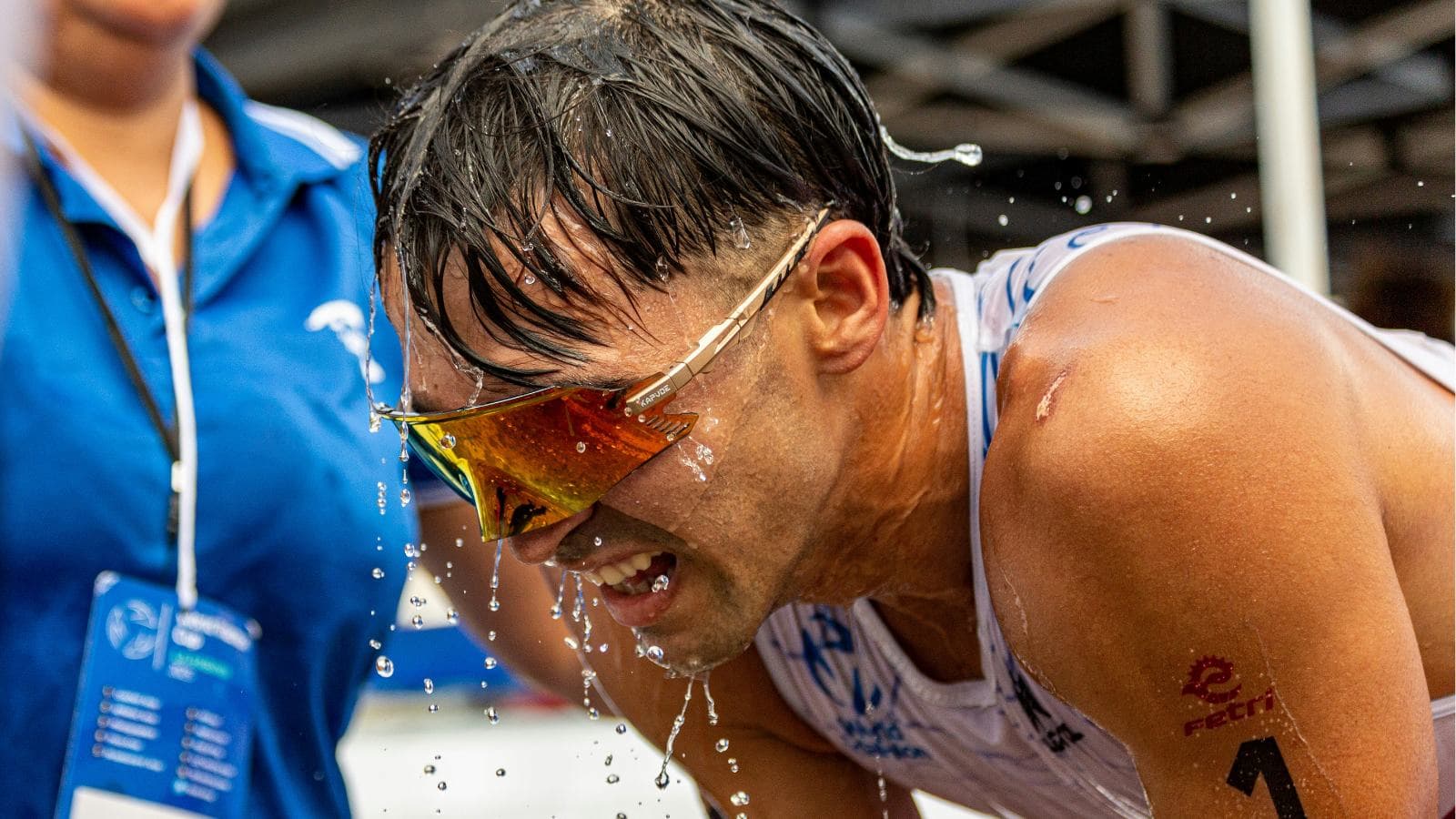
Athletes preparing through how to stay on track after missing a workout often benefit from considering race-day conditions well before the event itself. Heat adaptation is one aspect of race-specific preparation.
Sleep Is Essential
The body adapts to heat stress during recovery. Without adequate sleep, many of the potential benefits of sauna training may be reduced. Athletes who understand how much sleep do triathletes need to recover often experience better overall adaptation because they support recovery both inside and outside training.
Heat exposure should complement recovery, not interfere with it.
Sauna Training Builds Mental Resilience
Heat can be uncomfortable. Learning to remain calm and composed during controlled discomfort may help athletes become more confident during difficult races. This does not mean treating the sauna as a test of toughness.
Instead, it provides an opportunity to:
- Practise patience
- Manage discomfort
- Improve self-awareness
Athletes who focus on what mindset helps triathletes perform at their best often understand that resilience is developed gradually through controlled challenges.
Avoid Combining Too Many Stressors
Triathletes sometimes underestimate total training stress.
Examples include:
- Hard intervals
- Long rides
- Poor sleep
- Work stress
- Sauna sessions
all occurring within a short timeframe. The body responds to total stress, not individual stressors in isolation.
Athletes should monitor how they feel rather than assuming more adaptation always comes from adding more workload.
Use Extra Caution After Long Races
After major races, the temptation to use a sauna for recovery can be strong.
However, athletes should be cautious if they are already:
- Dehydrated
- Exhausted
- Recovering from significant heat exposure
Athletes who focus on how to recover faster after a triathlon generally prioritise restoring hydration and energy balance before adding additional heat stress.
Recovery should always take priority.
Sauna Training Is Not for Every Session
Heat exposure can be useful, but it does not need to occur daily.
Many athletes benefit from:
- Periodic sauna blocks
- Race-specific preparation phases
- Strategic use during colder months
Consistency matters more than excessive frequency.
The best results often come from sustainable habits rather than extreme approaches.
Monitor Individual Response
Every athlete responds differently based on:
- Fitness level
- Body size
- Sweat rate
- Heat tolerance
- Training load
Athletes should track:
- Recovery quality
- Sleep
- Energy levels
- Workout performance
Those who understand how does glucose monitoring affect training and recovery in a triathlon often appreciate the value of monitoring physiological responses rather than relying solely on assumptions.
Individual feedback matters.
Avoid Treating Sauna Use as a Competition
One of the biggest mistakes athletes make is comparing:
- Duration
- Temperature
- Tolerance
with others. Heat adaptation is highly individual. The objective is not staying in the sauna longer than everyone else. The objective is gaining useful adaptations while remaining healthy and recovered.
Common Sauna Training Mistakes
Many triathletes create problems by:
- Staying in too long
- Ignoring hydration
- Neglecting electrolytes
- Using the sauna before key workouts
- Progressing too quickly
- Ignoring fatigue
- Replacing training with heat exposure
- Comparing themselves to others
Most sauna-related issues are avoidable with proper planning.
Practical Guidelines for Safe Sauna Use
Triathletes can use sauna training more effectively by:
- Starting conservatively
- Staying hydrated
- Replacing electrolytes
- Using sessions after workouts
- Monitoring recovery
- Prioritising sleep
- Progressing gradually
- Matching sauna use to race goals
When used intelligently, sauna training can be a valuable addition to a triathlon programme. The athletes who benefit most are usually those who view heat exposure as another training tool, not a shortcut, and not a challenge to survive.