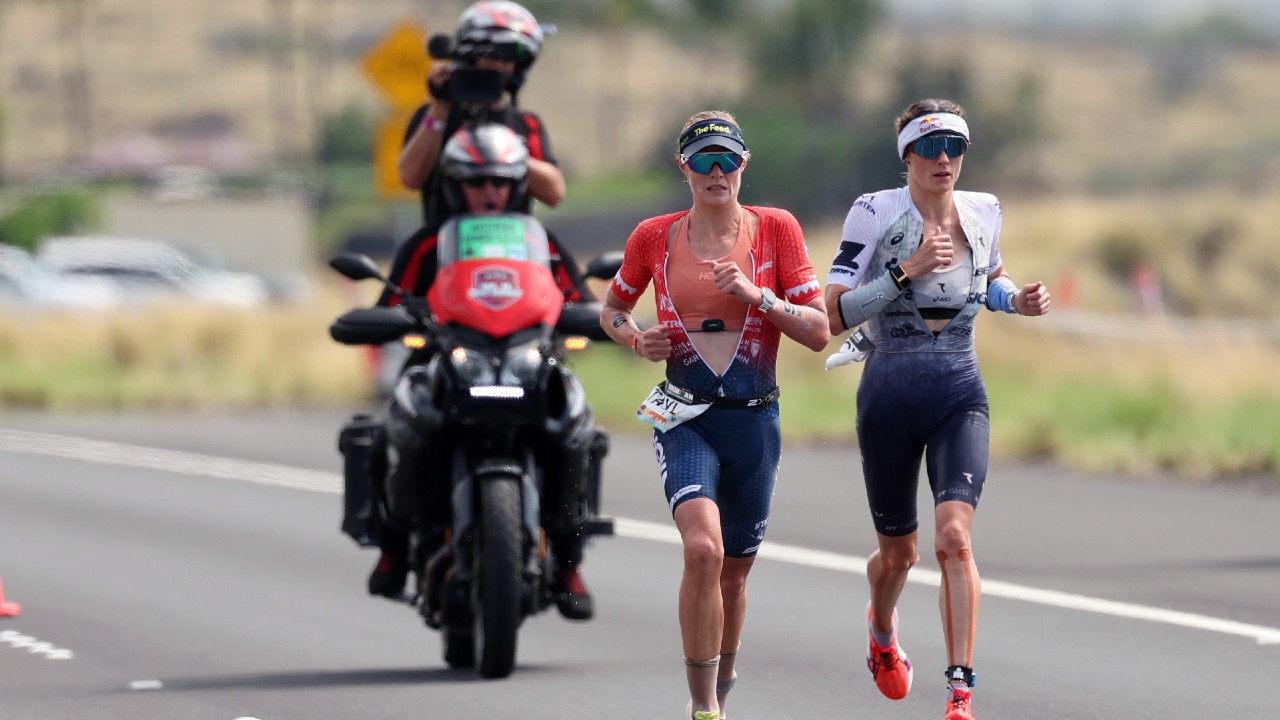

Triathletes should generally spend most of their training time at an easy or moderate aerobic effort, with a smaller amount devoted to genuinely hard work. This approach allows you to build endurance across swimming, cycling, and running without making every session difficult to recover from. Hard training still matters. Intervals, threshold work, hills, and race specific sessions can improve speed, power, and your ability to sustain demanding efforts, but their value depends on being sufficiently recovered to perform them properly. The challenge in triathlon is that you are training three disciplines. A hard swim, difficult bike workout, and demanding run all contribute to your overall training load even when they appear separately on your schedule. A good balance therefore considers the entire week rather than each sport in isolation. Keep easy sessions controlled, give hard workouts a specific purpose, avoid stacking demanding sessions unnecessarily, and adjust the workload when fatigue starts affecting training quality.

In Short
- Complete most training at controlled intensity.
- Give every hard workout a purpose.
- Count stress across all three disciplines.
- Keep easy days genuinely easy.
- Avoid making every session moderate.
- Separate demanding workouts where possible.
- Prioritize quality over extra intensity.
- Increase training load progressively.
- Adjust intensity when recovery declines.
- Use race distance to guide specificity.
Why Easy Training Matters?
Easy training allows triathletes to accumulate aerobic work without creating the same fatigue as repeated high intensity sessions.
It can help develop:
- Aerobic endurance.
- Training consistency.
- Movement efficiency.
- Fatigue resistance.
- Recovery between harder sessions.
Easy does not mean useless. The principles behind what is zone 2 training in triathlon help explain why controlled aerobic work can form an important part of endurance development without requiring every session to feel demanding.
The Purpose of Hard Training
Hard sessions provide a stronger training stimulus.
Depending on the workout, they may target:
- VO2 max.
- Lactate threshold.
- Cycling power.
- Running speed.
- Race specific intensity.
- High intensity tolerance.
The important point is that intensity should have a reason. Adding hard work simply because an easy session feels too slow can increase fatigue without improving the structure of your training. Understanding what is lactate threshold in triathlon can help you distinguish targeted threshold training from simply making normal sessions harder.
Avoid the Moderate Intensity Trap
One common problem is completing too much training at an effort that is neither properly easy nor intentionally hard. These sessions may feel productive because you are always working. But repeated moderate efforts can leave you too tired to perform high quality hard sessions while also creating more fatigue than easy aerobic training.
Ask yourself before a workout:
- What is today’s purpose?
- How hard should it feel?
- What am I recovering from?
- What comes tomorrow?
If there is no clear reason to push, staying controlled may be the better choice.
Balance All Three Sports Together
Triathletes should not plan swim, bike, and run intensity independently.
For example:
- Hard run Tuesday.
- Hard bike Wednesday.
- Hard swim Thursday.
On paper, each discipline has only one demanding session. For your body, however, you have completed three consecutive days of harder training. Using how to combine swim, bike and run training effectively can help you organize the three sports as one training program rather than three separate schedules.
How Many Hard Sessions Do You Need?
There is no universal number.
The appropriate amount depends on:
- Training experience.
- Weekly volume.
- Race distance.
- Current fitness.
- Recovery.
- Injury history.
- Available time.
A lower volume athlete may tolerate a different intensity distribution from someone training many hours each week. Beginners generally benefit from establishing consistency before adding large amounts of demanding work.
Keep Easy Runs Controlled
Running creates substantial repetitive impact, so unnecessary intensity can become particularly costly. Easy runs should usually feel conversational and controlled.
Do not speed up because:
- Your watch shows a slow pace.
- Another runner passes you.
- Your legs initially feel fresh.
- You want a better average pace.
The goal is to support endurance without turning every run into a test. What is zone 2 running in a triathlon provides a useful framework for understanding controlled aerobic run intensity.
Use Hard Running Carefully
Hard running may include:
- Intervals.
- Hills.
- Tempo work.
- Threshold sessions.
- Race pace training.
These workouts can be valuable, but adding too many can increase fatigue and reduce the quality of later sessions. Running intensity should also reflect your injury history and current mileage. Following how to increase running speed without overtraining can help you introduce faster work without treating every run as an opportunity to push.
Easy Cycling Builds Volume Efficiently
Cycling allows many triathletes to accumulate aerobic training with less impact than running.
Easy rides can be used for:
- Aerobic development.
- Additional training volume.
- Recovery.
- Technique.
- Endurance.
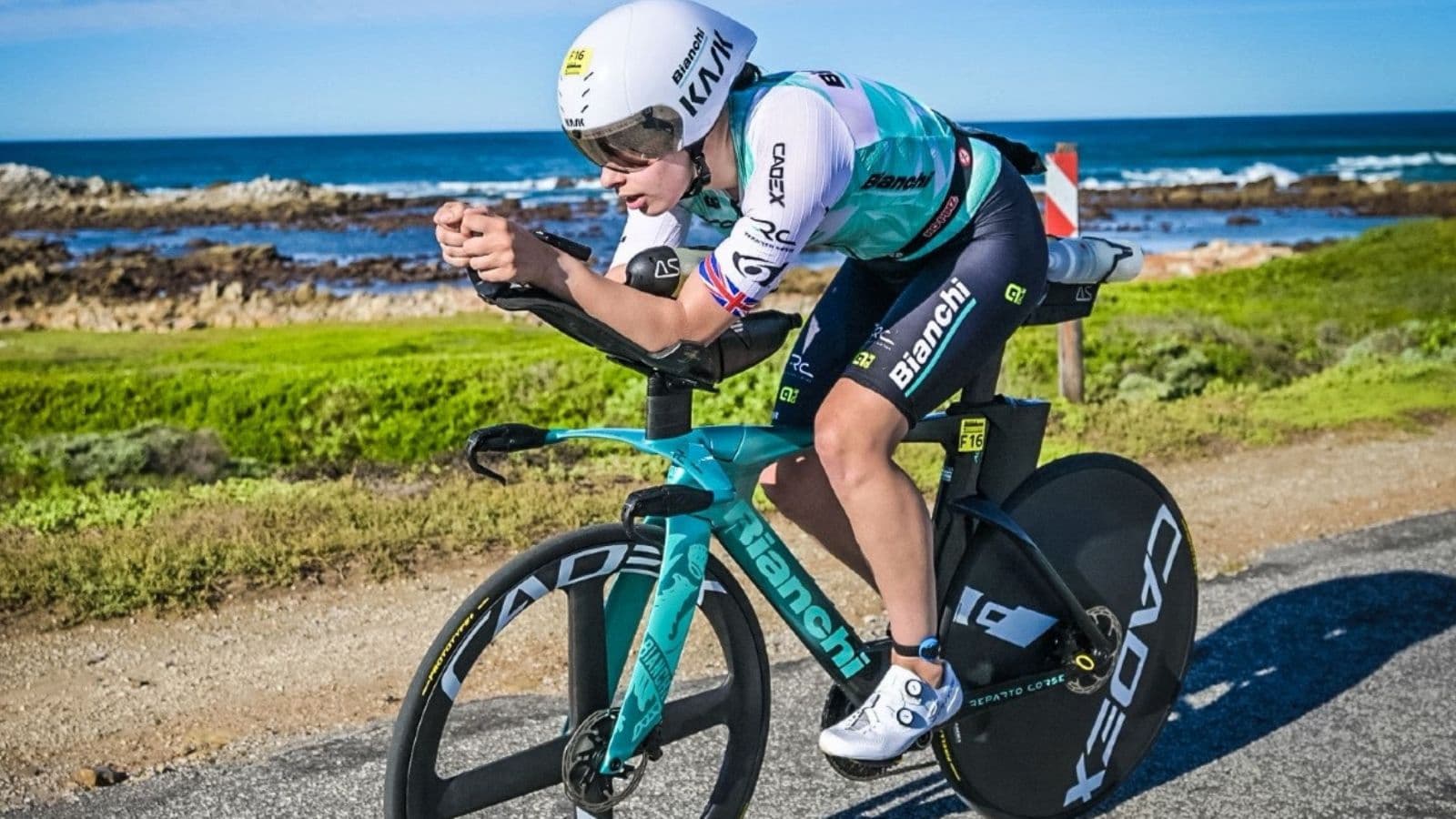
But easy cycling still contributes to total workload. A three hour easy ride is not the same recovery demand as 30 minutes of gentle spinning.
Duration matters alongside intensity.
Hard Bike Sessions Need Structure
Cycling is well suited to structured intensity because:
- Power
- Heart rate
- Cadence
- Perceived effort
can help control the session.
Hard bike workouts might include:
- Threshold intervals.
- VO2 max intervals.
- Hills.
- Race specific efforts.
- Short high intensity repetitions.
For athletes targeting cycling development, how can interval training improve triathlon cycling speed explains how structured intervals can provide a focused stimulus without requiring every ride to become hard.
Swimming Intensity Works Differently
Swimming creates less impact than running, but hard swim sessions still produce fatigue.
A swim week may include:
- Easy aerobic swimming.
- Technique work.
- Threshold sets.
- Short fast repetitions.
- Race specific efforts.
Technique should remain a priority. Swimming harder with deteriorating mechanics may reinforce inefficient movement rather than produce the intended result. Pool drills to improve triathlon swim technique can be useful alongside harder swimming so increased effort does not come at the expense of efficient movement.
Separate Key Sessions
Whenever your schedule allows, avoid grouping all your hardest workouts together. You might place easier training or recovery between major sessions.
For example:
- Monday: easy swim.
- Tuesday: hard bike.
- Wednesday: easy run.
- Thursday: hard swim.
- Friday: easy bike.
- Saturday: long ride.
- Sunday: long run.
This is only an example.
The correct structure depends on your goals and training history.
Hard Days Can Include More Than One Discipline
Some experienced triathletes deliberately group stress. A harder bike followed by a controlled brick run can make sense when the combination has a specific race preparation purpose. This can also leave another day genuinely easy. But adding intensity to both disciplines automatically is unnecessary. A brick session should answer a training need rather than simply make the day more difficult. What is a brick workout in triathlon explains how combined sessions fit into triathlon preparation.
Long Training Is Not Automatically Easy
Intensity is only one source of fatigue. Duration also matters. A long ride performed at an easy intensity may still require significant recovery because of the time spent exercising. Likewise, a long run can create substantial muscular fatigue even when your heart rate remains controlled.
When reviewing your week, consider:
- Intensity.
- Duration.
- Frequency.
- Terrain.
- Total volume.
Do not classify every low intensity workout as low stress.
Race Distance Changes the Balance
A sprint triathlete and an Ironman athlete are preparing for different demands. Shorter races generally involve higher race intensities. Long course athletes need substantial endurance and the ability to maintain controlled output for much longer. Training should therefore become specific to the event. How should bike workouts change for different triathlon distances shows how cycling sessions can be adjusted according to the demands of the race rather than using the same intensity structure for every distance.
Recovery Determines How Much Intensity You Can Handle
A training plan only works if you can recover from it.
Watch for patterns such as:
- Persistent heavy legs.
- Declining workout quality.
- Unusual irritability.
- Poor sleep.
- Loss of motivation.
- Easy sessions becoming difficult.
- Repeated soreness.
One difficult day does not automatically mean you are training too hard. Repeated deterioration deserves attention. Using how can heart rate help detect overtraining can provide another piece of information when assessing how your body is responding to accumulated workload.
Adjust the Plan When Necessary
Training intensity should not be fixed regardless of circumstances.
Reduce or move harder sessions when:
- You are ill.
- Sleep has been poor.
- Soreness is unusual.
- Fatigue is accumulating.
- Pain is developing.
- Life stress is unusually high.
Skipping one interval session will not destroy your fitness.
Repeatedly forcing hard training when recovery is poor can be far more disruptive.
Common Mistakes
- Making easy sessions too hard.
- Adding intensity without a purpose.
- Ignoring total training volume.
- Planning each discipline separately.
- Stacking too many hard days.
- Treating long sessions as recovery.
- Copying an elite athlete’s schedule.
- Ignoring deteriorating workout quality.
- Increasing volume and intensity together.
Practical Tips
- Define the purpose of every hard session.
- Keep easy sessions conversational.
- Review the whole training week.
- Separate key workouts when possible.
- Count long sessions as meaningful stress.
- Adjust for poor recovery.
- Build intensity progressively.
- Keep swim technique controlled.
- Prioritize consistency over exhaustion.
Actionable Takeaways
- Make most training sustainable.
- Use hard sessions selectively.
- Balance stress across all three sports.
- Reduce intensity when recovery consistently declines.
The broader principle behind why are slower training sessions important for triathletes is simple: easier work gives you room to accumulate useful training while preserving the ability to perform demanding sessions when they actually matter.