

Lactate threshold is the intensity at which lactate begins to accumulate in the blood faster than it can be cleared. In triathlon, it defines the highest effort you can sustain for a prolonged period without rapidly fatiguing. It is one of the most important performance markers because it directly determines your sustainable race pace.

What Lactate Threshold Actually Means?
During exercise, your body produces lactate as a byproduct of energy production. At low to moderate intensity, lactate is cleared efficiently.
As intensity increases, production rises. At a certain point, your lactate threshold, clearance can no longer keep up. This leads to rapid fatigue and a drop in performance if intensity is not reduced.
This threshold represents the balance point between sustainable and unsustainable effort.
Why Lactate Threshold Matters in Triathlon?
- Most triathlon racing happens close to lactate threshold, especially on the bike and run.
- In sprint and Olympic distances, you operate near or slightly above it.
- In longer races like half Ironman and Ironman, you stay just below it to maintain pace without fatigue accumulation.
- Improving lactate threshold allows you to go faster at the same effort level.
- This means better pacing, more efficiency, and stronger finishes.
Lactate Threshold vs VO2 Max
Lactate threshold and VO2 max are often confused but serve different roles.
- VO2 max is your maximum aerobic capacity, your ceiling.
- Lactate threshold is how much of that capacity you can sustain.
- A higher VO2 max increases potential, but lactate threshold determines usable performance.
This relationship is key when understanding what is VO2 max and how it influences endurance performance across triathlon disciplines.

Lactate Threshold and Zone Two Training
Lactate threshold sits above Zone two intensity. Zone two focuses on aerobic efficiency and fat metabolism, while threshold training focuses on sustaining higher intensities. Building a strong aerobic base through Zone two improves how efficiently you can operate below threshold.
This is why structured endurance training matters, especially when applying what is zone 2 training in triathlon within a long-term training plan.
How Lactate Threshold Affects Each Discipline?
Lactate threshold impacts all three disciplines differently.
- In swimming, it determines how long you can hold race pace without slowing.
- On the bike, it defines sustainable power output over time.
- On the run, it directly influences pace, especially in the final stages of the race.
Across all disciplines, it controls how efficiently you manage fatigue.
How to Measure Lactate Threshold?
Common methods include:
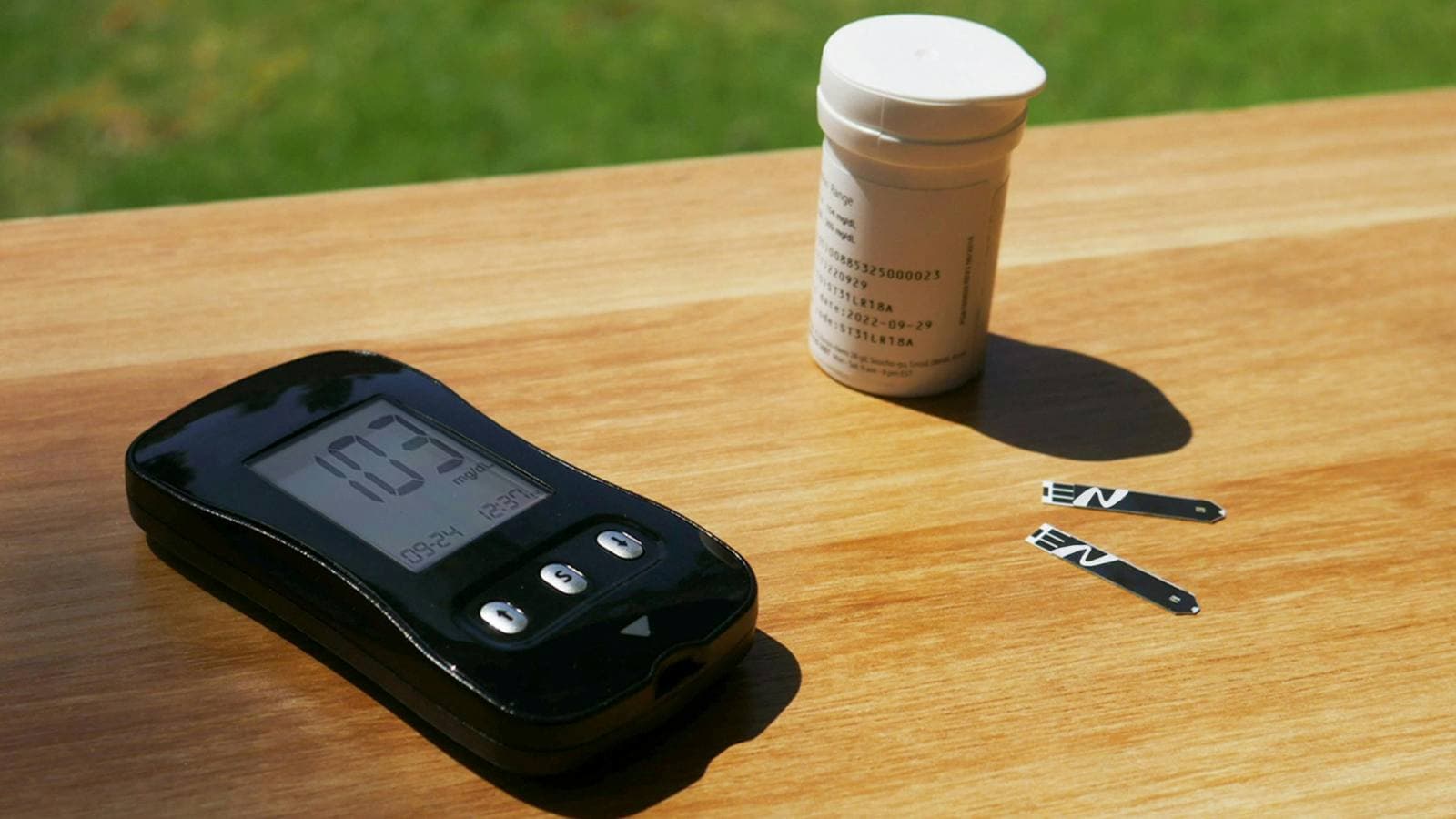
- Lactate threshold can be measured in a lab through blood testing, but it can also be estimated through field tests.
- Time trials or sustained efforts where pace or power can be maintained consistently for a set duration.
- Heart rate and perceived effort are also useful indicators.
- It typically feels “comfortably hard” a pace you can hold with focus but not ease.
How to Improve Lactate Threshold?
Lactate threshold improves through specific, sustained efforts at or near threshold intensity. These sessions train the body to clear lactate more efficiently and sustain higher output.
Examples include:
- Steady efforts at threshold pace
- Longer intervals with short recovery
- Progressive sessions that build intensity
Consistency is more important than intensity spikes.
Where Threshold Fits in Training?
- Threshold training sits between easy endurance work and high-intensity intervals.
- It should be included once or twice per week depending on training load.
- Too much threshold work leads to fatigue. Too little limits performance.
- It works best when supported by a strong aerobic base and complemented by higher-intensity sessions.
Common Mistakes
- Training too hard turns threshold sessions into ineffective high-intensity workouts.
- Training too easy fails to stimulate adaptation.
- Ignoring aerobic base limits threshold improvement.
- Not tracking effort leads to inconsistent sessions.
- Overusing threshold training increases fatigue and reduces recovery.
Practical Checklist
- Identify your threshold pace or power
- Include one to two threshold sessions per week
- Keep effort controlled and consistent
- Combine with easy and high-intensity training
- Track progress over time
What You Should Do?
- Start by identifying your current threshold through a controlled test or race effort.
- Introduce structured threshold sessions gradually into your training.
- Focus on consistency and execution rather than pushing beyond your limits.
- Balance threshold work with easy runs and high-intensity intervals to maximise adaptation.
- Lactate threshold is one of the most trainable performance markers. Improving it has a direct impact on race results.