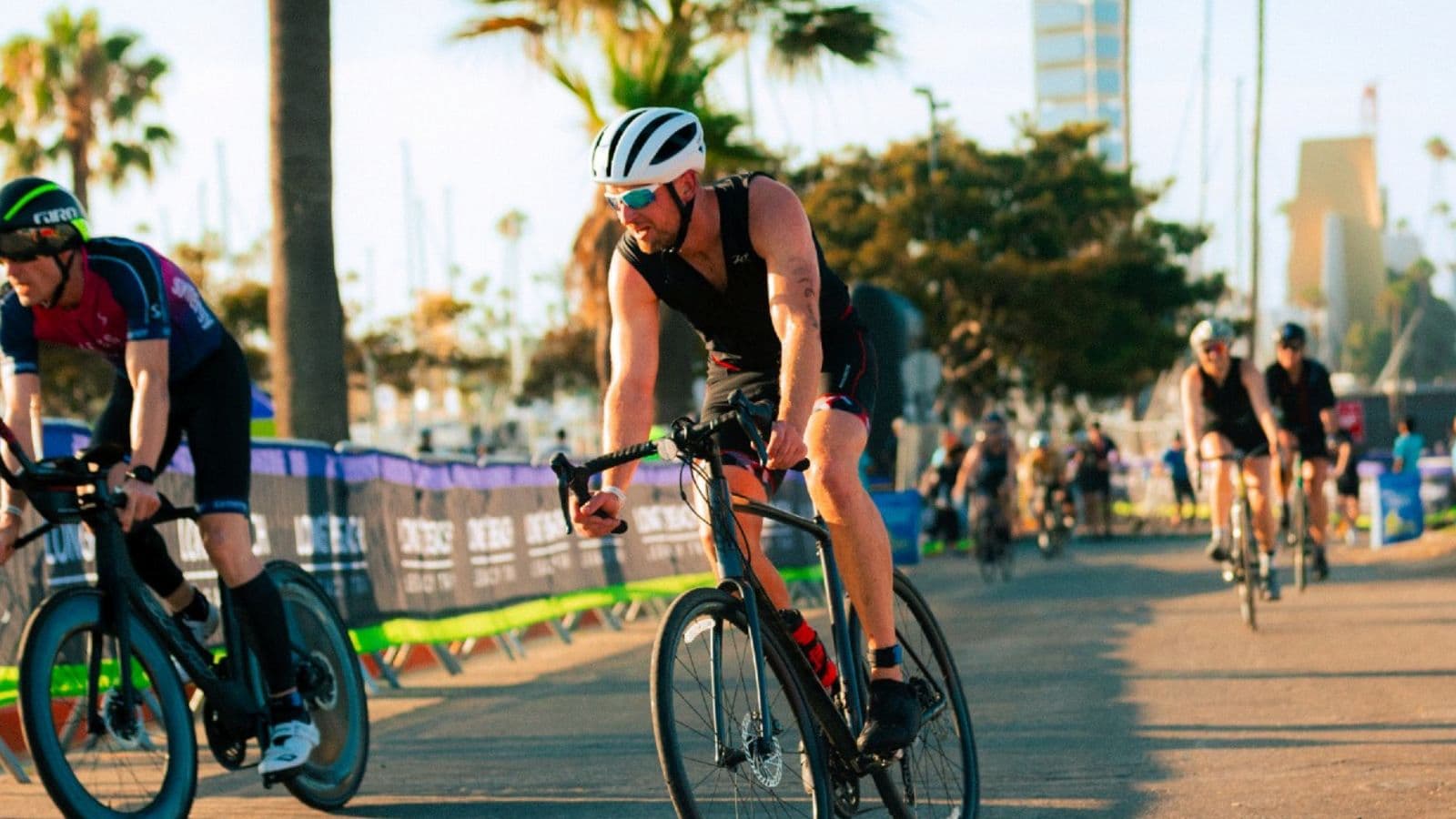


Bike workouts should change as triathlon distance increases because the physical demands of the bike leg change. A sprint triathlon rewards the ability to ride strongly for a relatively short period, while an Ironman requires controlled power, aerobic endurance, fueling, and the ability to arrive at T2 with enough energy to run a marathon. This does not mean every workout has to copy race day. Triathletes still need a mixture of easy endurance, harder intervals, recovery, technique, and race specific sessions. The main difference is how much emphasis each type of workout receives. Short course athletes usually spend more time developing higher power and tolerance to harder efforts. Long course athletes need greater durability, steady pacing, and confidence riding for several hours without allowing intensity to drift too high.
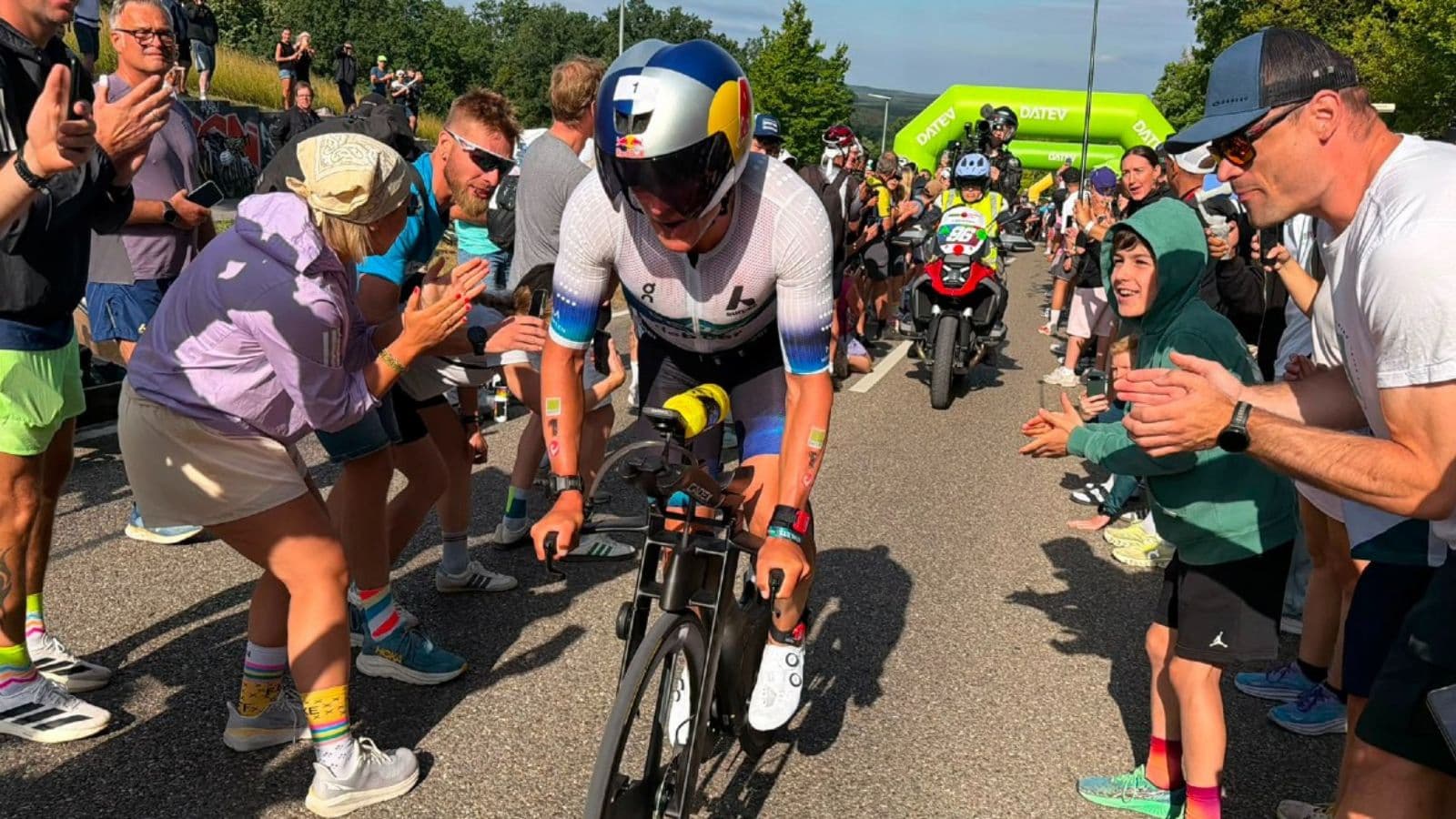
In Short
- Sprint training includes more higher intensity work.
- Olympic distance still requires speed but adds more endurance.
- 70.3 training emphasizes sustained race effort.
- Ironman training places greater importance on aerobic endurance.
- Long course athletes need more fueling practice.
- Brick sessions become increasingly important.
- Race pace workouts should match expected event demands.
Build General Cycling Fitness First
Before training becomes highly race specific, triathletes need a basic level of cycling fitness.
That foundation usually includes:
- Easy aerobic riding.
- Longer steady sessions.
- Technique work.
- Controlled intervals.
- Recovery riding.
- Gradual increases in training load.
Understanding how do you build an aerobic base for triathlon cycling is important because endurance supports every race distance, including sprint triathlon. A stronger aerobic system helps you recover between harder efforts and maintain more consistent power. Even athletes preparing for short races should not make every session intense.
Sprint Triathlon Bike Training
Sprint triathlons usually involve a relatively short bike leg, so riders can sustain a higher percentage of their maximum effort than they could during longer events.
Useful sessions can include:
- Short intervals.
- Threshold intervals.
- High cadence efforts.
- Short hill repeats.
- Race pace blocks.
- Short brick sessions.
Knowing how can interval training improve triathlon cycling speed helps explain why controlled hard efforts are particularly valuable for sprint athletes. The goal is not simply to suffer. The effort should remain controlled enough that the athlete can complete each interval with good technique.
Olympic Distance Training
Olympic distance racing sits between short and long course demands. Athletes need enough power to ride strongly for around 40 kilometers, but they must also avoid arriving at the run with excessive fatigue.
Training should combine:
- Aerobic endurance.
- Threshold work.
- Tempo riding.
- Race pace efforts.
- Shorter intervals.
- Brick sessions.
The balance shifts slightly toward endurance compared with sprint training. Longer blocks around race effort become more useful because the athlete needs to maintain strong, steady power rather than repeatedly producing short bursts. Understanding what is ftp in triathlon cycling can also help riders use power based training zones more effectively when planning threshold and race specific sessions.
70.3 Training Requires Sustainable Power
The bike leg of a 70.3 is long enough that pacing mistakes can become costly. Riding too hard early may leave an athlete unable to maintain power later and can severely affect the half marathon.
Useful sessions may include:
- Long aerobic rides.
- Extended tempo blocks.
- Sweet spot intervals.
- Race pace efforts.
- Longer brick sessions.
- Fueling practice.
Learning how does sweet spot training improve cycling can be useful because this type of training develops the ability to sustain moderately hard power without the fatigue associated with repeated maximal efforts. Longer intervals also teach athletes how to remain aero and focused while maintaining consistent output.
Ironman Training Prioritizes Durability
Ironman bike training is less about producing the highest possible short term power and more about maintaining efficient output for several hours. Durability becomes a major priority.
Ironman athletes need to be comfortable with:
- Long rides.
- Steady aerobic effort.
- Extended race pace work.
- Long periods in the aero position.
- Regular fueling.
- Hydration.
- Pacing discipline.
- Running after long bike sessions.
Training which cycling workouts help you ride faster in an ironman should emphasize repeatable, sustainable work rather than excessive intensity. The goal is not to finish the bike leg feeling completely empty. A successful Ironman bike leg should leave enough physical and mental energy for the marathon.
Longer Distance Does Not Mean Every Ride Must Be Long
One common mistake is assuming Ironman preparation requires constant very long rides.
Shorter sessions can still improve:
- Threshold power.
- Cadence.
- Aerobic fitness.
- Technique.
- Muscular endurance.
Even a time limited athlete can make progress with structured indoor sessions.
The key is combining these workouts with enough longer riding to prepare the body for race duration.
Race Pace Work Becomes More Important
As race day approaches, workouts should increasingly resemble the demands of the event. This does not mean completing the full race distance every weekend. Instead, include blocks at expected race intensity.
For example:
- Sprint: several shorter hard race pace intervals.
- Olympic: longer sustained blocks.
- 70.3: extended moderate race effort.
- Ironman: long controlled sections at sustainable race power.
This helps athletes learn what the correct effort feels like.
It also prevents one of the biggest race mistakes: riding too hard because fresh legs make the opening kilometers feel easy.
Pacing Changes With Distance
The longer the race, the more conservative bike pacing generally needs to become. A sprint athlete can tolerate a much harder relative effort. An Ironman athlete must think about the entire race. Understanding how can you bike smarter to improve your triathlon run is especially important because bike pacing directly affects the quality of the run leg. Riding a few minutes faster may be a poor trade if it creates a much larger slowdown during the run.
Good training teaches athletes to resist that temptation.
Brick Sessions for Different Distances
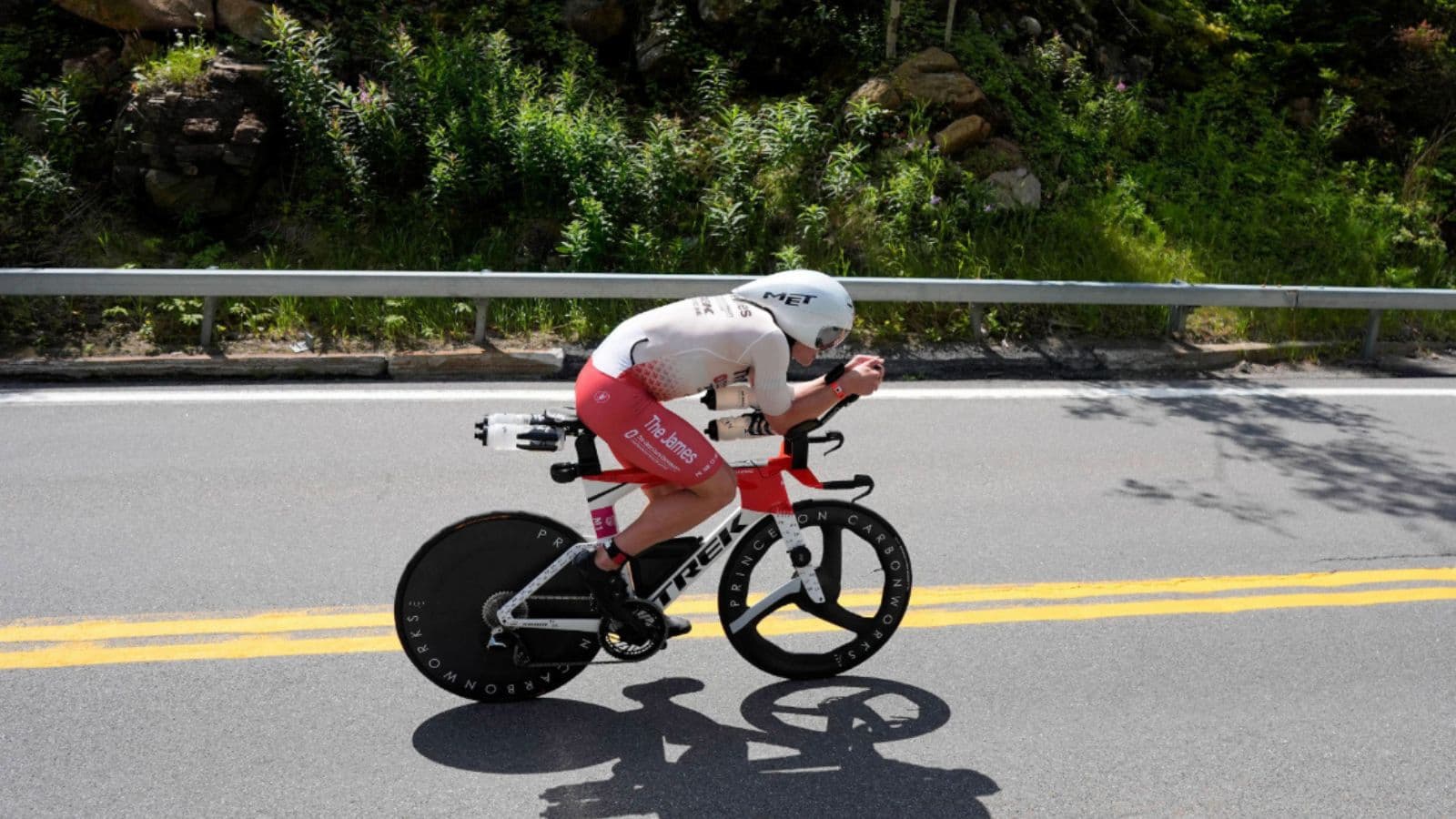
Brick training combines cycling and running. The purpose is to practice the transition between disciplines and learn how bike effort affects the run. For sprint and Olympic athletes, brick runs can be relatively short and may include some faster running. For long course athletes, bricks often focus more on control. A typical Ironman brick might involve a long ride followed by a short easy run rather than a long hard run.
The goal is to teach the body to transition efficiently without creating excessive recovery demands.
Fueling Changes as Races Get Longer
Fueling becomes increasingly important as bike duration increases.
- Sprint athletes may need relatively little intake during the bike depending on race duration and conditions.
- Olympic distance athletes may require more planned carbohydrate and fluid.
- For 70.3 and Ironman, fueling becomes part of the performance strategy.
Athletes should practice exactly what they intend to consume during training. Understanding how to fuel for a 2 hour cycling ride in a triathlon provides a useful starting point, but longer events require a more detailed plan. Do not wait until race day to discover that a drink or gel causes stomach problems.
Cadence Should Match the Event and Athlete
There is no universal perfect cadence. However, triathletes should learn to maintain a smooth and sustainable pedaling rhythm across different terrain. Understanding what is cycling cadence in a triathlon helps athletes use cadence as a tool rather than chasing one fixed number. Short course riders may need to respond more frequently to changes in speed and terrain. Long course riders usually benefit from minimizing unnecessary spikes in effort and keeping pedaling controlled.
The best cadence is one you can sustain efficiently without creating excessive muscular fatigue.
Aerodynamics Matter More Over Longer Events
Aerodynamics influence every triathlon, but the benefit becomes particularly important when riders spend several hours on the bike. Long course athletes therefore need to practice holding their race position. A position is only useful if it is sustainable. Include sections of longer rides where you remain in the aero position while maintaining race effort. If the position creates pain or forces you to sit up constantly, review how do you adjust your bike for a better fit before trying to become more aggressive.
Comfort and aerodynamics need to work together.
Hills and Terrain Should Influence Training
Race distance is not the only factor that shapes bike training. Course profile matters.
- A flat Ironman demands different preparation from a mountainous one.
- If your race includes sustained climbing, training should include longer climbs or indoor efforts that simulate them.
Knowing when should you climb seated vs standing on a bike helps athletes manage effort more efficiently across varying gradients. Technical courses may also require more cornering, descending, and handling practice. Train for the race you are actually entering.
Easy Riding Still Matters
Easy sessions remain valuable at every triathlon distance. They support aerobic development while creating much less fatigue than hard workouts. Slower riding can also be useful between demanding sessions. Understanding why are slower training sessions important for cycling training helps athletes avoid the mistake of turning every bike workout into a race. Hard sessions only work when athletes are recovered enough to perform them properly. Easy riding creates that space.
A Simple Weekly Focus by Distance
Training plans should be individualized, but the emphasis often changes like this:
Sprint
- More frequent higher intensity work.
- Short race pace intervals.
- Short bricks.
- Moderate endurance rides.
Olympic
- Mix of threshold and endurance.
- Longer race pace blocks.
- Moderate bricks.
- Regular aerobic rides.
70.3
- Longer aerobic sessions.
- Sustained race pace work.
- Sweet spot training.
- Fueling practice.
- Longer bricks.
Ironman
- High aerobic durability.
- Long rides.
- Extended controlled race pace.
- Frequent aero position practice.
- Detailed fueling.
- Conservative brick running.
Common Mistakes
- Training every race distance the same way.
- Making every bike session hard.
- Riding too hard during long course training.
- Ignoring race specific pacing.
- Neglecting fueling practice.
- Avoiding brick sessions.
- Increasing long ride duration too quickly.
- Ignoring terrain.
- Focusing only on bike speed instead of run performance.
Practical Tips
- Build endurance before adding large amounts of intensity.
- Match workouts to race duration.
- Include race pace sections.
- Practice fueling during long sessions.
- Use brick workouts regularly.
- Keep easy sessions easy.
- Reduce intensity if fatigue is accumulating.
Actionable Takeaways
Bike workouts should become increasingly focused on endurance and pacing as triathlon distance increases. Sprint athletes benefit from more higher intensity work, while Olympic athletes need a balance between power and endurance. 70.3 training emphasizes sustainable power, longer race pace efforts, and fueling. Ironman training places the greatest emphasis on aerobic durability, pacing discipline, nutrition, and arriving at T2 ready to run. Every distance still benefits from easy aerobic riding, technique, intervals, and recovery. The difference is the balance.
Build general fitness first, then make training progressively more specific to the duration, intensity, terrain, and fueling demands of your target race.