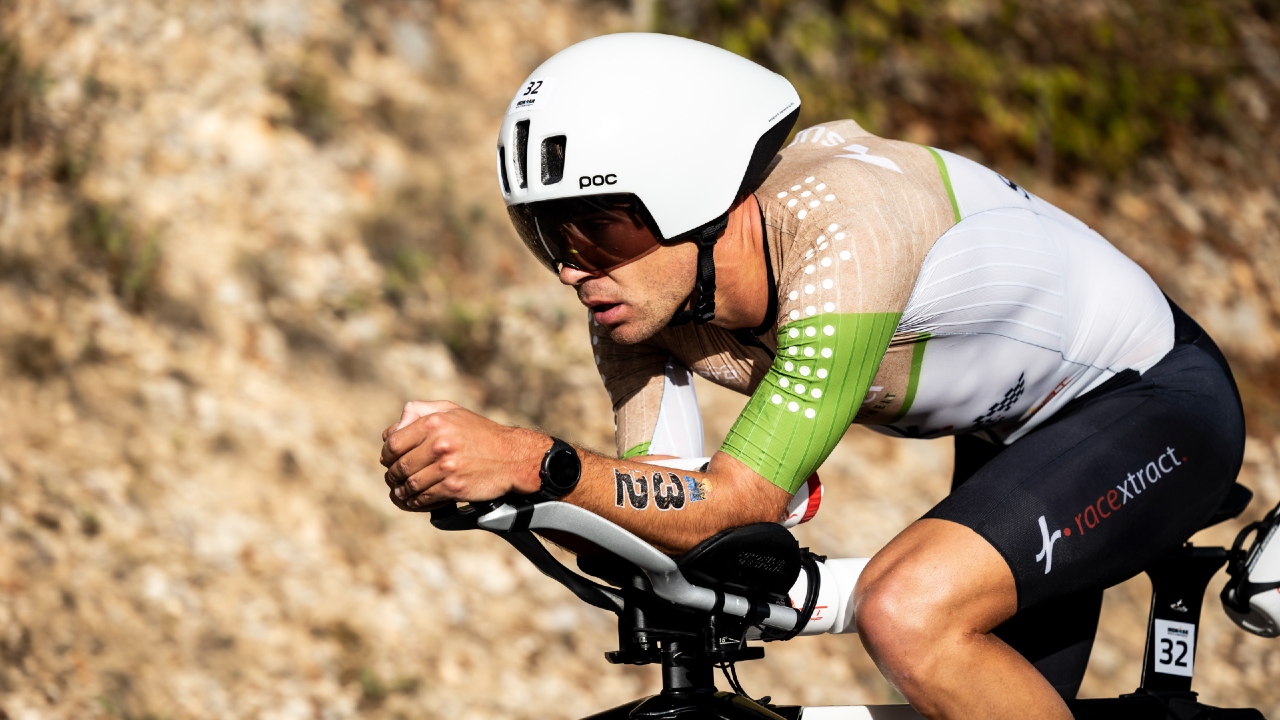


The Ironman bike leg is unlike most cycling events. Covering 180km (112 miles) requires more than raw speed, it demands endurance, efficient pacing, sustainable power and the ability to conserve enough energy for the marathon that follows. The cyclists who perform best aren’t always the strongest riders, but those who train specifically for the demands of long-course triathlon. The most effective Ironman cycling program combines long endurance rides, structured intervals, race-pace sessions and brick workouts. Together, these sessions improve your aerobic fitness, increase sustainable power and teach your body to ride efficiently for hours without compromising your run performance.

In Short
- Build aerobic endurance first.
- Prioritise long rides.
- Include threshold workouts.
- Practise Ironman race pace.
- Complete regular brick sessions.
Long Endurance Rides
Long rides form the foundation of Ironman bike training.
These sessions help improve:
- Aerobic endurance.
- Fat metabolism.
- Muscular endurance.
- Mental resilience.
Gradually increasing ride duration prepares both your body and mind for race day. Building endurance with how to build endurance for long cycling races develops the fitness needed to maintain a strong pace over 180km.
Ironman Race Pace Sessions
Not every ride should be easy or extremely hard.
Regular race-pace sessions teach you to:
- Hold steady power.
- Control your effort.
- Improve pacing.
- Build confidence.
Practising at your intended race intensity makes it easier to avoid starting too fast on race day. Learning how can heart rate zones improve triathlon cycling speed and fitness helps you identify the right intensity for these workouts.
Threshold Intervals
Threshold sessions improve the highest effort you can sustain comfortably.
Popular workouts include:
- 2 × 20 minutes.
- 3 × 15 minutes.
- 4 × 10 minutes.
These efforts increase sustainable power without producing excessive fatigue. Developing how to improve lactate threshold for triathlon cycling helps you ride faster while remaining efficient.
Sweet Spot Training
Sweet spot workouts combine moderate intensity with manageable fatigue.
Benefits include:
- Improved endurance.
- Increased Functional Threshold Power (FTP).
- Better muscular endurance.
- Faster recovery compared with harder intervals.
Including how does sweet spot training improve cycling allows you to accumulate valuable training time near race intensity.
Zone 2 Endurance Work
Most Ironman training should still occur at an easy aerobic effort.
Zone 2 riding improves:
- Aerobic efficiency.
- Fat utilisation.
- Recovery.
- Long-term endurance.
Understanding what is the difference between zone 2 and high intensity cycling in a triathlon helps you balance easier rides with harder sessions.
Brick Workouts
Cycling fitness alone isn’t enough. Brick workouts teach your body to transition smoothly from cycling to running.
A typical session might include:
- Long bike ride.
- Short transition.
- Easy or steady run.
Regular brick sessions reduce the heavy-leg sensation many triathletes experience after the bike. Practising strength training that cyclists should do to ride faster can also incorporate shorter bike-to-run transitions when time is limited.
Long Rides with Nutrition Practice
Ironman nutrition should be trained just like fitness.
Use long rides to practise:
- Carbohydrate intake.
- Hydration.
- Electrolytes.
- Race-day nutrition timing.
Following how to fuel for a 2 hour cycling ride in a triathlon provides useful principles that can then be expanded for longer Ironman sessions.
High Cadence Sessions
Pedalling at a higher cadence improves neuromuscular efficiency and smoothness.
Example workouts include:
- 5 × 3 minutes at 100–110 rpm.
- Fast cadence drills.
- Easy spinning between efforts.
Developing how to develop a smoother pedal stroke in triathlon cycling helps reduce muscular fatigue while improving overall efficiency during long rides.
Climbing Workouts
Most Ironman bike courses include rolling terrain or sustained climbs.
Hill sessions help improve:
- Strength endurance.
- Power production.
- Climbing confidence.
- Pacing discipline.
Alternate between seated and standing efforts depending on the gradient. Learning when should you climb seated vs standing on a bike helps you choose the most efficient technique throughout the course.
Recovery Rides Matter Too
Easy rides are just as important as harder workouts.
Recovery sessions:
- Increase blood flow.
- Reduce fatigue.
- Improve recovery.
- Prepare your body for quality training.
Skipping recovery often leads to accumulated fatigue that limits performance.
Improve Bike Handling
Saving time isn’t only about producing more power.
Confident bike handling allows you to:
- Descend more efficiently.
- Corner smoothly.
- Brake less.
- Maintain momentum.
Practising technical skills improves average speed while conserving valuable energy for the run.
Train Your Body to Ride While Fatigued
Ironman racing requires maintaining good technique even after several hours on the bike.
Occasionally include sessions such as:
- Long ride followed by intervals.
- Progressive endurance rides.
- Long brick workouts.
These workouts teach your body to produce steady power despite accumulated fatigue.
Monitor Your Progress
Track improvements by observing:
- Average power.
- Heart rate.
- Perceived effort.
- Recovery.
- Ride consistency.
Don’t expect every workout to produce a personal best.
Long-term trends matter far more than individual sessions.
Stay Consistent
One exceptional training week won’t prepare you for an Ironman.
Instead, focus on:
- Regular riding.
- Progressive overload.
- Structured recovery.
- Balanced swim and run training.
Following why is consistency more important than intensity for cycling success helps you develop the sustainable fitness needed for long-course racing.
Common Mistakes
- Riding every session too hard.
- Neglecting long endurance rides.
- Ignoring nutrition practice.
- Skipping brick workouts.
- Chasing FTP constantly.
- Poor pacing during training.
- Inadequate recovery.
- Forgetting bike handling skills.
Practical Tips
- Build endurance before intensity.
- Complete one long ride each week.
- Include threshold and sweet spot sessions.
- Practise Ironman race pace regularly.
- Fuel every long ride.
- Include brick workouts.
- Recover well between sessions.
- Train consistently throughout the season.
Actionable Takeaways
The fastest Ironman cyclists are rarely those who complete the hardest workouts, they’re the athletes who train consistently with sessions that match the demands of race day. Long endurance rides, race-pace intervals, threshold work and brick sessions all contribute to building sustainable speed over 180km.
Combine these workouts with smart pacing, effective nutrition and adequate recovery, and you’ll not only ride faster but also begin the marathon feeling stronger and better prepared.