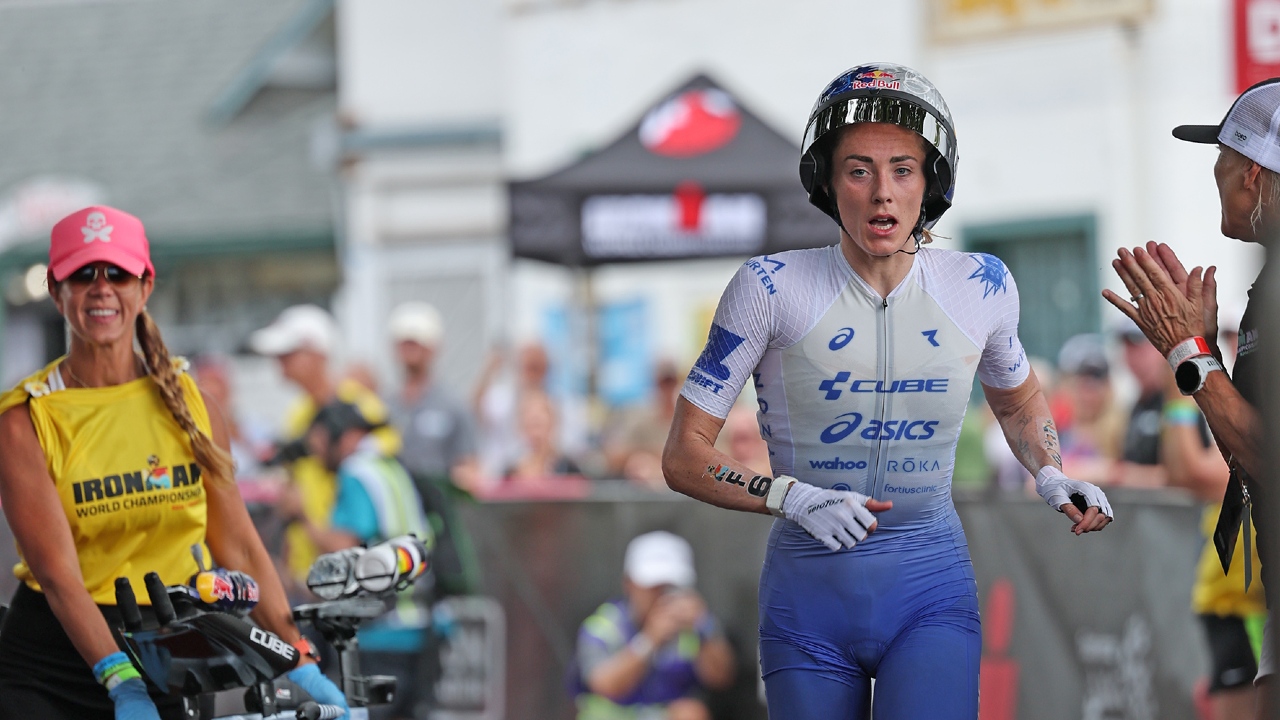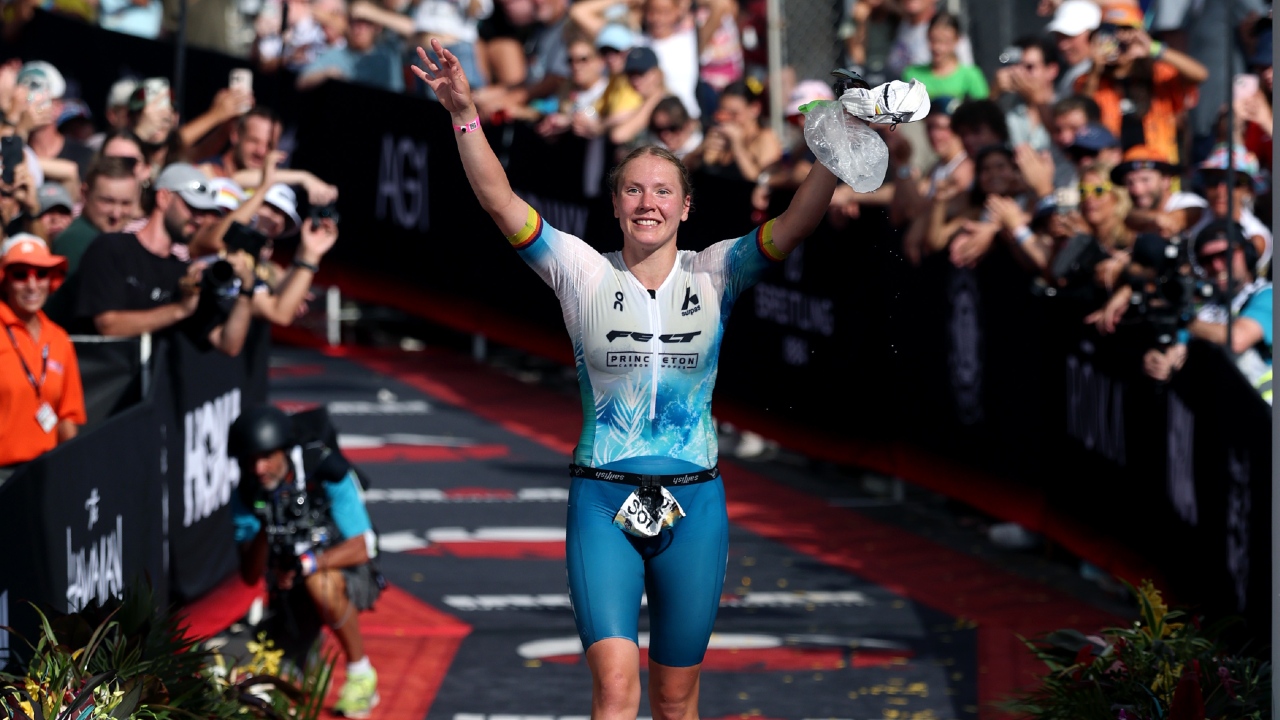


Lactate threshold is one of the most important performance markers for triathletes. It represents the highest intensity you can sustain before fatigue begins to build rapidly, making it a key determinant of cycling speed during Olympic-distance, middle-distance and long-course triathlons. A higher lactate threshold allows you to produce more power while remaining aerobic, helping you ride faster without compromising the run that follows. Instead of relying on short bursts of speed, improving your threshold enables you to maintain a stronger, more sustainable pace throughout the bike leg. Fortunately, lactate threshold is highly trainable. With structured workouts, consistent endurance training and adequate recovery, most triathletes can steadily raise the intensity they can sustain over time.
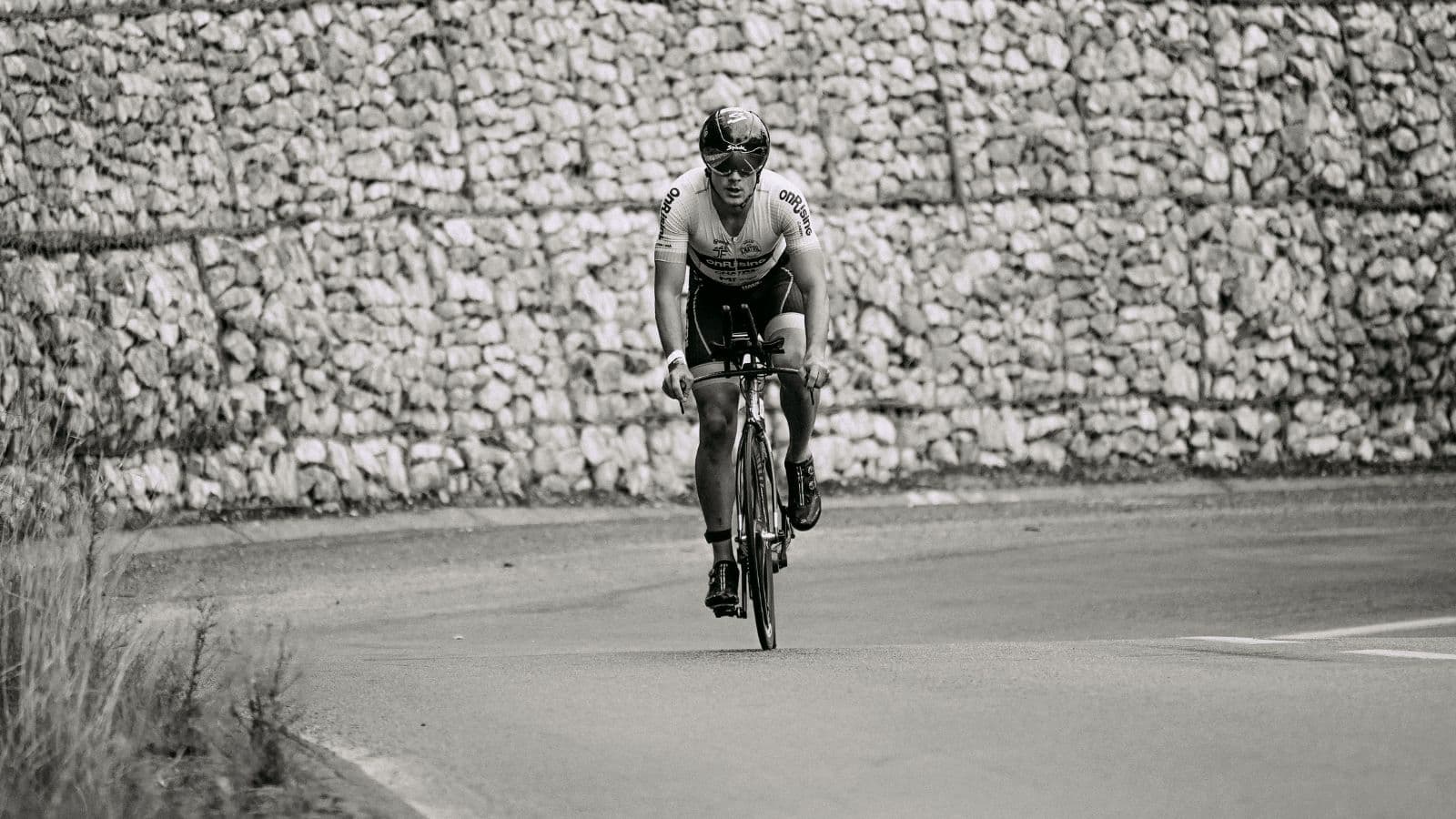
In Short
- Lactate threshold determines sustainable cycling intensity.
- Threshold training improves race pace.
- Consistency is more important than occasional hard sessions.
- Sweet spot and threshold intervals are highly effective.
- Aerobic fitness supports threshold improvements.
What Is Lactate Threshold?
Lactate threshold refers to the exercise intensity where lactate begins accumulating in the blood faster than your body can remove it.
Below this intensity:
- Fatigue develops gradually.
- Effort feels sustainable.
- You can maintain power for extended periods.
Above your threshold:
- Fatigue increases rapidly.
- Breathing becomes much harder.
- Sustainable power drops significantly.
Improving this threshold means you can ride faster before reaching that tipping point.
Why Lactate Threshold Matters in Triathlon?
Unlike short cycling races, triathlons require sustained effort while conserving enough energy for the run.
A higher lactate threshold helps you:
- Maintain faster average speeds.
- Delay fatigue.
- Improve cycling efficiency.
- Preserve energy for the run.
- Pace races more effectively.
Rather than producing higher peak power, you’ll increase the power you can sustain for long periods.
Build a Strong Aerobic Base
Threshold improvements begin with aerobic fitness.
Easy endurance rides:
- Increase mitochondrial density.
- Improve oxygen delivery.
- Enhance fat utilisation.
- Support recovery between harder sessions.
Without a strong aerobic foundation, threshold workouts become less effective. For endurance development, aerobic endurance workouts that every triathlete should know explains how aerobic fitness underpins long-term performance.
Include Threshold Intervals
Threshold intervals are one of the most effective workouts for raising sustainable power.
Examples include:
- 2 × 20 minutes near threshold.
- 3 × 12 minutes.
- 4 × 10 minutes.
Recover for several minutes between intervals while maintaining controlled effort throughout. These sessions teach your body to tolerate sustained high-intensity work.
Add Sweet Spot Training
Sweet spot training sits slightly below lactate threshold while providing a strong training stimulus with less fatigue.
Typical sessions include:
- 3 × 15 minutes.
- 2 × 30 minutes.
- 4 × 12 minutes.
Sweet spot training allows higher weekly training volume than repeated threshold sessions.
Increase Training Progressively
Avoid dramatically increasing intensity or volume.
Instead:
- Extend interval duration gradually.
- Add repetitions over time.
- Increase weekly training consistently.
- Include recovery weeks.
Steady progression reduces injury risk while supporting long-term adaptation. If you’re developing sustainable fitness, how to become a more efficient cyclist explains how gradual improvements produce lasting gains.
Ride at a Consistent Power
One of the biggest mistakes during threshold workouts is inconsistent pacing.
Aim to:
- Hold steady power.
- Avoid large surges.
- Finish intervals at similar intensity.
- Maintain controlled breathing.
Smooth pacing produces better physiological adaptations than erratic efforts.
Train With Purpose
Every threshold session should have a clear objective.
Focus on:
- Quality rather than quantity.
- Controlled execution.
- Good technique.
- Consistent cadence.
Avoid turning every hard ride into an all-out effort.
Monitor Heart Rate and Power
Power meters provide the most accurate measure of threshold training, but heart rate also offers valuable guidance.
Track:
- Average power.
- Heart rate response.
- Cadence.
- Perceived exertion.
- Recovery between intervals.
Monitoring progress helps ensure your training remains productive. Understanding what is the ideal cadence for long distance cycling helps you interpret this data effectively.
Don’t Neglect Cadence
Different cadence ranges provide different training benefits.
During threshold sessions:
- Maintain a comfortable cadence.
- Avoid excessively low cadences.
- Focus on smooth pedalling.
- Stay consistent throughout each interval.
For most triathletes, efficient cadence supports sustainable power production. To optimize your pedaling, how to get stronger on bike before race day explains how cadence influences endurance performance.
Fuel Hard Workouts Properly
Threshold sessions rely heavily on carbohydrate availability.
Before and during longer workouts:
- Eat sufficient carbohydrates.
- Stay hydrated.
- Replace electrolytes.
- Recover with protein afterwards.
Under-fuelling reduces workout quality and slows adaptation. For practical guidance, what you should eat after a hard cycling workout explains how recovery nutrition supports future performance.
Combine Threshold Training with Long Rides
Long endurance rides and threshold sessions complement one another.
Endurance rides improve:
- Aerobic capacity.
- Fat metabolism.
- Muscular endurance.
- Recovery ability.
Threshold workouts increase sustainable power.
Together they create a well-rounded cycling program.
Recover Properly Between Hard Sessions
Threshold training is demanding on both your muscles and your cardiovascular system.
Allow enough recovery by including:
- Easy endurance rides.
- Recovery spins.
- Rest days.
- Quality sleep.
- Proper nutrition.
Fitness improvements occur during recovery, not while completing hard intervals. Training too intensely too often increases fatigue and limits long-term progress.
Strength Training Supports Higher Power
Cycling-specific strength training helps you produce and sustain power more effectively.
Prioritise exercises that develop:
- Glute strength.
- Quadriceps.
- Hamstrings.
- Core stability.
- Hip stability.
Improved muscular strength allows you to maintain efficient pedalling mechanics during demanding threshold efforts. For a complete strength program, what strength training should cyclists do to ride faster in a triathlon outlines the most beneficial exercises for endurance athletes.
Avoid Doing Every Ride Hard
One of the most common mistakes is replacing easy rides with moderate or hard efforts.
Successful training follows a balanced approach:
- Most rides remain easy.
- One or two threshold sessions each week.
- Long endurance rides.
- Recovery sessions.
This structure provides enough stimulus while allowing adequate recovery.
Reassess Your Threshold Regularly
As your fitness improves, your lactate threshold changes.
Every six to eight weeks:
- Repeat an FTP or threshold test.
- Review your training data.
- Adjust training zones.
- Modify interval targets.
Updating your training zones ensures your workouts continue to provide the correct stimulus.
Be Patient with Progress
Lactate threshold develops gradually through months of consistent training.
Expect improvements through:
- Higher sustainable power.
- Lower heart rate at previous efforts.
- Improved endurance.
- Better pacing.
- Stronger bike splits.
Small improvements accumulated over time often translate into significant race-day gains.
Common Mistakes
- Performing threshold workouts too frequently.
- Starting intervals too hard.
- Neglecting aerobic endurance training.
- Under-fuelling hard sessions.
- Skipping recovery rides.
- Ignoring training data.
- Increasing volume too quickly.
- Testing FTP too often.
Practical Tips
- Complete one or two threshold workouts per week.
- Maintain steady pacing during intervals.
- Build aerobic fitness alongside threshold work.
- Fuel properly before demanding rides.
- Monitor power or heart rate consistently.
- Schedule recovery after hard sessions.
- Strength train twice weekly.
- Reassess your threshold every couple of months.
Actionable Takeaways
Improving your lactate threshold enables you to sustain higher cycling power with less fatigue, making it one of the most valuable adaptations for triathlon performance. By combining threshold intervals, sweet spot training, aerobic endurance rides and structured recovery, you’ll gradually raise the intensity you can maintain throughout the bike leg.
Long-term progress depends on consistency rather than excessive intensity. Follow a balanced training programme, fuel your workouts appropriately and regularly assess your progress. Over time, a stronger lactate threshold will help you ride faster while preserving the energy needed for a successful run.