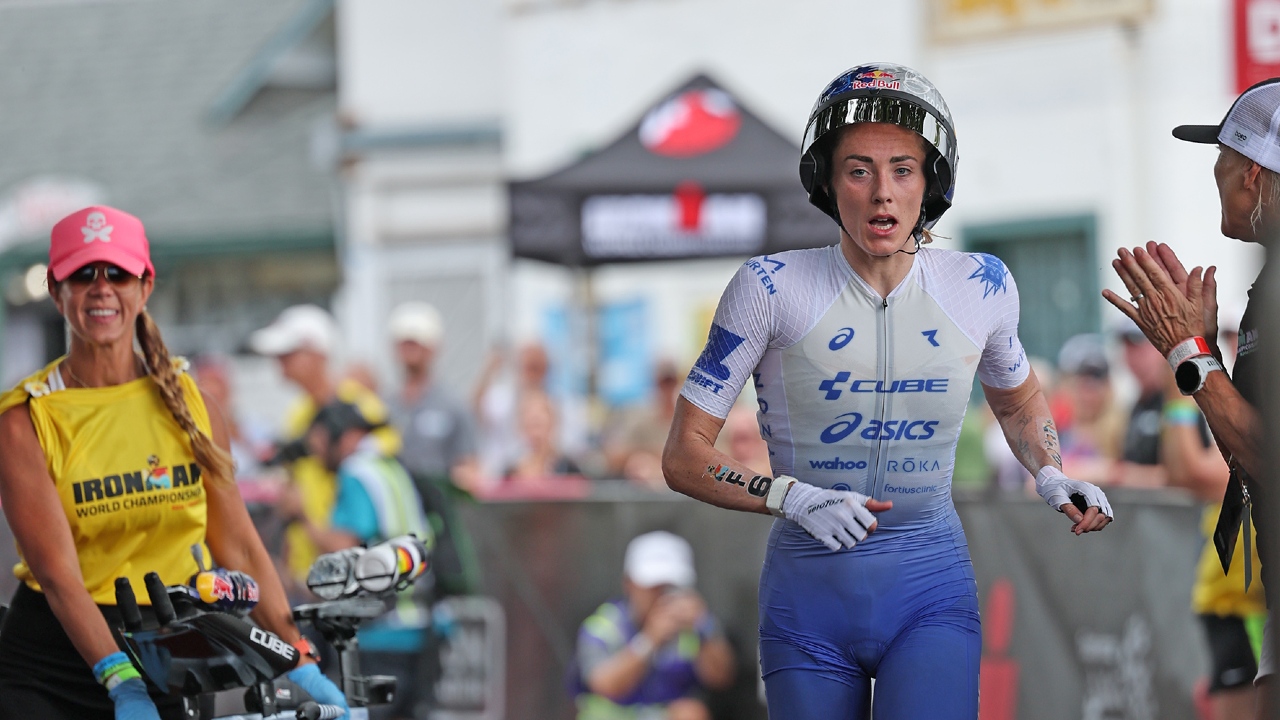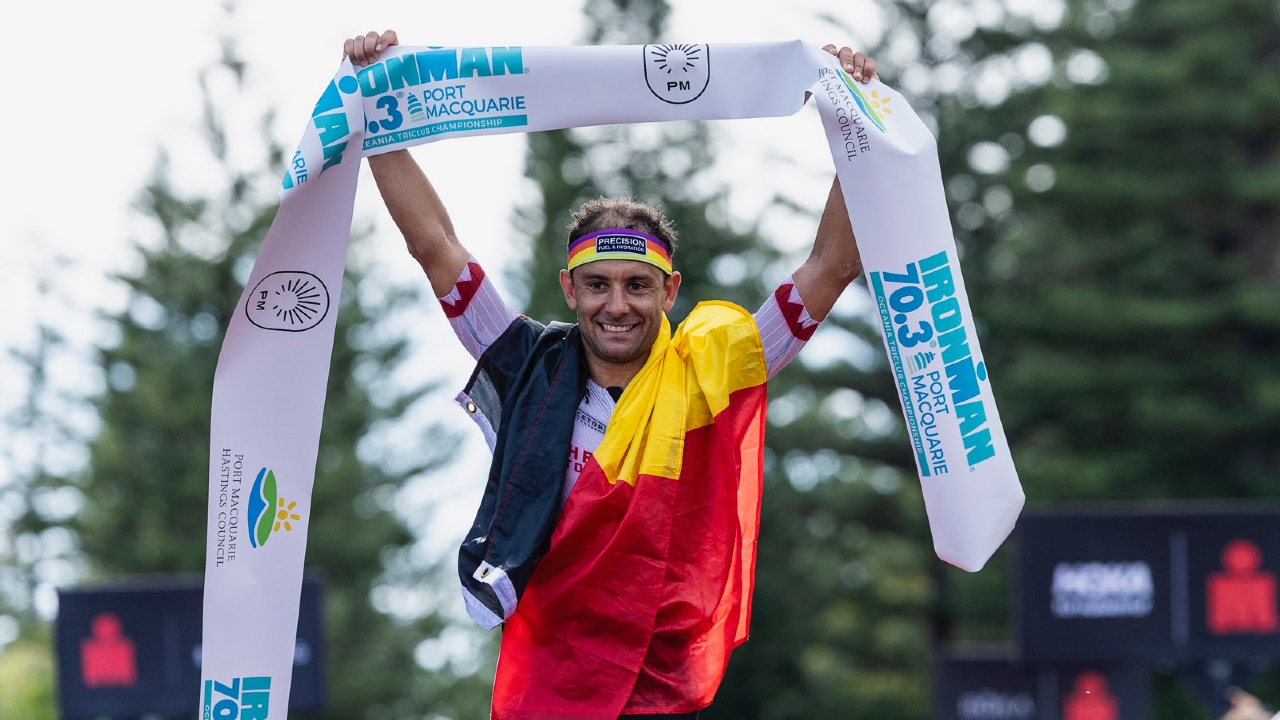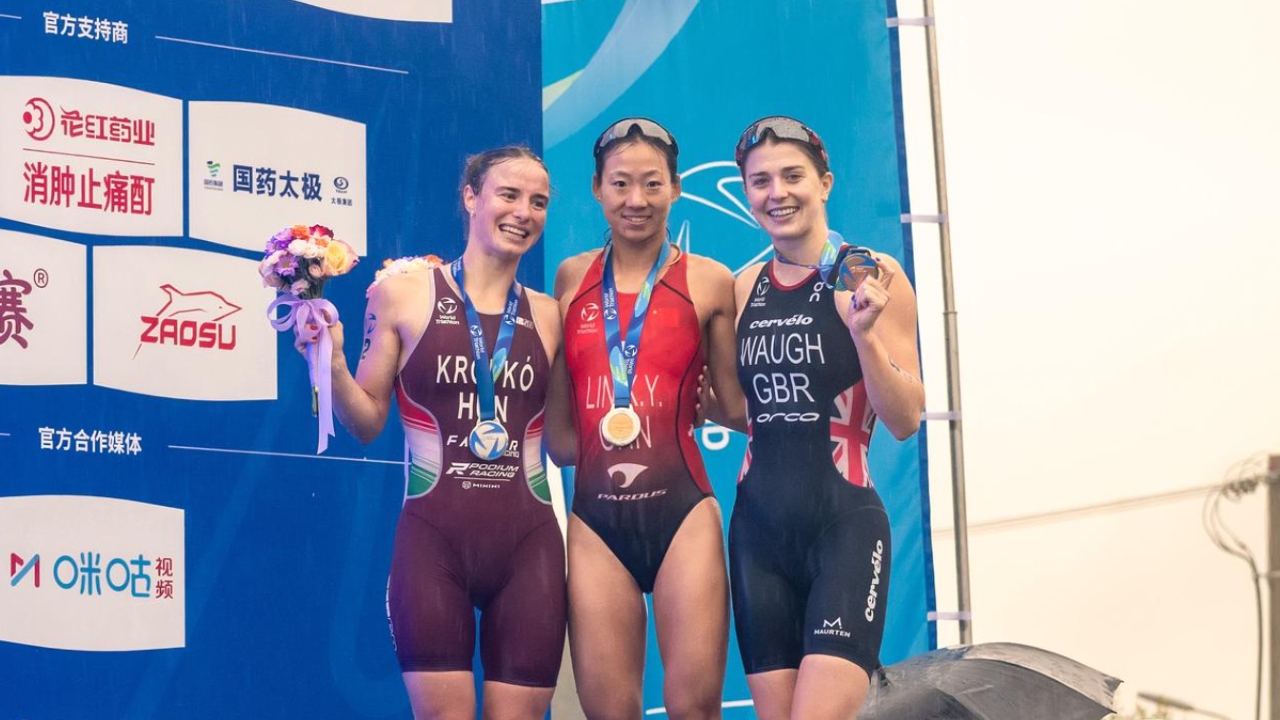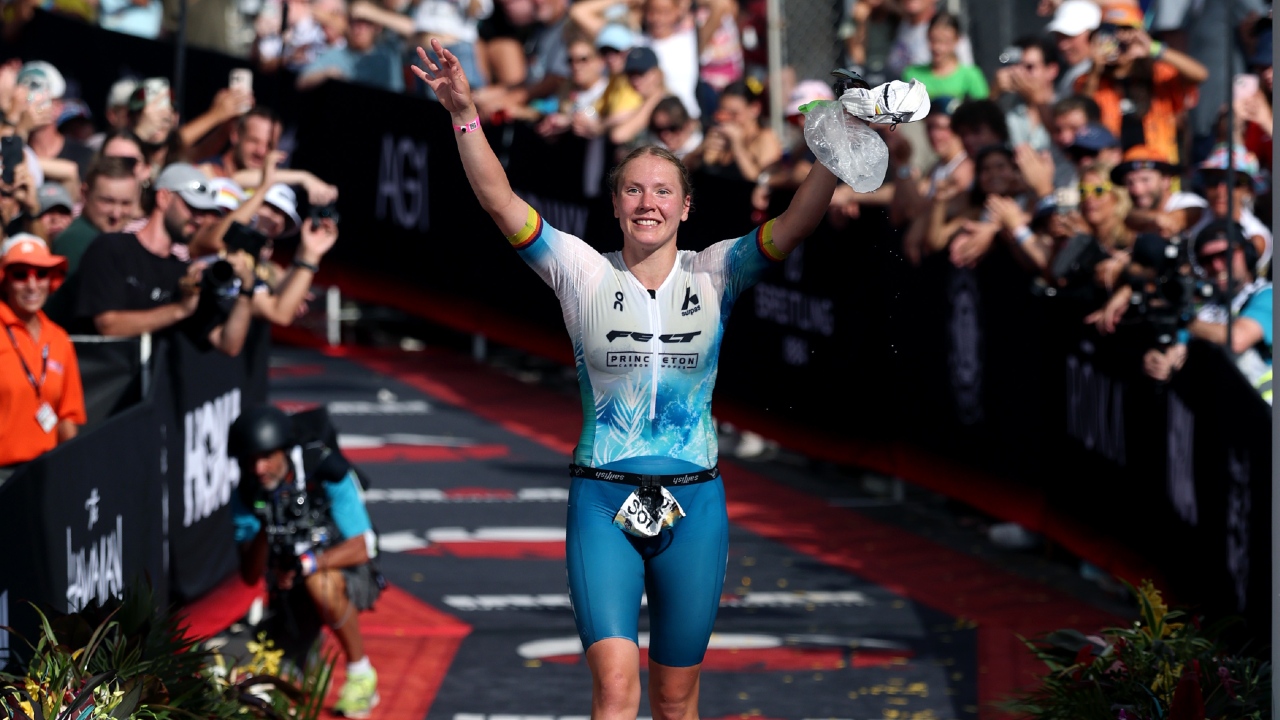


A demanding cycling workout doesn’t end when you stop pedaling. Whether you’ve completed a high-intensity interval session, a long endurance ride or a challenging hill workout, what you eat afterwards has a major impact on how well your body recovers and adapts. Hard cycling sessions deplete glycogen stores, damage muscle fibres and increase fluid and electrolyte losses through sweat. Without proper nutrition, recovery takes longer, performance in your next session can suffer and your risk of illness, fatigue and injury may increase. For triathletes, recovery nutrition becomes even more important because cycling is only one part of the training week. Swimming and running sessions often follow within a day, making it essential to recover efficiently.
Why Recovery Nutrition Matters?
Hard cycling places significant stress on your body.
After intense exercise, your muscles need nutrients to:
- Rebuild damaged muscle tissue.
- Restore glycogen stores.
- Replace lost fluids.
- Replenish electrolytes.
- Support immune function.
- Prepare for your next training session.
Skipping recovery nutrition doesn’t just leave you feeling tired, it can reduce the quality of future workouts and slow long-term fitness gains.
Replace Carbohydrates First
Carbohydrates are your body’s primary fuel during moderate and high-intensity cycling. After a hard workout, glycogen stores become partially depleted and therefore carb loading is important for triathletes.
Eating carbohydrate-rich foods helps:
- Restore muscle glycogen.
- Improve energy levels.
- Reduce fatigue.
- Support recovery between sessions.
- Prepare for upcoming training.
Good carbohydrate choices include:
- Rice.
- Pasta.
- Potatoes.
- Sweet potatoes.
- Oats.
- Wholegrain bread.
- Fruit.
- Low-fat cereal.
The harder and longer the session, the greater the need to replenish carbohydrates. If you’ve completed a long ride, how to fuel for a 2 hour cycling ride in a triathlon explains how carbohydrate intake during exercise also affects recovery afterwards.
Include High-Quality Protein
Protein provides the amino acids your muscles need to repair and adapt after training.
Aim to include a quality protein source with your recovery meal, such as:
- Chicken.
- Fish.
- Eggs.
- Greek yoghurt.
- Cottage cheese.
- Lean beef.
- Tofu.
- Protein milk.
Combining protein with carbohydrates supports both muscle recovery and glycogen replenishment.
Timing Matters
You don’t need to eat within minutes of finishing your ride, but eating within the first hour generally supports recovery, especially if you’re training again later the same day or the following morning.
If a full meal isn’t practical, consider:
- A banana and yoghurt.
- Chocolate milk.
- A fruit smoothie with protein.
- Greek yoghurt and berries.
- A recovery shake.
You can then follow this with a balanced meal later.
Rehydrate Properly
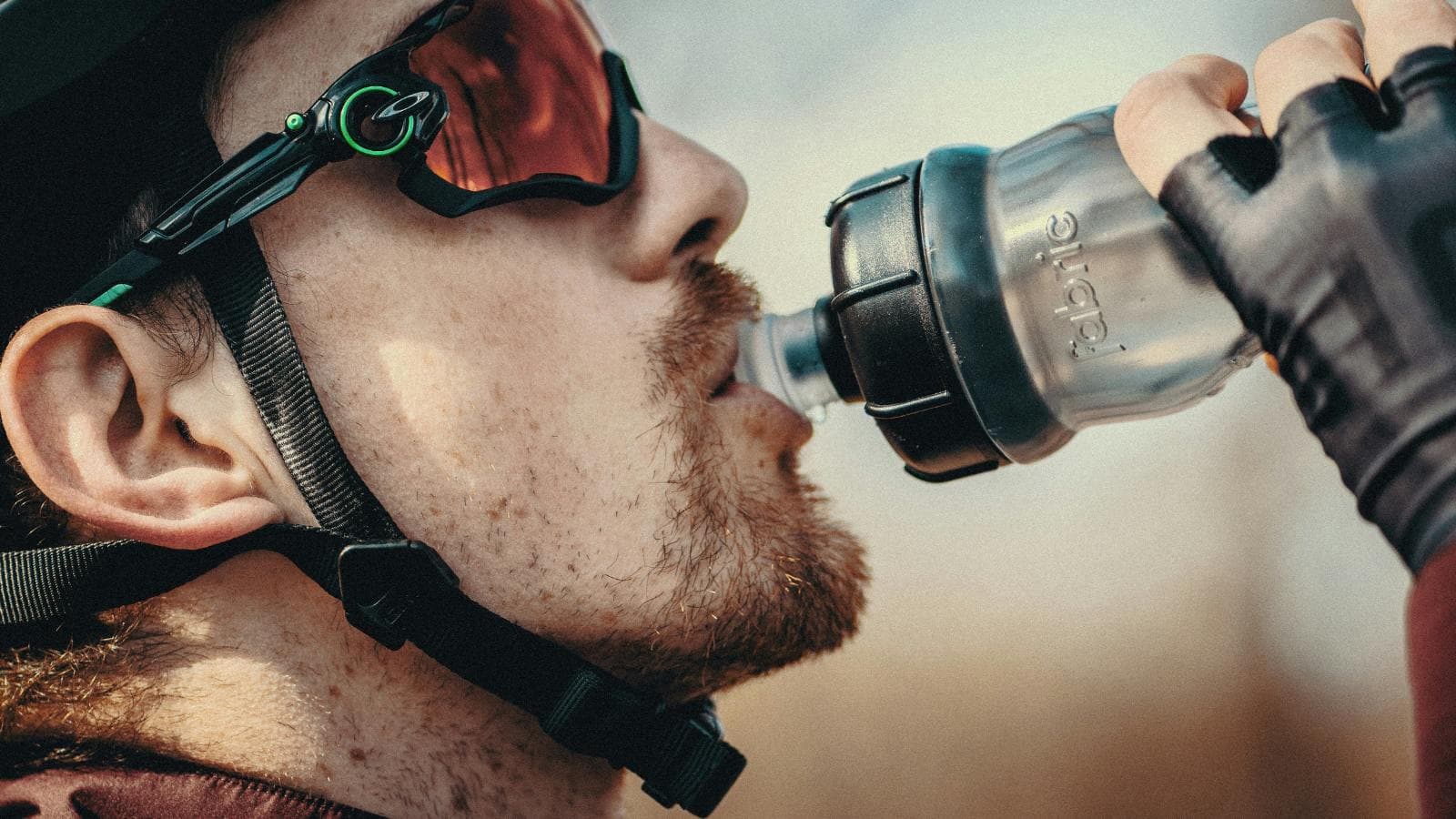
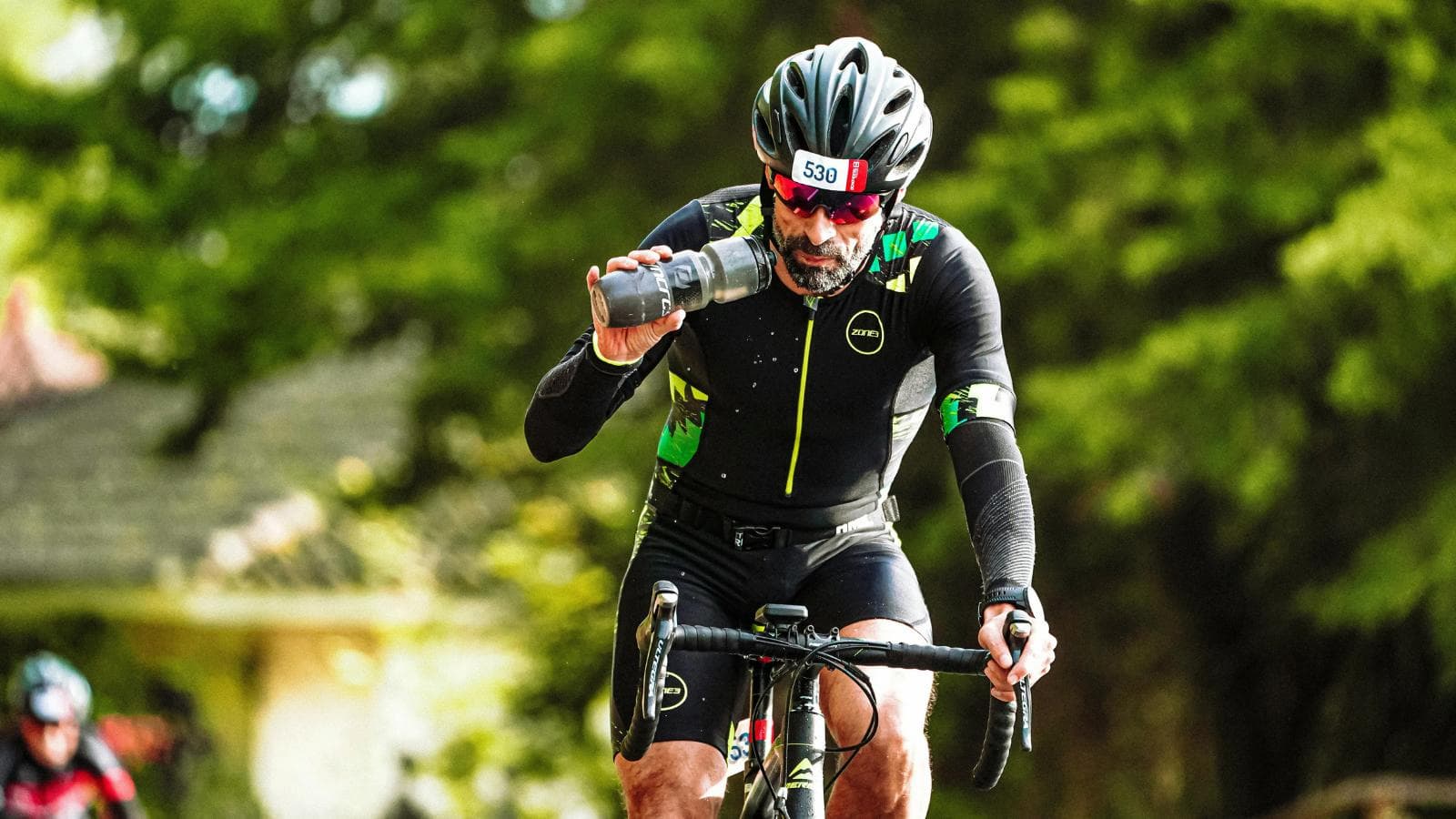
Sweat losses vary between athletes and weather conditions, but replacing fluids is essential after every hard ride.
Drink enough to replace:
- Water.
- Sodium.
- Potassium.
- Other electrolytes lost through sweat.
Water may be sufficient after shorter sessions and it is important for triathletes to understand, how much should you drink per hour on bike while longer or hotter rides may require electrolyte drinks alongside your recovery meal. Monitoring urine colour is one simple way to assess hydration status.
Don’t Forget Electrolytes
During prolonged or high-intensity cycling, electrolytes help maintain:
- Muscle function.
- Nerve signalling.
- Fluid balance.
- Performance.
Replacing sodium is particularly important after heavy sweating. Foods that naturally contain sodium, combined with normal meals, are often enough after moderate sessions, while longer rides may benefit from electrolyte supplements.
Whole Foods vs Recovery Shakes
Many triathletes wonder whether they need specialized recovery products. In reality, whole foods often provide everything your body needs.
Excellent recovery meals include:
- Chicken with rice and vegetables.
- Eggs on wholegrain toast.
- Greek yoghurt with fruit and granola.
- Salmon with potatoes.
- Tuna pasta salad.
Recovery shakes are convenient when you’re travelling or unable to prepare food, but they aren’t essential for most athletes. Glucose monitoring can also be helpful in recovery for the triathletes.
Recovery Nutrition Supports Adaptation
Your body becomes stronger during recovery, not during the workout itself.
Providing sufficient nutrients helps maximise training adaptations, including:
- Improved endurance.
- Greater muscular recovery.
- Better glycogen storage.
- Reduced fatigue.
- Enhanced immune function.
Consistently recovering well allows you to train harder across the week. If your goal is long-term improvement, how to increase cycling power without burning out explains why balancing training stress with recovery is essential.
Match Your Nutrition to Your Training
Not every workout requires the same recovery meal.
Consider:
- Workout duration.
- Intensity.
- Upcoming training sessions.
- Total daily energy needs.
- Personal goals.
A short recovery ride may require only a normal balanced meal, while a demanding interval workout or long endurance ride calls for greater carbohydrate and fluid replacement. Planning nutrition around your workload helps optimise both recovery and performance. For athletes following structured training, how to pace and fuel the bike leg in a triathlon shows how nutrition before, during and after cycling all work together.
Recovery Is More Than Food
Nutrition is only one part of effective recovery.
To maximise the benefits of your hard cycling sessions, also prioritise:
- Seven to nine hours of quality sleep.
- Proper hydration throughout the day.
- Active recovery when appropriate.
- Stress management.
- Consistent training rather than excessive training.
Even the perfect recovery meal cannot compensate for inadequate sleep or chronic fatigue. If you’re recovering from demanding training blocks, how to recover faster after a triathlon covers additional strategies that help you stay fresh between sessions.
Recovery Nutrition Supports Future Performance
The meal you eat after today’s ride helps fuel tomorrow’s training.
When glycogen stores are fully replenished and muscles have repaired properly, you’ll be able to:
- Produce higher power outputs.
- Maintain better endurance.
- Complete quality interval sessions.
- Recover more consistently.
- Reduce the risk of overtraining.
Recovery nutrition should therefore be viewed as part of your next workout, not simply the end of your previous one.
Strength Training Also Increases Recovery Needs
If your cycling workout is combined with gym work, your recovery requirements increase.
Strength training creates additional muscle damage that benefits from:
- Adequate protein intake.
- Sufficient carbohydrates.
- Good hydration.
- Consistent sleep.
Supporting both cycling and strength adaptations helps you become a stronger, more resilient triathlete. If you’re including resistance work alongside your rides, what strength training should cyclists do to ride faster in a triathlon explains how to structure gym sessions without compromising bike performance.
Avoid Common Recovery Mistakes
Many athletes train hard but unintentionally slow their progress through poor recovery habits.
Common mistakes include:
- Skipping meals after training.
- Eating too little carbohydrate.
- Focusing only on protein.
- Forgetting to replace fluids.
- Waiting several hours before eating.
- Consuming excessive alcohol after hard sessions.
- Underestimating total daily calorie needs.
- Assuming recovery supplements are essential.
Small improvements in consistency often have a greater impact than expensive nutrition products.
Individual Needs Vary
There is no single recovery meal that works for everyone.
Your nutritional needs depend on factors such as:
- Body size.
- Training volume.
- Session intensity.
- Weather conditions.
- Personal preferences.
- Digestive comfort.
Experiment during training to discover which foods leave you feeling energised and recovered for your next workout.
Recovery Supports Every Type of Cycling Training
Whether you’re completing endurance rides, intervals or climbing sessions, proper nutrition allows your body to adapt to the demands you’ve placed upon it.
For example:
- Long endurance rides primarily require glycogen replenishment.
- High-intensity intervals increase both carbohydrate and protein requirements.
- Hill workouts create additional muscular fatigue that benefits from adequate protein and recovery.
Understanding how different sessions affect your body helps you match your nutrition accordingly. If you’re developing your aerobic engine, what is zone 2 cycling in a triathlon explains why even lower-intensity rides still benefit from sensible recovery nutrition.
Common Mistakes
- Skipping your post-ride meal.
- Eating protein but not enough carbohydrates.
- Forgetting to rehydrate.
- Waiting several hours before eating.
- Relying entirely on supplements.
- Drinking too little after long rides.
- Under-fuelling during heavy training weeks.
- Ignoring recovery between consecutive training days.
Practical Tips
- Eat within an hour of finishing hard rides.
- Include both carbohydrates and protein.
- Drink enough to replace sweat losses.
- Add electrolytes after long or hot sessions.
- Choose whole foods whenever possible.
- Prepare recovery meals in advance.
- Match your food intake to workout intensity.
- Prioritise sleep alongside good nutrition.
Actionable Takeaways
Eating well after a hard cycling workout is one of the simplest ways to improve recovery and support long-term performance. Replacing carbohydrates, consuming quality protein and rehydrating effectively helps restore energy, repair muscles and prepare your body for the next training session.
Recovery nutrition doesn’t need to be complicated. Consistently eating balanced meals soon after demanding rides, alongside good hydration and sufficient sleep, will help you train more effectively, recover faster and continue making progress throughout your triathlon season.