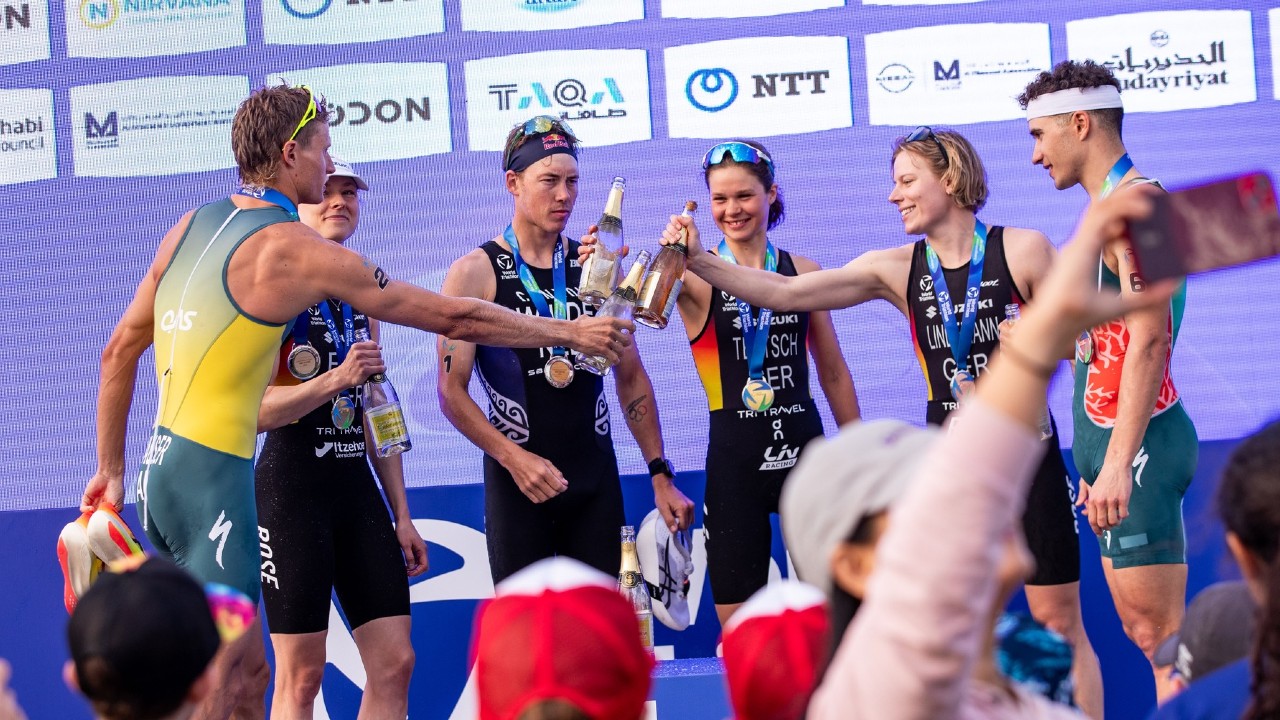


One of the biggest questions triathletes face is how hard they should ride during training. Some athletes spend nearly every session pushing themselves to the limit, while others complete most of their rides at a comfortable pace. The truth is that both approaches have an important place in a well-designed training plan. Zone 2 and high intensity cycling develop different physiological adaptations that contribute to better race performance. Understanding when to ride easy and when to push harder allows you to improve endurance, increase power and recover effectively between sessions.

What Is Zone 2 Cycling?
Zone 2 cycling is a low to moderate intensity effort that you can maintain comfortably for an extended period. Your breathing remains controlled, conversation is possible and fatigue builds gradually rather than rapidly. This intensity primarily trains your aerobic system, teaching your body to use oxygen more efficiently while improving its ability to burn fat as fuel. Over time, Zone 2 training increases endurance, improves recovery and creates the aerobic foundation needed for harder workouts. If you’re unfamiliar with endurance training zones, what is zone 2 cycling in a triathlon explains how to identify and use this intensity effectively.
What Is High Intensity Cycling?
High intensity cycling includes workouts performed well above your comfortable endurance pace. These sessions may involve intervals, hill repeats or short efforts at threshold or above, with recovery periods between repetitions. Rather than focusing on long-duration endurance, high intensity training develops your ability to produce more power, ride faster and tolerate harder efforts during racing. For athletes looking to build stronger legs without overtraining, how to increase cycling power without burning out explains how to introduce harder sessions safely.
Zone 2 vs High Intensity Cycling
| Zone 2 Cycling | High Intensity Cycling |
|---|---|
| Builds aerobic endurance | Improves power and speed |
| Comfortable, sustainable effort | Hard efforts with recovery intervals |
| Can be maintained for long periods | Difficult to sustain for long durations |
| Lower recovery demands | Higher recovery demands |
| Forms the foundation of training | Adds race-specific performance gains |
| Ideal for long rides | Ideal for interval sessions and hill work |
Type of cycling that triathletes should prioritize
If you could only choose one type of training, Zone 2 cycling would provide the greatest long-term benefit for most triathletes. It builds the aerobic engine that supports every aspect of endurance racing and allows you to complete higher training volumes without excessive fatigue. However, relying exclusively on easy riding eventually leads to a plateau. High intensity sessions provide the additional stimulus needed to improve power, increase speed and prepare your body for race demands such as overtaking, climbing and changing pace. The most effective training plans combine both methods rather than treating them as competing approaches. If you’re building a stronger aerobic base, how to become a more efficient cyclist explains why efficiency is just as important as fitness.
How Much Zone 2 and High Intensity Training Should You Do?
Most successful endurance athletes spend the majority of their cycling time riding at lower intensities. This approach allows them to recover well while consistently building aerobic fitness throughout the season.
A typical weekly balance might include:
- 70–80% Zone 2 cycling
- 20–30% moderate to high intensity cycling
- One or two structured interval sessions each week
- One longer endurance ride completed mostly in Zone 2
The exact balance depends on your experience, race distance and stage of training, but avoiding too many hard sessions is essential for consistent progress.
When to Use Zone 2 Cycling
Zone 2 rides should form the backbone of your cycling programme because they improve endurance without placing excessive stress on your body.
These sessions are ideal for:
- Long endurance rides.
- Base training phases.
- Recovery between harder workouts.
- Building aerobic efficiency.
- Increasing weekly cycling volume.
- Preparing for long-distance triathlons.
Because Zone 2 cycling is relatively easy to recover from, you can perform it several times each week without significantly increasing injury or overtraining risk. For longer races, how to pace and fuel the bike leg in a triathlon explains how Zone 2 fitness contributes to maintaining a sustainable effort.
When to Use High Intensity Cycling
High intensity workouts should be used with purpose rather than performed every time you ride. They place much greater stress on your muscles, cardiovascular system and nervous system, making recovery an important part of the training process.
These sessions are particularly useful for:
- Improving VO₂ max.
- Increasing cycling power.
- Preparing for short-course racing.
- Developing climbing strength.
- Improving acceleration.
- Raising your lactate threshold.
Including one or two quality interval sessions each week is usually enough for most age-group triathletes. If you’re targeting stronger climbing ability, how to get better at climbing on the bike in triathlon explains how structured intensity develops strength on hills.
Can You Combine Both in One Ride?
Yes. Many structured cycling sessions combine endurance riding with periods of higher intensity. For example, you might complete two hours in Zone 2 before finishing with several threshold intervals. This allows you to develop aerobic endurance while practicing producing power on tired legs, a valuable skill for triathlon racing. Brick workouts also frequently combine steady cycling with harder efforts before transitioning immediately into a run. When introducing these sessions, remember that quality matters more than quantity. Performing one well-executed workout is usually more beneficial than completing several poorly recovered hard sessions.
Common Mistakes
- Riding every session at a moderate intensity.
- Skipping Zone 2 because it feels too easy.
- Completing too many high intensity workouts each week.
- Ignoring recovery after interval sessions.
- Increasing training volume and intensity at the same time.
- Focusing only on speed instead of overall fitness.
- Chasing average speed during endurance rides.
- Forgetting to fuel properly during long Zone 2 sessions.
Practical Tips
- Build most of your weekly mileage in Zone 2.
- Limit high intensity sessions to one or two each week.
- Recover properly after hard workouts.
- Use heart rate or power to monitor training intensity.
- Fuel long Zone 2 rides appropriately.
- Increase intensity gradually as fitness improves.
- Adapt training to your race distance and goals.
- Stay consistent rather than chasing hard workouts every day.
Actionable Takeaways
Zone 2 and high intensity cycling both play essential roles in triathlon training, but they achieve different goals. Zone 2 develops the endurance and efficiency needed to sustain long efforts, while high intensity sessions improve power, speed and cardiovascular fitness. The most effective approach isn’t choosing one over the other. Instead, build your training around consistent Zone 2 riding and strategically include high intensity workouts to continue improving throughout the season.