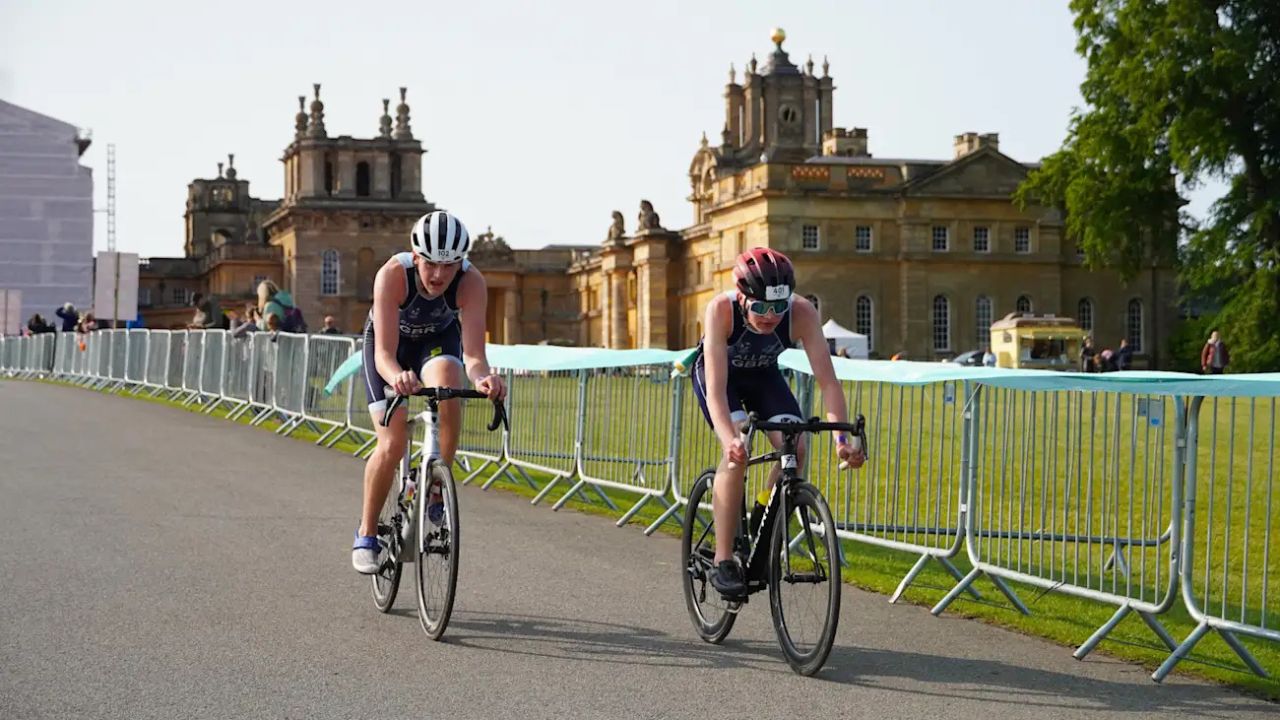


Many triathletes judge every ride by average speed, distance or power output, but heart rate provides another valuable way to measure training intensity. Unlike speed, which changes with wind, hills and road conditions, your heart rate reflects how hard your cardiovascular system is working. Training in specific heart rate zones allows you to target different physiological adaptations. Easy rides improve aerobic endurance, moderate efforts increase stamina and higher-intensity sessions develop speed and power. By matching each workout to the correct zone, you can maximize fitness gains while reducing unnecessary fatigue. Heart rate training isn’t about riding harder every day, it’s about riding at the right intensity for the goal of each session. Used consistently, heart rate zones can help triathletes become faster, fitter and more efficient cyclists.

In Short
- Heart rate zones measure exercise intensity.
- Different zones develop different aspects of fitness.
- Most cycling should be completed at lower intensities.
- High-intensity sessions should be used strategically.
- Heart rate helps prevent overtraining.
What Are Heart Rate Zones?
Heart rate zones divide your training into intensity ranges based on the percentage of your maximum heart rate or lactate threshold heart rate. Although different coaching systems vary slightly, most use five training zones ranging from very easy recovery riding to maximum effort. Each zone creates different adaptations, helping you target specific aspects of cycling performance.
Why Train Using Heart Rate?
Heart rate gives you immediate feedback about how hard your body is working.
Unlike speed, it isn’t heavily influenced by:
- Headwinds.
- Tailwinds.
- Hills.
- Road surface.
- Traffic.
This makes it a reliable tool for controlling training intensity, especially during endurance rides. Warm up exercises before bike race can be actively perform to have a better grip at the pace.
Zone 1: Active Recovery
Zone 1 represents very light effort.
This zone is ideal for:
- Recovery rides.
- Warm-ups.
- Cool-downs.
- Easy spins after races.
The goal isn’t to improve fitness directly but to encourage recovery while promoting blood flow.
Zone 2: Build Aerobic Endurance
Zone 2 is the foundation of endurance cycling.
Training here improves:
- Aerobic fitness.
- Fat metabolism.
- Muscular endurance.
- Recovery between harder sessions.
Most triathletes should spend the largest proportion of their weekly cycling time in Zone 2. Understanding cycling drills that help triathlon bike techniques explains why consistent aerobic training supports long-distance performance.
Zone 3: Improve Sustainable Pace
Zone 3 represents a moderate, steady effort.
It helps develop:
- Sustainable race pace.
- Muscular endurance.
- Cardiovascular efficiency.
Many long-course triathlon rides naturally fall within the upper end of this zone.
Zone 4: Increase Lactate Threshold
Zone 4 consists of hard but sustainable efforts.
Training in this zone helps:
- Raise lactate threshold.
- Increase sustainable speed.
- Delay fatigue.
- Improve race performance.
Threshold sessions are demanding and should be balanced with adequate recovery. If you’re looking to ride faster over race distances, how to improve lactate threshold for triathlon cycling explains how these sessions improve endurance performance.
Zone 5: Develop Maximum Effort
Zone 5 involves very high-intensity efforts that can only be maintained for short periods.
Typical workouts include:
- Short intervals.
- Hill repeats.
- VO₂ max sessions.
These workouts improve your body’s ability to produce power but require sufficient recovery afterwards.
Most Training Shouldn’t Be Hard
A common mistake among triathletes is spending too much time riding at moderate or high intensity. Research consistently shows that endurance athletes benefit from completing most training at lower intensities while limiting harder sessions each week.
This approach allows you to recover better and maintain consistent training throughout the season.
Heart Rate Helps Prevent Overtraining
Heart rate can highlight when your body hasn’t fully recovered.
Signs may include:
- An unusually high heart rate during easy rides.
- Difficulty reaching normal training intensities.
- Increased fatigue.
- Reduced performance.
Monitoring these trends allows you to adjust your training before overtraining develops.
Use Heart Rate with Perceived Effort
Heart rate shouldn’t be your only guide.
Also pay attention to:
- Breathing.
- Muscle fatigue.
- Weather conditions.
- Sleep quality.
- Perceived effort.
Combining multiple indicators provides a more complete picture of your training status.
Heart Rate Improves Pacing
Many triathletes start races too quickly.
Heart rate provides an objective way to control your effort during:
- Long climbs.
- Fast starts.
- Rolling terrain.
- Endurance rides.
Maintaining the appropriate intensity early in a ride often leads to stronger overall performances. For longer events, what is the ideal cadence for long distance cycling explains how cadence and heart rate work together to improve efficiency.
Heart Rate Zones Help Manage Recovery
Recovery is just as important as hard training sessions. Using heart rate during easy rides helps ensure you don’t accidentally turn recovery sessions into moderate workouts. Recovery rides should feel comfortable and allow your heart rate to remain in the lowest training zones, helping your body recover while maintaining gentle movement. For broader recovery strategies, how to recover faster after a triathlon explains how nutrition, sleep and active recovery support long-term performance.
Environmental Conditions Affect Heart Rate
Heart rate naturally changes depending on external conditions.
Factors that can increase your heart rate include:
- Hot weather.
- High humidity.
- Dehydration.
- Fatigue.
- Stress.
- Lack of sleep.
Because of this, you shouldn’t chase a specific speed if your heart rate indicates you’re already working harder than planned. Understanding how much should you drink per hour when cycling in hot weather can help you manage hydration and reduce unnecessary cardiovascular strain during warm-weather rides.
Heart Rate Isn’t Perfect
Although heart rate is an excellent training tool, it does have limitations.
It responds more slowly than power output during short intervals and can be influenced by:
- Caffeine.
- Illness.
- Medication.
- Altitude.
- Emotional stress.
For this reason, many experienced triathletes combine heart rate with cadence, perceived effort and, where available, power data.
Use Heart Rate Zones Consistently
One isolated ride won’t transform your fitness. The real value of heart rate training comes from following a structured program over weeks and months.
Regular zone-based training helps you:
- Track improvements.
- Control fatigue.
- Build endurance safely.
- Perform quality interval sessions.
- Recover more effectively.
Consistency is far more important than occasional exceptionally hard workouts.
Review Your Heart Rate Data
Most cycling computers and smartwatches record detailed heart rate information after every ride.
Review metrics such as:
- Average heart rate.
- Maximum heart rate.
- Time spent in each zone.
- Heart rate drift.
- Recovery heart rate.
Looking for trends over several weeks provides far more useful information than focusing on a single session.
Combine Heart Rate with Good Cycling Technique
Heart rate tells you how hard you’re working, but technique determines how efficiently you convert that effort into speed.
Continue developing:
- Smooth pedalling.
- Consistent cadence.
- Good bike position.
- Relaxed upper body posture.
Improving efficiency allows you to ride faster at the same heart rate. How to become a more efficient cyclist explains the techniques that help maximize every pedal stroke.
Common Mistakes
- Riding every session in the same heart rate zone.
- Spending too much time at moderate intensity.
- Ignoring recovery rides.
- Comparing heart rates with other athletes.
- Chasing speed instead of training intensity.
- Forgetting that heat and fatigue affect heart rate.
- Using outdated heart rate zones.
- Ignoring perceived effort during training.
Practical Tips
- Determine your heart rate zones before starting structured training.
- Spend most of your weekly riding in Zone 2.
- Reserve Zone 4 and Zone 5 for planned interval sessions.
- Use heart rate to control pacing on long rides.
- Monitor recovery heart rate after demanding workouts.
- Adjust expectations in hot or humid weather.
- Review heart rate data regularly to monitor progress.
- Combine heart rate with cadence and perceived effort.
Actionable Takeaways
Heart rate zone training helps triathletes train at the right intensity for every ride rather than relying solely on speed or distance. By understanding how each training zone develops different aspects of fitness, you can build endurance, improve lactate threshold, recover more effectively and reduce the risk of overtraining.
The greatest benefits come from consistency. Most rides should focus on aerobic development in lower heart rate zones, while harder sessions should be carefully planned and balanced with recovery. Over time, this structured approach helps you become a faster, fitter and more efficient cyclist.