
Many triathletes spend countless hours building fitness on the bike, yet relatively little time developing the technical skills that can make them faster, safer, and more efficient. Cycling fitness is important, but technique also plays a major role in performance. Better bike handling, smoother pedaling, improved cornering, and greater control can help triathletes conserve energy, maintain speed, and arrive at T2 feeling fresher for the run. The good news is that bike technique can be improved through simple drills that can be incorporated into regular training sessions.
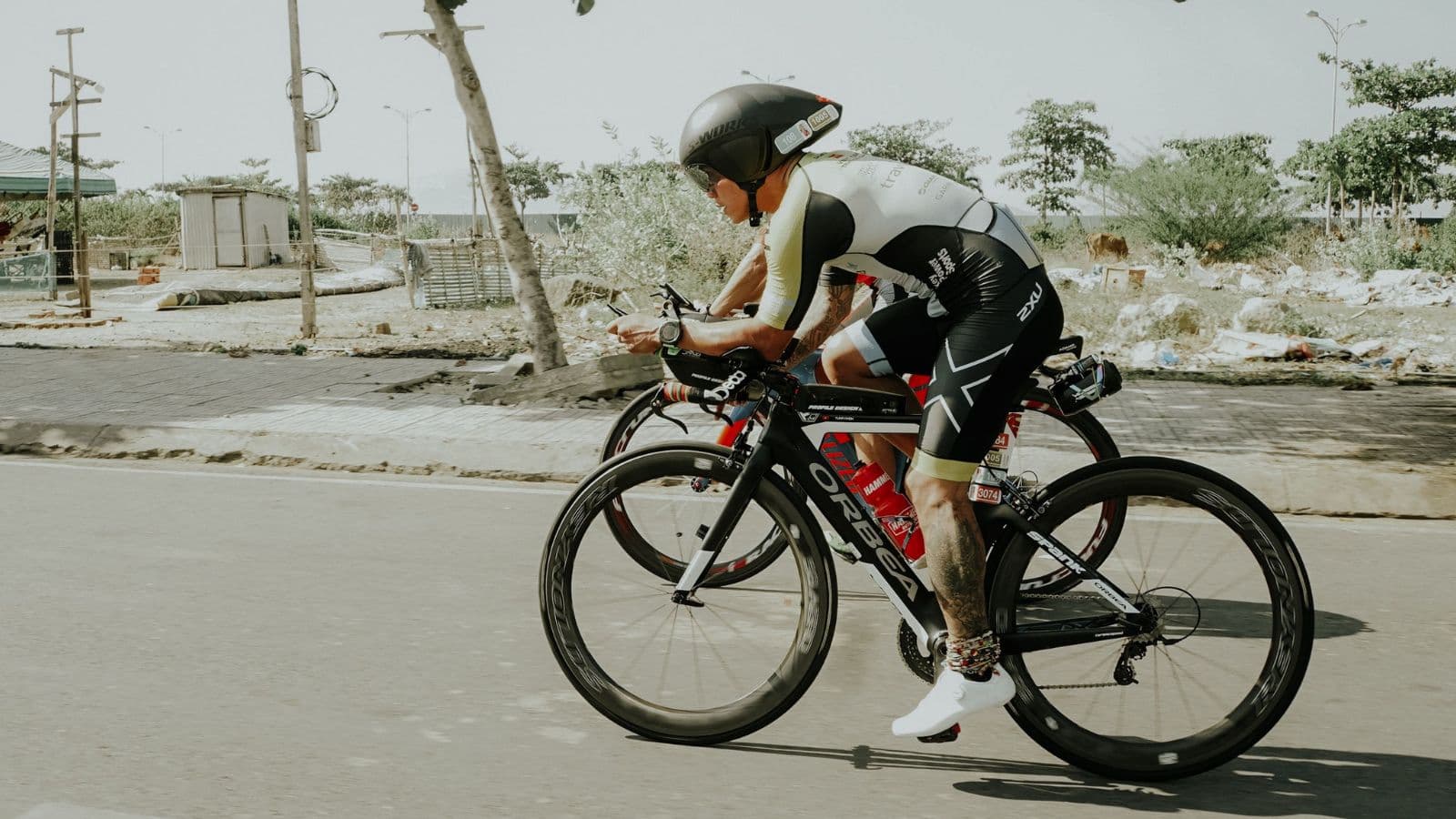
Why Cycling Technique Matters in Triathlon?
Unlike road racing, triathlon cycling is about maintaining efficiency over long distances while preserving energy for the run.
Good technique helps athletes:
- Reduce wasted energy
- Improve aerodynamics
- Handle the bike confidently
- Maintain smoother pacing
- Increase safety
Athletes who understand the most important bike workouts for a triathlon know that small improvements accumulated over time often produce significant performance gains.
Single-Leg Pedaling Drills
Single-leg pedaling helps identify inefficiencies throughout the pedal stroke.
The drill involves:
- Unclipping one foot
- Pedaling with the other leg
- Switching sides after short intervals
Benefits include:
- Improved pedal smoothness
- Better neuromuscular coordination
- Identification of dead spots
Athletes often discover weaknesses they were previously unaware of.
High-Cadence Spin-Ups
Many triathletes become overly reliant on pushing large gears.
Spin-up drills encourage:
- Faster leg speed
- Improved coordination
- Smoother pedaling
A typical drill involves gradually increasing cadence for 20-30 seconds while maintaining control. Athletes who understand why is hip mobility important for running often appreciate how efficient movement patterns improve performance across multiple disciplines.
Cornering Practice
Poor cornering can cost valuable time and energy.
A simple drill involves:
- Practicing controlled turns
- Looking through the corner
- Maintaining smooth lines
- Managing speed effectively
Improved cornering helps athletes:
- Carry more speed
- Reduce braking
- Increase confidence
This becomes especially valuable on technical race courses.
One-Hand Riding Drills
Triathletes frequently need to:
- Drink
- Eat
- Adjust equipment
while riding.
Practicing one-handed riding improves:
- Bike control
- Stability
- Confidence
Start in a safe environment with minimal traffic.
Bottle Retrieval Drills
Many athletes lose time and rhythm while reaching for bottles.
Practice:
- Removing bottles
- Drinking
- Replacing bottles smoothly
This drill helps improve race-day efficiency and reduces unnecessary stress. Athletes who understand how do carbs affect fat burning during endurance training know that effective fueling depends on being able to eat and drink comfortably while riding.
Emergency Braking Drills
Braking is a skill.
Practice:
- Controlled hard stops
- Weight distribution
- Progressive braking
Benefits include:
- Improved safety
- Better bike control
- Greater confidence
Many triathletes rarely practice emergency stopping until they need it.
Riding the Aero Position
Many athletes spend significant time training upright but race in the aero position.
Dedicated aero drills help athletes:
- Improve comfort
- Maintain stability
- Develop endurance in race position
Athletes who understand are triathletes relying too much on training data know that performance isn’t only about numbers—it also depends on how effectively athletes can maintain efficient positions.
Cadence Ladder Drills
Cadence ladders involve riding at progressively increasing cadences.
For example:
- 80rpm
- 90rpm
- 100rpm
- 110rpm
Benefits include:
- Improved pedal control
- Enhanced efficiency
- Greater adaptability
The goal is maintaining smoothness rather than chasing maximum cadence.
Figure-Eight Drills
Figure-eight riding improves:
- Bike handling
- Balance
- Cornering skills
The drill requires athletes to:
- Navigate tight turns
- Maintain control
- Smoothly transition between directions
These skills can improve confidence in crowded race environments.
Slow-Speed Balance Drills
Riding slowly is often harder than riding fast.
Slow-speed drills improve:
- Balance
- Bike control
- Stability
These skills become useful during:
- Aid stations
- Congested race areas
- Technical sections
Standing Climbing Practice
Many triathletes spend most climbs seated.
Practicing standing efforts can improve:
- Power production
- Climbing versatility
- Muscle recruitment
Athletes who understand how to handle sudden weather changes in a triathlon often appreciate that efficient climbing can help preserve energy for the run.
Group Riding Skills
Even though triathlons are generally non-drafting events, group riding can improve:
- Awareness
- Bike handling
- Confidence
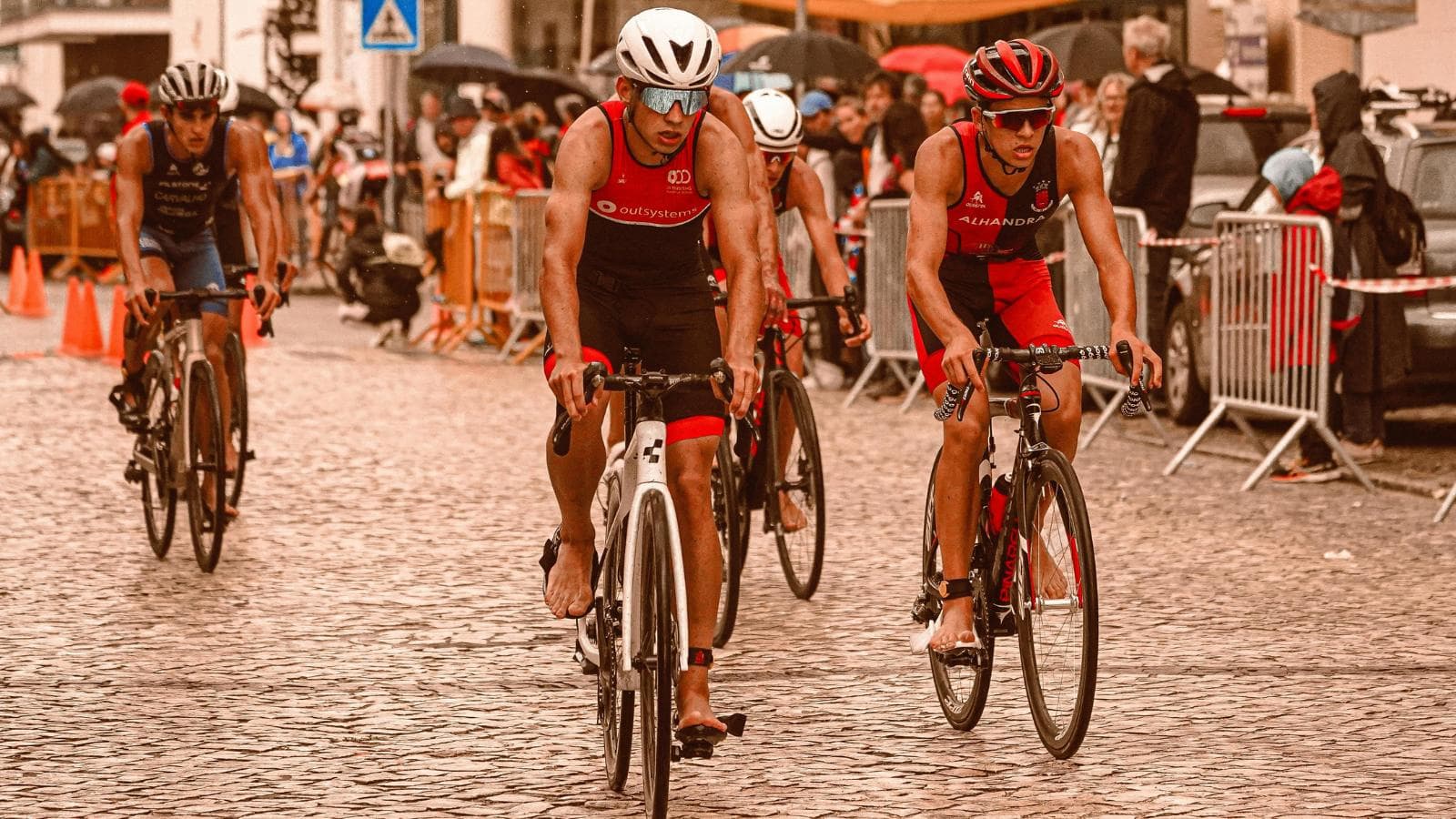
Learning to ride predictably around others develops valuable technical skills and it is important to understand how to ride safely in group.
Mount and Dismount Practice
Transitions are often overlooked.
Practicing:
- Bike mounts
- Bike dismounts
- Running with the bike
can improve overall race execution. Athletes who understand 10 things you need to know before your first triathlon know that free speed often comes from mastering the basics.
Riding in Variable Conditions
Controlled exposure to:
- Wind
- Rain
- Rough surfaces
helps athletes develop adaptability. Race-day conditions are rarely perfect. Experience improves confidence.
Technique Under Fatigue
Many technical skills deteriorate when athletes become tired.
Practicing drills late in rides can help athletes:
- Maintain focus
- Preserve technique
- Improve race-specific execution
Athletes who understand gear mistakes that every triathlete should avoid know that objective data is useful, but movement quality still matters when fatigue sets in.
The Mental Side of Bike Skills
Technical improvement often requires patience. Athletes who understand what mindset helps triathletes perform at their best know that confidence grows through repetition and focused practice. Skill development is a long-term process.
Common Technique Mistakes
Many triathletes:
- Focus only on fitness
- Neglect handling skills
- Avoid technical practice
- Ignore cornering technique
- Spend little time in the aero position
- Skip transition practice
- Never practice braking
- Assume experience alone improves technique
Most of these weaknesses can be addressed through simple drills.
How to Include Drills in Training?
Triathletes can improve bike technique by:
- Adding 10-15 minutes of drills to easy rides
- Practicing handling skills regularly
- Including cadence work weekly
- Improving fueling technique
- Spending time in race position
- Practicing transitions
- Developing cornering confidence
- Maintaining consistency
Better bike technique allows triathletes to use their fitness more effectively. Small improvements in efficiency, handling, and control can save energy throughout the bike leg and leave athletes better prepared for a strong run.