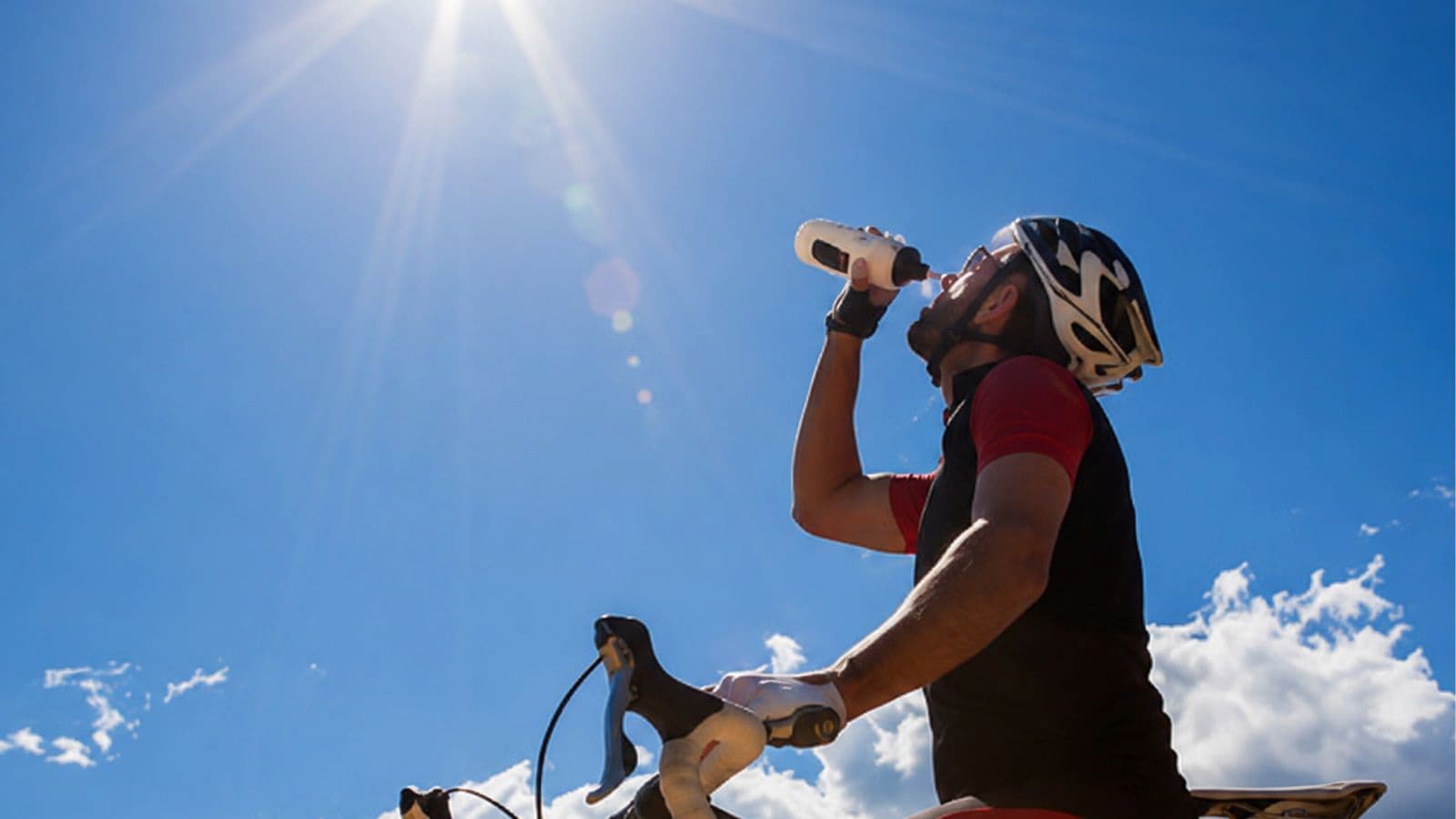


Cycling in hot weather places extra demands on your body. As temperatures rise, you lose more fluid through sweat in an effort to regulate body temperature. If these losses aren’t replaced, dehydration can reduce power output, increase heart rate and make rides feel much harder than they should. At the same time, drinking too much water without replacing electrolytes can also cause problems. Successful hydration isn’t about consuming as much fluid as possible, it’s about replacing enough water and sodium to maintain performance while avoiding both dehydration and overhydration. Whether you’re preparing for a sprint triathlon or an Ironman, understanding your hydration needs will help you ride stronger, stay safer and recover more effectively.
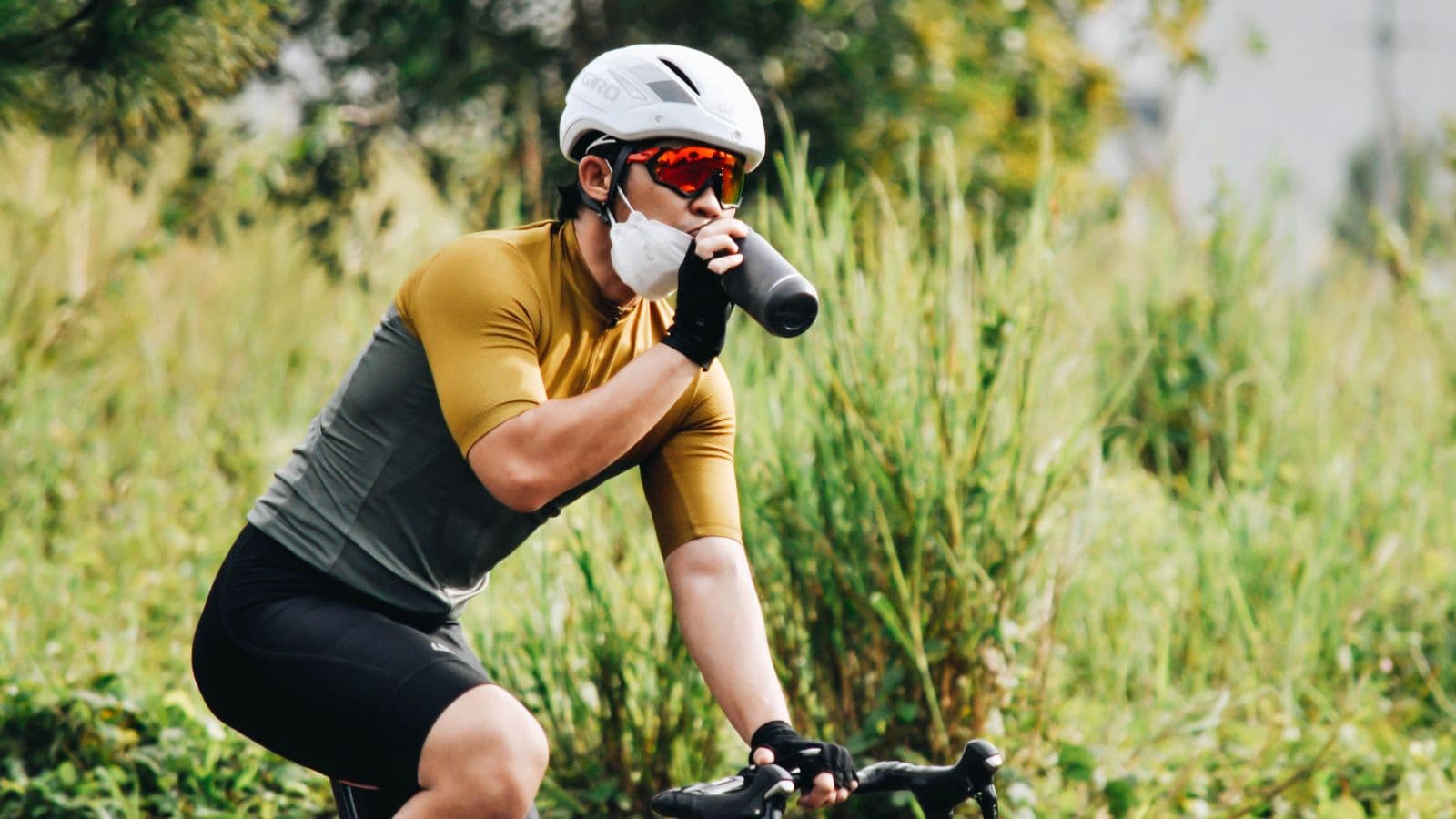
Why Hydration Matters?
Your body relies on sweat to cool itself during exercise.
As fluid is lost through sweating:
- Blood volume decreases.
- Heart rate rises.
- Cooling becomes less efficient.
- Muscles receive less oxygen.
- Performance declines.
Even moderate dehydration can noticeably affect endurance performance during longer rides.
How Much Should You Drink Per Hour?
There isn’t a single hydration target that suits everyone.
For most cyclists riding in hot weather:
- 500–750ml per hour may be sufficient in warm conditions.
- 750–1,000ml per hour is often appropriate during very hot or humid rides.
- Heavy sweaters may require even more, depending on individual sweat rate.
Rather than copying another athlete’s strategy, determine what works for your own body.
Sweat Rate Varies Between Athletes
Several factors influence how much fluid you lose:
- Air temperature.
- Humidity.
- Ride intensity.
- Body size.
- Fitness level.
- Heat acclimation.
Some athletes lose less than half a litre of sweat per hour, while others may exceed one litre. Weighing yourself before and after a training ride can help estimate your personal sweat losses.
Don’t Wait Until You’re Thirsty
Thirst is useful, but it often lags behind actual fluid loss during prolonged exercise.
Instead:
- Start rides well hydrated.
- Drink small amounts regularly.
- Aim for steady fluid intake throughout the ride.
- Avoid drinking large volumes all at once.
Regular sipping is generally easier for your stomach than infrequent large drinks.
Replace Electrolytes Too
Sweat contains more than just water. It also contains important electrolytes that are necessary for triathletes, particularly sodium.
Replacing sodium helps:
- Maintain fluid balance.
- Support muscle function.
- Encourage fluid absorption.
- Reduce the risk of hyponatremia during very long events.
Sports drinks, electrolyte tablets or sodium supplements may all play a role depending on the duration and intensity of your ride.
Consider Ride Duration
Hydration needs increase as rides become longer.
General guidance includes:
- Under one hour: Water is often sufficient.
- One to two hours: Water plus electrolytes may be beneficial.
- Over two hours: Combine fluids, electrolytes and carbohydrates.
Longer rides require a complete fueling strategy rather than hydration alone. For nutrition guidance, how to fuel for a 2 hour cycling ride in a triathlon explains how fluids and carbohydrates work together during endurance training.
Drink Before You Feel Overheated
Once dehydration significantly raises your core temperature, catching up becomes difficult.
Start drinking early, particularly during:
- Hot afternoons.
- Humid conditions.
- Long climbs.
- High-intensity intervals.
Preventing dehydration is much easier than reversing it.
Train Your Hydration Strategy
Race day shouldn’t be the first time you test your hydration plan.
Use training rides to determine:
- Bottle placement.
- Drinking frequency.
- Preferred electrolyte products.
- Stomach tolerance.
- Fluid volume.
Practising during training improves confidence and reduces surprises during competition.
Hydration Affects Heart Rate
As dehydration develops, heart rate often increases even when your pace or power remains unchanged. This is one reason athletes sometimes notice unusually high effort during hot-weather training. If you’ve experienced this, what causes a high heart rate on easy triathlon runs explains how hydration, temperature and fatigue influence cardiovascular response.
Adjust Your Pace in Extreme Heat
Hot weather places additional stress on your body.
Trying to maintain the same power output as cooler conditions often leads to:
- Earlier fatigue.
- Excessive sweating.
- Higher heart rate.
- Reduced performance.
Slowing slightly during extreme heat may actually produce a better overall training session.
Recover After the Ride
Hydration doesn’t stop when the ride ends.
After cycling:
- Continue drinking fluids.
- Replace electrolytes if needed.
- Eat carbohydrate-rich foods.
- Include protein for recovery.
Effective recovery prepares you for your next training session. For a complete recovery strategy, what you should eat after a hard cycling workout explains how nutrition accelerates adaptation.
Watch for Signs of Dehydration
Recognising dehydration early allows you to adjust your fluid intake before performance declines significantly.
Common symptoms include:
- Dry mouth.
- Unusual thirst.
- Elevated heart rate.
- Dizziness.
- Headache.
- Reduced power output.
- Dark-coloured urine after exercise.
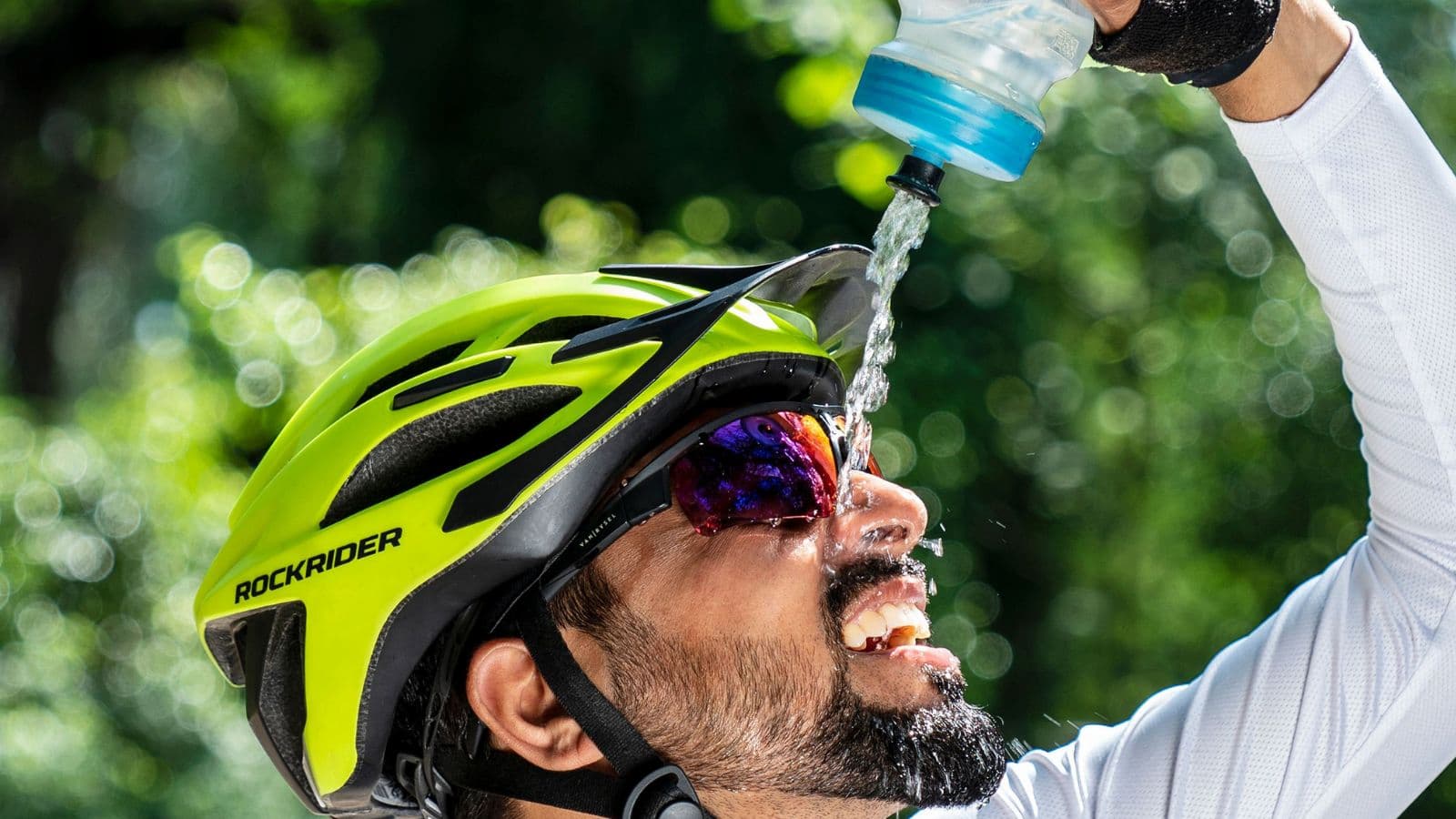
If these symptoms develop during a ride, reduce intensity, seek shade if possible and begin replacing fluids gradually.
Avoid Drinking Too Much
While dehydration is a concern, overhydration can also be dangerous. Drinking excessive amounts of plain water without replacing sodium may dilute blood sodium levels, increasing the risk of exercise-associated hyponatremia during long endurance events.
Rather than forcing yourself to drink continuously:
- Drink according to your hydration plan.
- Replace electrolytes during longer rides.
- Adjust intake based on conditions.
- Listen to your body’s signals.
Balance is the goal.
Heat Acclimation Improves Hydration Efficiency
Your body becomes better at managing heat after repeated exposure.
Heat acclimation typically leads to:
- Earlier onset of sweating.
- Improved cooling.
- Better sodium conservation.
- Lower heart rate at the same workload.
- Greater comfort in hot conditions.
Gradually increasing your exposure to warm-weather training over one to two weeks helps prepare your body for racing in the heat.
Plan Bottle Refills
Long rides often require more fluid than two bottles can provide.
Before heading out:
- Identify refill locations.
- Carry enough bottles.
- Consider hydration packs if appropriate.
- Know where water fountains or shops are located.
Running out of water during a hot ride can quickly turn an effective session into a difficult one.
Use Cold Fluids When Possible
Cool drinks may help lower perceived exertion during hot rides.
While they won’t eliminate heat stress, chilled fluids can:
- Improve comfort.
- Encourage regular drinking.
- Help lower body temperature slightly.
- Make hydration easier during prolonged rides.
Insulated bottles can help keep drinks cooler for longer in very hot weather.
Hydration Supports Recovery
Replacing fluids after training is just as important as drinking during the ride.
Good post-ride hydration helps:
- Restore blood volume.
- Replace sweat losses.
- Support muscle recovery.
- Prepare for your next workout.
Combining fluids with adequate nutrition improves recovery even further. If you’re training frequently, how to recover faster after a triathlon outlines recovery habits that help maintain consistent performance throughout the season.
Hydration Works Alongside Smart Training
Even perfect hydration cannot compensate for poor pacing or excessive training load.
Successful cyclists combine good hydration with:
- Sensible pacing.
- Proper nutrition.
- Adequate recovery.
- Progressive training.
If you’re aiming to build fitness without excessive fatigue, how to increase cycling power without burning out explains how to improve performance while managing training stress.
Common Mistakes
- Waiting until you’re thirsty to drink.
- Drinking only plain water during long hot rides.
- Ignoring electrolyte replacement.
- Using the same hydration strategy year-round.
- Starting rides already dehydrated.
- Drinking too much too quickly.
- Failing to practise race-day hydration.
- Ignoring signs of heat stress.
Practical Tips
- Start every ride well hydrated.
- Drink small amounts every 10–15 minutes.
- Replace electrolytes during longer rides.
- Monitor your sweat rate during training.
- Carry enough fluid for the expected conditions.
- Use cold drinks when practical.
- Adjust fluid intake based on temperature and humidity.
- Test your hydration strategy before race day.
Actionable Takeaways
Most triathletes cycling in hot weather require between 500 and 1,000ml of fluid per hour, but individual needs vary according to sweat rate, weather conditions and ride intensity. Rather than relying on a fixed recommendation, use training rides to determine how much fluid and sodium your body needs to maintain performance.
Effective hydration combines regular drinking, electrolyte replacement and sensible pacing. By practising your hydration strategy throughout training, you’ll arrive at race day knowing exactly how to fuel and hydrate under hot conditions.