
Swimming is often considered the most technical discipline in triathlon. Unlike cycling and running, where fitness can sometimes compensate for poor form, swimming efficiency depends heavily on technique. Small improvements in body position, stroke mechanics, and breathing can produce significant gains in speed while reducing energy expenditure. For triathletes, pool drills provide an excellent opportunity to isolate specific aspects of the stroke and develop better habits that transfer to open-water racing. Regularly incorporating drills into swim sessions can improve efficiency, confidence, and overall race performance.
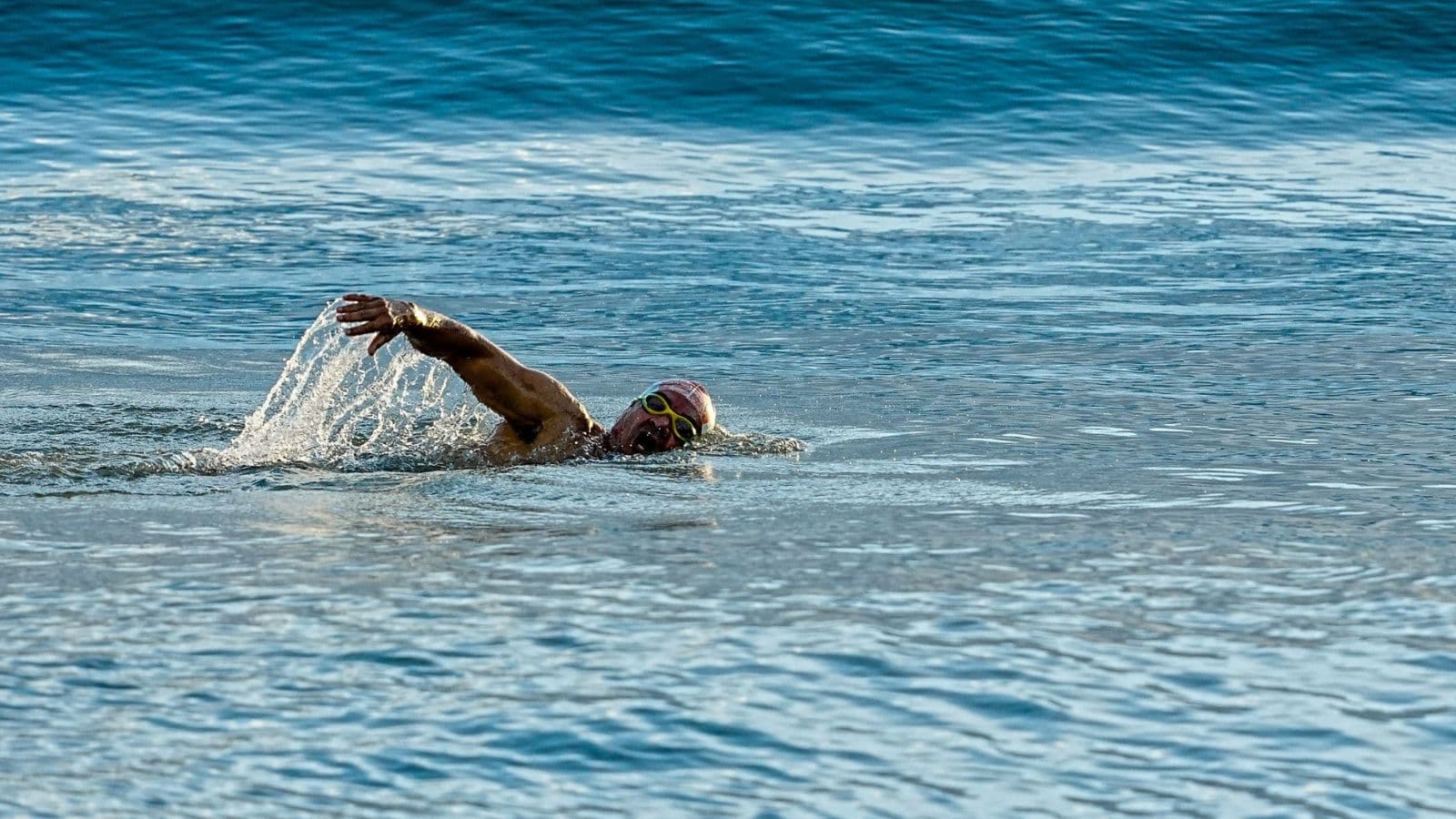
Why Swim Drills Matter?
Many triathletes spend most of their swim sessions simply accumulating laps. While fitness is important, repeating poor technique thousands of times often reinforces bad habits.
Drills help athletes:
- Improve body awareness
- Refine stroke mechanics
- Increase efficiency
- Develop better balance in the water
- Reduce unnecessary energy expenditure
Athletes who understand why is a level body position important for triathlon swimming know that efficient technique often provides greater gains than simply swimming harder.
Catch-Up Drill
The catch-up drill is one of the most popular swim drills for triathletes.
In this drill:
- One arm remains extended forward
- The recovering arm waits until it “catches up”
- The next stroke begins only after both hands meet
Benefits include:
- Improved body alignment
- Better stroke timing
- Increased front-end stability
This drill encourages patience during the stroke and helps swimmers avoid rushing.
Fingertip Drag Drill
The fingertip drag drill helps improve recovery mechanics.
During recovery:
- Lightly drag fingertips across the water surface
- Maintain a high elbow position
Benefits include:
- Better stroke efficiency
- Improved arm recovery
- Reduced shoulder stress
Athletes who understand what is swimmer’s shoulder and how can triathletes prevent it often appreciate how efficient recovery mechanics can reduce unnecessary strain.
Single-Arm Drill
Single-arm swimming isolates each side of the stroke.
This drill helps improve:
- Balance
- Pull mechanics
- Body rotation
- Breathing control
Swim with one arm while the other remains extended or resting at your side. Many triathletes quickly discover asymmetries they never noticed during full-stroke swimming.
Side-Kick Drill
The side-kick drill develops body position and balance.
Athletes:
- Kick while lying on one side
- Keep one arm extended
- Rotate periodically to the opposite side
Benefits include:
- Improved balance
- Better rotation
- Enhanced body awareness
Efficient swimmers spend less energy fighting the water and more energy moving through it.
Sculling Drill
Sculling focuses on developing feel for the water.
Small hand movements help swimmers:
- Improve catch awareness
- Increase water sensitivity
- Develop propulsion efficiency
This drill teaches athletes how to apply pressure effectively throughout the stroke.
6-1-6 Drill
This drill combines kicking and rotation.
The pattern involves:
- Six kicks on one side
- One stroke
- Six kicks on the opposite side
Benefits include:
- Improved balance
- Better rotation timing
- Enhanced body control
Athletes who understand how do triathletes improve freestyle efficiency in open water often find this drill particularly useful for developing stability.
Closed-Fist Drill
Swimming with closed fists removes much of the hand’s surface area.
This forces swimmers to:
- Engage the forearms
- Improve catch mechanics
- Develop better water feel
When normal swimming resumes, many athletes notice improved awareness of their pull.
Tarzan Drill
The Tarzan drill involves swimming freestyle while keeping the head above the water.
Benefits include:
- Improved sighting ability
- Stronger kick engagement
- Better race-specific preparation
This drill is particularly valuable for open-water triathletes who need to sight regularly during races.
Breathing Pattern Drill
Many triathletes struggle with breathing efficiency.
Structured breathing drills can include:
- Bilateral breathing
- Three-stroke breathing
- Variable breathing patterns
Benefits include:
- Improved breath control
- Better stroke rhythm
- Increased comfort in open water
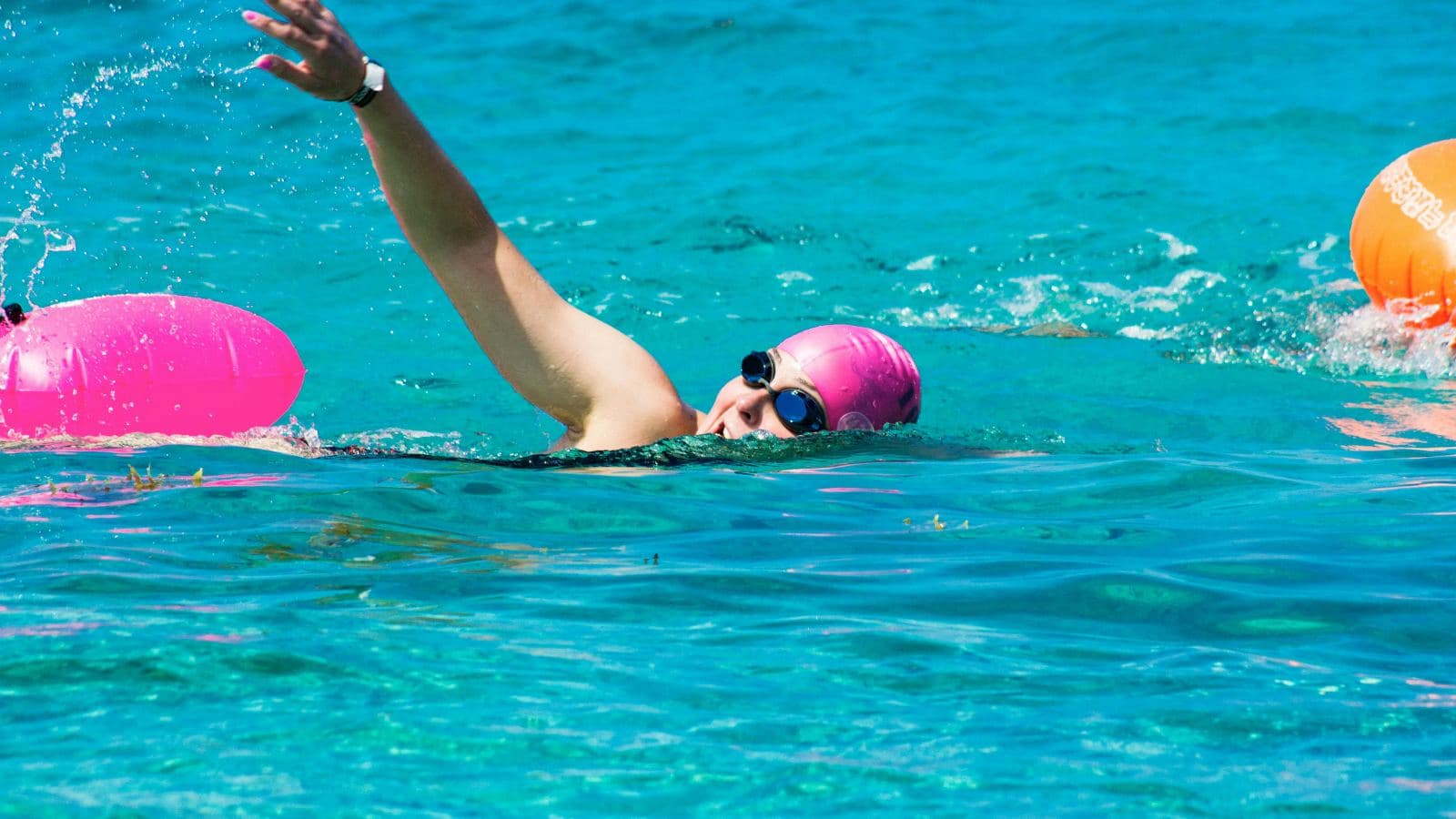
Athletes who understand how can triathletes reduce the risk of a swim cancellation on race day know that confidence in the water often begins with effective breathing.
Kickboard Drills
Although triathlon swimming relies less heavily on kicking than pool sprint events, kickboard drills still provide benefits.
They help:
- Improve leg endurance
- Enhance body awareness
- Strengthen the kick
A balanced kick contributes to better overall body position.
Pull Buoy Drills
Pull buoy work allows athletes to focus on:
- Upper-body mechanics
- Catch development
- Stroke efficiency
While it should not replace normal swimming, it can be useful for reinforcing proper pulling technique.
Build Technique Before Fitness
One of the biggest mistakes triathletes make is prioritising volume before technique. Athletes who understand how can beginners progress from couch to triathlon often discover that technical improvements create faster gains than simply adding more swim distance. Good habits should come first.
Use Drills Throughout the Season
Drills are not only for beginners.
Experienced triathletes regularly revisit technique work to:
- Correct inefficiencies
- Maintain good habits
- Improve performance
Small adjustments can create meaningful gains over time.
Mental Focus Improves Technique
Swim drills require concentration. Athletes who understand what mindset helps triathletes perform at their best often appreciate that focused practice produces better results than mindlessly swimming laps. Quality matters and it helps to improve the endurance of the triathletes.
How to Incorporate Drills Into Training?
A simple approach is to include drills during the warm-up portion of swim sessions.
For example:
- 200m easy swim
- 4 x 50m drill
- 4 x 50m technique-focused swim
- Main set
This structure allows athletes to reinforce proper mechanics before higher-intensity work begins.
Common Swim Drill Mistakes
Many triathletes:
- Rush through drills
- Focus on speed instead of technique
- Use poor body position
- Ignore feedback
- Skip drills entirely
- Perform too many drills without application
- Lose focus during practice
- Expect immediate results
Technique development requires patience and repetition.