

Swimming is often described as the most technical discipline in triathlon. Unlike cycling and running, where the body is supported by the ground or a bicycle, swimming requires athletes to move efficiently through water while overcoming constant resistance. Small improvements in technique can therefore produce significant gains in speed, energy conservation, and overall performance. One of the most important elements of swim technique is maintaining a level body position.
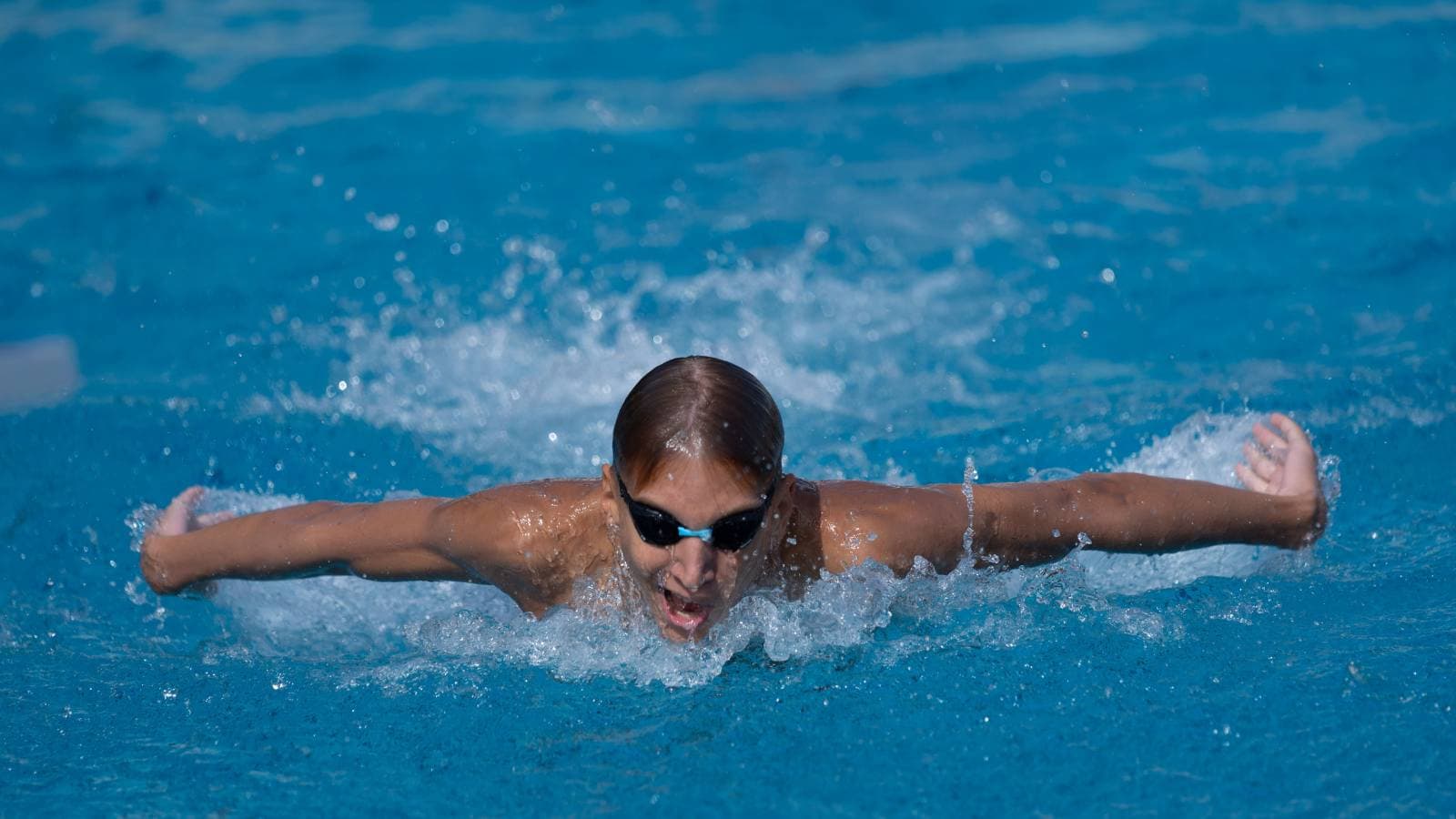
Whether competing in a sprint triathlon or an Ironman, triathletes who can keep their bodies aligned near the surface of the water typically swim faster and more efficiently than those whose legs and hips sink. A level body position reduces drag, improves propulsion, and conserves valuable energy for the bike and run that follow.
What Is a Level Body Position?
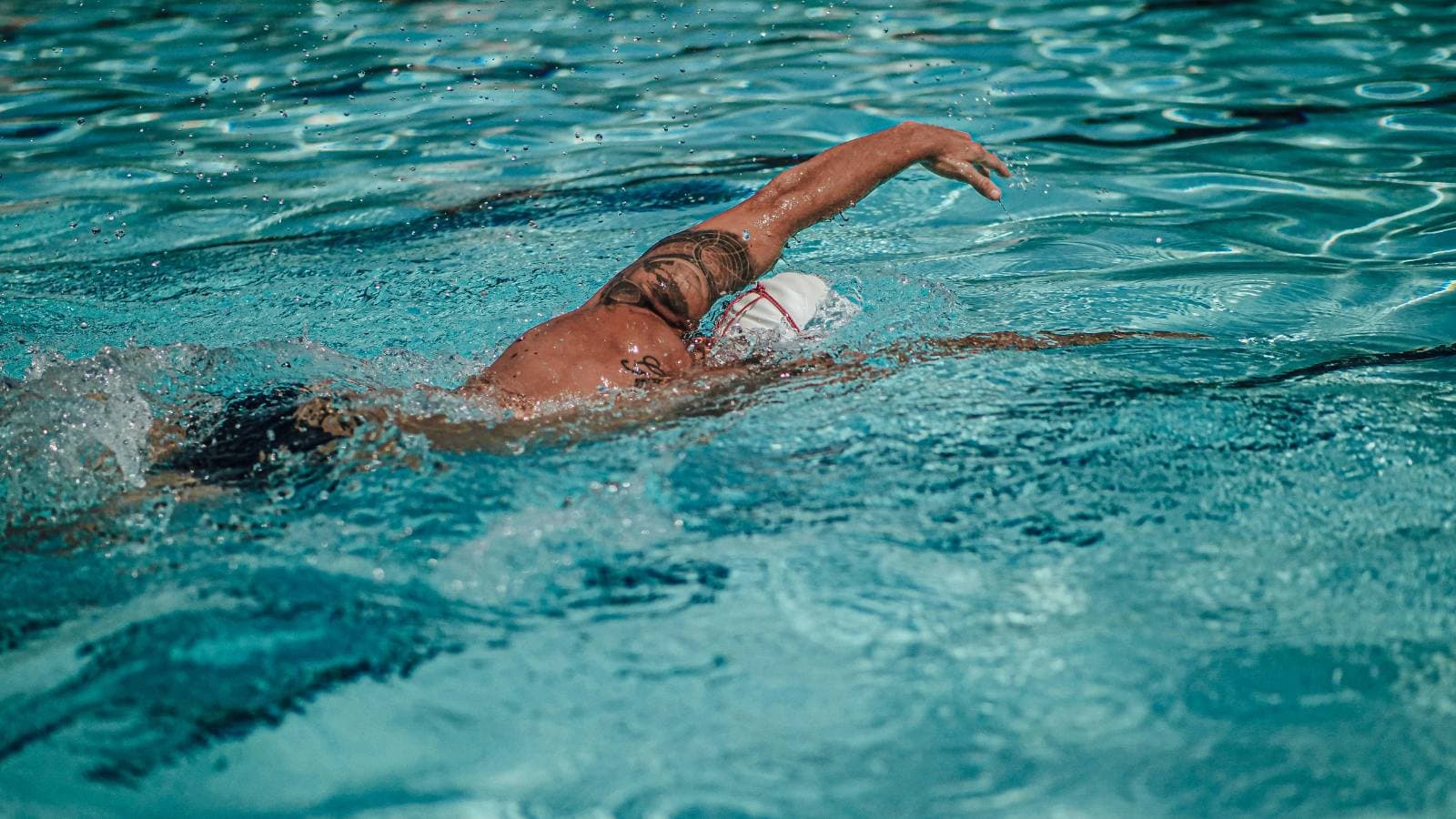
A level body position refers to maintaining the body in a relatively straight, horizontal alignment near the water’s surface.
Ideally:
- Head remains neutral
- Hips stay high
- Legs remain close to the surface
- Spine stays aligned
Rather than swimming uphill through the water, the athlete moves forward in a streamlined position. Triathletes who understand how do triathletes improve freestyle efficiency in open water often discover that body position is one of the biggest contributors to swimming efficiency.
Water Resistance Is the Biggest Enemy
Swimming is largely about reducing drag. Water creates far more resistance than air, meaning even small positioning errors can significantly slow a swimmer down.
When the legs drop:
- Frontal surface area increases
- Drag increases
- Energy costs rise
Athletes who understand what causes itchy skin after swimming may focus on post-swim comfort, but during the swim itself, minimising resistance is one of the most important performance goals.
A level body position helps achieve that.
Better Body Position Improves Speed
Many triathletes attempt to swim faster by increasing stroke rate.
However, if body position is poor, additional effort often produces limited results.
A level position allows swimmers to:
- Move through the water more efficiently
- Maintain momentum
- Convert effort into forward movement
Athletes who understand how can beginners progress from couch to triathlon often learn that technical improvements can produce substantial gains without requiring additional fitness.
Efficiency matters.
High Hips Reduce Drag
The hips play a critical role in body alignment.
When the hips sink:
- The legs usually sink as well
- Resistance increases dramatically
- Forward progress becomes more difficult
Strong swimmers typically maintain hip positions close to the water’s surface. This creates a streamlined shape that moves more easily through the water.
Energy Conservation Is Crucial for Triathletes
Unlike pool swimmers, triathletes must save energy for two additional disciplines.
A swimmer who wastes energy fighting drag may:
- Exit the water fatigued
- Bike less efficiently
- Run more slowly
Athletes who understand how to recover faster after a triathlon often appreciate that energy management begins long before the finish line.
The swim should set up the rest of the race, not compromise it.
Breathing Becomes Easier
Body position influences breathing mechanics.
When the body remains level:
- Rotation becomes smoother
- Breathing feels more natural
- Less disruption occurs during strokes
Athletes who understand what is swimmer’s shoulder and how can triathletes prevent it often discover that efficient technique reduces unnecessary strain throughout the entire stroke cycle.
Everything works together.
Core Strength Supports Alignment
Maintaining a level body position requires more than swimming fitness.
The core helps stabilise:
- Hips
- Spine
- Torso rotation
Athletes who understand how to transition from a single-sport athlete to a triathlete often discover that strength and stability contribute significantly to swimming performance.
A strong core helps maintain efficient positioning throughout longer swims.
Head Position Matters
Many swimmers unintentionally lift their heads too high.
This often causes:
- Hips to drop
- Legs to sink
- Drag to increase
A neutral head position helps maintain overall alignment. The body tends to follow the position of the head. Small adjustments can create surprisingly large improvements.
Kicking Becomes More Effective
When body position improves, kicking often becomes more productive. Rather than using the kick primarily to keep the legs afloat, athletes can use it to:
- Support balance
- Maintain rhythm
- Assist propulsion
Athletes who understand how can triathletes reduce the risk of a swim cancellation on race day often spend significant time developing open-water confidence and technique.
Efficient kicking is part of that process.
Open-Water Conditions Magnify Technique Issues
Pool swimming provides:
- Calm water
- Lane lines
- Predictable conditions
Open water introduces:
- Waves
- Currents
- Crowded starts
- Variable visibility
Poor body position often becomes more noticeable in these environments. Athletes who understand how to handle sudden weather changes during a triathlon race know that efficient technique becomes increasingly important when conditions become challenging.
Improved Rotation Supports Better Swimming
Freestyle swimming relies on body rotation.
A level body position helps swimmers:
- Rotate efficiently
- Reach effectively
- Maintain stroke rhythm
Athletes who focus on what mindset helps triathletes perform at their best often appreciate that confidence grows when technique feels smooth and controlled.
Good positioning supports that feeling.
Fatigue Often Causes Position Breakdown
As swimmers become tired, body position frequently deteriorates.
Common signs include:
- Dropping hips
- Increased drag
- Reduced stroke efficiency
- Shorter stroke length
Athletes who understand what strategies should triathletes follow for a better recovery often recognise that fitness and technique are closely connected.
The fitter the athlete, the easier it becomes to maintain good form.
Common Causes of Poor Body Position
Many triathletes struggle because of:
- Weak core muscles
- Lifting the head excessively
- Poor breathing mechanics
- Limited swim experience
- Inadequate technique work
- Excess tension in the water
Fortunately, all of these areas can improve with practice.
Drills That Help Improve Body Position
Many swimmers benefit from drills such as:
- Kick-on-side drills
- Streamline kicking
- Balance drills
- Catch-up drill variations
- Single-arm swimming
These exercises help develop awareness of body alignment and balance.
How Triathletes Can Improve Body Position?
Athletes can improve their body position by:
- Maintaining a neutral head position
- Strengthening the core
- Practising balance drills
- Improving breathing mechanics
- Developing better rotation
- Swimming consistently
- Seeking technique feedback
- Spending more time in open water
Small technical improvements often lead to significant performance gains.
Why It Matters on Race Day?
A level body position helps triathletes:
- Swim faster
- Reduce drag
- Conserve energy
- Improve breathing
- Maintain efficiency
- Support better bike and run performances
Because triathlon is a multi-discipline sport, efficiency is often more valuable than pure speed.
The athletes who exit the water feeling controlled and energised frequently set themselves up for stronger overall races.