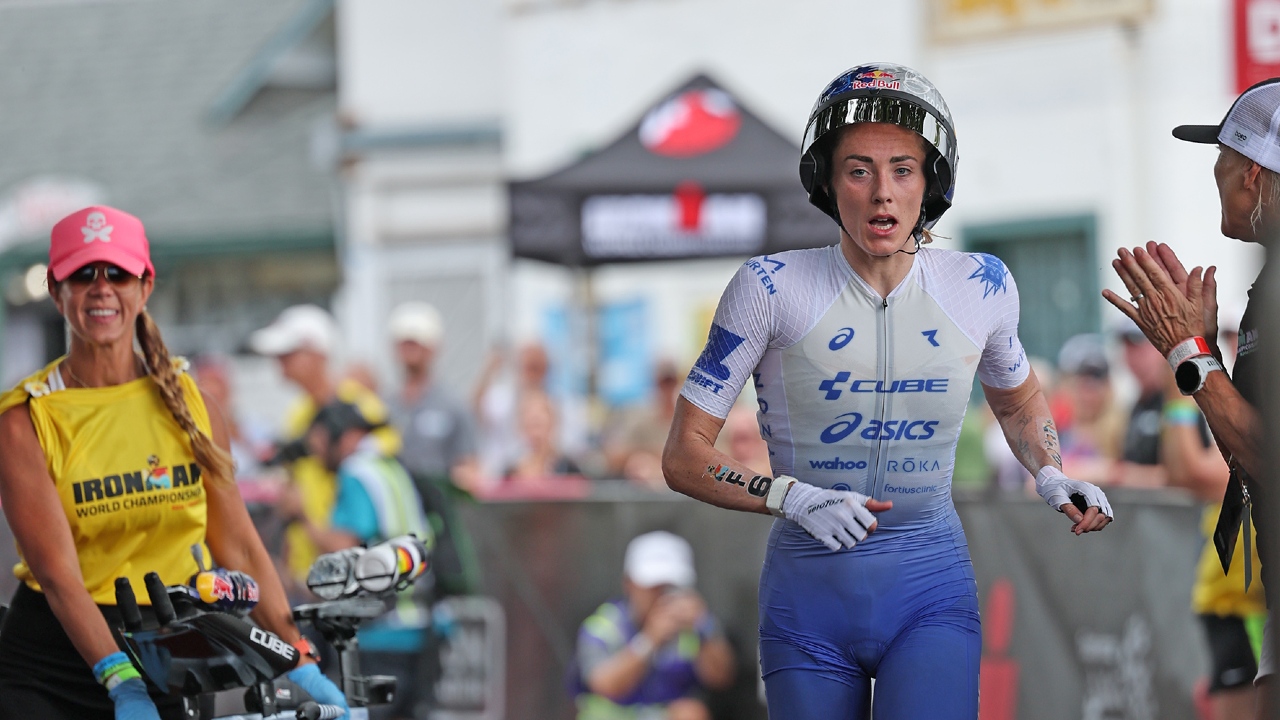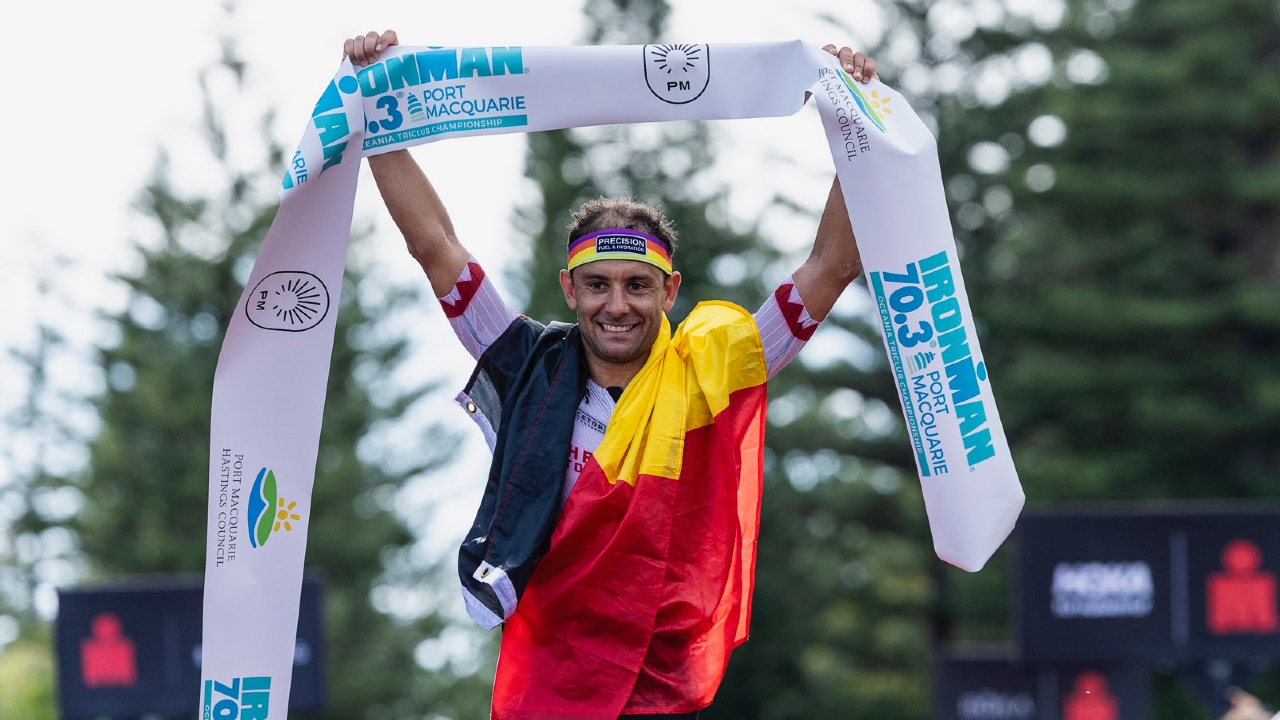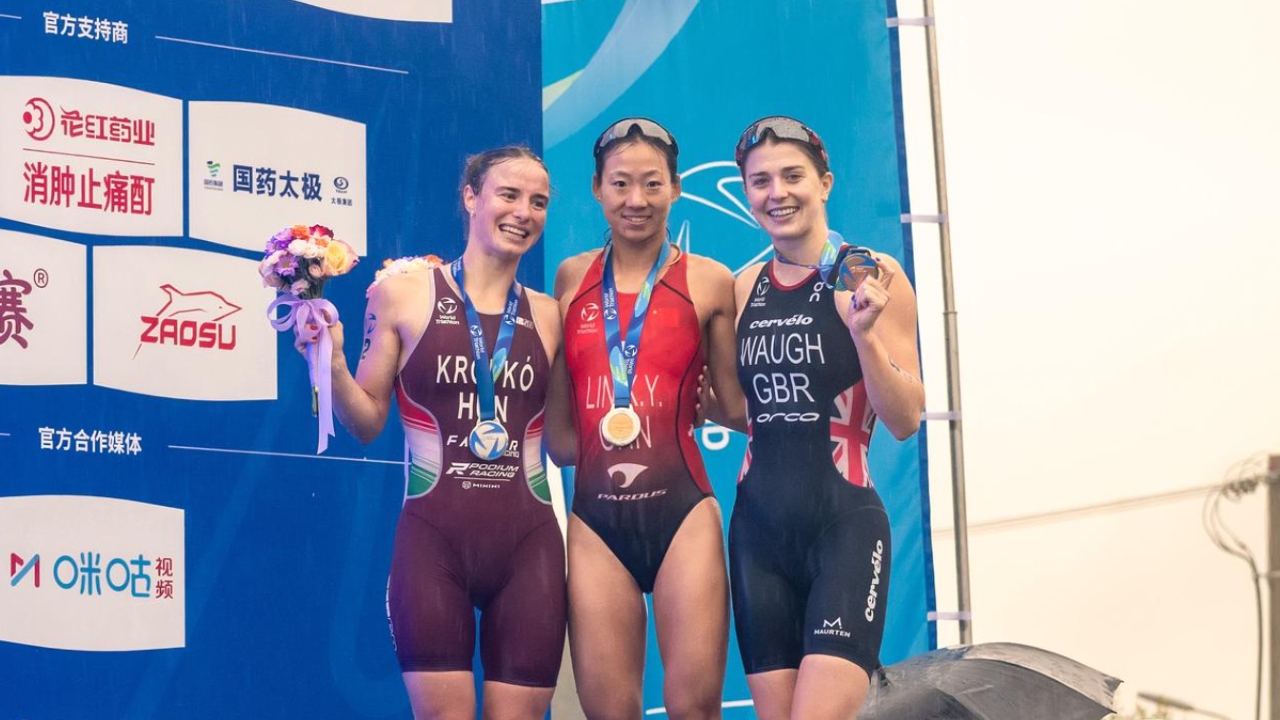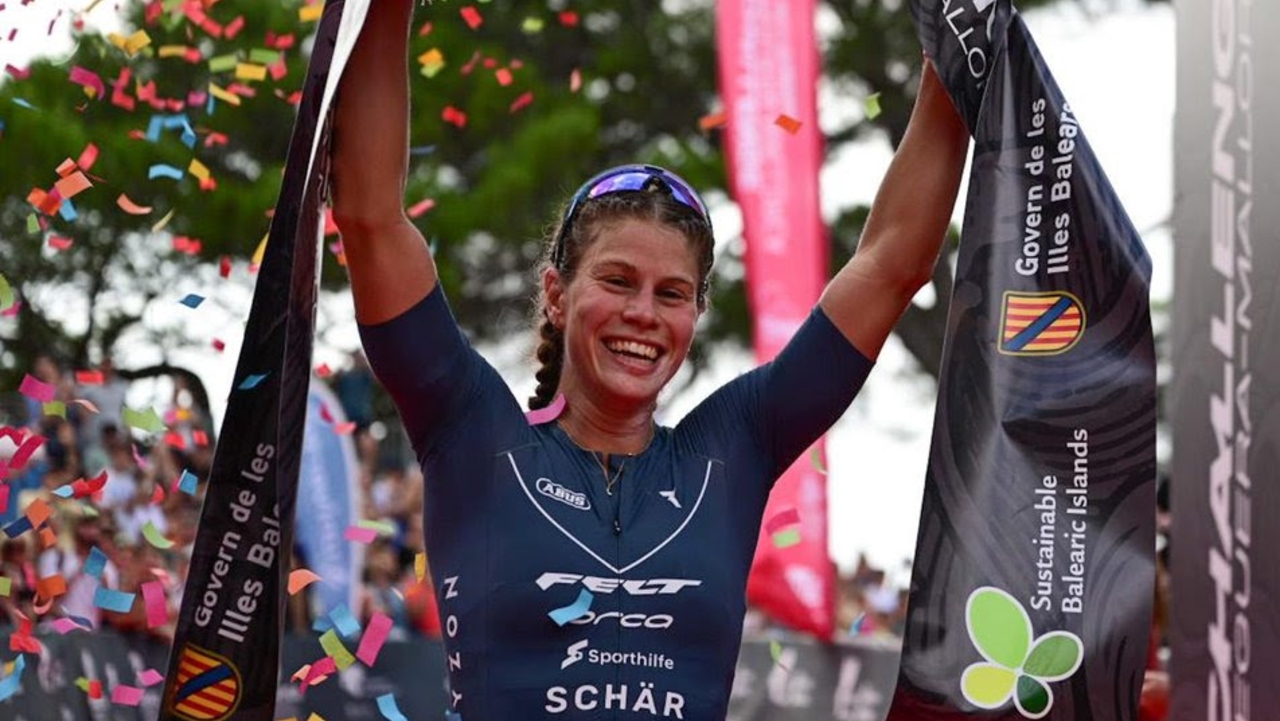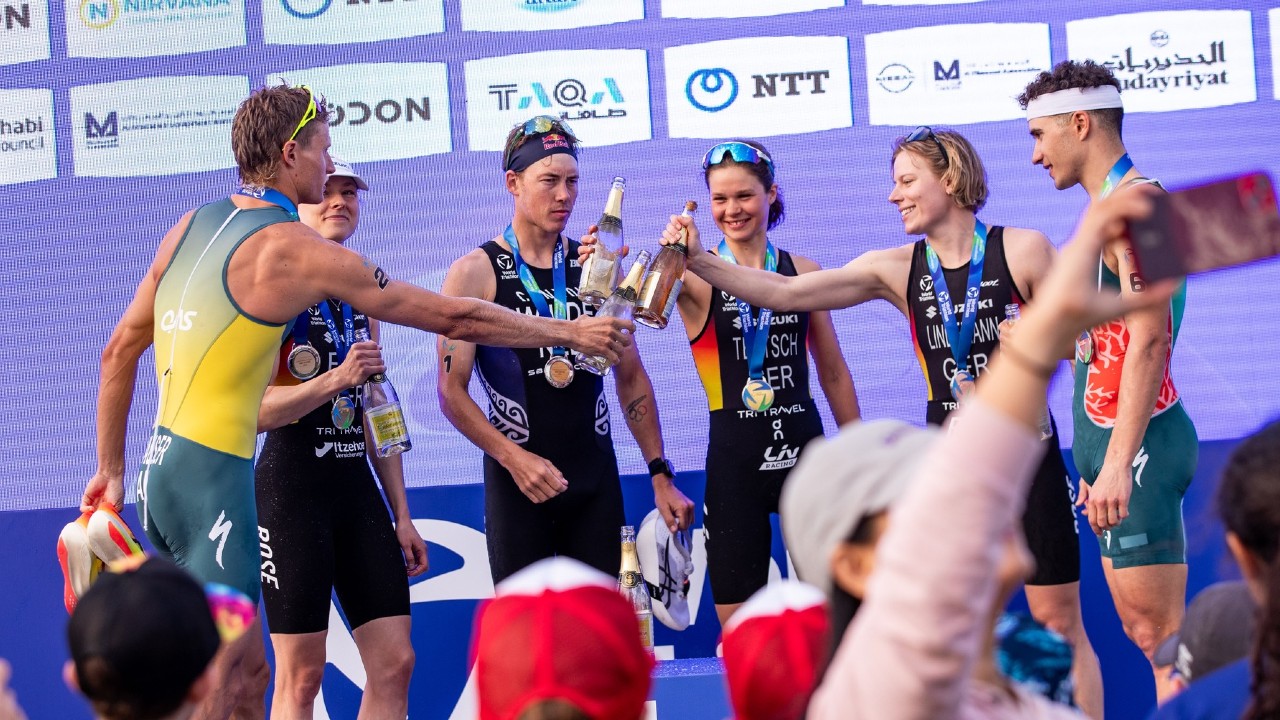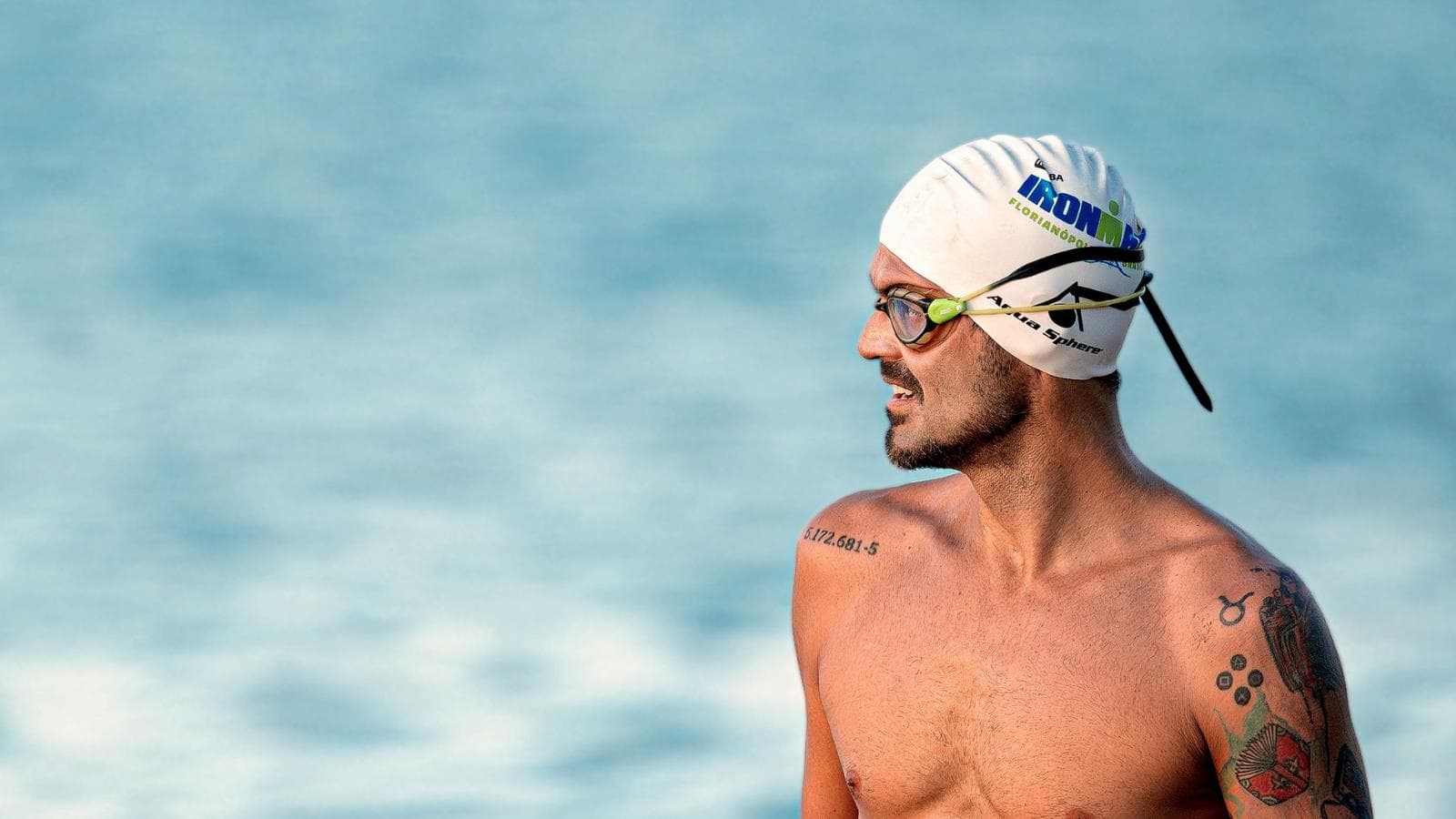


Few race-day announcements disappoint triathletes more than hearing that the swim has been cancelled. For many athletes, the swim is an integral part of the triathlon experience. Months of preparation often include:
- Open-water sessions
- Technique work
- Swim-specific fitness
- Race simulations
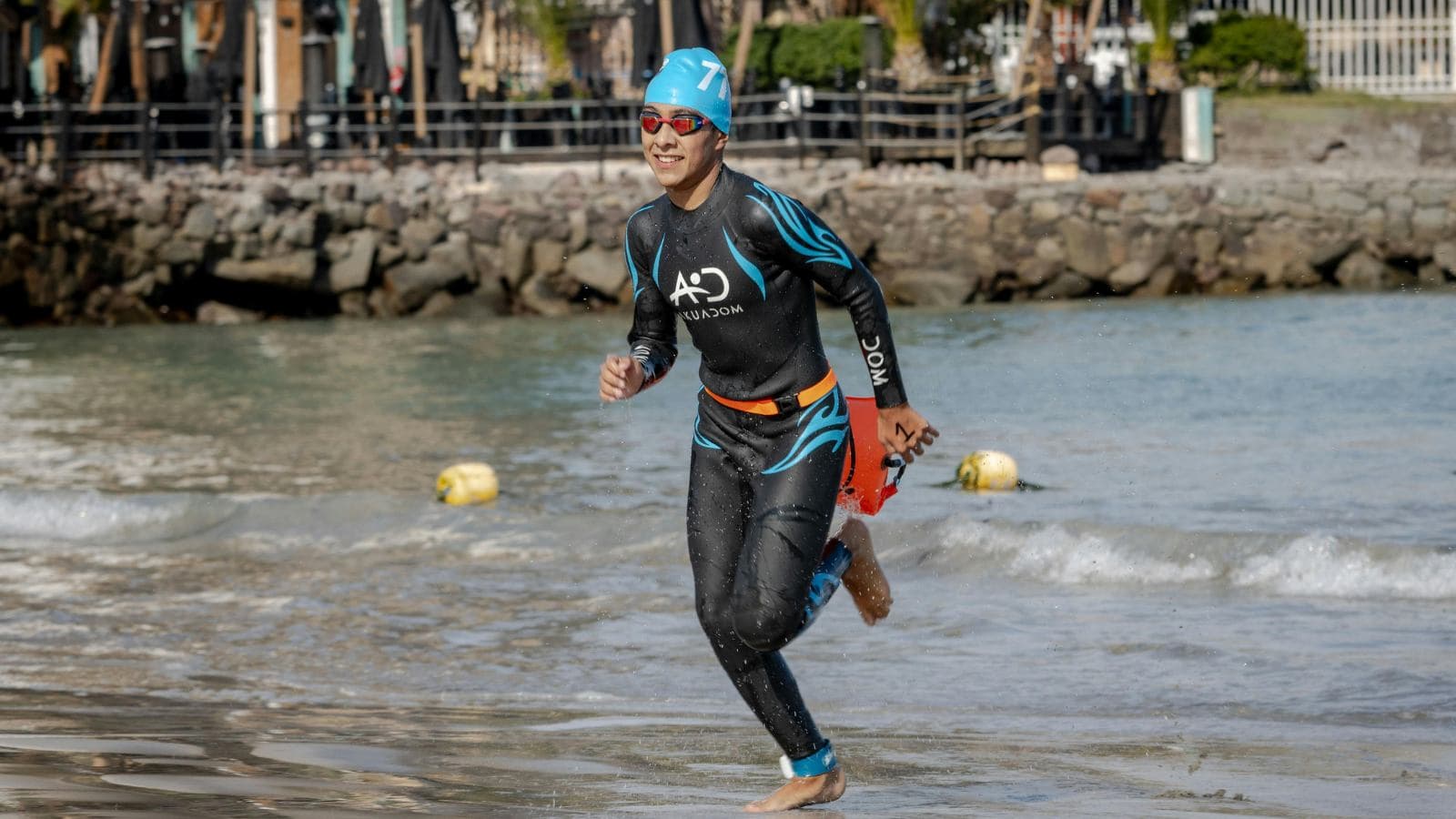
When race organisers cancel the swim, the event can feel very different from what competitors expected. The reality is that athletes cannot directly control whether a race swim goes ahead. Race directors must prioritise participant safety and make decisions based on conditions such as:
- Water quality
- Water temperature
- Weather
- Visibility
- Currents
- Safety resources
However, while triathletes cannot prevent cancellations themselves, they can reduce the likelihood that they are personally affected by swim cancellations and improve their ability to adapt if one occurs.
The goal is not controlling the weather. The goal is making smart decisions before race day and preparing for multiple scenarios.
Choose Events With a Strong Track Record
Some venues experience swim cancellations more frequently than others.
Factors that may increase cancellation risk include:
- Exposed coastlines
- Unpredictable weather
- Strong currents
- Seasonal storms
Before registering, athletes should research:
- Historical race conditions
- Previous swim cancellations
- Typical weather patterns
Athletes preparing through 10 things you need to know before your first triathlon often discover that race selection plays a major role in overall race-day experience.
A little research can provide valuable insight.
Gain Open-Water Experience
One common reason organisers modify swims is participant safety concerns during difficult conditions. While athletes cannot influence official decisions, being comfortable in open water helps reduce individual risk.
Open-water confidence improves:
- Decision-making
- Positioning
- Relaxation
- Safety awareness
Athletes who regularly practise how do triathletes improve freestyle efficiency in open water often feel more prepared when conditions become challenging.
The more comfortable athletes are in open water, the more adaptable they become.
Practise Swimming in Different Conditions
Many athletes only swim when conditions are ideal. However, race-day conditions are rarely perfect.
Training occasionally in:
- Choppy water
- Cooler temperatures
- Windy conditions
- Reduced visibility
can improve confidence and adaptability. This does not mean training in unsafe conditions. It means gradually expanding comfort zones within safe environments.
Learn How Water Temperature Affects Performance
Cold water is one of the most common factors influencing race-day decisions. Athletes who understand how does water temperature affect triathlon swim performance often arrive better prepared because they know how their body responds to different temperatures.
Preparation may include:
- Wetsuit practice
- Cold-water acclimation
- Pacing adjustments
Temperature management can influence both safety and performance.
Follow Race Communications Closely
Many athletes ignore race updates until the day before the event.
However, race organisers often provide:
- Water-quality reports
- Weather forecasts
- Course updates
- Safety notices
Monitoring these communications can help athletes prepare mentally for potential changes.
Being informed reduces surprises.
Prepare for Alternative Race Formats
If the swim is cancelled, organisers may:
- Start with the bike
- Use a duathlon format
- Introduce a time-trial start
- Adjust race distances
Athletes who understand how to pace a triathlon properly often adapt more effectively because they focus on effort management rather than rigid expectations.
Flexibility is a valuable race-day skill.
Improve Overall Swim Fitness
Strong swimmers are often more comfortable in difficult conditions.
Better fitness can improve:
- Confidence
- Efficiency
- Safety margins
Athletes who focus on how to start swimming as a beginner triathlete often discover that consistent, healthy swim training supports both performance and resilience.
Fitness alone will not prevent a cancellation, but it can improve readiness when conditions become challenging.
Arrive Early When Possible
Travelling to a race destination with adequate time before the event provides opportunities to:
- Assess conditions
- Practise in local waters
- Familiarise yourself with the venue
Athletes who prepare through training for open water swimming in 8 weeks often learn that familiarity reduces uncertainty and improves confidence.
Race-week preparation begins before race morning.
Respect Safety Decisions
One mistake some athletes make is becoming frustrated when organisers cancel swims.
Race directors must consider:
- Thousands of participants
- Volunteer safety
- Rescue capabilities
- Environmental conditions
These decisions are never made lightly. Athletes who understand what mindset helps triathletes perform at their best often focus on controllable factors rather than dwelling on circumstances beyond their control.
Acceptance can reduce unnecessary stress.
Train for More Than One Scenario
Mental preparation is often overlooked.
Before race day, consider:
- Full triathlon
- Shortened swim
- Duathlon format
- Delayed start
Athletes who regularly practise how to handle sudden weather changes during a triathlon race tend to adapt better because they expect unpredictability rather than resisting it.
Prepared athletes are usually calmer athletes.
Build Confidence Without Relying on Perfect Conditions
Many triathletes feel comfortable only when:
- Water is calm
- Visibility is good
- Temperatures are ideal
However, races often involve less-than-perfect environments. Building confidence across a range of conditions may reduce anxiety and improve decision-making. The goal is not becoming fearless.
The goal is becoming adaptable.
Understand Water Quality Risks
Not all swim cancellations are weather-related.
Poor water quality can result from:
- Heavy rainfall
- Pollution
- Algae blooms
- Bacterial contamination
Athletes should understand that these factors may create legitimate health concerns.
Race organisers often monitor water quality carefully before making decisions.
Focus on What You Can Control
Triathletes cannot control:
- Storms
- Currents
- Water quality
- Race-director decisions
They can control:
- Preparation
- Fitness
- Open-water skills
- Adaptability
- Recovery
Athletes who follow what strategies should triathletes follow for a better recovery often understand that focusing on controllable factors produces better outcomes than worrying about variables outside their influence.
Use Cancellations as Learning Opportunities
If a swim is cancelled, it does not mean the preparation was wasted.
Swim training still provides:
- Aerobic fitness
- Technique development
- Confidence
- Endurance adaptations
Athletes who understand how can triathletes stay on track after missing a workout often appreciate that setbacks rarely erase progress.
One cancelled swim does not invalidate months of preparation.
Common Mistakes Triathletes Make
Many athletes increase frustration by:
- Ignoring race updates
- Avoiding open-water practice
- Training only in perfect conditions
- Becoming emotionally attached to one race scenario
- Focusing on uncontrollable factors
- Underestimating safety concerns
- Refusing to adapt
- Neglecting mental preparation
Most of these issues can be avoided with a more flexible mindset.
Practical Ways to Reduce Swim Cancellation Impact
Triathletes can improve readiness by:
- Choosing races carefully
- Building open-water experience
- Practising in varied conditions
- Monitoring race communications
- Improving swim fitness
- Preparing for alternative race formats
- Respecting safety decisions
- Staying adaptable
While athletes cannot guarantee a swim will take place, they can significantly improve their ability to handle race-day uncertainty. The most successful triathletes are often not those who rely on perfect conditions but those who adapt effectively when conditions change.