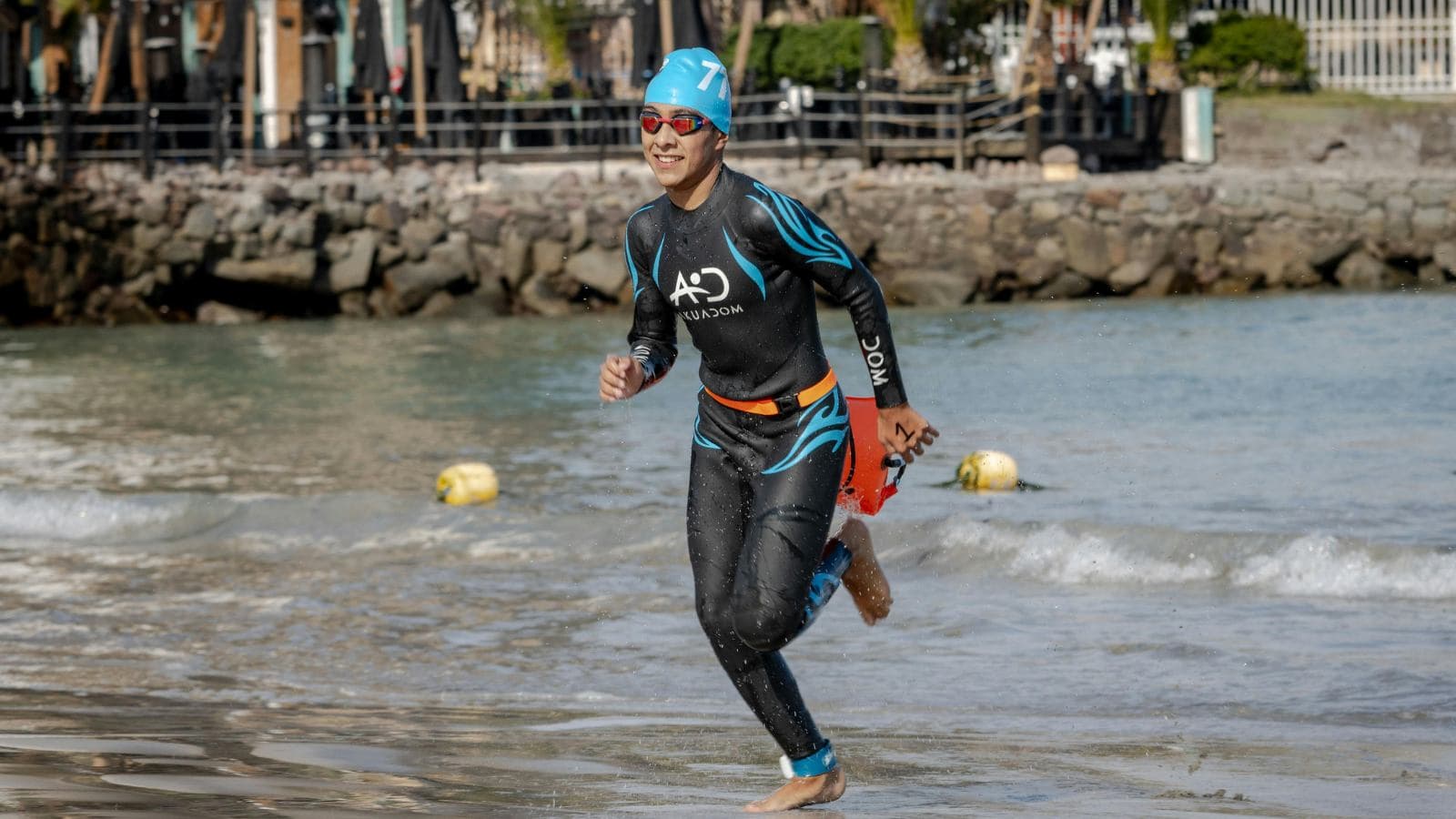


The idea of completing a triathlon can seem overwhelming when you’re starting from the couch. Swimming, cycling, and running in a single event may feel like something reserved for experienced endurance athletes. However, every triathlete started somewhere, and many began with little or no fitness background. The good news is that becoming a triathlete does not happen overnight. It happens through small, consistent steps that gradually build fitness, confidence, and skills over time. The goal is not transforming into an elite athlete in a few weeks. The goal is developing the habits and fitness needed to comfortably complete your first triathlon.
With patience and a structured approach, almost anyone can progress from inactive to race-ready.
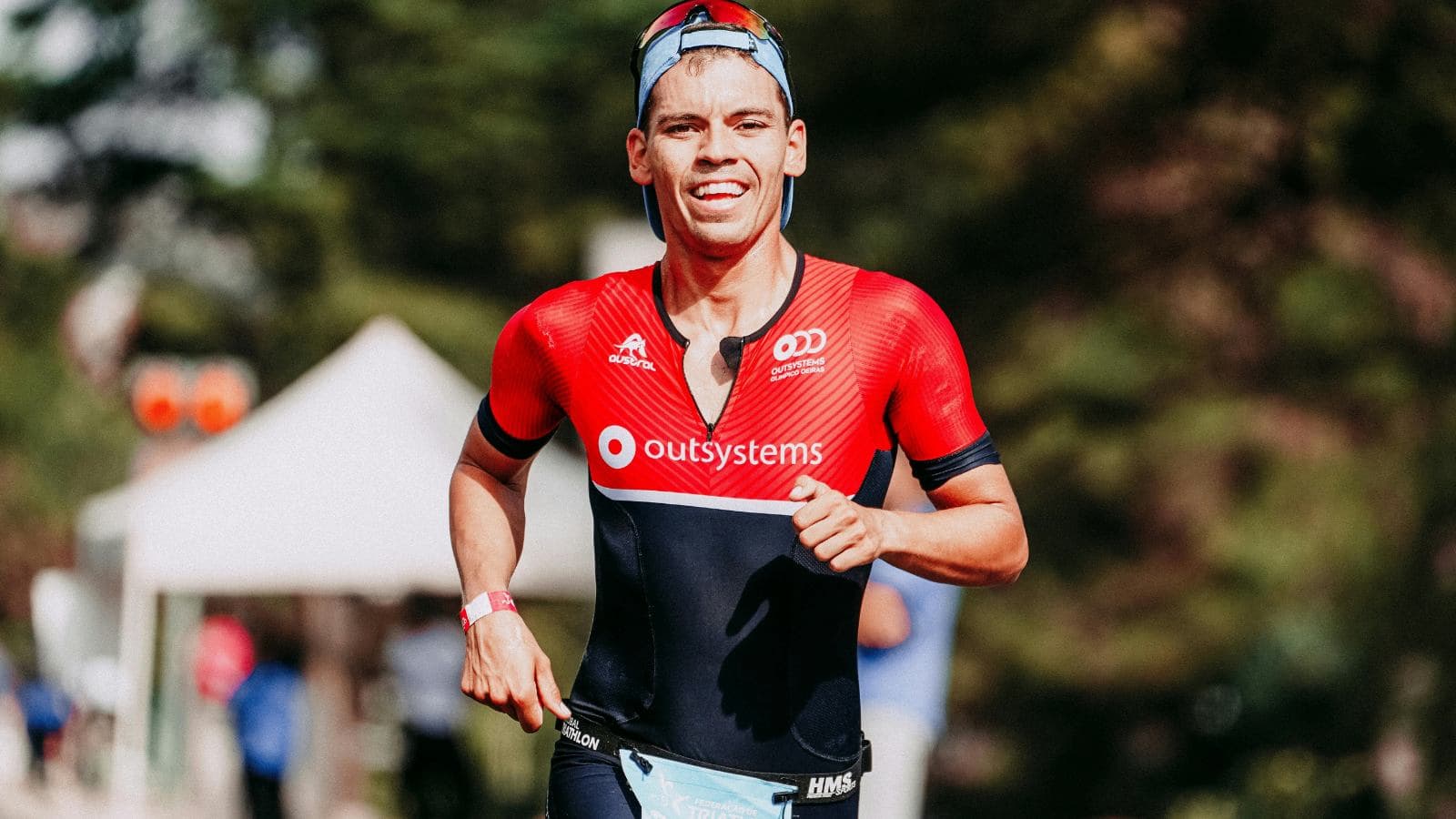
Start by Building Consistency
One of the biggest mistakes beginners make is trying to do too much too soon.
After signing up for a race, it can be tempting to:
- Train every day
- Do long workouts immediately
- Push hard in every session
This often leads to:
- Fatigue
- Frustration
- Injury
- Burnout
Instead, focus on consistency first. Three to four manageable training sessions per week are usually more effective than occasional heroic efforts. Athletes who understand what are adaptations in a triathlon training plan often realise that fitness develops through repeated exposure to manageable training stress rather than occasional extreme sessions.
Consistency beats intensity in the early stages.
Choose an Appropriate First Race
Not all triathlons are the same.
Beginners are usually best served by:
- Super sprint triathlons
- Sprint triathlons
These shorter events allow athletes to gain experience without the overwhelming demands of longer races. Understanding ironman vs 70.3 vs olympic triathlon can help beginners choose a distance that matches their current fitness and available training time.
Starting small often leads to greater long-term success.
Learn to Swim Comfortably
For many beginners, swimming is the most intimidating discipline. The objective initially is not speed. The objective is becoming comfortable in the water.
Focus on:
- Breathing
- Relaxation
- Basic technique
- Consistency
Short sessions performed regularly often produce better results than occasional long swims. Athletes improving through how do triathletes improve freestyle efficiency in open water often discover that comfort and efficiency matter far more than trying to swim hard.
Confidence in the water is a major milestone for new triathletes.
Build a Walking and Running Foundation
Many couch-to-triathlon athletes have little running experience. Starting with walk-run intervals is often the safest approach.
Examples include:
- 1 minute running, 2 minutes walking
- 2 minutes running, 1 minute walking
- Gradual progression over time
This allows:
- Tendons
- Muscles
- Bones
to adapt safely. Athletes who understand what are the running drills that every triathlete should do often improve movement quality while building endurance gradually.
Patience during the running phase helps reduce injury risk significantly.
Use Any Safe Bike You Already Own
One common misconception is that triathlon requires an expensive bicycle.
For a first race, most beginners can use:
- Road bikes
- Hybrid bikes
- Entry-level bikes
The priority should be:
- Safety
- Reliability
- Comfort
Athletes who learn from triathlon gear mistakes that every beginner triathlete should avoid often save considerable money by focusing on fitness and experience rather than unnecessary equipment purchases.
You do not need a superbike to become a triathlete.
Focus on Aerobic Fitness
Most beginner training should feel relatively comfortable.
Aerobic training helps develop:
- Endurance
- Recovery capacity
- Efficiency
Many new athletes mistakenly believe every workout should feel difficult. Athletes following aerobic endurance workouts that every triathlete should know often build stronger long-term fitness because they spend adequate time developing their aerobic base.
Easy training is often the foundation of future performance.
Practice Open-Water Skills Early
If your race includes an open-water swim, it is important to gain experience before race day.
Open water introduces:
- Waves
- Crowds
- Reduced visibility
- Different pacing demands
Athletes who practise how to transition faster after an open water swim often become more comfortable with race-specific situations because they spend time rehearsing realistic conditions.
The more familiar open water feels, the less stressful race morning becomes.
Learn Basic Nutrition Habits
Nutrition does not need to be complicated.
Beginners should focus on:
- Eating consistently
- Staying hydrated
- Supporting recovery
As training volume increases, nutrition becomes more important. Athletes who understand how to fuel properly during a triathlon often experience more productive training sessions and better recovery between workouts.
Good nutrition supports every aspect of progress.
Don’t Ignore Recovery
Many beginners assume improvement comes entirely from training. In reality, adaptation happens during recovery.
Recovery should include:
- Sleep
- Hydration
- Nutrition
- Easy days
Athletes who recognise signs that you need a recovery week often remain healthier and more consistent throughout their training journey. Recovery is not something you earn after becoming fit.
It is part of becoming fit.
Expect Progress to Be Gradual
One of the biggest challenges for beginners is managing expectations. Fitness improvements rarely happen in a straight line.
Some weeks will feel:
- Fantastic
- Difficult
- Frustrating
- Encouraging
All of this is normal. Athletes who understand how can triathletes stay on track after missing a workout often maintain momentum because they focus on long-term consistency rather than individual sessions. Missing one workout does not ruin a training plan.
Giving up does.
Practice Transitions Before Race Day
Many beginners overlook transitions completely. Simple practice can make race day feel much smoother.
Rehearse:
- Removing swim gear
- Putting on cycling equipment
- Switching from bike to run
These small details reduce stress and build confidence. You do not need lightning-fast transitions. You need organised transitions.
Develop Confidence Gradually
Confidence is built through preparation.
Every completed:
- Swim session
- Bike ride
- Run workout
provides evidence that progress is occurring. Athletes who focus on what mindset helps triathletes perform at their best often discover that confidence comes from consistency rather than motivation. You do not need to feel like a triathlete before you start.
You become a triathlete by training consistently.
Avoid Comparing Yourself to Others
Social media can create unrealistic expectations.
Many beginners compare themselves to:
- Experienced racers
- Elite athletes
- Long-time triathletes
This comparison is rarely helpful.
Focus on:
- Personal improvement
- Personal consistency
- Personal milestones
Your journey does not need to look like anyone else’s.
Common Couch-to-Triathlon Mistakes
Many beginners make similar errors such as:
- Training too hard
- Choosing races that are too long
- Buying unnecessary equipment
- Ignoring recovery
- Comparing themselves to others
- Expecting rapid progress
- Skipping swim practice
- Neglecting nutrition
Most of these mistakes can be avoided through patience and realistic expectations.
What Does a Beginner Triathlon Journey Look Like?
Most successful beginners progress through stages:
Weeks 1–4
- Build routine
- Walk-run sessions
- Basic swimming
- Easy cycling
Weeks 5–8
- Increase workout frequency
- Improve endurance
- Practice transitions
- Develop confidence
Weeks 9–12
- Longer workouts
- Open-water practice
- Race-specific preparation
- Nutrition testing
Final Weeks
- Maintain consistency
- Reduce anxiety
- Focus on race readiness
- Trust the process
Progress is rarely perfect, but consistency almost always produces results.
Practical Advice for New Triathletes
If you’re starting from the couch, focus on:
- Consistency over intensity
- Building aerobic fitness
- Learning swim skills
- Gradually increasing volume
- Practising transitions
- Supporting recovery
- Staying patient
- Enjoying the journey
The athletes who successfully progress from couch to triathlon are rarely the most talented. They are usually the athletes who show up consistently, trust the process, and keep moving forward one workout at a time.