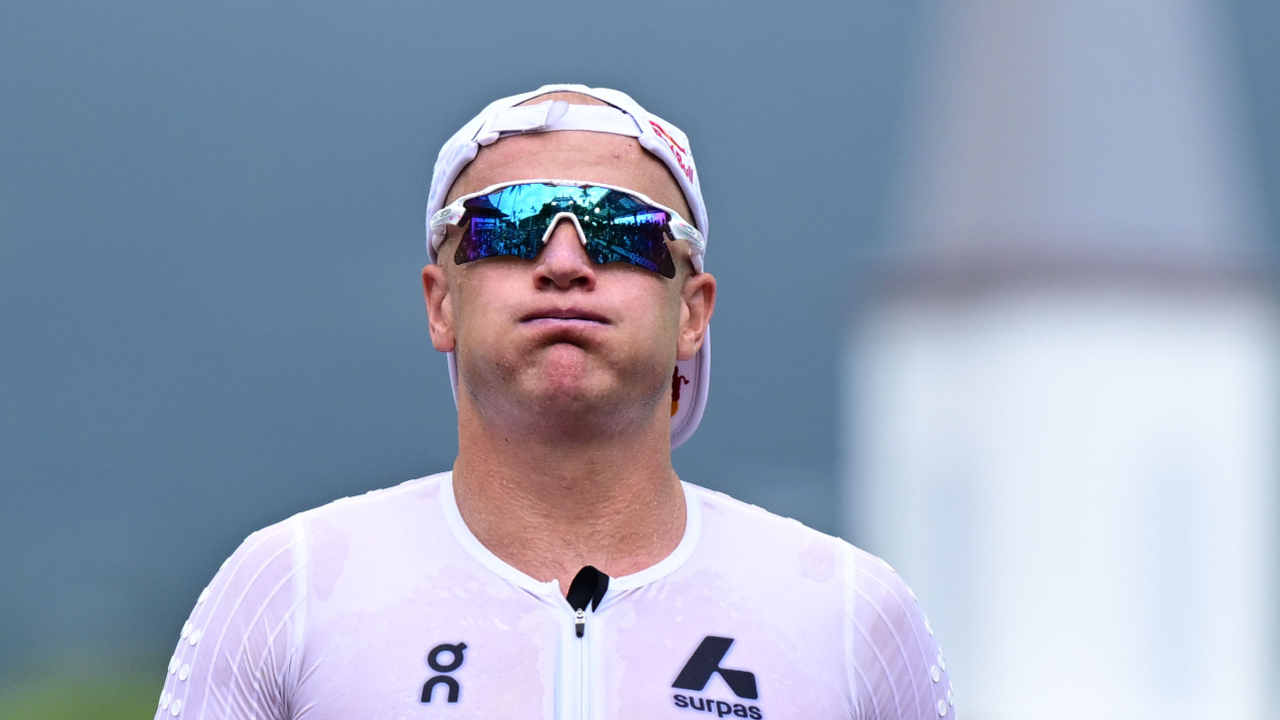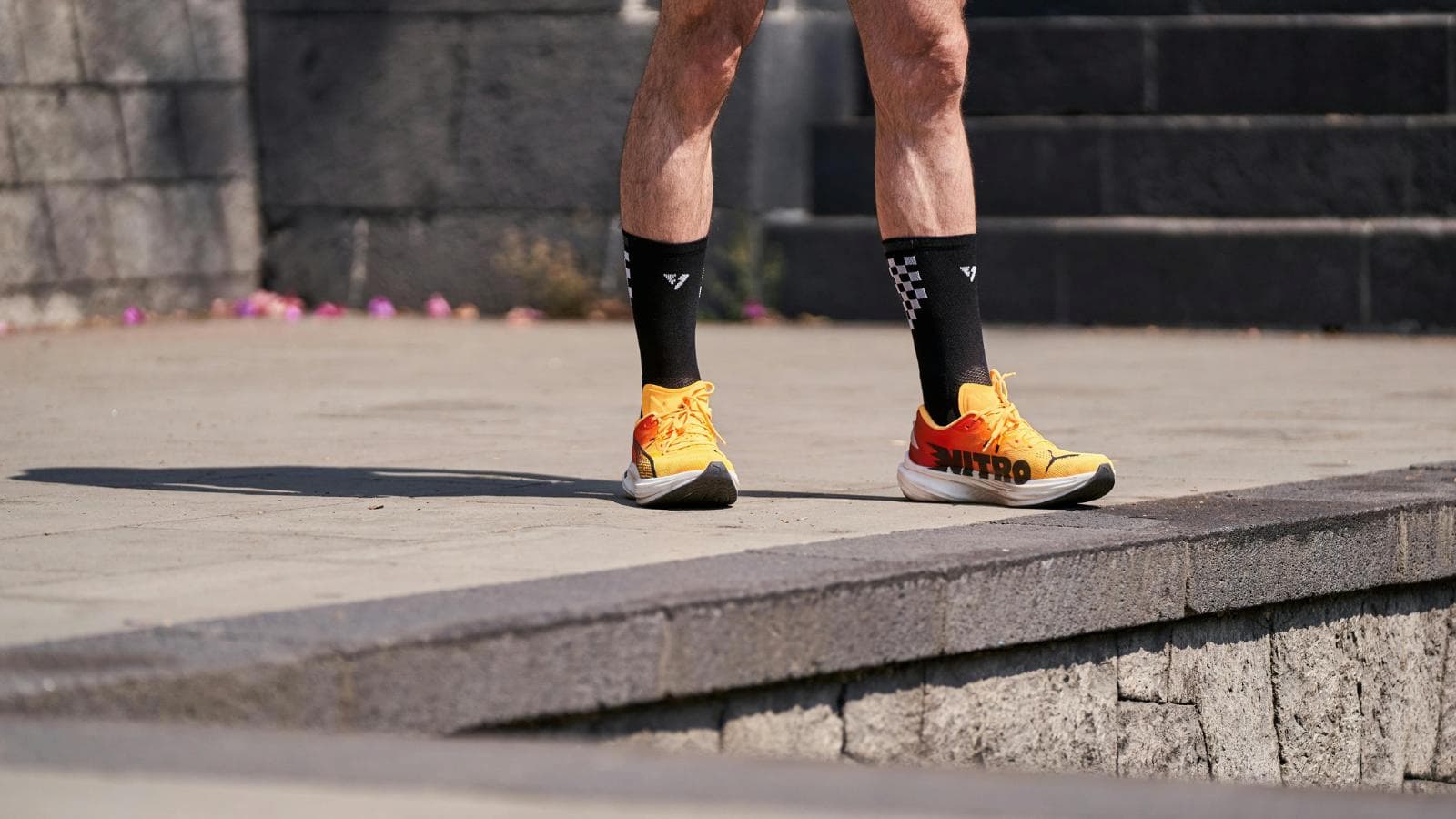


Running drills help triathletes improve:
- Running economy
- Coordination
- Cadence
- Posture
- Efficiency
- Neuromuscular control
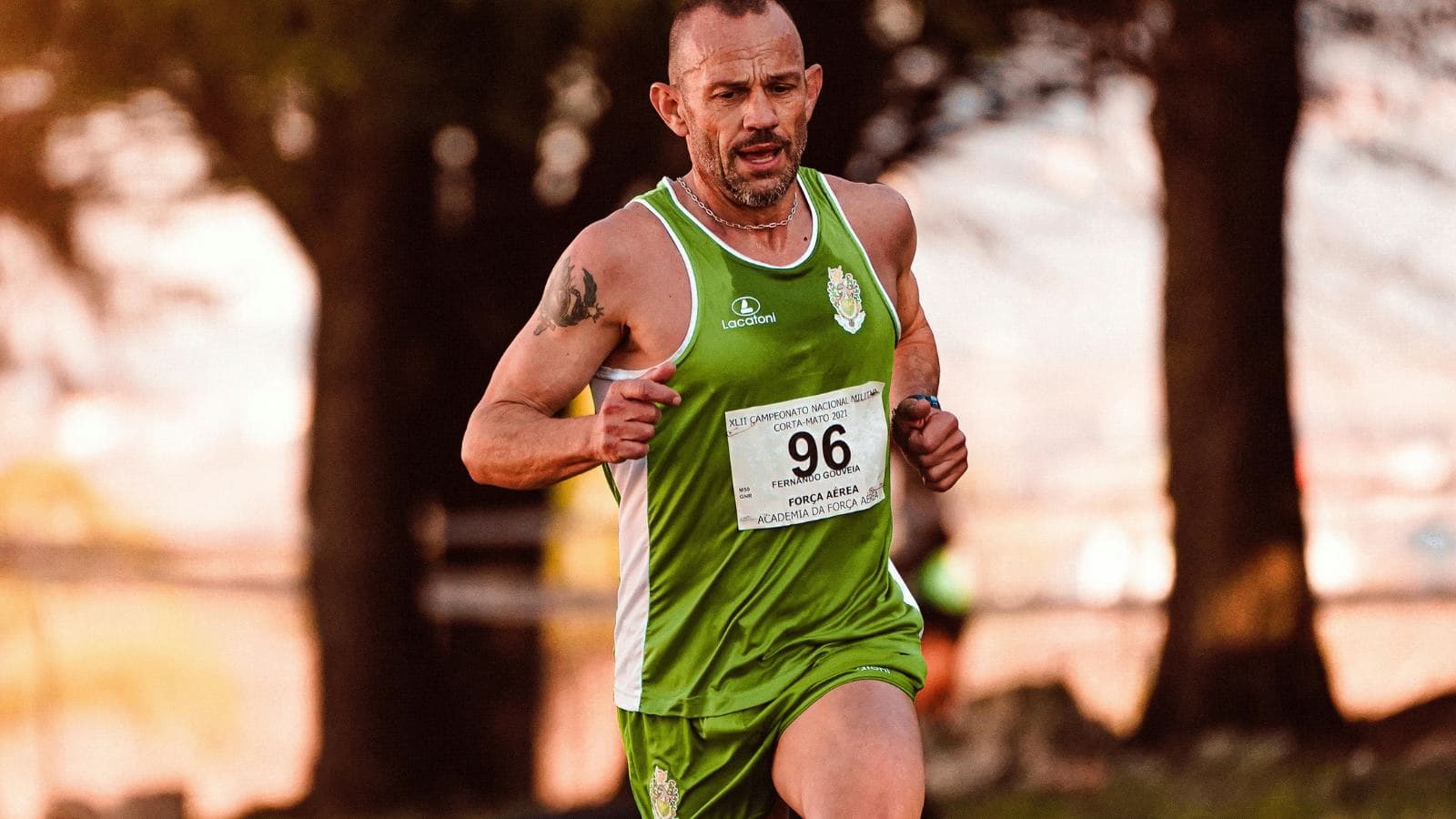
While endurance training builds aerobic fitness, drills help improve how efficiently the body moves during running. Better mechanics reduce wasted energy and help triathletes maintain form under fatigue after swimming and cycling. Many triathletes focus heavily on mileage while ignoring movement quality completely. However, poor mechanics often contribute to:
- Heavy running form
- Reduced efficiency
- Injury risk
- Fatigue buildup
- Slower pacing
The best running drills are simple, repeatable, and focused on improving movement patterns rather than looking impressive. This becomes especially important during longer races discussed in race strategy for beginner triathletes, where efficient running mechanics help preserve energy during the final stages of racing.
Why Running Drills Matter for Triathletes?
Triathlon running differs from standalone running because athletes begin the run already fatigued from:
- Swimming
- Cycling
- Elevated heart rate
- Glycogen depletion
- Muscular fatigue
This often causes:
- Reduced cadence
- Poor posture
- Heavy footstrike
- Tight hips
- Shortened stride
Running drills improve movement efficiency so athletes can maintain:
- Better rhythm
- Stronger posture
- Faster turnover
- Improved coordination
even under fatigue.
High Knees Improve Cadence and Coordination
High knees help improve:
- Leg turnover
- Hip activation
- Running rhythm
- Coordination
The goal is not sprinting aggressively but maintaining:
- Quick controlled movement
- Tall posture
- Active arm swing
High knees help triathletes develop smoother cadence while encouraging better posture during running. Athletes improving through how to improve your run technique for triathlon often use cadence-focused drills to improve running efficiency naturally.
Butt Kicks Improve Leg Recovery Mechanics
Butt kicks help improve:
- Hamstring activation
- Leg recovery speed
- Running rhythm
- Neuromuscular coordination
The movement should feel:
- Relaxed
- Light
- Rhythmic
Many triathletes force the movement too aggressively, which reduces drill quality. The purpose is teaching the legs to recover efficiently during stride turnover rather than creating muscular fatigue.
A-Skips Improve Running Rhythm
A-skips are one of the most useful running drills for improving:
- Coordination
- Posture
- Foot placement
- Rhythm
This drill teaches:
- Active knee drive
- Midfoot positioning
- Controlled bounce
- Arm-leg timing
A-skips help athletes develop smoother movement patterns that transfer well into efficient endurance running.
Strides Improve Running Economy
Strides are short controlled accelerations usually lasting:
- 15 to 30 seconds
They improve: - Neuromuscular sharpness
- Running rhythm
- Cadence
- Relaxation at faster pace
Strides should feel:
- Controlled
- Smooth
- Relaxed
rather than sprinting maximally.
Triathletes often benefit from adding strides after easy runs to improve coordination without creating excessive fatigue. Athletes following strategies to run faster in a triathlon often combine strides with aerobic training effectively.
Bounding Builds Running Power
Bounding drills improve:
- Elastic strength
- Force production
- Stride power
- Running coordination
However, bounding should be introduced gradually because it creates higher impact stress.
Controlled bounding helps improve:
- Running stiffness
- Energy return
- Muscular recruitment
This drill becomes especially useful for athletes needing stronger running mechanics late in races.
Fast Feet Drills Improve Turnover
Fast feet drills teach runners:
- Quick ground contact
- Faster cadence
- Better foot rhythm
The emphasis should remain on: - Light movement
- Relaxation
- Rhythm
rather than excessive speed.
Triathletes who overstride often benefit significantly from cadence-focused drills like fast feet.
Running Drills Improve Warm-Ups
One of the best uses for drills is during pre-run warm-ups.
Drills help:
- Increase muscle temperature
- Activate running muscles
- Improve mobility
- Prepare coordination
This becomes especially important before:
- Intervals
- Tempo sessions
- Brick workouts
- Race efforts
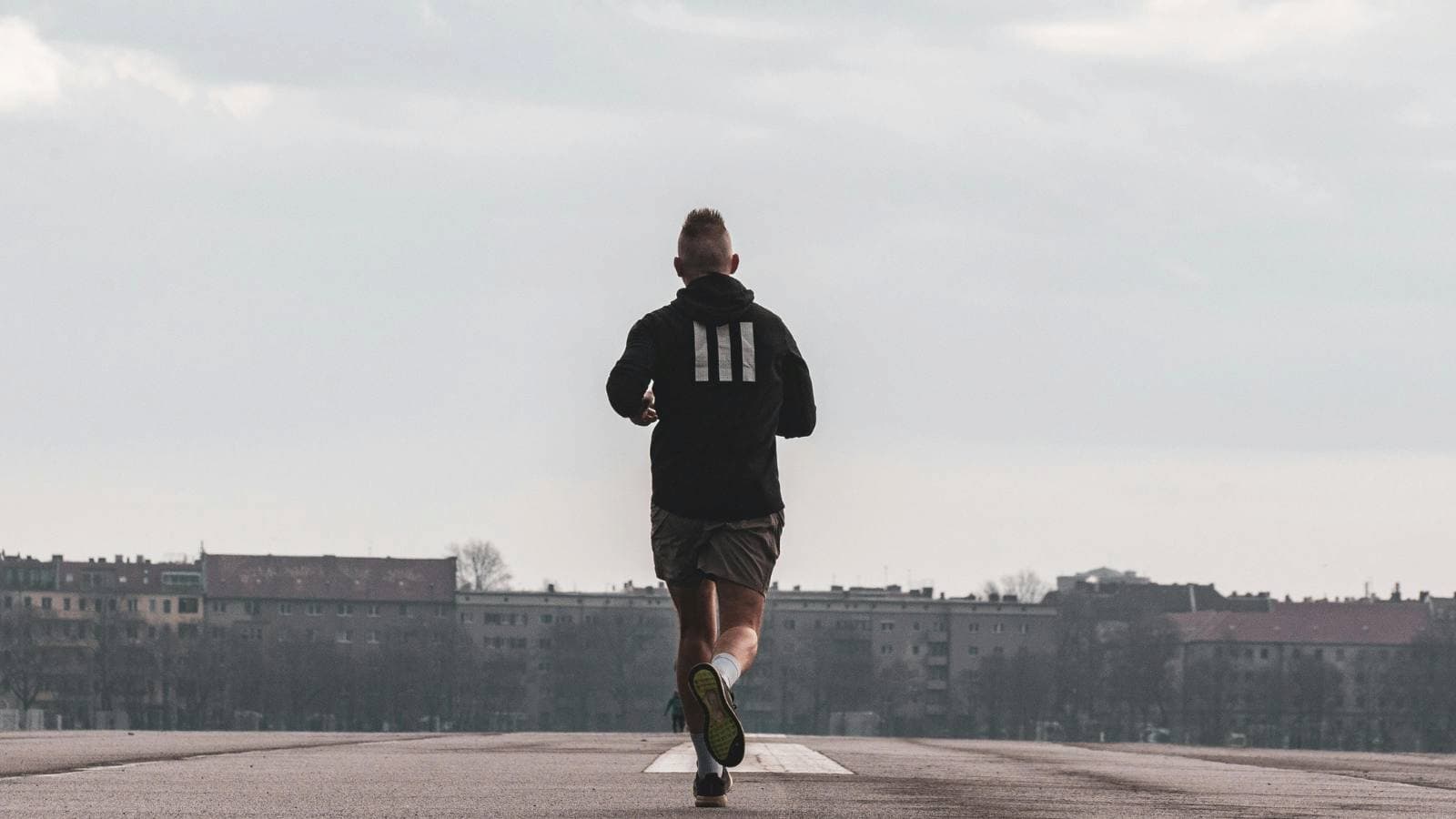
Athletes improving through avoiding pacing mistakes in a triathlon often use running drills to improve transition running quality after cycling.
Carioca Drills Improve Hip Mobility
Carioca drills improve:
- Hip mobility
- Coordination
- Lateral movement control
- Rotational stability
Many triathletes become extremely forward-dominant because triathlon movement occurs mostly in straight lines.
Lateral movement drills help improve:
- Overall athleticism
- Stability
- Coordination
which supports more efficient running posture overall.
Ankling Drills Improve Foot Mechanics
Ankling drills focus on:
- Foot placement
- Ankle stiffness
- Ground contact control
These drills help runners develop:
- Better lower-leg mechanics
- Improved rhythm
- Reduced excessive pounding
Efficient ankle mechanics become especially important during longer races where fatigue affects stride quality progressively.
Drills Should Stay Short and Controlled
Running drills are not conditioning workouts.
Many athletes make the mistake of:
- Turning drills into sprints
- Adding too much volume
- Performing them while exhausted
Most drill sessions only require:
- 5 to 15 minutes
Quality matters far more than quantity.
The goal is improving movement patterns rather than accumulating fatigue.
Drills Improve Running Efficiency Under Fatigue
Triathletes often lose posture and rhythm late in races.
Drills help reinforce:
- Better mechanics
- Faster cadence
- Relaxed movement
- Stable posture
under stress.
Athletes improving through how to become an efficient triathlete usually understand that efficient movement conserves energy significantly over long distances.
Consistency Matters More Than Complexity
Many runners use:
- Complicated drills
- Endless variations
- Overly technical routines
Simple consistent drills usually improve mechanics more effectively.
Most triathletes only need:
- A-skips
- High knees
- Butt kicks
- Strides
- Fast feet
performed regularly and correctly.
Strength Supports Better Drill Quality
Running drills work best when athletes also improve:
- Hip strength
- Core stability
- Calf strength
- Glute activation
Weakness in these areas often limits: - Coordination
- Posture
- Running control
Athletes improving through how to decrease injury risk while training for a triathlon often combine strength work and running drills successfully.
Drills Can Reduce Injury Risk
Efficient mechanics reduce:
- Overstriding
- Excess braking
- Heavy ground contact
- Poor posture
This may help lower injury risk over time.
Drills also improve body awareness, helping athletes notice:
- Poor cadence
- Tight movement
- Postural collapse
before problems worsen significantly. Athletes following techniques to avoid jelly legs while transitioning from bike to run can reduce the overall risk of injury and fatigue during a triathlon.
Running Drills Should Feel Relaxed
Good drill execution usually looks:
- Smooth
- Relaxed
- Controlled
- Rhythmic
Tension reduces drill effectiveness because:
- Coordination decreases
- Movement stiffens
- Cadence suffers
The goal is teaching efficient movement patterns rather than forcing speed.
Common Running Drill Mistakes
Many triathletes reduce drill effectiveness through avoidable habits.
Common mistakes include:
- Performing drills too aggressively
- Skipping warm-ups
- Using too many drills
- Ignoring posture
- Drilling while exhausted
- Overcomplicating movement
Simple consistent practice usually produces the best long-term results.
Practical Running Drills Every Triathlete Should Include
Triathletes can improve running mechanics by regularly using:
- High knees
- Butt kicks
- A-skips
- Strides
- Fast feet
- Bounding
- Carioca drills
- Ankling drills
The best running drills are the ones athletes can perform consistently while maintaining relaxed efficient movement quality.