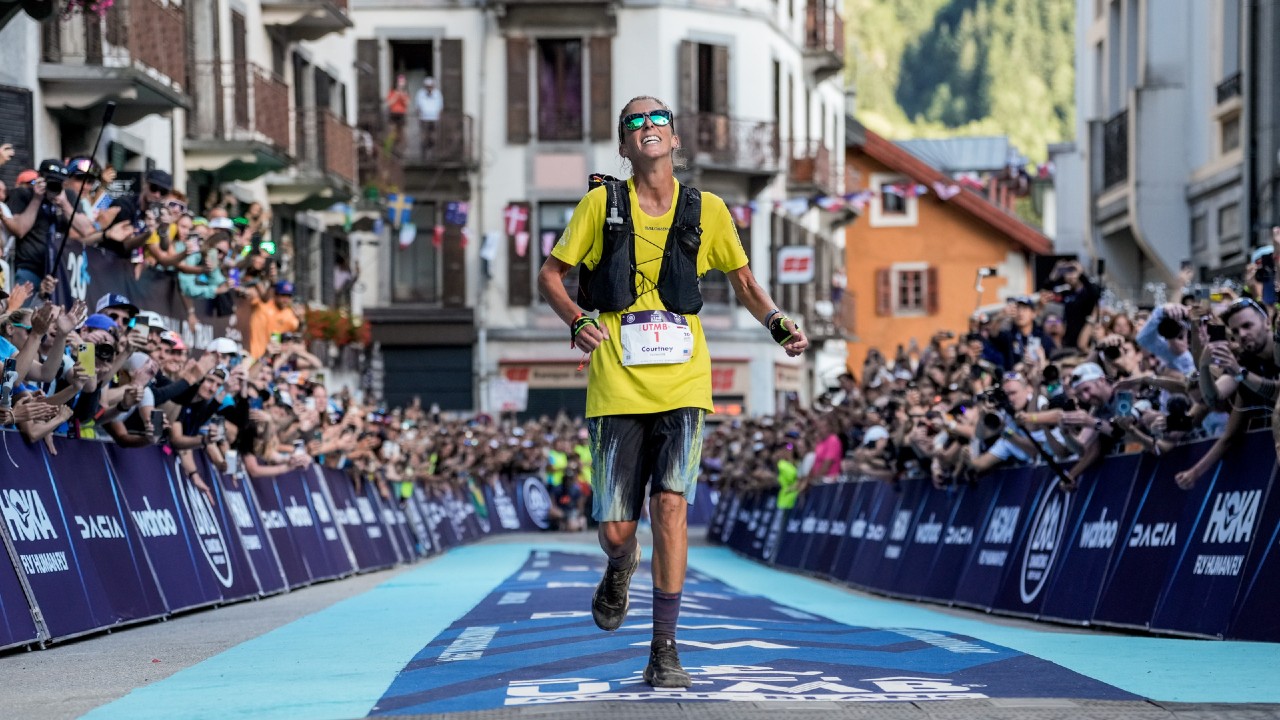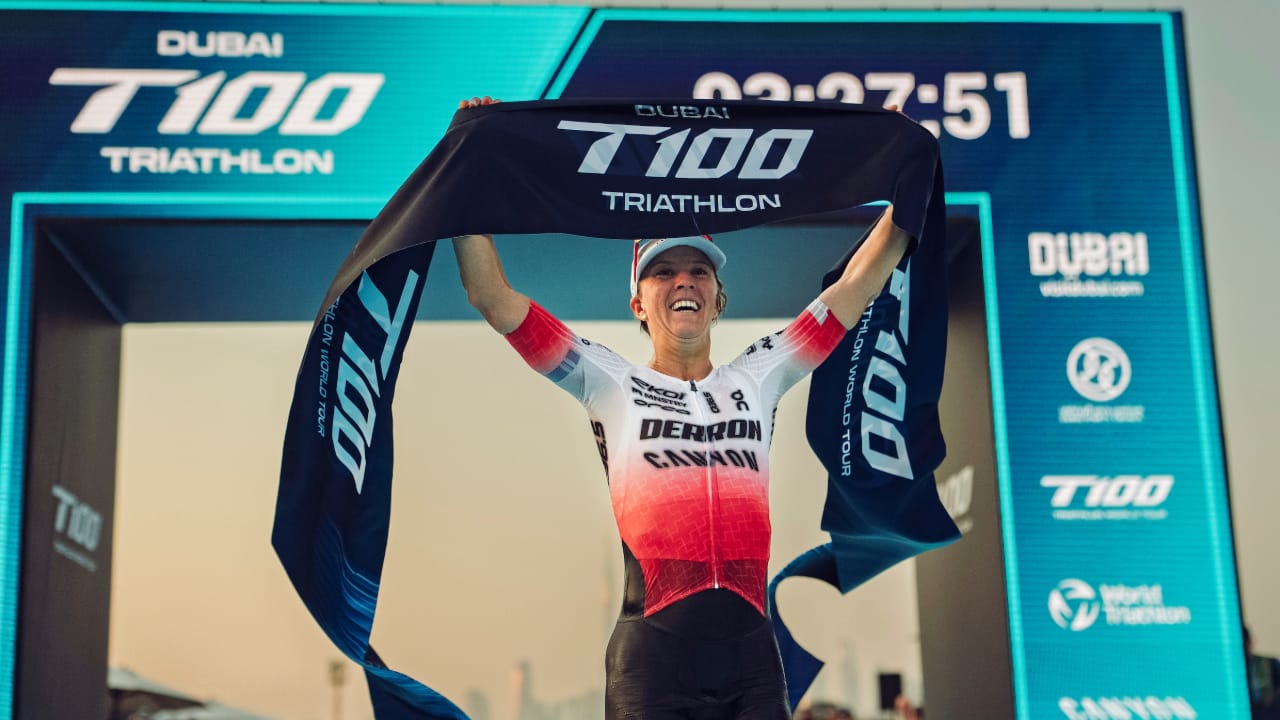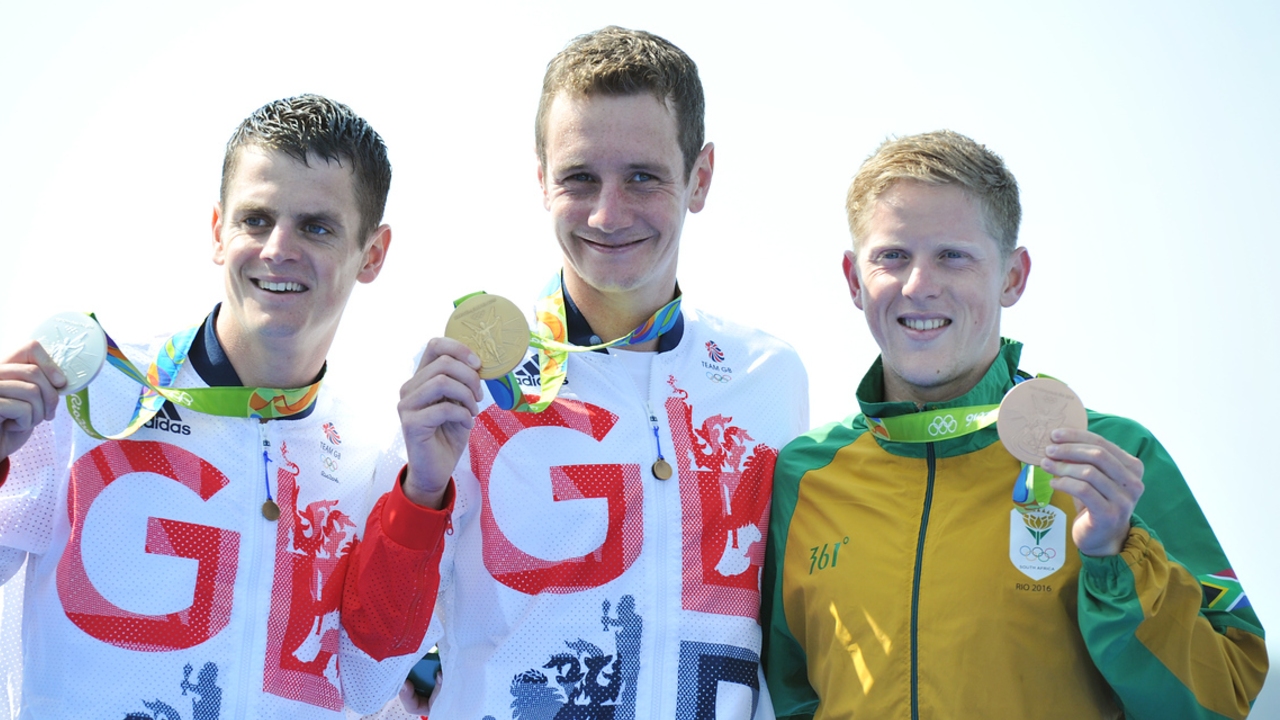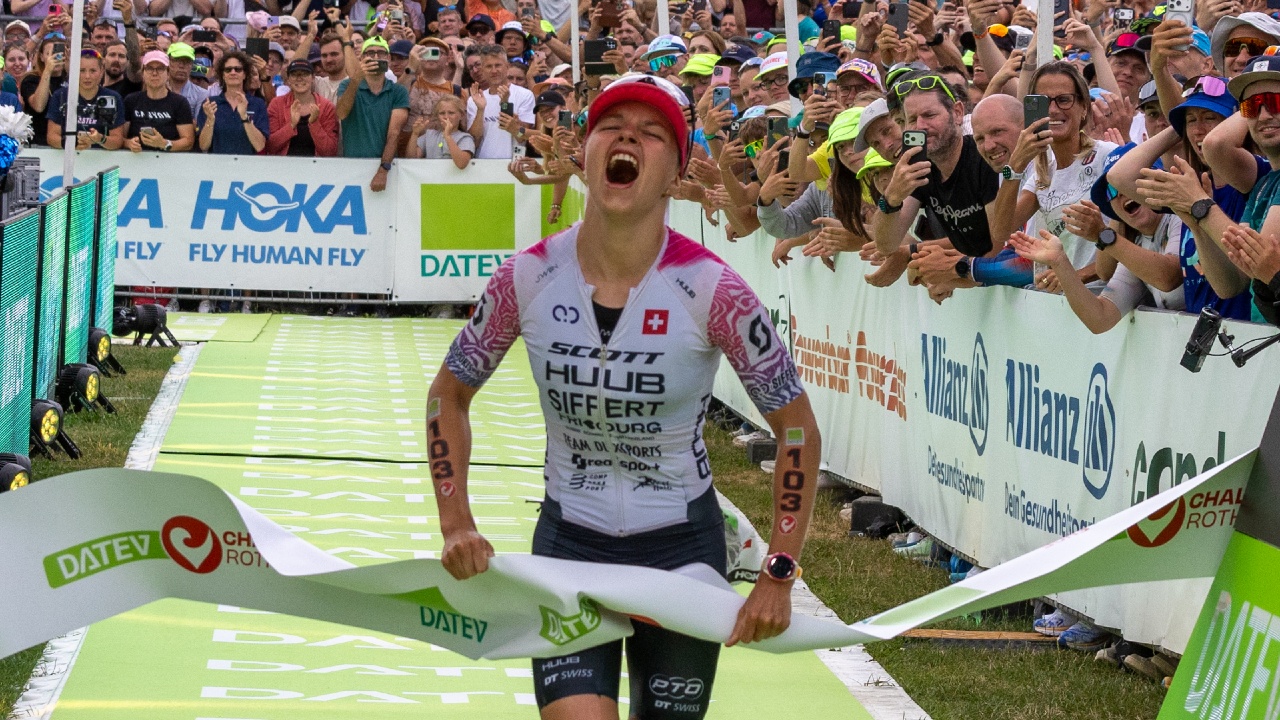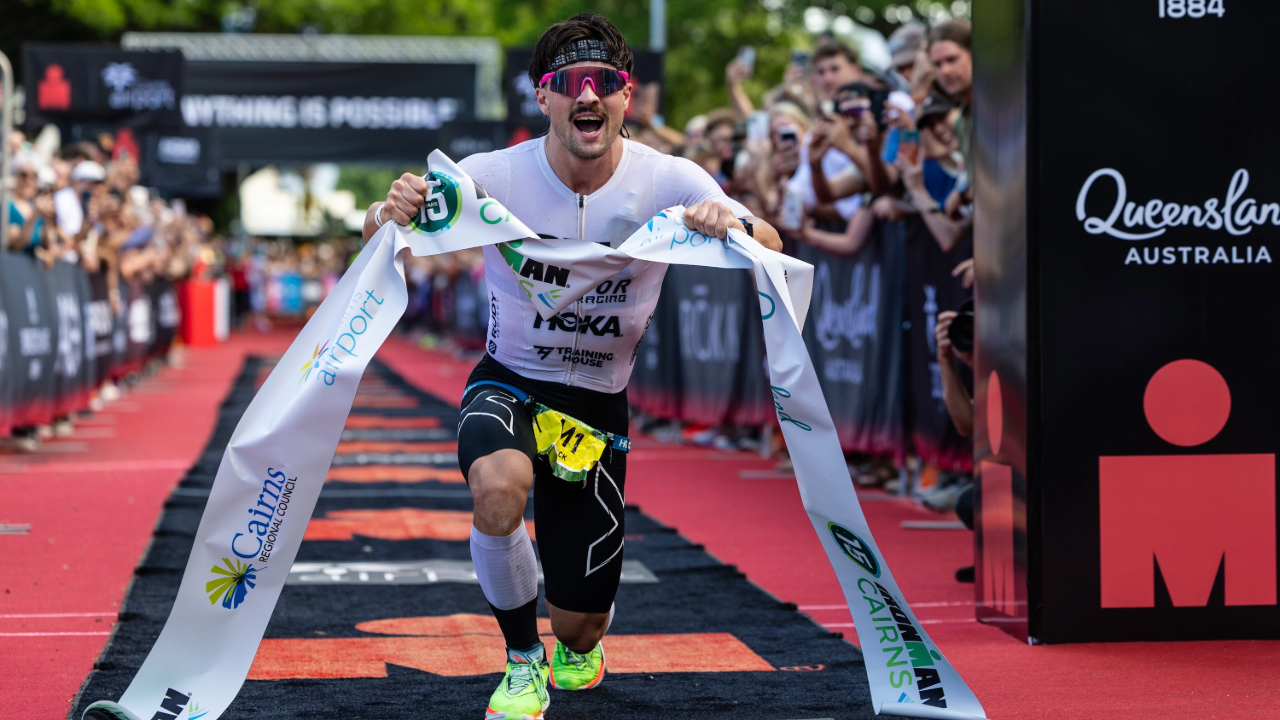


Many successful triathletes begin their journey as specialists.
Some come from:
- Running backgrounds
- Cycling backgrounds
- Swimming backgrounds
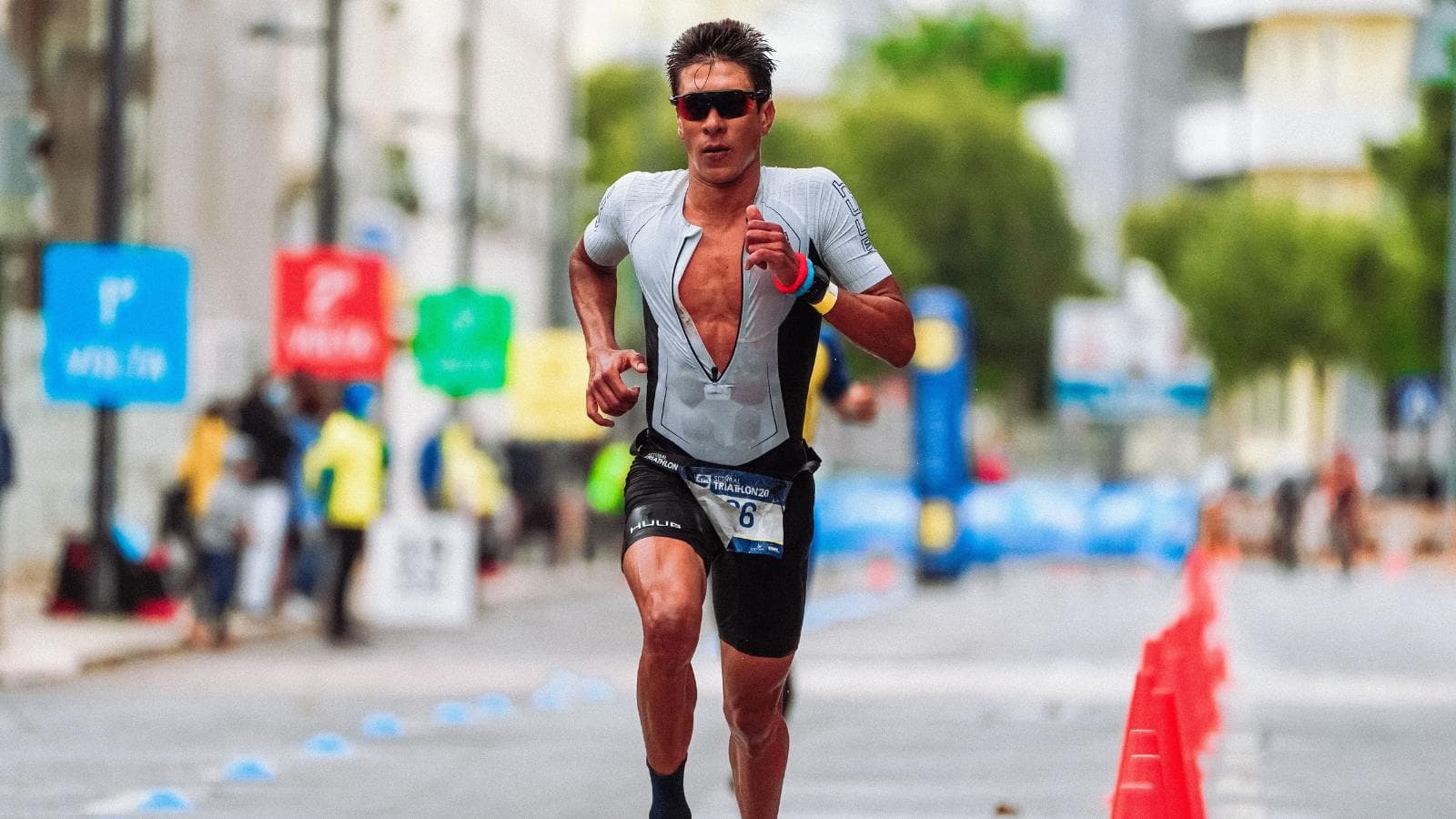
While having experience in one discipline provides a strong foundation, becoming a triathlete requires learning how to balance three sports while managing recovery, nutrition, and training load effectively. The transition can be exciting, but it also presents challenges. A runner may feel confident on the run but struggle in the water. A cyclist may dominate long rides but find the swim overwhelming. Swimmers often discover that cycling and running place entirely different demands on the body. The good news is that single-sport athletes already possess many of the qualities needed to succeed in triathlon. The goal is not abandoning your strengths. The goal is developing your weaknesses while learning how to combine all three disciplines into one complete endurance sport.
Identify Your Existing Strengths
Every athlete enters triathlon with advantages.
For example:
- Runners often have strong aerobic fitness
- Cyclists typically possess excellent endurance capacity
- Swimmers usually have superior technical efficiency in the water
Understanding your strengths allows you to build confidence while adapting to new challenges. Athletes who focus on how to become an efficient triathlete often recognise that success comes from maximising strengths while gradually improving weaker areas.
Your background is an asset, not a limitation.
Accept Being a Beginner Again
One of the hardest parts of transitioning to triathlon is becoming a novice in unfamiliar disciplines. A competitive runner may suddenly struggle during swim sessions. A strong cyclist may feel awkward running off the bike. This is completely normal. Athletes who successfully navigate how can beginners progress from couch to triathlon often understand that improvement requires patience regardless of previous sporting experience.
Progress in new disciplines takes time.
Prioritise Technique Early
Technique matters in all three sports, but it is especially important in swimming.
Many athletes attempt to improve by simply increasing volume.
However, poor technique often limits progress more than fitness.
Focus on:
- Swim mechanics
- Bike handling
- Running efficiency
Athletes who work on how do triathletes improve freestyle efficiency in open water often gain significant improvements through technical development rather than additional effort alone.
Good habits are easier to build early than correct later.
Learn to Balance Three Disciplines
Single-sport athletes are often accustomed to dedicating all training time to one activity. Triathlon requires a different approach.
Instead of focusing exclusively on one sport, athletes must distribute training across:
- Swimming
- Cycling
- Running
This creates new recovery and scheduling challenges. Athletes who understand what are adaptations in a triathlon training plan often appreciate that training balance becomes just as important as individual workout quality.
Consistency across all three disciplines matters.
Don’t Neglect Your Weakest Discipline
Many athletes naturally gravitate toward the discipline they already enjoy. A runner may continue running frequently while avoiding swimming. A cyclist may prioritise bike sessions while neglecting run development. This often slows overall progress. Athletes who prepare through how to improve open water efficiency in a triathlon frequently discover that addressing weaknesses produces greater overall improvement than simply reinforcing strengths.
Weak links often determine race-day performance.
Build Open-Water Confidence
Pool swimming and open-water swimming are very different experiences.
Challenges include:
- Limited visibility
- Crowded starts
- Navigation
- Waves
Athletes coming from non-swimming backgrounds often benefit from gradual open-water exposure. Those who improve through how to transition faster after an open water swim often become more comfortable with race-specific situations because they practise beyond the pool environment.
Confidence in open water is a valuable skill.
Learn the Importance of Transitions
Single-sport athletes rarely need to think about changing disciplines during competition.
Triathlon introduces:
- Swim-to-bike transitions
- Bike-to-run transitions
These moments require organisation and practice. Athletes who understand how to mount and dismount your bike smoothly in a race often gain confidence because they reduce unnecessary stress during race-day transitions. Efficiency is not only about speed.
It is also about reducing mental workload.
Develop Triathlon-Specific Nutrition Habits
Fueling becomes more complex when combining three disciplines.
Triathletes must support:
- Longer training hours
- Recovery between sessions
- Race-day energy demands
Athletes who learn how to fuel properly during a triathlon often find that proper nutrition improves both training quality and recovery.
What worked in a single sport may need adjustment as training volume increases.
Respect Recovery More Than Before
Many athletes discover that triathlon creates more cumulative fatigue than their previous sport.
Three disciplines often mean:
- More sessions
- More planning
- More recovery requirements
Athletes who recognise what strategies should triathletes follow for a better recovery often stay healthier because they treat recovery as an essential component of performance rather than an optional extra. Recovery becomes increasingly important as training expands.
Be Careful With Training Volume
One of the most common mistakes during the transition to triathlon is trying to maintain previous training levels while adding two additional sports.
For example:
- Runners continue full run volume while adding swimming and cycling
- Cyclists maintain large bike volume while introducing significant run mileage
This often leads to:
- Fatigue
- Injury
- Burnout
Gradual progression remains critical.
The body needs time to adapt to new training demands.
Understand That Fitness Transfers Differently
Fitness developed in one discipline can help another, but only to a certain extent.
For example:
- Cycling fitness supports aerobic development
- Running fitness helps cardiovascular capacity
- Swimming improves overall endurance
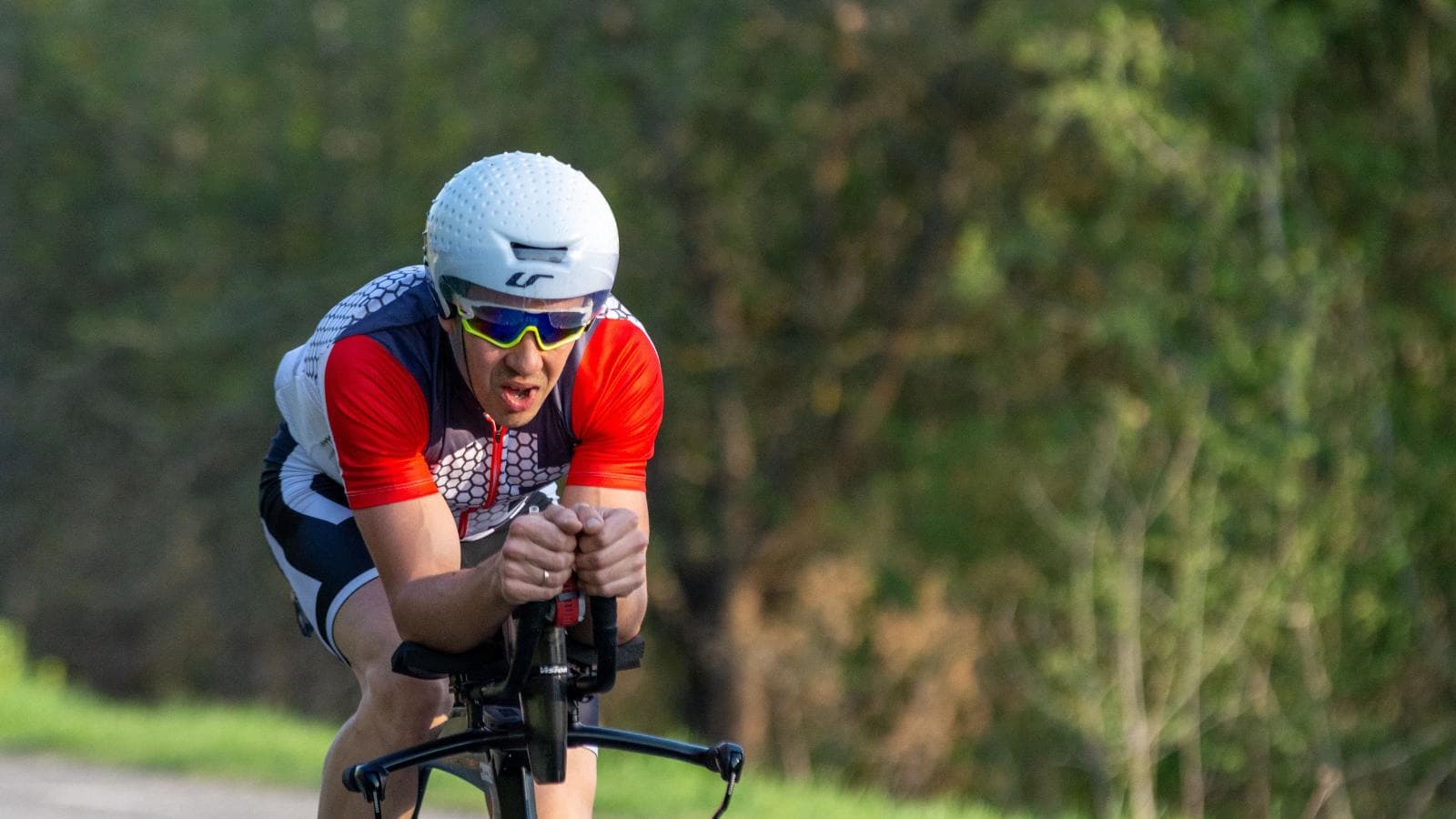
However, each discipline still requires sport-specific adaptation. Athletes who understand what mindset helps triathletes perform at their best often remain patient because they recognise that fitness transfer is helpful but not automatic.
Each sport must be trained individually.
Embrace the Learning Process
One of the greatest rewards of triathlon is continual learning.
New athletes quickly discover opportunities to improve:
- Technique
- Equipment setup
- Nutrition
- Recovery
- Race execution
This learning process is part of what makes triathlon so engaging. Every session provides valuable experience.
Join a Triathlon Community
Training alongside experienced triathletes can accelerate development.
Benefits include:
- Advice
- Motivation
- Accountability
- Shared experience
Athletes who participate in triathlon clubs often gain insights that would otherwise take years to learn independently. The social aspect of triathlon can be incredibly valuable during the transition process.
Common Mistakes When Transitioning to Triathlon
Many single-sport athletes make similar errors:
- Ignoring weak disciplines
- Increasing training volume too quickly
- Neglecting recovery
- Avoiding open-water practice
- Focusing only on fitness
- Ignoring technique
- Comparing themselves to experienced triathletes
- Expecting immediate results
Most of these mistakes can be avoided through patience and structured progression.
Practical Tips for New Triathletes
Athletes transitioning from a single sport should focus on:
- Developing technical skills
- Training consistently
- Addressing weaknesses
- Managing recovery
- Building confidence gradually
- Practising transitions
- Improving nutrition habits
- Enjoying the learning process
The most successful triathletes are rarely the athletes who start with perfect abilities in all three disciplines. They are usually the athletes who remain patient, stay consistent, and embrace the challenge of becoming well-rounded endurance competitors.