
Swimming is often considered the lowest-impact discipline in triathlon. Unlike running, it places minimal stress on the joints from impact forces. However, the repetitive nature of swimming creates its own injury risks, with swimmer’s shoulder being one of the most common.
For triathletes, shoulder pain can be particularly frustrating because it may affect:
- Swim training
- Open-water confidence
- Race preparation
- Strength training
- Daily activities
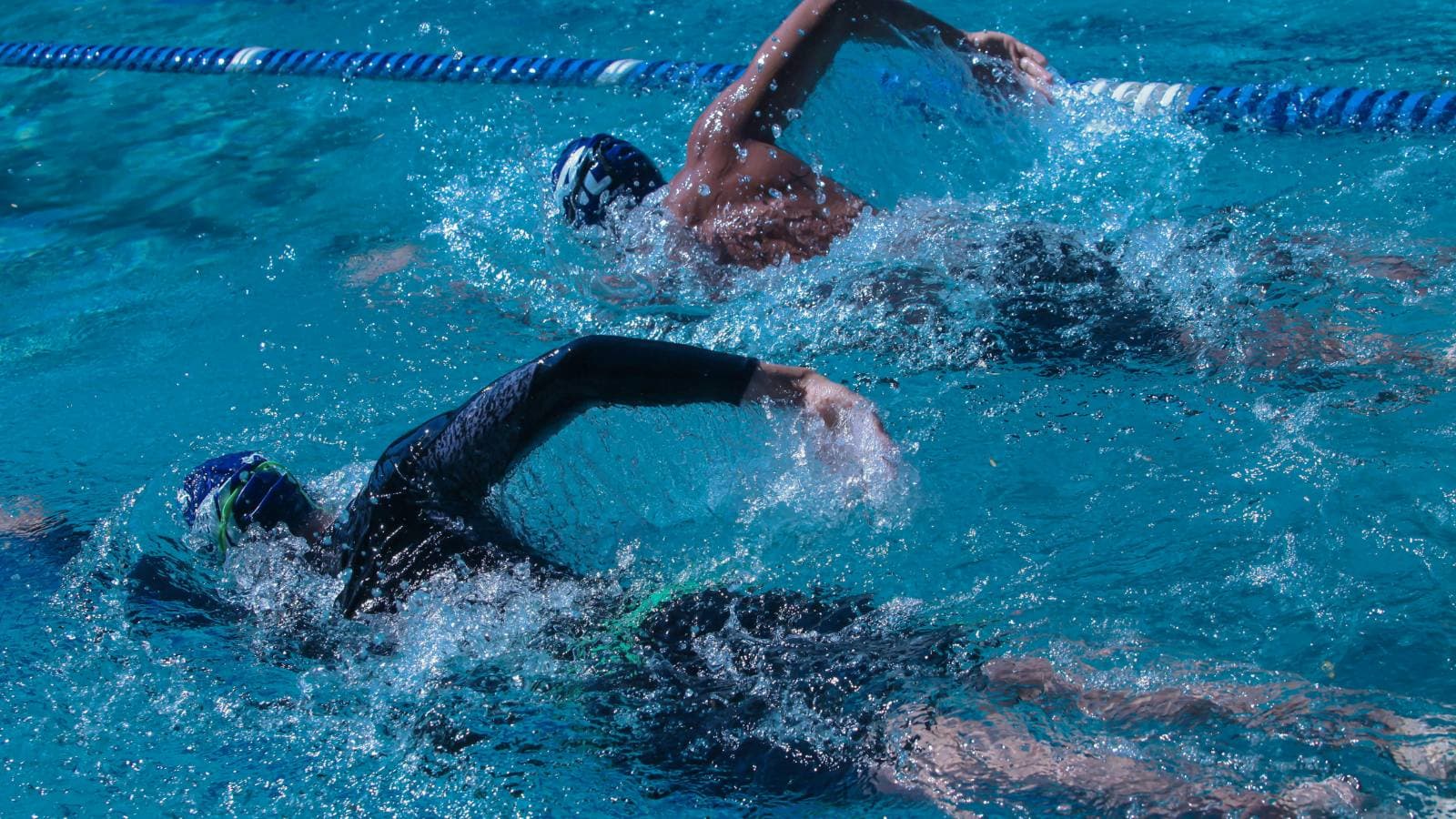
Swimmer’s shoulder is not a single injury. Instead, it is a broad term used to describe irritation, inflammation, or overuse problems affecting the shoulder joint and surrounding tissues due to repetitive swimming. Understanding what causes swimmer’s shoulder and how to prevent it can help triathletes stay healthy and maintain consistent training throughout the season.
What Is Swimmer’s Shoulder?
Swimmer’s shoulder generally refers to pain that develops because of repetitive overhead arm movements.
The condition often involves:
- Rotator cuff irritation
- Tendon inflammation
- Shoulder impingement
- Muscle imbalance
- Joint instability
During swimming, each arm may complete thousands of stroke repetitions every week.
Over time, poor mechanics or excessive training load can place significant stress on the shoulder complex. Athletes working on how do triathletes improve freestyle efficiency in open water often discover that efficient technique not only improves speed but also reduces unnecessary strain on the shoulders.
Why Are Triathletes at Risk?
Triathletes often balance:
- Swimming
- Cycling
- Running
- Strength training
While swimmers may spend years developing efficient stroke mechanics, many triathletes enter the sport from running or cycling backgrounds.
As a result, they may:
- Lack swim-specific strength
- Have technical flaws
- Increase swim volume rapidly
This combination can increase injury risk.
Athletes progressing through how can beginners progress from couch to triathlon are particularly vulnerable if swimming volume increases faster than the body can adapt.
Poor Swim Technique
Technique is one of the most common contributors to swimmer’s shoulder.
Common errors include:
- Crossing the midline
- Poor hand entry
- Dropped elbows
- Excessive shoulder rotation
- Pulling inefficiently through the water
These mistakes can increase repetitive stress on the shoulder joint. Athletes who regularly practise what are the running drills that every triathlete should do understand that technique matters in running, and the same principle applies even more strongly in swimming.
Good mechanics improve both performance and durability.
Increasing Swim Volume Too Quickly
Many triathletes become enthusiastic after entering a training block and suddenly increase:
- Swim frequency
- Session duration
- Weekly distance
The shoulder may not be prepared for this sudden workload.
Just as runners can develop injuries from increasing mileage too quickly, swimmers can overload the shoulder through excessive volume.
Gradual progression remains one of the best injury-prevention strategies.
Weak Rotator Cuff Muscles
The rotator cuff plays an important role in stabilising the shoulder.
Weakness in these muscles may contribute to:
- Poor shoulder control
- Excessive movement
- Increased tissue stress
Strengthening the rotator cuff can improve:
- Stability
- Efficiency
- Injury resistance
Many triathletes focus heavily on endurance while neglecting the smaller stabilising muscles that help protect the shoulder.
Poor Mobility
Limited mobility can alter swimming mechanics significantly.
Restricted movement in:
- Shoulders
- Thoracic spine
- Chest muscles
may force athletes into compensatory movement patterns.
These compensations often increase stress on the shoulder joint. Athletes improving through how to become an efficient triathlete often learn that mobility supports both performance and injury prevention.
Efficient movement begins with adequate range of motion.
Excessive Use of Paddles
Swimming paddles can be useful training tools.
However, they also increase:
- Resistance
- Force production
- Shoulder loading
Using paddles excessively or introducing them too quickly may contribute to shoulder irritation.
Athletes should ensure that shoulder strength and technique are adequate before performing large amounts of paddle work.
Lack of Recovery
Recovery is where adaptation occurs.
Without adequate recovery, small amounts of tissue irritation can accumulate over time.
Common recovery mistakes include:
- Poor sleep
- Excessive training frequency
- Inadequate nutrition
- Ignoring soreness
Athletes who understand what strategies should triathletes follow for a better recovery often reduce injury risk because they treat recovery as part of training rather than something separate from it.
Muscle Imbalances
Many triathletes spend significant time:
- Cycling
- Sitting
- Working at desks
These positions may encourage:
- Rounded shoulders
- Tight chest muscles
- Weak upper-back muscles
Over time, these imbalances can affect swimming mechanics.
Strengthening the upper back and improving posture often helps reduce unnecessary shoulder stress.
Ignoring Early Symptoms
Swimmer’s shoulder rarely appears suddenly.
Common warning signs include:
- Mild soreness
- Stiffness
- Reduced range of motion
- Discomfort during certain parts of the stroke
Many athletes continue training through these symptoms.
Unfortunately, this often allows minor irritation to become a more significant injury. Athletes who understand how to overcome an early-season setback in triathlon training are often better at recognising problems before they escalate.
Poor Open-Water Adaptation
Open-water swimming introduces additional challenges.
Factors such as:
- Waves
- Sighting
- Crowded conditions
may alter normal stroke mechanics.
Athletes who focus on how to transition faster after an open water swim often spend more time practising open-water skills, helping reduce unnecessary tension and inefficient movement patterns. Confidence can improve technique.
Inadequate Strength Training
Strength training helps improve:
- Shoulder stability
- Posture
- Force control
Triathletes who completely avoid strength work may miss an opportunity to improve shoulder resilience.
Useful exercises often target:
- Rotator cuff muscles
- Upper back
- Core
- Scapular stabilisers
Strong supporting muscles help reduce repetitive stress during swimming.
Poor Posture Throughout the Day
Shoulder health is influenced by more than swimming alone.
Long periods spent:
- At desks
- Looking at screens
- Driving
may encourage poor posture.
This can affect shoulder mechanics during training.
Small daily habits often influence injury risk more than athletes realise.
Fatigue-Induced Technique Breakdown
As fatigue accumulates, stroke mechanics often deteriorate.
Athletes may begin:
- Pulling unevenly
- Overreaching
- Rotating poorly
These changes can increase shoulder loading. Athletes who learn how to pace a triathlon properly often recognise that managing effort can help maintain technique for longer periods.
Fatigue and mechanics are closely connected.
Poor Race Preparation
Some athletes dramatically increase swim volume before races in an attempt to gain confidence.
This often backfires.
The shoulder typically responds better to:
- Consistent training
- Gradual progression
- Structured preparation
Last-minute panic training rarely produces positive outcomes.
Athletes preparing through 10 things you need to know before your first triathlon often discover that preparation and consistency matter more than sudden increases in workload.
Common Signs of Swimmer’s Shoulder
Symptoms may include:
- Pain during swimming
- Shoulder stiffness
- Weakness
- Clicking sensations
- Reduced range of motion
- Pain when lifting the arm overhead
Early attention often leads to better outcomes.
How Triathletes Can Prevent Swimmer’s Shoulder?
Athletes can reduce risk by:
- Improving swim technique
- Increasing volume gradually
- Strengthening the rotator cuff
- Maintaining mobility
- Managing recovery properly
- Monitoring early symptoms
- Improving posture
- Avoiding excessive paddle use
The healthiest swimmers are rarely the athletes who simply swim the most. They are usually the athletes who balance technique, strength, recovery, and training load effectively over time.