

Triathlon rewards endurance, but many athletes assume improving endurance means making every workout harder. In reality, slower training sessions are an important part of building fitness across swimming, cycling, and running. Easy sessions allow you to accumulate useful aerobic training without creating the same fatigue as repeated high intensity workouts. This matters because triathletes must distribute training across three sports while still leaving enough time for recovery. Slower does not mean completely effortless or unproductive. The goal is to work at an intensity that develops aerobic fitness while remaining sustainable and controlled. When easy sessions are kept easy, harder intervals, tempo workouts, long sessions, and race specific training can be performed with greater quality. The result is a more balanced training week rather than a collection of workouts that all feel moderately hard.
In Short
- Slower sessions develop aerobic endurance.
- They create less fatigue than repeated hard training.
- Easy training helps athletes accumulate more sustainable volume.
- It improves the ability to use oxygen efficiently.
- Easy cycling can protect the legs for running.
- Easy running reduces unnecessary mechanical stress.
- Slow does not mean completely unstructured.
- Training intensity should match the purpose of each session.
Slower Training Builds the Aerobic System
Triathlon depends heavily on aerobic energy production, particularly as race duration increases. Slower endurance training gives the body repeated opportunities to produce energy aerobically without requiring extremely high intensity. Over time, appropriate aerobic training supports adaptations that help you sustain exercise for longer. This is why how to build an aerobic base for running a triathlon is important before assuming that faster running is always the best way to improve. Aerobic development requires consistency. One very hard workout cannot replace weeks and months of sustainable training.
Easy Training Makes More Volume Possible
Training volume matters in endurance sports, but the body has limits on how much hard work it can recover from. Imagine two athletes both training eight hours per week. One performs nearly every session at moderate or hard intensity. The other keeps selected sessions genuinely easy while using harder efforts strategically. The second athlete may be better able to maintain the schedule because each session does not create the same recovery cost. For triathletes, this is particularly useful because cycling can provide substantial aerobic volume. Understanding how do you build an aerobic base for triathlon cycling helps explain why long controlled rides can contribute to fitness without becoming races against your training partners.
What Should a Slower Session Feel Like?
Exact intensity depends on your training system, fitness, sport, and individual physiology.
A practical comparison is:
| Sign | Easier aerobic session | Harder session |
|---|---|---|
| Breathing | Controlled | Noticeably heavier |
| Conversation | Usually comfortable | Limited |
| Muscular strain | Low to moderate | Moderate to high |
| Recovery demand | Relatively low | Higher |
| Sustainable duration | Longer | Shorter |
| Main purpose | Aerobic development or recovery | Specific higher-intensity adaptation |
The table is a guide rather than a diagnostic test.
Power, pace, heart rate, and perceived effort can all provide additional information.
Zone 2 Is Commonly Used for Easy Endurance Work
Zone 2 training is frequently associated with controlled aerobic exercise. For running, understanding what is zone 2 running in a triathlon can help athletes recognize why slowing down may be necessary even when they feel capable of running faster.
Conditions also matter:
- Heat
- Hills
- Fatigue
- Dehydration
- Stress
can change the pace or power you can sustain at the same physiological effort.
Easy Does Not Mean Chasing a Perfect Number
Training zones are useful, but they are not absolute boundaries that must be obeyed every second. Heart rate may rise on hills or drift upward during longer sessions. Power changes with terrain, while swimming pace can vary according to technique and conditions. Use your data alongside perceived effort. Cyclists who understand how can heart rate zones improve triathlon cycling speed and fitness can use heart rate as one tool without becoming obsessed with every temporary change. The overall purpose of the session matters more than producing a perfectly flat graph afterward.
Slower Running Helps Manage Impact
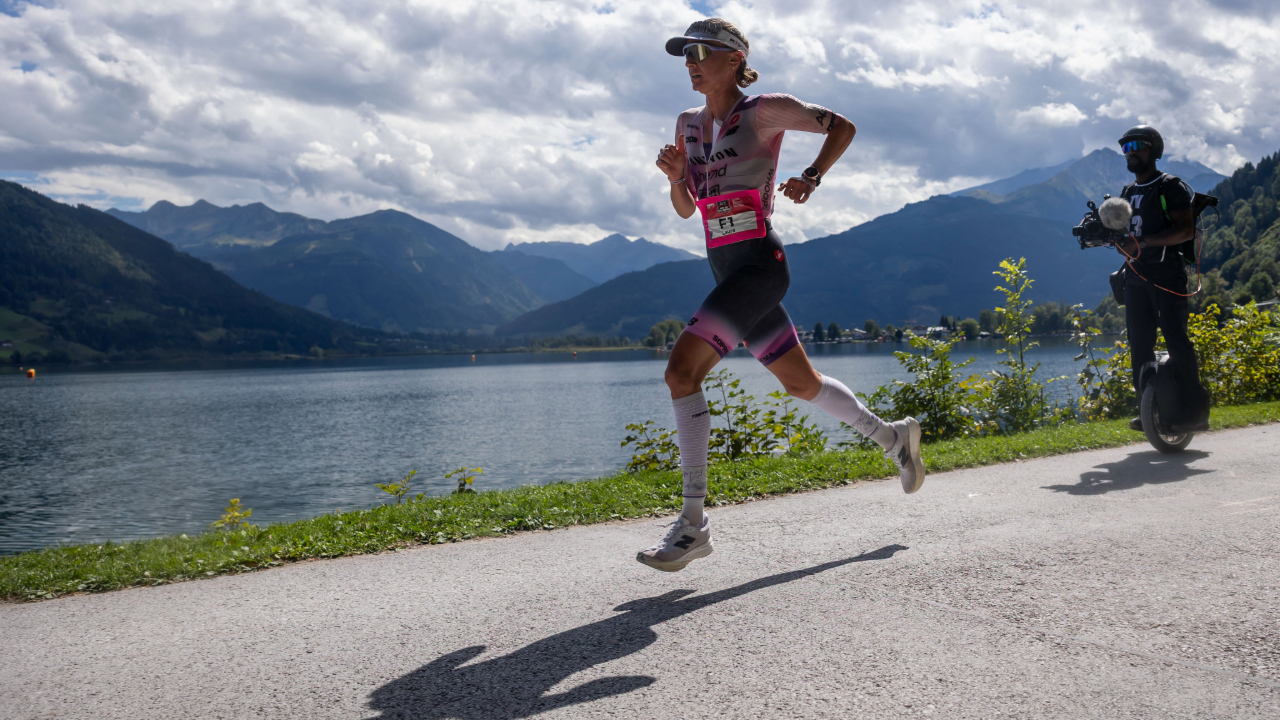
Running produces repetitive impact that swimming and cycling do not. That makes intensity management especially important.
Turning every easy run into a moderately hard run can:
- Increase muscular and mechanical stress
- Reduce the separation between easy and hard training
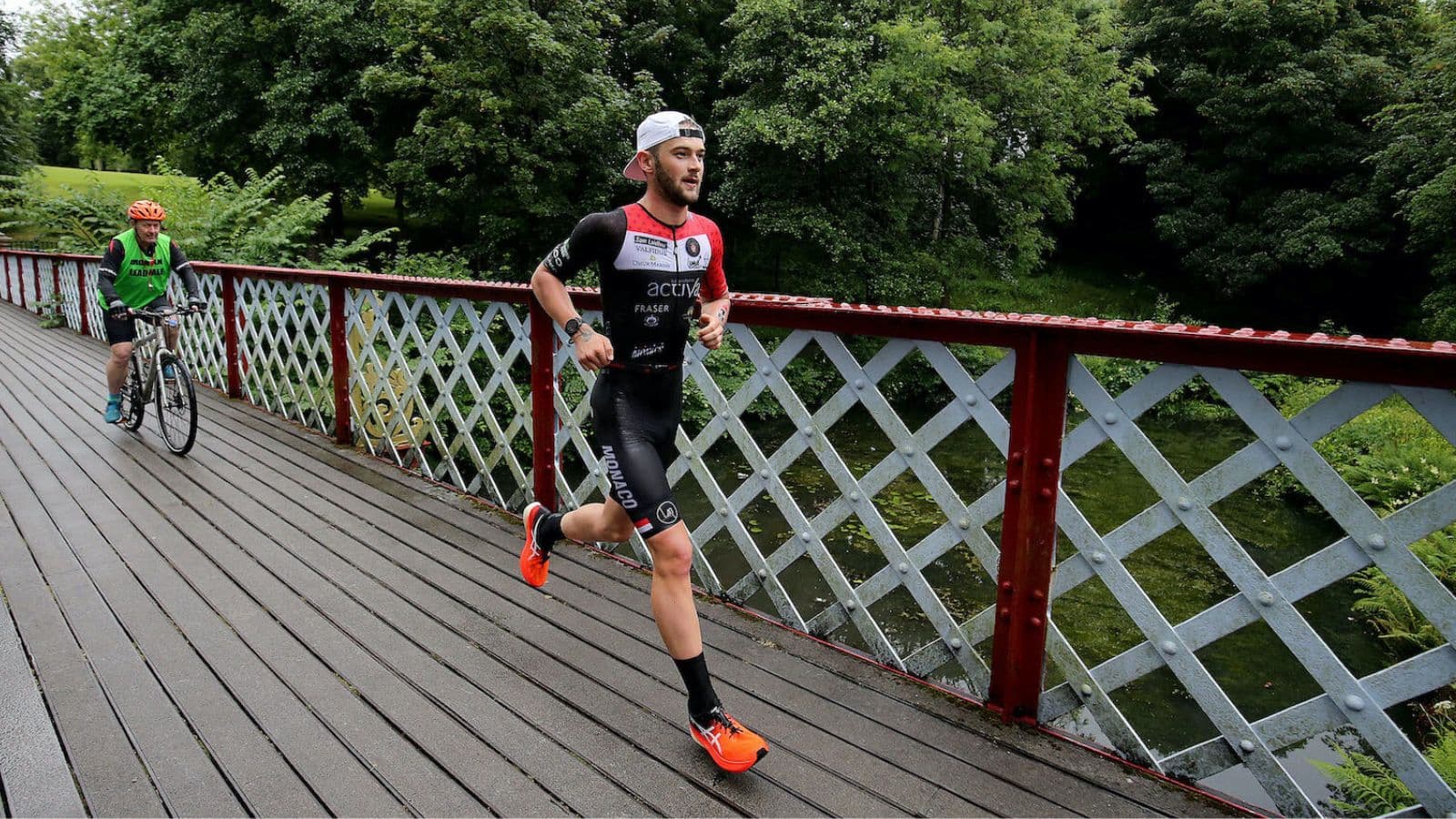
Slowing down allows many triathletes to accumulate running volume with less fatigue. However, runners can still make easy training unnecessarily difficult. The principles in how to avoid common zone 2 running mistakes in a triathlon are useful when an athlete repeatedly pushes hills, accelerates to maintain pace, or allows an easy run to become progressively harder.
Easy Cycling Can Protect Your Run Training
Cycling allows triathletes to accumulate considerable endurance work, but hard cycling still creates fatigue. A demanding bike session can leave your legs less prepared for the next run. This is especially relevant when workouts are close together. Easy cycling can build aerobic volume without requiring every ride to become an:
- FTP
- Threshold
- Interval workout
That balance can also support how can you bike smarter to improve your triathlon run, because successful triathlon training is not about maximizing isolated bike performance while ignoring what your legs need for running. The three disciplines must work together.
Slower Sessions Improve Hard Sessions
Hard training works best when you are sufficiently recovered to perform it properly. If you arrive at an interval session already carrying substantial fatigue from several unnecessarily fast easy days, you may struggle to reach the intended intensity.
That can lead to:
- Poor interval quality.
- Heavy legs.
- Reduced motivation.
- Slower recovery.
- Inconsistent training.
- Difficulty progressing workload.
Slower sessions help create enough recovery between demanding workouts to make the hard days meaningful.
Slower Training Can Reduce Late Race Fatigue
Triathlon performance is not simply about producing your highest possible speed early in the race. You need to maintain useful output across multiple disciplines. Aerobic endurance supports that ability. An athlete with a strong endurance base can often maintain a more controlled effort before fatigue becomes severe. Training for how can you reduce fatigue during the triathlon run leg therefore begins long before race day. Sustainable aerobic work, sensible bike pacing, appropriate fueling, and race specific training all contribute. Slow training does not eliminate fatigue, but it helps develop the endurance needed to manage it.
Recovery Sessions Are Different From Endurance Sessions
Not every slow session has the same purpose.
| Session | Main purpose | Typical feel |
|---|---|---|
| Easy endurance | Build aerobic fitness | Comfortable but purposeful |
| Recovery | Minimize additional stress | Very easy |
| Tempo or threshold | Develop sustained higher intensity | Clearly challenging |
| Intervals | Target specific high-intensity fitness | Hard with planned recovery |
Knowing the difference prevents athletes from making recovery workouts too demanding.
Slow Training Helps During High-Volume Periods
As training volume increases, intensity needs to be managed carefully.
- Long rides
- Long runs
- Brick sessions
- Harder workouts
can already create significant fatigue. Making every additional session fast may exceed your ability to recover.
Watch for warning signs such as:
- Persistent heavy legs
- Declining workout quality
- Poor motivation
- Unusual soreness
- Difficulty maintaining normal training
Training errors are not always dramatic. What training errors slow down running progress in a triathlon includes the repeated accumulation of small decisions, such as running easy days harder than necessary.
Slower Training Still Needs Good Technique
Easy does not mean careless. During lower intensity sessions, focus on efficient movement. Swimming can emphasize relaxed technique and body position. Cycling can reinforce smooth pedaling and controlled posture. Running can focus on relaxed form without forcing an artificial stride. Because the intensity is lower, you often have more mental capacity to notice technique. Use that opportunity. However, avoid turning every easy session into a long collection of drills. The primary purpose should remain clear.
Slow Training Matters During Tapering Too
Reducing training before a race does not mean stopping completely. Athletes often reduce overall workload while retaining enough movement and selected intensity to stay prepared. The principles behind how can you maintain fitness while tapering for an ironman show why reducing fatigue can be more important than trying to gain additional fitness immediately before competition. Easy sessions can maintain routine and movement without creating large amounts of new fatigue. The closer you get to race day, the less value there is in proving your fitness through unnecessarily exhausting workouts.
Do Not Make Every Slow Session Longer
Another common mistake is assuming an easy workout can continue indefinitely because the intensity is low. Duration still creates training stress.
- A three hour easy ride is not equivalent to a 45 minute easy ride simply because both are performed at a similar intensity.
Consider intensity and duration together. Long easy sessions can be valuable, but they should fit your experience, race goals, weekly volume, and recovery capacity.
Common Mistakes
- Turning every easy session into a moderate workout.
- Chasing pace instead of controlling effort.
- Racing training partners on recovery days.
- Pushing every hill during easy runs and rides.
- Assuming slow training has no performance benefit.
- Making easy sessions excessively long.
- Ignoring fatigue because heart rate appears normal.
- Using the same pace in every weather condition.
- Adding extra intensity because an easy session feels too simple.
Practical Tips
- Decide the purpose of every workout before starting.
- Keep easy days genuinely controlled.
- Use breathing and perceived effort alongside training data.
- Allow pace to slow on hills.
- Avoid unnecessary surges during endurance rides.
- Separate demanding workouts with easier training.
- Reduce intensity when fatigue is unusually high.
- Keep recovery sessions shorter and easier when needed.
- Judge progress across weeks rather than individual workouts.
Actionable Takeaways
Slower training sessions are important because triathletes need enough aerobic work to develop endurance without making every workout highly fatiguing. Easy swimming, cycling, and running can help build aerobic fitness, increase sustainable training volume, and leave enough energy for key harder sessions. The important distinction is purpose.
An easy endurance workout should provide controlled aerobic training. A recovery session should create very little additional stress. Hard workouts should be challenging enough to target their intended adaptation. When every session becomes moderately hard, those differences disappear. Triathletes should therefore resist judging workouts only by speed, power, or exhaustion. A slower session can be exactly the training required to build endurance, manage fatigue, and arrive at the next important workout ready to perform.