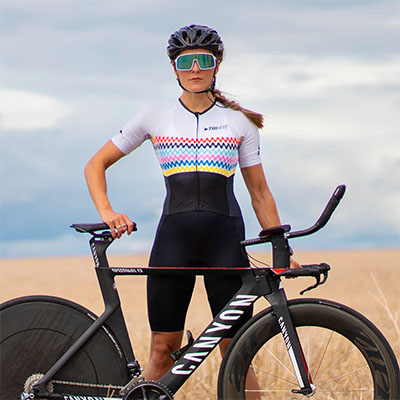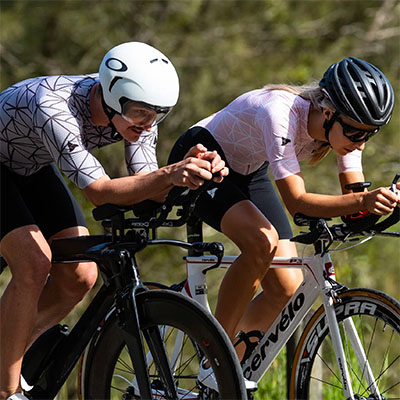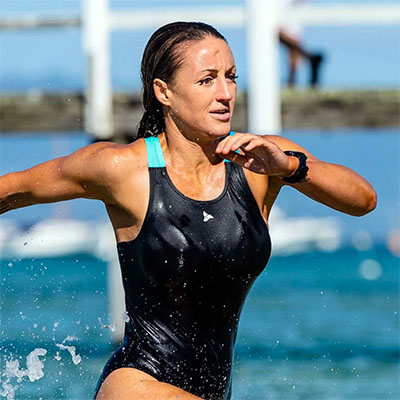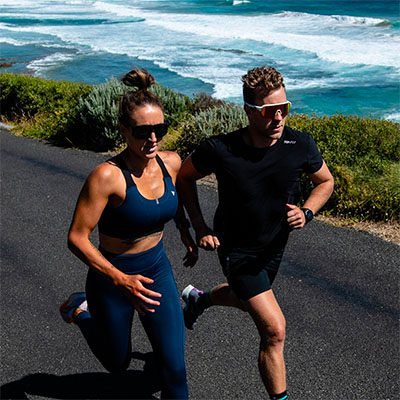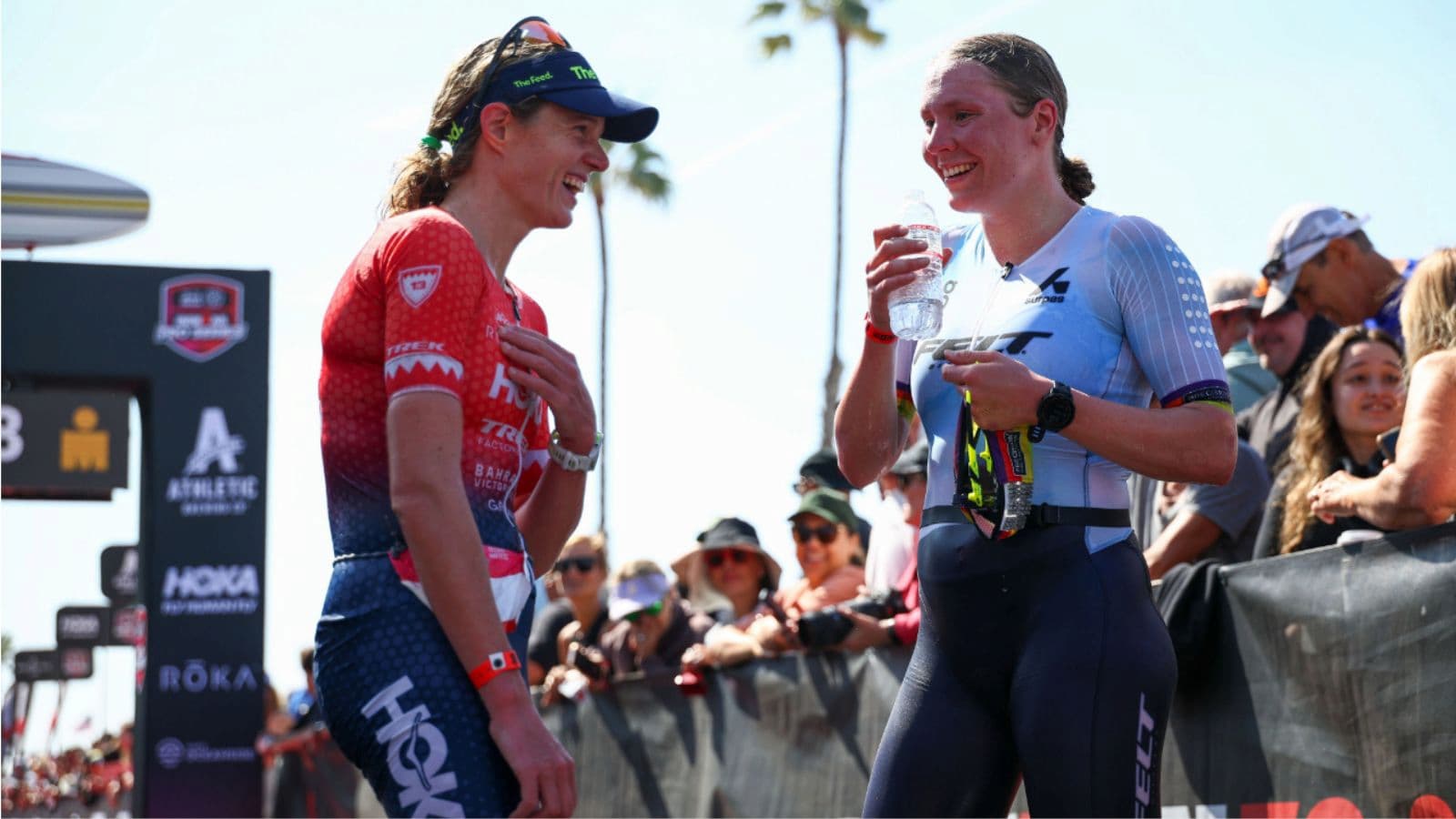


Yes, female triathletes can have different hydration needs, but there is no single hydration target that applies to all women. Individual sweat rate, body size, weather, exercise intensity, race duration, sodium loss, acclimatization, and access to fluids usually matter more than sex alone. Hormonal changes can influence fluid regulation and body temperature across the menstrual cycle, but this does not mean every female athlete needs to completely change her hydration plan throughout the month. The practical goal is simple: start training adequately hydrated, drink enough during longer sessions to limit excessive dehydration without overdrinking, and replace fluids afterward according to individual losses. Female triathletes should therefore build hydration strategies from their own training data and conditions rather than following a universal number.
In Short
- Female triathletes do not all need the same amount of fluid.
- Sweat rate is one of the most useful individual measures.
- Body size can influence total fluid losses.
- Sodium needs vary considerably between athletes.
- Drinking too much can also be dangerous.
- Bike sessions usually provide the easiest opportunity to drink.
- Hydration plans should be tested during training before race day.
Hydration Needs Are Individual
The biggest mistake is assuming there is one correct fluid intake for every female triathlete. Two women completing the same race can have very different sweat rates. One may lose relatively little fluid, while another may sweat heavily under identical conditions.
- Body size
- Genetics
- Fitness
- Heat acclimatization
- Clothing
- Pace
- Environmental conditions
all contribute. This is why a personalized approach is more useful than simply following a fixed amount per hour. A broader understanding of what should triathletes eat for better training and recovery also helps because:
- Hydration
- Carbohydrate intake
- Electrolytes
- Overall recovery nutrition
should work together rather than being treated as completely separate areas.
Body Size Can Affect Fluid Requirements
Larger athletes often produce greater absolute sweat losses than smaller athletes, although individual variation is substantial. This is one reason generic drinking recommendations can be misleading. A smaller female triathlete should not automatically try to match the fluid intake of a much larger training partner. Likewise, a woman with a high sweat rate may need considerably more fluid than another athlete of similar size. Use personal response and measured training data instead of comparing bottles consumed.
The objective is not to drink as much as possible. It is to support performance while avoiding excessive dehydration and excessive fluid intake.
The Menstrual Cycle Can Influence Fluid Regulation
Hormonal changes across the menstrual cycle can influence body temperature and fluid regulation. For some women, these changes may alter thirst, fluid retention, or how exercise feels in the heat. However, the response varies between individuals. The practical approach is to observe patterns rather than automatically changing hydration based only on the calendar.
- Tracking how you feel
- How much you drink
- Weather conditions
- Training intensity
- Menstrual cycle phase
can reveal whether a repeatable pattern exists. The same individual approach is important when considering how does the menstrual cycle affect running performance, because responses across the cycle are not identical for every athlete.
Heat Changes Hydration Needs
Hot conditions generally increase sweating because evaporation helps the body manage heat. As sweat losses rise, fluid requirements can increase. Female triathletes training or racing in hot conditions should adjust according to actual environmental stress rather than relying on a plan created during cool weather. Long cycling sessions are particularly important because they can produce substantial fluid losses before the run even begins. Guidance on how much should you drink per hour when cycling in hot weather can help athletes understand why hydration planning should account for:
- Temperature
- Intensity
- Duration
- Personal sweat rate
Do not wait until race day to discover how your body responds to heat.
Humidity Can Make Cooling More Difficult
Humidity matters because sweat must evaporate to provide effective cooling. When the air is humid, evaporation becomes less effective. You may feel extremely sweaty even though the body is not cooling as efficiently. Pace may need to decrease in hot and humid conditions. Trying to maintain cool weather intensity can increase thermal strain and fluid loss. Hydration helps, but drinking more cannot completely overcome excessive environmental heat. Adjusting:
- Pace
- Clothing
- Cooling strategies
- Expectations
is also important.
Sodium Losses Differ Between Athletes
Sweat contains water and electrolytes, including sodium. The amount of sodium lost varies considerably between individuals. Some athletes lose relatively little, while others have higher sweat sodium concentrations. Long events and heavy sweating increase the relevance of electrolyte replacement. However, consuming large amounts of sodium without considering fluid intake, sweat losses, and race duration is not automatically beneficial. Athletes with unusually high sweat losses or repeated hydration problems may benefit from professional guidance when developing a race plan.
Drinking Too Much Is Also a Risk
More hydration is not always better. Excessive fluid intake can contribute to exercise associated hyponatremia, a potentially dangerous reduction in blood sodium concentration. This can occur when an athlete consumes fluid faster than the body can eliminate it, particularly during prolonged endurance events. Symptoms can overlap with other race problems and may include:
- Headache
- Nausea
- Confusion
- Worsening illness
The goal of how to beat dehydration during an ironman triathlon should therefore never be interpreted as drinking continuously regardless of:
- Thirst
- Body size
- Conditions
- Sweat rate
A hydration plan needs both an upper and lower sense of what is appropriate for the individual.
The Bike Is the Main Hydration Opportunity
Triathlon creates a practical hydration problem because drinking is much easier during some disciplines than others. Drinking during the swim is obviously not practical. The bike therefore provides the main opportunity to consume fluids in a controlled way. Bottles can carry water, carbohydrate, and electrolytes according to the athlete’s plan. This does not mean drinking excessively on the bike to prepare for the run. Overloading the stomach can cause discomfort and leave the athlete feeling bloated. The objective is steady intake that matches the race plan and environmental conditions.
Hydration and Fueling Need to Work Together
Many triathletes consume carbohydrate through sports drinks as well as gels, bars, or other foods. That means changing fluid intake can also change carbohydrate and sodium intake. For example, drinking substantially more sports drink on a hot day may increase carbohydrate consumption beyond the amount originally planned.
Conversely, reducing drink intake in cool conditions may unintentionally reduce carbohydrate intake. The strategy behind how to fuel for a 2 hour cycling ride in a triathlon shows why athletes need to consider fluid and fueling together. Know what each bottle provides rather than thinking only about volume.
Hydration Needs Change With Race Distance
A sprint triathlon creates a very different hydration challenge from an Ironman.
- During shorter races, there may be less need or opportunity to consume large quantities of fluid.
- Longer events require a more structured approach because sweat losses accumulate over many hours.
- Higher intensity can increase heat production.
- Slower long course racing exposes the athlete to environmental conditions for much longer.
Hydration should therefore match the race rather than following the same plan at every distance. Training built around how should cycling workouts change for different race distances can also provide opportunities to practice the drinking patterns appropriate to the event being targeted.
Watch Hydration Before the Run Starts
Problems during the run can begin much earlier in the race. If a triathlete reaches T2 already substantially dehydrated, restoring fluid balance while running can be difficult. At the same time, drinking too aggressively late in the bike leg can leave the stomach uncomfortably full. The better approach is steady hydration throughout the bike according to the conditions and personal plan. Good bike management supports how can you bike smarter to improve your triathlon run, because:
- Pacing
- Fueling
- Hydration
- Muscular fatigue
all influence how well the run begins.
Do not treat the disciplines as completely separate events.
Use Aid Stations With a Plan
Race aid stations make fluids available, but availability does not mean you need to consume something at every station. Know approximately what you expect to drink and adjust according to:
- Weather
- Thirst
- Pace
- How your body is responding
Check what products the race provides before the event. If you intend to rely on an on course sports drink, practice using that product beforehand whenever possible. Understanding how do you use aid stations during a triathlon reduces last minute decisions and helps keep hydration and fueling consistent.
Test Hydration During Training
Race day should confirm your hydration strategy, not create it.
Record useful information such as:
| Factor | What to Track |
|---|---|
| Weather | Temperature and humidity |
| Session | Duration and intensity |
| Fluid | Amount consumed |
| Sweat | Estimated sweat loss |
| Sodium | Electrolyte intake if relevant |
| Response | Thirst, comfort, urine, performance |
| Recovery | Body weight and thirst afterward |
You do not need to record every session indefinitely. A few representative workouts can establish useful patterns.
Common Mistakes
- Following the same hydration target as a larger training partner.
- Assuming every female athlete has identical needs.
- Ignoring changes in temperature and humidity.
- Drinking as much as possible to prevent dehydration.
- Waiting until race day to test a hydration plan.
- Treating sodium and fluid as unrelated.
- Forgetting that sports drinks also provide carbohydrate.
- Starting the run already significantly dehydrated.
- Changing hydration automatically based only on menstrual cycle phase.
Practical Tips
- Estimate your sweat rate in representative conditions.
- Start important sessions adequately hydrated.
- Adjust intake for heat and humidity.
- Use the bike as your main structured drinking opportunity.
- Know how much fluid each bottle contains.
- Check the carbohydrate and sodium content of sports drinks.
- Practice race hydration during brick sessions.
- Avoid forcing fluid beyond what your plan and conditions require.
- Track menstrual cycle patterns if they consistently affect hydration or heat tolerance.
Actionable Takeaways
Female triathletes can have different hydration needs, but there is no universal female specific drinking target. Individual sweat rate, body size, exercise intensity, race duration, temperature, humidity, sodium losses, and acclimatization provide more useful guidance. Hormonal changes across the menstrual cycle can affect fluid regulation and temperature responses, but the effect differs between athletes. Track individual patterns rather than assuming the same adjustment is necessary for everyone.
Use training to estimate sweat losses and test fluid intake. During a triathlon, the bike is usually the best opportunity for structured hydration. Drink enough to support performance and limit excessive dehydration without trying to replace every drop of sweat or consuming fluid unnecessarily. The most effective hydration plan is individual, practiced, and adjusted to race conditions.