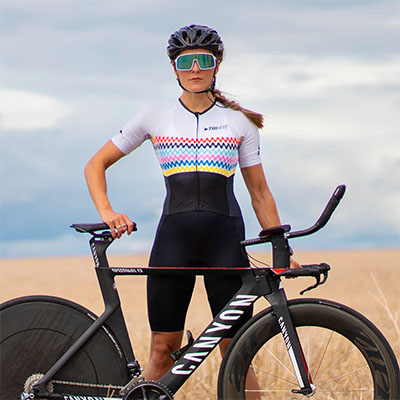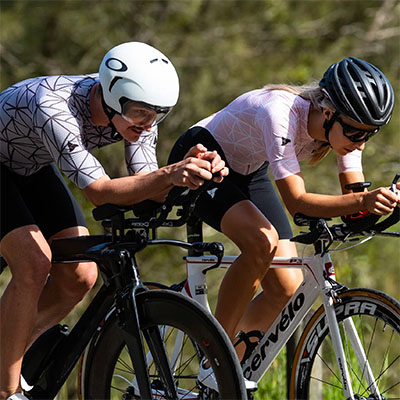


Fueling for a Half Ironman should begin before the race and continue consistently throughout the bike and run. Because a 70.3 race lasts several hours for most age group triathletes, relying only on stored carbohydrate and eating when you feel hungry is unlikely to be an effective strategy. Carbohydrate is the main fuel to prioritize during the race, while fluid and electrolytes help support hydration. The exact amounts vary between athletes, so a nutrition plan should be practiced during long training sessions rather than copied from another competitor on race morning. Good Half Ironman fueling is not about consuming as much as possible. The goal is to take in enough energy and fluid to support performance while staying within what your stomach can comfortably absorb and tolerate at race intensity.

In Short
- Start the race well fueled rather than trying to catch up later.
- Prioritize carbohydrate before and during the race.
- Eat a familiar carbohydrate rich breakfast.
- Use the bike as your main fueling opportunity.
- Begin fueling early on the bike.
- Practice the complete plan during training.
- Know what the race aid stations provide.
- Never introduce an unfamiliar product on race morning.
Why Fueling Matters in a Half Ironman?
A Half Ironman includes:
- 1.9 km swim.
- 90 km bike.
- 21.1 km run.
That creates a prolonged demand for energy.
Poor fueling can contribute to:
- Falling power.
- Slower running pace.
- Heavy legs.
- Poor concentration.
- Increased perceived effort.
- Difficulty maintaining race intensity.
Fueling helps delay these problems.
Start Fueling Before Race Morning
Race day nutrition works best when the previous day’s eating has already supported carbohydrate availability.
Useful options may include:
- Rice.
- Pasta.
- Bread.
- Potatoes.
- Oats.
- Fruit.
- Familiar sports nutrition products when appropriate.
This is not the time to experiment with unusually large meals.
Keep foods familiar and consider reducing anything that you already know causes digestive problems.
Keep Pre Race Food Familiar
Race morning creates enough stress without adding an unfamiliar breakfast.
Avoid experimenting with:
- New energy products.
- Very high-fiber meals.
- Unusually fatty foods.
- Large amounts of unfamiliar protein.
- Foods that have previously upset your stomach.
Some athletes tolerate these foods perfectly well.
The problem is introducing something your digestive system has not experienced before racing.
You Cannot Fuel During the Swim
The swim is the only discipline where meaningful fueling is generally unavailable.
You should enter the water:
- Fueled.
- Appropriately hydrated.
- Comfortable.
- Without feeling excessively full.
Trying to compensate for poor pre-race fueling immediately after leaving the water can create unnecessary digestive stress.
Start Fueling Early on the Bike
The bike is normally the most important fueling section of a Half Ironman. Once you are settled after transition, begin following your planned nutrition schedule.
You might organize intake around:
- Time.
- Distance.
- Computer alerts.
- Specific course landmarks.
The exact system matters less than consistency. The principles in how to fuel for a 2 hour cycling ride in a triathlon provide a useful foundation, but Half Ironman racing requires planning across a longer combined swim-bike-run duration.
How Many Carbohydrates Do You Need?
Carbohydrate requirements vary according to:
- Race duration.
- Intensity.
- Body size.
- Training history.
- Nutrition habits.
- Gut tolerance.
For prolonged endurance exercise, many athletes work within approximately 60 to 90 grams of carbohydrate per hour, while some may tolerate less or more depending on training and strategy.
Why the Bike Is Your Best Fueling Opportunity
Eating is usually easier while cycling than running. The bike therefore gives you the opportunity to take in a large proportion of your race carbohydrate before the half marathon begins.
Bike nutrition may include:
- Gels.
- Sports drink.
- Chews.
- Bars.
- Soft foods.
- Other familiar carbohydrate sources.
The best combination is the one you can consume consistently while riding at race intensity. The broader principles in what should triathletes eat for better training and recovery can help establish everyday nutrition habits, but race fueling needs to be specifically practiced under race-like conditions.
Liquid Versus Solid Fuel
Both can work. Liquid carbohydrate can be convenient because it combines energy and fluid.
Gels are:
- Compact.
- Easy to carry.
- Simple to measure.
Solid or semi-solid foods can provide:
- Variety.
- Different textures.
- A break from sweet products.
However, foods that work during easy cycling may become harder to digest at race intensity.
Test them during demanding brick sessions.
Separate Fueling From Hydration When Useful
Some athletes obtain most carbohydrate from sports drink.
For example:
- Water for fluid.
- Gels for carbohydrate.
- Electrolytes according to the hydration plan.
Separating them can make it easier to adjust fluid intake when weather changes without automatically changing carbohydrate intake by the same amount.
Hydration Needs Are Individual
There is no single fluid target suitable for every Half Ironman athlete.
Requirements vary with:
- Temperature.
- Humidity.
- Sweat rate.
- Body size.
- Race intensity.
- Acclimatization.
Hot conditions can substantially increase fluid requirements. The guidance in how much should you drink per hour when cycling in hot weather can help you adjust intake when race conditions become warmer.
Do Not Overdrink
More fluid is not always better. Excessive fluid intake can contribute to exercise associated hyponatremia, where blood sodium concentration becomes dangerously low. Avoid trying to finish every bottle simply because it is available. Instead, develop an individualized hydration strategy during training. Watch for environmental changes because the amount you comfortably need on a cool training morning may differ substantially from a hot race. Understanding how to beat dehydration during an ironman triathlon is useful, but avoiding dehydration should not become a reason to drink excessive quantities.
What About Sodium?
Sodium is lost through sweat. The amount varies considerably between athletes.
Sodium intake may become more relevant during:
- Long races.
- Hot conditions.
- Heavy sweating.
- High individual sodium losses.
Sources can include:
- Sports drinks.
- Electrolyte products.
- Gels containing sodium.
- Other race nutrition.
Your strategy should be developed through training and, where appropriate, professional nutrition guidance.
Fueling Should Match Your Bike Pacing
Nutrition becomes harder to tolerate when cycling intensity is too high.
An overly aggressive bike can therefore create two problems:
- Excessive muscular fatigue.
- Poor nutrition tolerance.
Following how should you pace the bike to run better in a triathlon can help protect both your legs and your ability to fuel effectively.
Your nutrition strategy and pacing strategy should support each other.
Avoid Huge Doses of Carbohydrate at Once
Consistency is generally easier on the digestive system than repeatedly consuming very large amounts. Instead of forgetting to eat for an hour and then trying to catch up, spread your intake across the bike.
You might use:
- Small regular sips.
- Scheduled gels.
- Portions of chews.
- Small pieces of familiar food.
A timer or bike computer alert can help when race concentration makes it easy to forget.
Practice Fueling at Race Intensity
A nutrition plan that works during an easy Sunday ride may not work at Half Ironman intensity. Your key race simulations should test fueling while riding near your intended race effort.
Practice:
- Opening packaging.
- Drinking while riding.
- Reaching bottles safely.
- Eating at race power.
- Carrying enough nutrition.
- Using aid stations.
You are training your digestive system and your race execution at the same time.
Train Your Gut
The digestive system can adapt to repeated carbohydrate intake during exercise. If you plan to consume relatively high carbohydrate amounts during your Half Ironman, introduce that intake progressively during training. Do not jump immediately from minimal fueling to an aggressive race target.
Practice allows you to identify:
- Products you tolerate.
- Flavors you prefer.
- Useful timing.
- Appropriate quantities.
- Foods that cause discomfort.
Your race nutrition should feel routine by race day.
Use Aid Stations Strategically
Half Ironman courses normally provide aid stations, but products and locations vary between events.
Before race day, find out:
- Where stations are located.
- Which drinks are available.
- Which gels or foods are offered.
- Whether water is provided separately.
- How frequently stations appear.
Understanding how do you use aid stations during a triathlon can help you integrate on-course nutrition into your plan instead of improvising during the race. If you intend to use race supplied products, test them beforehand when possible.
Do Not Wait Until You Bonk
A severe energy drop is difficult to reverse quickly.
Warning signs can include:
- Sudden loss of pace.
- Heavy legs.
- Difficulty concentrating.
- Irritability.
- Feeling unusually weak.
- Strong food cravings.
Fueling should be preventative.
By the time you feel severely depleted, performance may already have fallen considerably.
Adjust Fueling for Hot Weather
Heat can make nutrition more complicated.
You may:
- Sweat more.
- Drink more.
- Feel less interested in solid food.
- Experience greater gastrointestinal stress.
This makes race simulation particularly important. If your target race is likely to be hot, practice nutrition during some appropriate warmer sessions rather than developing the entire strategy in cool conditions.
Carry Backup Nutrition
Race plans occasionally go wrong.
You may:
- Drop a bottle.
- Lose a gel.
- Miss an aid station.
- Find that a planned product is unavailable.
Carrying a small amount of backup carbohydrate can prevent a minor mistake from becoming a major fueling problem.
Practice Fueling During Brick Sessions
Brick workouts provide a valuable opportunity to test the transition from bike nutrition to run nutrition.
If you consistently experience:
- Bloating.
- Nausea.
- Cramping.
- Sloshing.
- Urgent bathroom stops.
review the amount, timing, concentration, product choice, pacing, and fluid intake.
Do Not Ignore Everyday Nutrition
Race fueling cannot completely compensate for poor daily nutrition.
Regular training requires enough:
- Carbohydrate.
- Protein.
- Fat.
- Vitamins.
- Minerals.
- Overall energy.
Recovery nutrition also affects your ability to complete the training that prepares you for race day. Half Ironman nutrition should therefore be considered part of a larger endurance training strategy rather than a collection of gels used only during races.
Common Mistakes
- Trying a new breakfast on race morning.
- Starting the race underfueled.
- Waiting until hunger appears before eating.
- Consuming most bike nutrition too late.
- Copying another athlete’s carbohydrate target.
- Riding too hard to digest nutrition comfortably.
- Forgetting to check aid-station products.
- Eating a large amount immediately before the run.
- Failing to practice race nutrition in training.
Practical Tips
- Build your strategy around expected race duration.
- Use familiar foods before the race.
- Begin bike fueling early.
- Spread carbohydrate intake consistently.
- Practice your target intake during long rides.
- Test nutrition at race intensity.
- Set nutrition reminders if you commonly forget to eat.
- Keep the run strategy simple.
Actionable Takeaways
Half Ironman fueling should be planned as one continuous strategy rather than separate swim, bike, and run decisions.
Before the race:
- Eat familiar carbohydrate-rich foods.
- Start appropriately hydrated.
- Avoid unfamiliar nutrition.
On the bike:
- Begin fueling early.
- Prioritize regular carbohydrate intake.
- Drink according to your individual needs and conditions.
- Use familiar products.
- Avoid waiting until hunger or fatigue appears.
On the run:
- Simplify your nutrition.
- Continue taking manageable carbohydrate.
- Use aid stations strategically.
- Adjust fluid intake for conditions.
The bike remains the biggest opportunity to build the nutritional foundation for a strong run. Combining fueling with how can you bike smarter to improve your triathlon run helps ensure that both energy intake and cycling effort support the final half marathon. Race nutrition should also be practiced while training at realistic intensity. When your longer sessions are structured using how should cycling workouts change for different race distances, include nutrition practice so your fueling strategy develops alongside your fitness. There is no perfect Half Ironman fueling plan that works for everyone. Build a strategy you can repeatedly tolerate in training, adjust it for race conditions, and make execution simple enough that you can follow it even when tired.