

Triathletes are often encouraged to train harder, get leaner, and improve efficiency. While these goals can support performance when approached appropriately, problems can arise when training demands consistently exceed energy intake. One increasingly recognised issue in endurance sports is Relative Energy Deficiency in Sport (RED-S). Although RED-S is often associated with female athletes, male triathletes are not immune. In fact, many men unknowingly experience low energy availability for months or even years while assuming that fatigue, declining performance, or hormonal changes are simply part of heavy training.
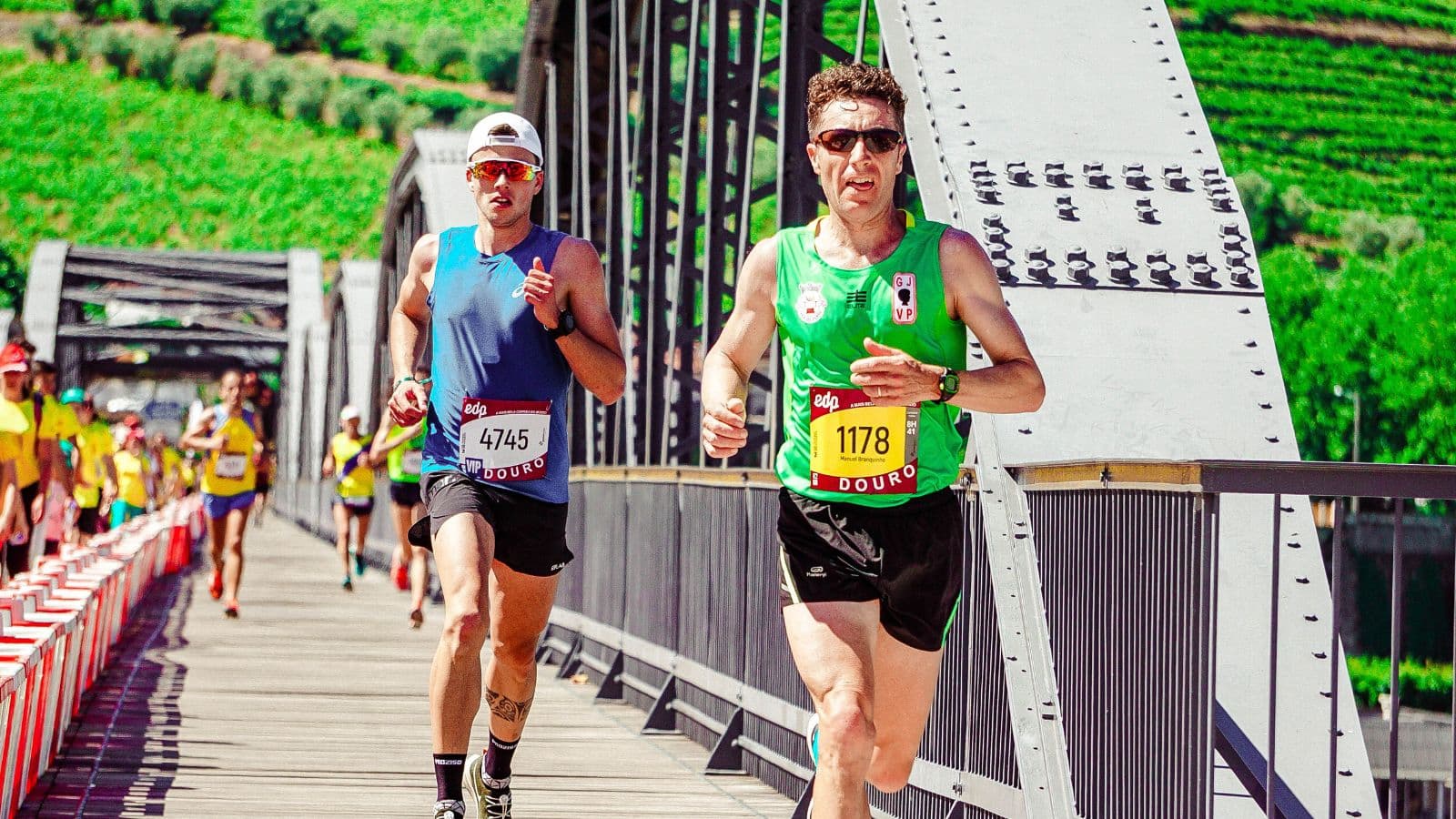
Understanding the signs of RED-S can help male triathletes identify problems early and protect both performance and long-term health.
What Is Relative Energy Deficiency in Sport?
RED-S occurs when an athlete does not consume enough energy to support both:
- Training demands
- Normal bodily functions
The issue is not necessarily about body weight.
A male triathlete may:
- Appear healthy
- Maintain a normal weight
- Continue training regularly
while still experiencing low energy availability. The body eventually begins prioritising essential survival functions, often at the expense of performance and recovery.
Why Male Triathletes Are at Risk?
Triathlon combines:
- Swimming
- Cycling
- Running
This creates substantial energy demands. Athletes often increase training volume while simultaneously attempting to:
- Lose weight
- Improve body composition
- Follow restrictive diets
Athletes who understand how can working professionals train for a 70.3 triathlon know that balancing training, work, and recovery can already be challenging without adding significant nutritional restrictions. The combination of high workload and inadequate fueling can increase RED-S risk.
Persistent Fatigue
One of the most common symptoms is ongoing fatigue.
This may include:
- Feeling tired despite adequate sleep
- Low energy during workouts
- Difficulty recovering between sessions
- Reduced motivation to train
Athletes often assume they simply need more fitness or more discipline when the real issue may be insufficient energy intake.
Declining Performance
Many male triathletes first notice RED-S through performance changes.
Possible signs include:
- Slower race times
- Reduced power output
- Decreased running pace
- Difficulty completing workouts
Athletes who understand how to combine bike, swim and run effectively often recognise that performance depends heavily on adequate fueling and recovery. Training harder is rarely the solution to chronic under-fueling.
Recovery Takes Longer
Poor recovery is another major warning sign. The training should be smart but not hard for the athletes.
Athletes may experience:
- Persistent soreness
- Heavy legs
- Reduced training readiness
- Difficulty bouncing back from hard sessions
Athletes who understand what strategies should triathletes follow for a better recovery know that recovery requires adequate energy as well as rest.
Without sufficient calories, adaptation becomes difficult.
Increased Illness Frequency
The immune system requires energy to function properly.
Male triathletes experiencing RED-S may notice:
- Frequent colds
- Recurrent illnesses
- Longer recovery from infections
A pattern of repeated illness can sometimes indicate that the body is struggling to support both training and immune function simultaneously.
Low Testosterone Levels
One of the most important consequences of RED-S in male athletes is hormonal disruption.
Low energy availability can contribute to:
- Reduced testosterone production
- Lower libido
- Reduced muscle-building capacity
- Mood changes
Many athletes mistakenly attribute these symptoms solely to ageing. In some cases, inadequate fueling may be a significant contributing factor.
Difficulty Building Strength
Male triathletes with RED-S often struggle to gain or maintain muscle mass.
Despite consistent training, they may notice:
- Reduced strength
- Muscle loss
- Declining power output
Athletes who understand strength training for triathletes know that maintaining strength becomes increasingly important for performance and long-term health.
Increased Injury Risk
Low energy availability can impair tissue repair and recovery.
Potential consequences include:
- Stress reactions
- Stress fractures
- Tendon problems
- Recurrent overuse injuries
Athletes who understand how can triathletes treat shin splints often recognise that persistent injuries sometimes have deeper causes than simple training errors.
Poor Sleep Quality
Some athletes experience:
- Difficulty falling asleep
- Waking during the night
- Reduced sleep quality
Even when training volume remains unchanged. Sleep disturbances can further compound recovery problems.
Mood and Mental Changes
RED-S can affect more than physical performance.
Symptoms may include:
- Irritability
- Reduced motivation
- Difficulty concentrating
- Increased anxiety around training or nutrition
Athletes who understand what mindset helps triathletes perform at their best know that mental well-being is closely connected to physical health.
Constant Hunger or Loss of Appetite
Interestingly, RED-S may affect appetite differently in different athletes.
Some experience:
- Persistent hunger
- Strong food cravings
while others notice:
- Reduced appetite
- Irregular eating habits
Both patterns can make adequate fueling more difficult.
Bone Health Can Be Affected
Although often discussed in relation to female athletes, RED-S can also affect bone health in men.
Long-term consequences may include:
- Reduced bone density
- Increased fracture risk
- Slower healing
These risks make early identification especially important.
Excessive Focus on Body Weight
Many male triathletes unknowingly create energy deficits while pursuing an ideal race weight.
Warning signs may include:
- Chronic dieting
- Fear of gaining weight
- Restrictive eating patterns
- Excessive calorie tracking
Athletes who understand how does glucose monitoring affect training and recovery in a triathlon often appreciate that performance requires adequate fuel availability. Leanness alone does not guarantee speed.
RED-S Often Develops Gradually
One reason RED-S can be difficult to identify is that symptoms often appear slowly.
Athletes may adapt to:
- Chronic fatigue
- Reduced recovery
- Lower performance
without recognising that something is wrong. Because changes occur gradually, they can easily be mistaken for normal training stress.
Prevention Strategies
Male triathletes can reduce their risk by:
- Eating enough to support training
- Fueling long workouts properly
- Avoiding aggressive calorie restriction
- Monitoring recovery trends
- Including recovery days
- Seeking professional advice when needed
- Paying attention to warning signs
- Prioritising health alongside performance
Athletes who understand how to adapt to a triathlon training plan while traveling often appreciate the value of flexibility and adjusting habits to meet changing demands.
Common RED-S Misconceptions
Many athletes incorrectly believe:
- RED-S only affects women
- Weight loss always improves performance
- More training always leads to improvement
- Fatigue is simply part of endurance sport
- Leaner automatically means faster
These assumptions can delay recognition and treatment.