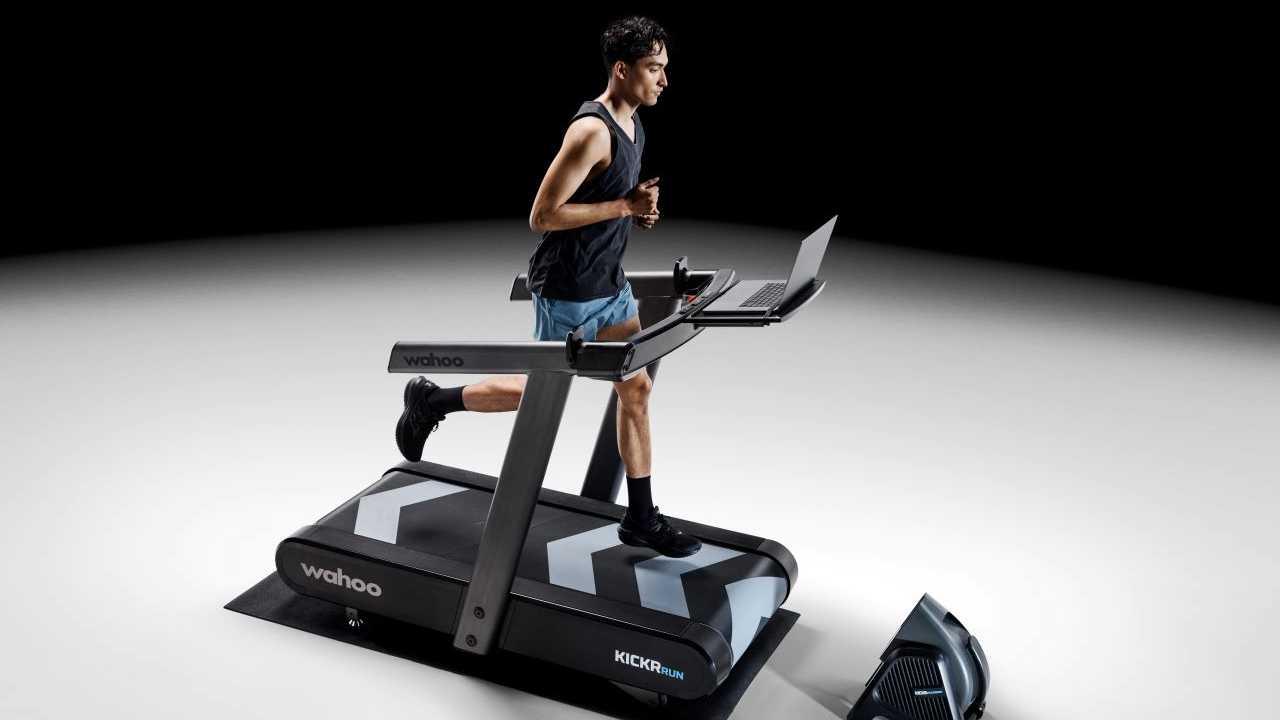


Treadmills can be incredibly valuable tools for triathletes. Whether you’re training during bad weather, travelling for work, managing safety concerns, or fitting workouts around a busy schedule, treadmill running allows you to maintain consistency when outdoor running isn’t practical. However, many triathletes eventually wonder whether the pace and distance displayed on the treadmill are actually accurate. If your treadmill reports a 10km run but your GPS watch shows 9.3km, or vice versa, it can be difficult to know which number to trust.
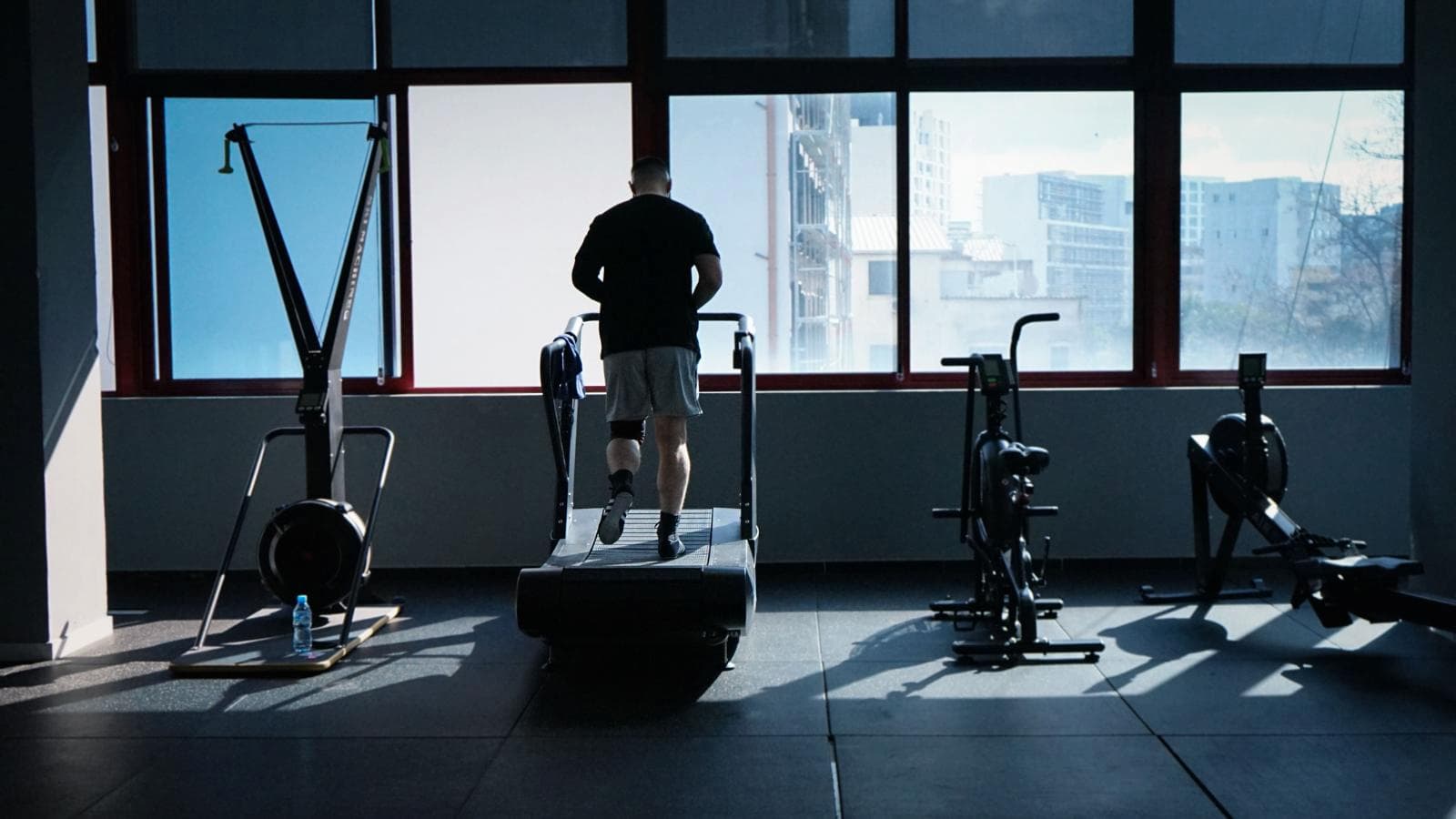
The reality is that treadmill accuracy varies. Understanding how treadmills measure distance and how to evaluate their accuracy can help triathletes make better training decisions and avoid unnecessary frustration.
Why Treadmill Accuracy Matters?
Accurate data helps athletes:
- Monitor progress
- Execute structured workouts
- Track training load
- Prepare for race pacing
When a treadmill significantly overestimates or underestimates distance, it can affect how workouts are interpreted. Athletes who understand how to stay on tract after missing a workout know that data is useful, but only when it reflects reality. Reliable information supports better training decisions.
How Treadmills Measure Distance?
Most treadmills calculate distance based on:
- Belt revolutions
- Motor speed
- Internal calibration
Unlike GPS watches, treadmills do not rely on satellite signals. Instead, they estimate how far the belt has moved beneath your feet. When properly calibrated, many modern treadmills can be quite accurate. However, wear and tear can gradually affect performance.
Signs Your Treadmill May Be Inaccurate
Common indicators include:
- Large discrepancies between workouts
- Consistent differences from known race performances
- Unusual pace readings
- Distance totals that seem unrealistic
While small variations are normal, significant inconsistencies may indicate calibration issues.
Compare Effort With Pace
One of the simplest ways to assess treadmill accuracy is by comparing effort and pace.
For example:
- Does marathon pace feel unusually easy?
- Does recovery pace feel strangely difficult?
- Do interval workouts seem unrealistic?
Athletes who understand adaptations in triathlon training plan often learn that perceived effort remains an important performance indicator. Numbers should generally align with how the body feels.
Use a Foot Pod
Foot pods provide an alternative method of measuring running distance.
These devices estimate:
- Speed
- Cadence
- Distance
based on movement patterns. Many runners find them more reliable indoors than GPS watches. Foot pods can also be calibrated to improve accuracy over time.
GPS Watches Can Be Misleading Indoors
Many athletes assume their watch is always correct. However, GPS signals are often weak or unavailable indoors.
As a result, watches may estimate treadmill distance using:
- Arm movement
- Cadence
- Algorithms
This can sometimes create discrepancies even when the treadmill itself is accurate.
Check Known Pace Efforts
If you regularly complete structured sessions, known paces can provide useful clues.
For example:
- Threshold pace
- Tempo pace
- Easy aerobic pace
Athletes who understand how to train for your first 70.3 triathlon in 20 weeks often become familiar with how specific efforts should feel.
Large mismatches may suggest measurement issues.
Calibration Matters
Commercial and home treadmills occasionally require recalibration.
Factors that can influence accuracy include:
- Belt wear
- Motor wear
- Age of the machine
- Maintenance history
Regular servicing can help maintain reliable performance.
Compare Multiple Workouts
Avoid judging accuracy based on a single session.
Instead, compare:
- Several runs
- Various paces
- Different workout types
Patterns often become more obvious over time. Consistency is usually more informative than isolated readings.
Heart Rate Can Provide Clues
Heart rate is another useful reference point. If a treadmill claims you’re running at race pace but your heart rate suggests recovery intensity, something may be inaccurate. Athletes who understand how does glucose monitoring affect training and recovery in a triathlon often appreciate the value of combining multiple data sources rather than relying on a single metric. Context matters.
Belt Slippage Can Affect Accuracy
A worn or loose belt may:
- Slip during use
- Affect speed consistency
- Reduce reliability
If pace fluctuates unexpectedly, mechanical issues may be contributing to inaccurate readings. Routine maintenance is important.
Use Race Performances as Reference Points
One practical test is comparing treadmill workouts with recent race results.
If your treadmill suggests:
- Faster fitness than race performances support
- Dramatically different pacing capabilities
it may be worth investigating further. Real-world performance often provides useful context.
Indoor Running Feels Different
Even with an accurate treadmill, running indoors is not identical to outdoor running.
Differences include:
- Reduced wind resistance
- Consistent terrain
- Controlled environment
- Mental demands
Athletes who understand how to beat jetlag before a triathlon race often use treadmills successfully by focusing on workout quality rather than obsessing over exact pace equivalence.
Incline Can Improve Outdoor Simulation
Many coaches recommend using a 1% incline.
This may help account for:
- Reduced air resistance
- Mechanical differences
While not perfect, it can make treadmill running feel slightly closer to outdoor conditions.
Don’t Chase Perfection
No measurement system is flawless.
Even outdoor GPS devices can be affected by:
- Tree cover
- Buildings
- Weather
- Signal quality
Athletes who understand what mindset helps triathletes perform at their best often focus on consistency and long-term trends rather than becoming obsessed with tiny discrepancies. Progress matters more than perfection.
Running Performance Is More Than Pace
A treadmill is ultimately a training tool.
Successful triathletes monitor:
- Effort
- Heart rate
- Recovery
- Consistency
- Performance trends
rather than relying entirely on one device.
Learning how your body responds often matters more than exact numerical precision.
Common Treadmill Accuracy Mistakes
Many athletes:
- Trust every reading blindly
- Compare GPS and treadmill data without context
- Ignore calibration needs
- Focus excessively on small differences
- Forget about effort levels
- Neglect treadmill maintenance
- Judge accuracy from one workout
- Assume indoor and outdoor running are identical
Most of these issues are avoidable.
How to Assess Treadmill Accuracy?
Triathletes can evaluate treadmill accuracy by:
- Comparing effort and pace
- Using a foot pod
- Monitoring heart rate
- Reviewing race performances
- Checking calibration
- Inspecting belt condition
- Looking for long-term patterns
- Combining multiple data sources
The goal isn’t necessarily perfect accuracy. It’s ensuring your treadmill provides reliable information that allows you to train effectively and confidently throughout your triathlon preparation.