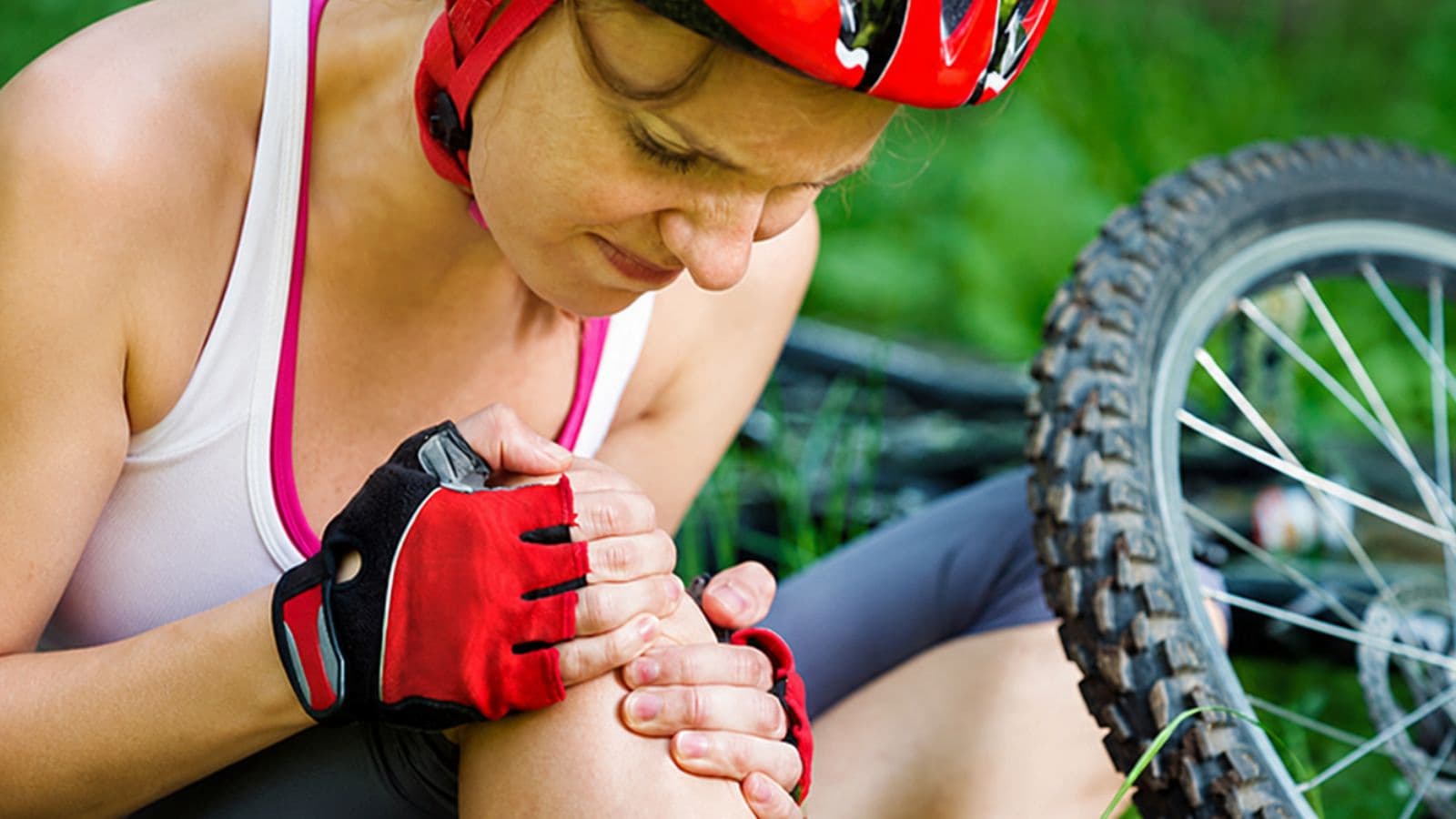


Knee pain is one of the most frequent complaints among cyclists, particularly those increasing their training volume or preparing for long-distance triathlons. Although many riders refer to it simply as “cyclist’s knee,” the term describes several overuse injuries that affect different parts of the knee rather than a single condition. Most cases develop gradually through repetitive pedaling rather than a sudden accident. Small issues such as an incorrect saddle height, poor cleat position, weak supporting muscles or rapid increases in training can place extra stress on the knee with every pedal stroke.
Left untreated, minor discomfort can develop into a more persistent injury that limits both cycling and running. The good news is that cyclist’s knee is often preventable. By understanding the common causes, recognizing early warning signs and making small adjustments to your bike setup and training, you can significantly reduce your risk while maintaining consistent progress.
What Is Cyclist’s Knee?
Cyclist’s knee isn’t a medical diagnosis but a general term used to describe several overuse injuries affecting the knee during cycling. In terms of functionality, knee joint can sustain loads of pressure on the ligaments alone. However, this may increase the stress on the joint causing wear and tear.
Common conditions include:
- Patellofemoral pain syndrome.
- Iliotibial (IT) band syndrome.
- Patellar tendon irritation.
- Quadriceps tendon pain.
- Soft tissue inflammation around the knee.
The exact location of your pain often provides clues about the underlying cause.
What Causes Cyclist’s Knee?
Most cases result from repeated stress placed on the knee over thousands of pedal revolutions.
Contributing factors include:
- Poor bike fit.
- Saddle positioned too low or too high.
- Incorrect cleat alignment.
- Rapid increases in training volume.
- Weak glute or hip muscles.
- Tight quadriceps, hamstrings or calves.
- Poor pedalling technique.
- Inadequate recovery.
Often, several of these factors combine rather than a single issue causing the pain such as jelly legs following the transition from bike to run.
Where Does the Pain Usually Occur?
The location of your discomfort often helps identify the problem.
Pain at the Front of the Knee
Pain around or behind the kneecap is commonly linked with:
- A saddle that’s too low.
- High training loads.
- Weak quadriceps or glutes.
Pain on the Outside of the Knee
Pain along the outer knee is frequently associated with iliotibial band irritation and may be aggravated by:
- Saddle position.
- Cleat alignment.
- Muscle tightness.
Pain Behind the Knee
Pain at the back of the knee sometimes occurs when:
- The saddle is too high.
- The rider overextends during each pedal stroke.
Recognise the Early Symptoms
Cyclist’s knee often begins gradually.
Common warning signs include:
- Mild aching during rides.
- Pain after cycling.
- Stiffness when climbing stairs.
- Tenderness around the kneecap.
- Discomfort during longer rides.
- Swelling in some cases.
Addressing symptoms early usually leads to a quicker recovery.
Check Your Bike Fit
A proper bike fit is one of the most effective ways to reduce unnecessary stress on your knees.
Pay particular attention to:
- Saddle height.
- Saddle fore-aft position.
- Cleat alignment.
- Handlebar reach.
Small adjustments can significantly improve comfort and pedalling efficiency. Before every ride, what you should check on your bike before every ride covers several equipment checks that help prevent discomfort and mechanical problems.
Avoid Increasing Training Too Quickly
Many cases of cyclist’s knee develop after a sudden increase in:
- Weekly mileage.
- Climbing.
- Interval sessions.
- Long rides.
Your joints and connective tissues need time to adapt to increasing workloads. Building endurance progressively reduces unnecessary stress. How to improve lactate threshold for cycling in a triathlon explains how to increase your riding volume safely.
Improve Your Pedalling Technique
Smooth pedalling distributes force more evenly throughout each revolution.
Aim to:
- Maintain a consistent cadence.
- Avoid excessive grinding in heavy gears.
- Pedal smoothly through the entire stroke.
- Stay relaxed on the bike.
Improving efficiency reduces repetitive stress on the knee. How to develop a smoother pedal stroke in triathlon cycling explains techniques that encourage more economical pedalling.
Strengthen the Muscles That Support the Knee
Strong supporting muscles help stabilise the knee during every pedal stroke.
Prioritise strengthening your:
- Glutes.
- Quadriceps.
- Hamstrings.
- Calves.
- Core.
Balanced strength reduces excessive loading on the knee joint.
Improve Flexibility and Mobility
Tight muscles can alter knee movement and increase stress on surrounding tissues.
Focus on improving flexibility in your:
- Hip flexors.
- Quadriceps.
- Hamstrings.
- Calves.
- Glutes.
Mobility exercises may also improve your overall riding comfort.
Don’t Ignore Recovery
Recovery is when your body repairs and adapts to training.
Support recovery through:
- Rest days.
- Good sleep.
- Proper nutrition.
- Hydration.
- Light recovery rides.
Ignoring fatigue can increase your risk of overuse injuries as training accumulates.
Listen to Your Body
One of the biggest mistakes cyclists make is trying to ride through knee pain.
Mild muscle fatigue after a hard session is normal, but pain that:
- Gets worse during rides.
- Persists for several days.
- Causes limping.
- Changes your pedalling style.
shouldn’t be ignored.
Reducing your training load early can often prevent a minor problem from becoming a long-term injury.
Maintain an Appropriate Cadence
Riding in excessively hard gears increases the force placed on your knees with every pedal stroke. Many triathletes find a cadence between 80 and 100 revolutions per minute (RPM) helps reduce joint stress while maintaining efficient power output. Learning how cadence affects performance can also improve comfort over longer distances. What is the ideal cadence for long distance cycling explains how to choose a cadence that matches your riding goals.
Balance Cycling with Running and Swimming
Triathletes place repeated stress on their knees across multiple disciplines.
Combining:
- Long rides.
- Hard run sessions.
- Strength training.
without adequate recovery can increase the likelihood of overuse injuries. A balanced program allows each discipline to complement the others while reducing excessive cumulative fatigue. How to avoid dead legs after the bike explains how to structure your weekly workload effectively.
Know When to Seek Professional Advice
If knee pain:
- Lasts more than a week or two.
- Continues despite rest.
- Causes swelling.
- Prevents normal cycling.
- Occurs after a crash.
consult a qualified physiotherapist or sports medicine professional. A professional assessment can identify the underlying cause and recommend the most appropriate treatment before the injury becomes more serious.
Prevention Is Better Than Treatment
Most cases of cyclist’s knee develop gradually, meaning many are preventable with consistent good habits.
Simple preventative measures include:
- Regular bike fit checks.
- Progressive training.
- Strength work.
- Mobility exercises.
- Adequate recovery.
- Proper nutrition.
These habits not only reduce injury risk but also support better long-term cycling performance.
Common Mistakes
- Ignoring early knee pain.
- Raising training volume too quickly.
- Riding with an incorrect saddle height.
- Neglecting cleat alignment.
- Grinding heavy gears at a very low cadence.
- Skipping strength and mobility work.
- Returning to full training too soon after pain develops.
- Assuming all knee pain has the same cause.
Practical Tips
- Have your bike fit checked if knee pain develops.
- Increase weekly training gradually.
- Maintain a comfortable cadence throughout most rides.
- Include regular strength training for your hips and legs.
- Stretch tight muscles after riding.
- Prioritise recovery after demanding sessions.
- Replace worn cleats and check their alignment regularly.
- Seek professional advice if pain persists.
Actionable Takeaways
Cyclist’s knee is one of the most common overuse injuries affecting triathletes, but it’s also one of the most preventable. Most cases develop because of repeated stress caused by training errors, poor bike fit or muscle imbalances rather than a single incident.
By improving your bike setup, progressing your training gradually, strengthening the muscles that support your knees and responding quickly to early symptoms, you can reduce your injury risk and continue training consistently throughout the season.