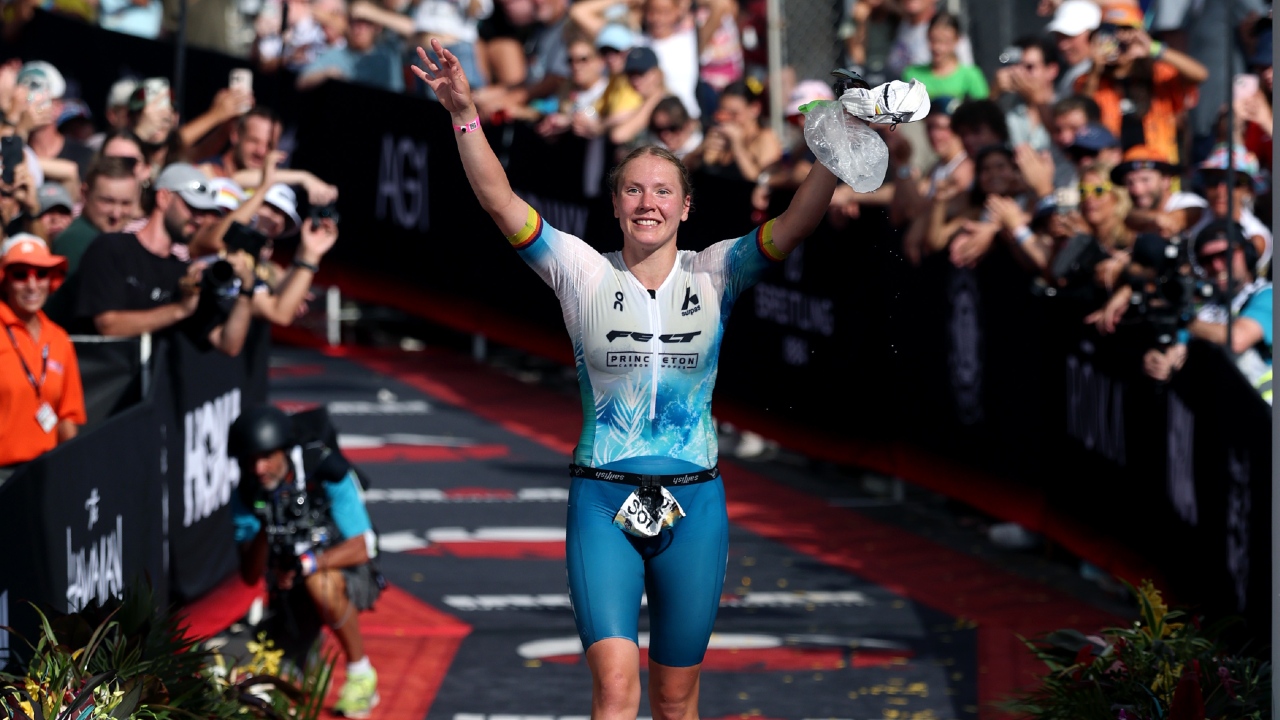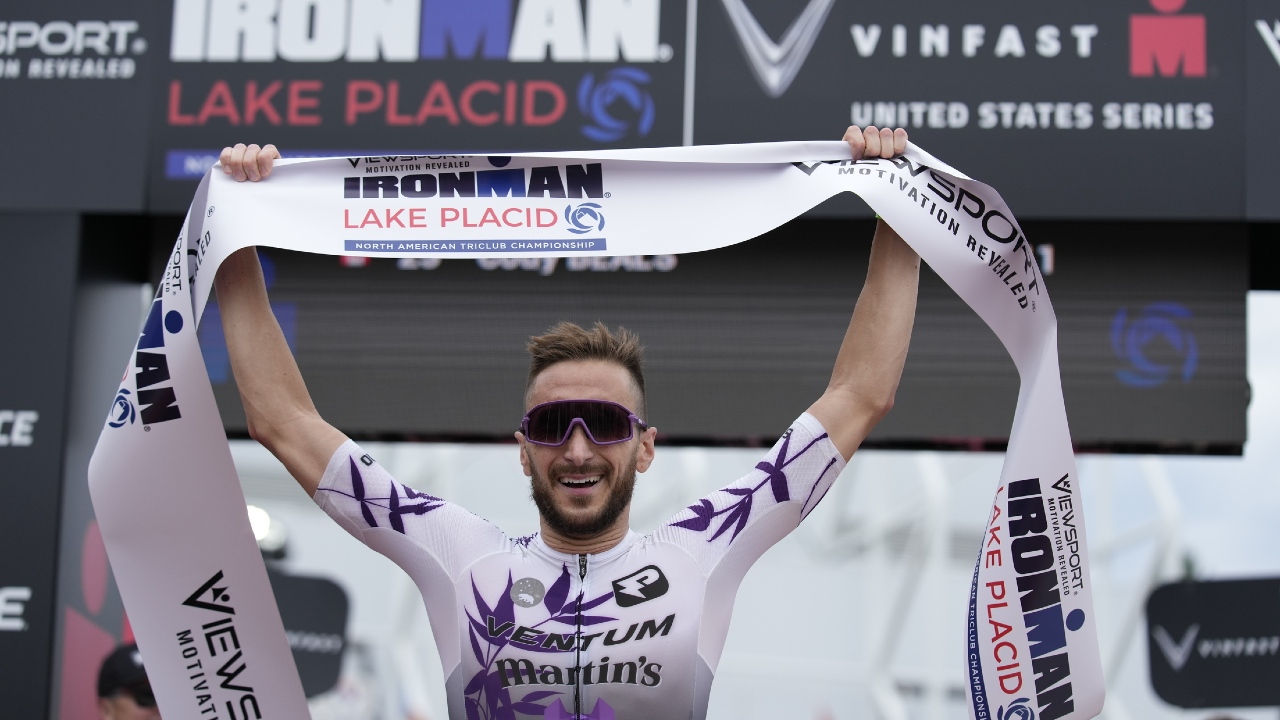


Fueling for an Ironman triathlon is one of the most critical factors in race performance. Covering 3.8km swim, 180km bike, and a full marathon, the event places extreme demands on your body’s energy systems. Success is not just about fitness, it is about maintaining consistent energy levels over many hours. A well-executed fueling strategy allows you to sustain effort, delay fatigue, and finish strong.

What Ironman Fueling Actually Requires?
Ironman fueling is about providing a steady supply of carbohydrates, fluids, and electrolytes. Your body cannot store enough energy to complete the race without replenishment. Glycogen stores deplete over time, especially during long-duration efforts. Fueling ensures your body continues to perform without hitting energy deficits.
Consistency is more important than quantity in Ironman nutrition.
Why Fueling Matters So Much?
- Poor fueling leads to fatigue, reduced pace, and performance decline.
- In long races like Ironman, energy management becomes the limiting factor.
- Even well-trained athletes struggle without proper nutrition.
- Fueling supports both physical output and mental focus.
- It is a key part of race execution, not an optional extra.
Pre Race Nutrition Strategy
- Preparation begins before race day.
- Carbohydrate intake should be increased in the days leading up to the race.
- This helps maximise glycogen stores.
- Meals should be simple, familiar, and easy to digest.
- Race morning nutrition should provide energy without causing discomfort.
- Consistency and simplicity are key to avoiding issues.
Pre-race nutrition is the process of preparing your body with the right fuel before a triathlon so you can perform across swim, bike, and run without energy loss. This becomes easier when you follow the guide provided in what to eat before a triathlon.
Fueling During the Swim
- The swim portion does not allow active fueling.
- This makes pre-race nutrition even more important.
- Entering the water with full energy stores is essential.
- Effort should be controlled to avoid excessive energy use.
- A steady, efficient swim sets up the rest of the race.
Fueling on the Bike
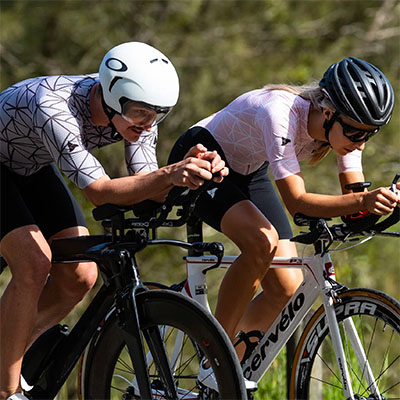
The bike leg is the primary opportunity to fuel effectively. This is where most of your nutrition intake should occur. Carbohydrates should be consumed regularly to maintain energy levels. Fluids and electrolytes support hydration and prevent imbalances. A consistent intake strategy helps avoid energy crashes.
This becomes easier when aligned with how to train for 70.3 and half ironman triathlon, where structured fueling supports sustained effort.
Fueling During the Run
- Fueling becomes more challenging during the run due to fatigue.
- Energy intake should continue in smaller, manageable amounts.
- Maintaining hydration is critical to prevent performance decline.
- Consistent fueling helps sustain pace and reduce fatigue.
- Even small amounts of energy can make a difference at this stage.
Carbohydrate Intake Strategy
- Carbohydrates are the primary fuel source during an Ironman.
- They provide the energy needed for sustained effort.
- Regular intake helps maintain blood glucose levels.
- Waiting until you feel tired is too late.
- Fueling should begin early and continue consistently throughout the race.
Hydration and Electrolytes
- Hydration supports circulation, temperature regulation, and performance.
- Electrolytes help maintain fluid balance and prevent cramping.
- Fluid intake should match conditions and individual needs.
- Overhydration or underhydration can both affect performance.
- Balancing fluids and electrolytes is essential for long-distance racing.
Timing and Consistency
- Fueling should follow a consistent schedule.
- Small, frequent intake is more effective than large, infrequent amounts.
- This helps maintain stable energy levels.
- Consistency reduces the risk of energy crashes.
- Practicing this timing in training ensures it becomes automatic.
Practicing Your Strategy in Training
Fueling should never be tested for the first time on race day. Long training sessions provide the opportunity to test what works. This includes food types, timing, and hydration levels. Practice reduces uncertainty and improves confidence.
Testing your strategy ensures it is reliable under race conditions.
Avoiding Gastrointestinal Issues
Digestive problems can affect performance significantly. Choosing familiar and easily digestible foods reduces risk. Avoid experimenting with new products on race day. Spacing intake evenly helps improve tolerance.
Listening to your body is key to managing nutrition.
Common Mistakes
- Skipping early fueling leads to energy deficits later.
- Overfueling causes discomfort and reduces performance.
- Ignoring hydration leads to fatigue and imbalance.
- Trying new nutrition on race day increases risk.
- Inconsistent intake disrupts energy levels.
Practical Checklist
- Increase carbohydrate intake before race day
- Start fueling early and consistently
- Focus on carbohydrates as the main energy source
- Maintain hydration and electrolyte balance
- Practice your fueling strategy in training
What You Should Do?
- Develop a simple and consistent fueling plan.
- Test it during long training sessions to ensure it works.
- Focus on maintaining steady energy levels rather than reacting to fatigue.
- Adjust your strategy based on conditions and personal needs.
- Fueling for an Ironman is about preparation, consistency, and execution.
- The more familiar your plan becomes, the more confident and controlled your race will feel.