


While Sam Holness accepts he is not quite at the level of Kristian Blummenfelt yet, his dream of becoming the first openly autistic professional triathlete is something he will never give up on.
Having achieved so much already in the sport of swim-bike-run, his journey is one of both inspiration and dedication as he pursues his ambition to compete alongside the very best in the world.
Coached by his father, Tony, he has already achieved recognition from the Guinness Book of World Records as the first autistic athlete to compete in and complete the IRONMAN World Championship in Kona… but there remains a desire to keep on pushing and, indeed, improving.
Documentary shows heartwarming footage
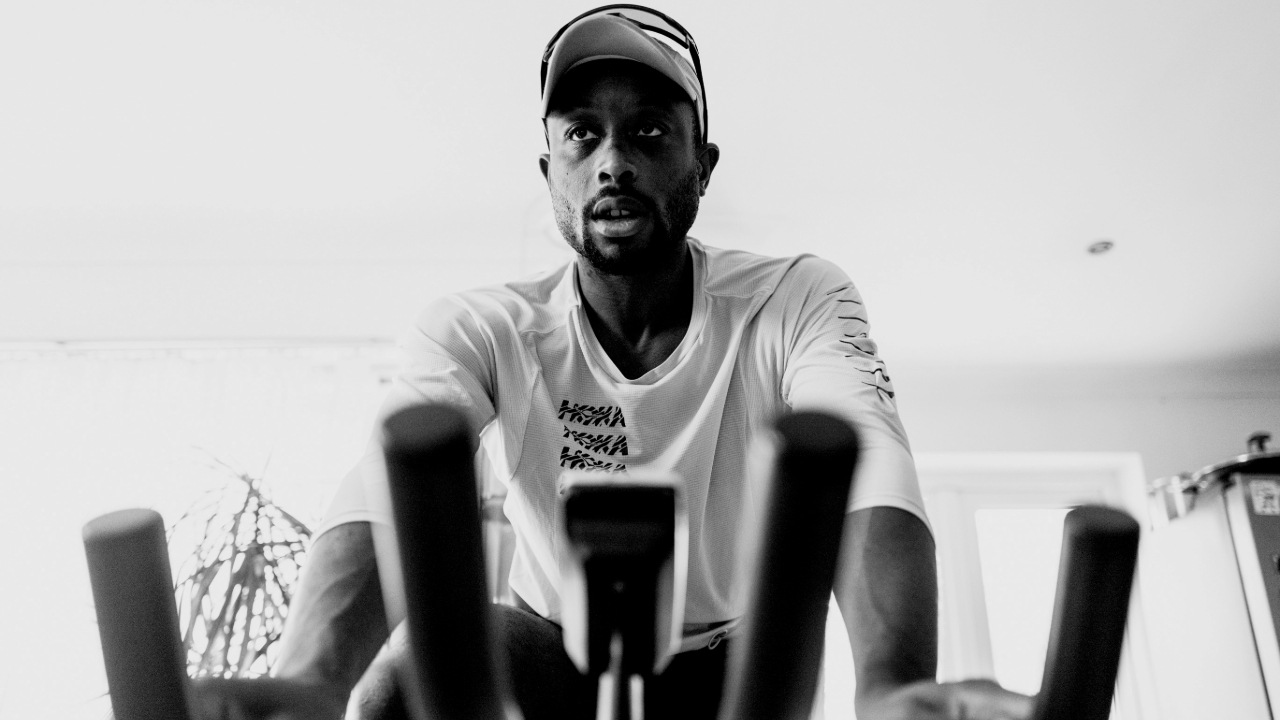
An intimate new short documentary, released in the build-up to his latest race at Challenge Roth last weekend, highlights that hunger for improvement in a fascinating behind-closed-doors look at a day in the life of the father-and-son team.
Issued by the hydrogel sports nutrition specialist Maurten, the film ‘Sam Holness – A Beautiful Mindset’, which is embedded into this story below, sees both men being interviewed about their unique partnership.

Sam, who wears the slogan ‘Autism is my superpower’ on his tri-suit, was diagnosed with the condition at the age of three and was non-verbal until he was six. It was felt that his condition was so severe that the family were warned he may never speak and that they should set low expectations for his social, communication and academic future.
Not only did he challenge these perceptions by going on to achieve a BSc degree in sports science (grade 2:1), but he also became an impressive endurance athlete.
Always being told he can’t do things
“Sam has lived his whole life, most of his life, being told he can’t do things,” says Tony. “I could get Sam to race and say, ‘Oh, he’s a good age-grouper’ and be satisfied. I’m not. It’s his Everest. It’s his swimming the channel.
“Maybe I’m living my life through him or what I wanted to do but I didn’t have the opportunity to. But I think he can do it. You know, it’s his Everest.”
And there is no doubting just how dedicated Sam is to taking that next step on their course to one day becoming a professional.
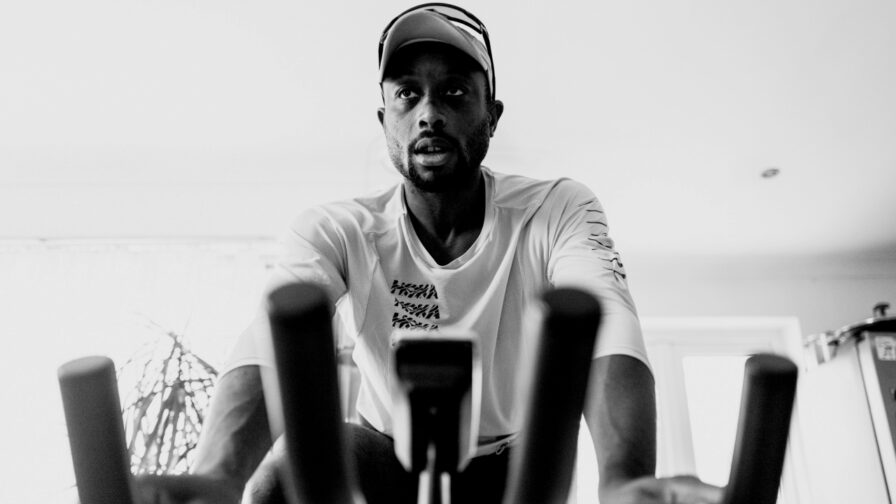
Asked how different his experience is to others who race, he says: “There’s a big difference because normally, when I’m in triathlons, there are many other good participants. There’s just one problem, normally in triathlons or other races. I’m like, normally, the only one who does triathlon with autism.
When the interviewer asks about his training, he adds: “I enjoy training. Well, the reason I enjoy training is because I want to get my skills, get faster, get my technique up, and get my technique right.
‘I am the athlete, I do the exercising’
“And hopefully, I’m going to get my technique right and hopefully reduce the risk of injuries. Sometimes when it gets… when it’s a VO2 max, it feels like sometimes it’s getting a bit intense here. You feel the heart rate, heart pump, heart beating, and body sweating.
“I am the triathlete. I do the exercising. Dad’s a coach, mechanic and nutritionist.”
His race at Roth on Sunday was completed in 11 hours, a time that he admits was disappointing, stating on his Instagram page: “I didn’t get the time that I wanted, but my pops says that it is cool because ‘every day is a school day’.
“New bike, no gut issues and finished without any DOMS. Mum was there to make sure that my nutrition was balanced and that I was relaxed, while Dad reassured me that I have the potential to smash it.”
How fast does he think he can be?
It may not have been the time he wanted, but it was an improvement on his time from last year, when IBS problems could have seen him record a DNF; but he battled on to the finish line because “I didn’t want a DNF. I started, and I didn’t want to stop. I didn’t want to get the DNF. Just keep going to the end.”
His desire to improve and willingness to give it absolutely everything will undoubtedly lead to swift improvements in the long run… but how fast does he think he can truly be?
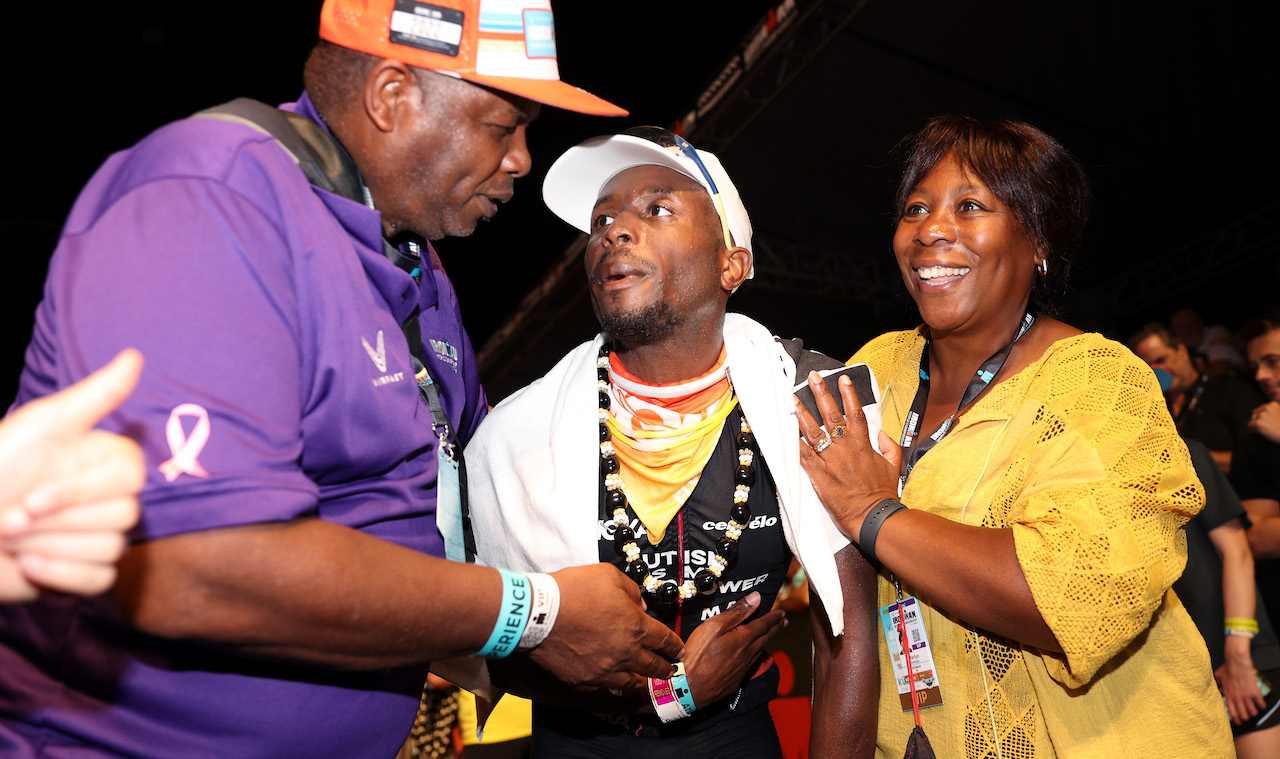
“That’s tricky; that’s kinda hard to explain and hard to know,” he says when asked the question on the documentary. “I’m just not at Blummenfelt’s level yet. I’ve just been working day and night, but I’m just not at Blummenfelt’s level yet. I’ve still got more work in progress to get more, even faster.
“I still need to work on getting my speed, getting the nutrition right and technique.”
Get those sorted, and who knows where his triathlon career might take him.