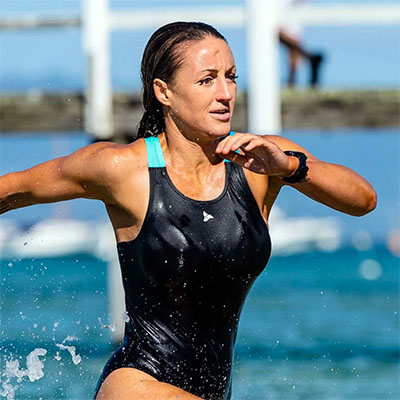




Fueling before an open water swim is often overlooked by triathletes and endurance swimmers, especially during shorter sessions or races. However, proper pre-swim nutrition can significantly improve energy levels, focus, comfort in the water, and overall performance.
Unlike pool swimming, open water swimming introduces additional physical and mental demands such as cold water, waves, sighting, and anxiety. Going into the water under-fueled can increase fatigue and make breathing and pacing feel much harder than necessary.
The goal of pre-swim fueling is not eating as much as possible, it is giving your body enough energy to stay calm, controlled, and efficient in the water.
Why Pre-Swim Fueling Matters?
Open water swimming places demands on both the aerobic system and nervous system. Even moderate sessions can feel surprisingly intense because of environmental conditions and race stress.
Proper fueling before swimming helps:
- Maintain energy levels
- Improve concentration
- Support body temperature regulation
- Reduce early fatigue
- Improve pacing control
This becomes especially important during longer swims or triathlon races, similar to strategies discussed in fueling and hydrate for an Ironman without GI issues, where steady energy availability supports sustainable performance.
Swimming Fasted Is Not Always Ideal
Some athletes swim without eating beforehand because they assume the session is too short to require fueling. While this may feel manageable for very easy swims, harder or longer open water sessions often feel significantly more difficult when under-fueled.
Low energy availability may lead to:
- Poor pacing
- Higher perceived effort
- Increased anxiety
- Reduced focus and coordination
This is especially noticeable in colder water where the body already experiences additional stress.
What Should You Eat Before an Open Water Swim?
The best pre-swim meal is usually:
- Easy to digest
- Moderate in carbohydrates
- Low in excessive fat and fibre
Good options include:
- Toast with honey or jam
- Banana and oats
- Rice cakes
- Bagel with peanut butter
- Yogurt with fruit
These foods provide accessible energy without sitting heavily in the stomach.
How Long Before Swimming Should You Eat?
For most athletes:
- A larger meal works best around 2–3 hours before swimming
- A smaller snack works well 30 to 60 minutes beforehand
The ideal timing depends on digestion and session intensity. Longer waits may leave you low on energy, while eating too heavily immediately before swimming may cause discomfort.
Carbohydrates Are the Main Priority
Carbohydrates are the body’s preferred fuel source during endurance exercise. Before open water swimming, carbohydrates help maintain blood glucose and support steady energy output.
Simple carbohydrate-focused snacks often work best because they digest relatively quickly. This becomes especially important before harder race efforts, similar to fueling strategies discussed in fueling for an ironman triathlon, where energy management affects the entire event.
Avoid Foods That Increase GI Risk
Open water swimming already creates additional stomach stress because of body position, nerves, and cold water exposure. Heavy meals or unfamiliar foods increase the likelihood of gastrointestinal discomfort.
Before swimming, avoid excessive:
- Greasy foods
- High-fibre meals
- Large dairy-heavy meals
- Very spicy foods
Simple familiar foods are usually the safest choice.
Hydration Matters Before Swimming Too
Because swimmers are surrounded by water, many athletes underestimate hydration needs before open water sessions.
Even mild dehydration can affect:
- Heart rate
- Energy levels
- Concentration
- Temperature regulation
Drink fluids steadily during the hours leading into the swim rather than consuming large amounts immediately beforehand. Hydration becomes especially important in warmer conditions, similar to concepts discussed in hydration strategy for triathlon, where fluid balance strongly affects endurance performance.
Cold Water Increases Energy Demand
Cold water exposure increases calorie usage because the body works harder to maintain core temperature. Athletes swimming in cold conditions often feel fatigue earlier when under-fueled.
This is one reason proper pre-swim fueling becomes particularly important during open water training and racing.
What About Coffee or Caffeine?
Caffeine can improve alertness and endurance performance for some athletes when used appropriately.
However:
Too much caffeine may increase anxiety or stomach discomfort before swimming
If using caffeine:
- Keep intake moderate
- Use familiar products only
- Avoid experimenting on race day
This becomes especially relevant for athletes already prone to nervousness before open water starts.
Pre-Race Nerves Can Affect Digestion
Anxiety before races often changes digestion and appetite. Some athletes struggle to eat enough because nerves suppress hunger.
- In these situations:
Simple liquid calories or smaller carbohydrate snacks may work better than heavy meals. - The goal is still getting enough accessible energy without creating stomach discomfort.
Fueling Needs Depend on Swim Duration
Shorter swims usually require less pre-fuel than longer endurance swims or triathlon races.
For example:
- Easy 30-minute sessions may only need a light snack
- Long open water swims or race starts often require more structured fueling beforehand
The harder and longer the session, the more important fueling becomes.
Practice Fueling During Training
One of the biggest mistakes athletes make is only testing nutrition on race day. Open water fueling should be practiced during training so you understand:
- What foods work best
- How much you tolerate comfortably
- When to eat before swimming
This reduces uncertainty and helps improve confidence before races.
Do Not Overeat Before Swimming
More food does not automatically mean better performance. Large heavy meals often create bloating and discomfort during swimming.
The goal is feeling:
- Energised
- Comfortable
- Light enough to swim efficiently

Balanced fueling usually works far better than extreme approaches.
Recovery Starts With Proper Pre-Fuel
Athletes who begin sessions properly fueled usually recover better afterward too.
Better energy availability supports:
- Training quality
- Reduced stress response
- Faster recovery
- Improved consistency
This long-term consistency is especially important in endurance sports, similar to approaches discussed in training for a winter triathlon, where sustainable preparation matters more than occasional extreme sessions.
Avoid Common Open Water Fueling Mistakes
- Skipping food completely before harder swims
- Eating heavy meals too close to swimming
- Trying unfamiliar foods before races
- Ignoring hydration
- Overusing caffeine
Avoiding these mistakes improves both comfort and performance significantly.
Practical Pre-Swim Fueling Tips
- Eat carbohydrate-focused meals before swimming
- Keep foods simple and familiar
- Hydrate steadily before sessions
- Avoid heavy greasy meals
- Practice fueling strategies during training
- Adjust intake based on swim duration and intensity
What You Should Do?
Start by building a simple and repeatable pre-swim fueling routine using foods that digest comfortably and provide steady energy. Focus on carbohydrate intake, hydration, and timing rather than overcomplicating nutrition.
Practice your approach regularly during training sessions so race-day fueling feels familiar and controlled. Supporting your swim preparation with smart pacing and breathing habits, like strategies discussed in hydration strategy for triathlon by weather & distance, helps improve confidence and comfort in the water.
Fueling properly before an open water swim does not need to be complicated. Consistent habits and simple preparation are usually what help athletes feel strongest, calmest, and most prepared once they enter the water.