

No, forefoot running has not been shown to be a universally safer way to run. Landing on the forefoot changes how forces move through the lower body, but it does not simply remove those forces. Instead, some of the mechanical demand shifts toward the foot, ankle, calf, and Achilles tendon. That means changing from a heel strike to a forefoot strike may alter the types of problems a runner experiences rather than reducing overall injury risk. Triathletes should therefore avoid deliberately changing foot strike solely because they have heard that forefoot running prevents injuries. Training load, previous injuries, strength, recovery, running speed, footwear, and individual biomechanics all matter.
In Short
- Forefoot running does not guarantee fewer injuries.
- Foot strike changes where forces are absorbed rather than eliminating them.
- Forefoot striking increases demands on the calf and ankle complex.
- Achilles tendon and foot loading can increase.
- Heel striking is not automatically poor running form.
- Training load remains a major factor in running injuries.
- Change technique only when there is a clear reason to do so.
What Is Forefoot Running?
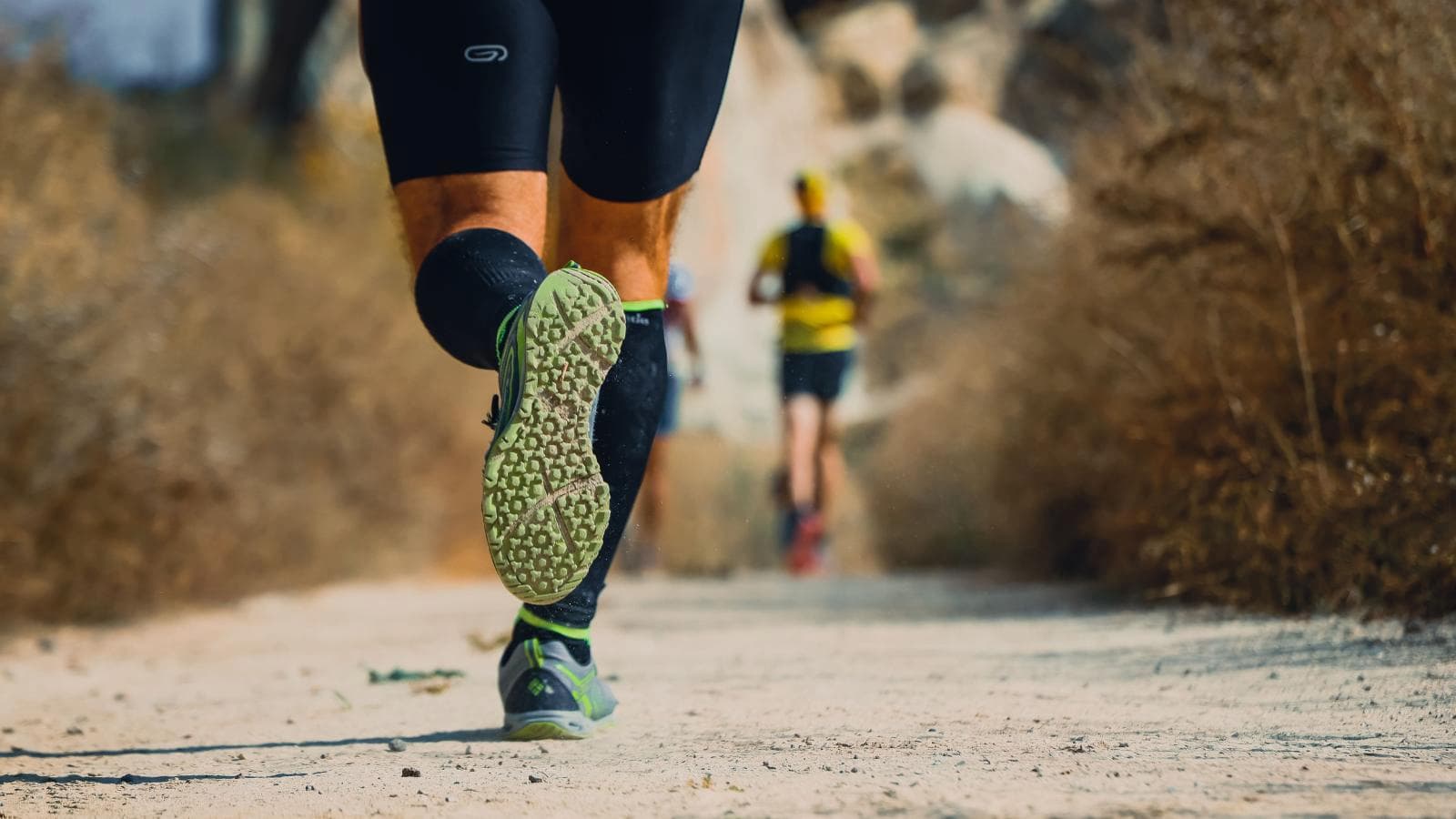
Forefoot running describes a landing pattern where the front portion of the foot contacts the ground first. It is different from a rearfoot strike, where the heel contacts first, and a midfoot strike, where the heel and ball of the foot contact at roughly the same time. These categories are useful descriptions, but real running mechanics are more complicated than three fixed patterns. Foot strike can change with:
- Speed
- Terrain
- Footwear
- Fatigue
- Individual movement patterns
A triathlete may therefore use a slightly different landing during a fast 5K than during the final kilometers of a long course race. Foot strike should be considered one part of overall how to improve your triathlon running form, rather than the single feature that determines whether technique is efficient or safe.
Forefoot Running Changes Where the Body Absorbs Load
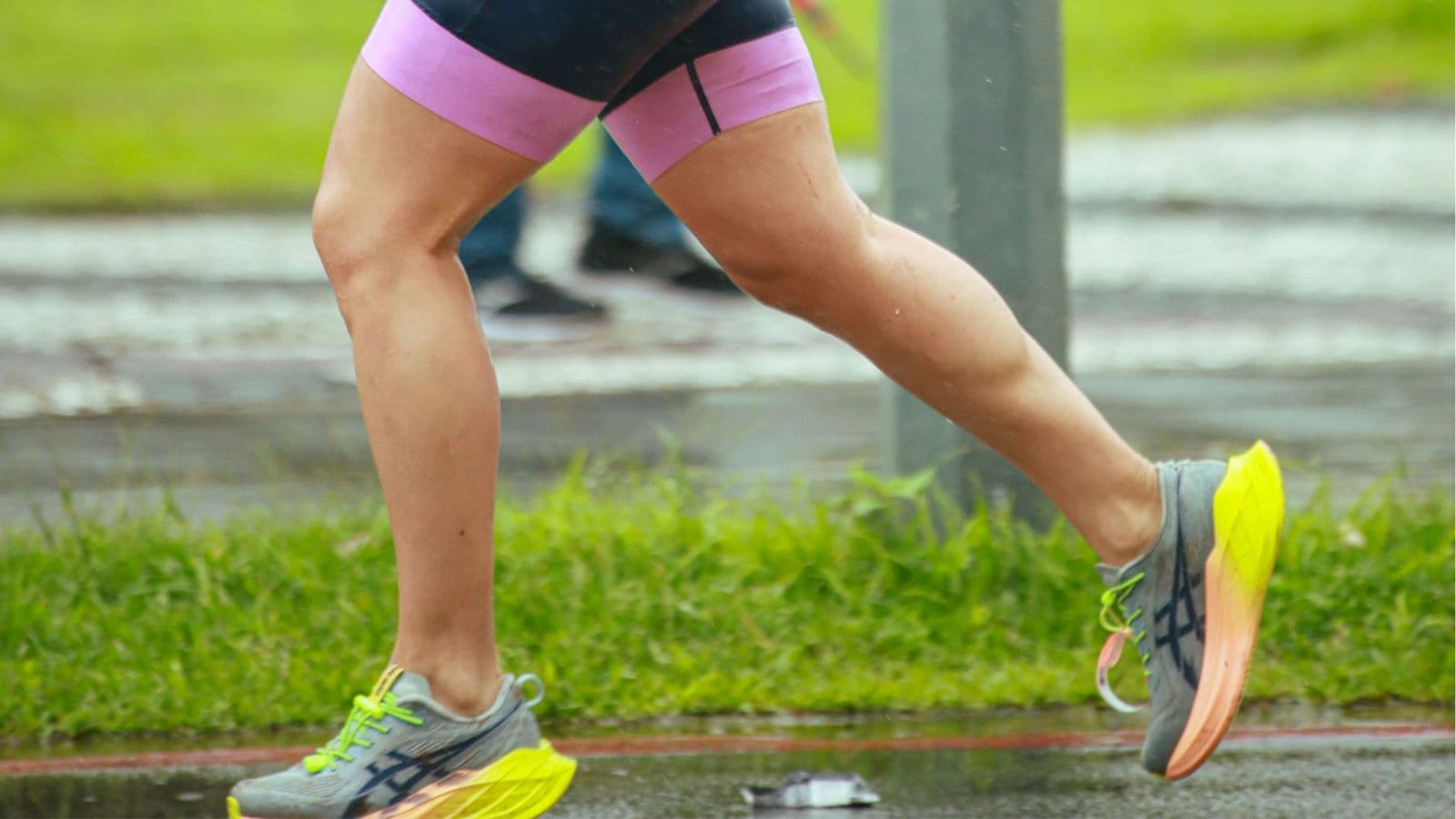
Every running step requires the body to manage force. Changing the location of initial ground contact affects how that force is distributed through the lower body. A forefoot strike generally places greater demands on the ankle and calf complex because these structures contribute more to controlling the landing and supporting the body. That does not make forefoot running dangerous. It simply means the tissues need sufficient capacity for the workload. The important distinction is between changing load and eliminating load.
A runner who changes foot strike in an attempt to protect one area may expose another structure to more stress.
Does Forefoot Running Reduce Knee Stress?
Forefoot striking can change knee mechanics and may reduce certain loads at the knee in some circumstances. However, lower knee loading does not automatically mean lower overall injury risk. The mechanical demand has to go somewhere. A change that reduces stress around one joint can increase demand elsewhere in the kinetic chain. This is why runners with knee concerns should not automatically switch to forefoot striking without considering their complete running mechanics and training history. The principles in what strength routine should triathlete runners do to stay injury free address the broader physical capacity needed to tolerate running rather than focusing on a single landing pattern.
Forefoot Running Increases Calf and Achilles Demands
The calf muscles work closely with the Achilles tendon during running. When a runner adopts a more pronounced forefoot strike, these structures can experience greater demand than they are accustomed to. Problems are more likely when someone makes a rapid change after years of running with a different technique. Suddenly performing every:
- Easy run
- Interval session
- Brick run
on the forefoot can create a major increase in calf and Achilles workload. That is why changing running technique should follow the same gradual progression used in how to avoid running injuries as mileage increases in a triathlon.
Foot and Ankle Loading Can Increase Too
Forefoot running can also increase demands on structures within the foot. The metatarsals and surrounding tissues must tolerate repeated loading as the runner lands toward the front of the foot. This is particularly important when changing technique while also increasing training volume. A triathlete who simultaneously adds:
- Mileage
- Speed sessions
- New foot strike pattern
is changing several stressors at once. The broader lessons from what training habits increase injury risk in runners apply here: rapid changes and poorly managed workload are often more useful factors to examine than whether the heel touches the ground first.
Heel Striking Is Not Automatically Bad Form
Heel striking is frequently described as a technical mistake, but that is too simplistic. Many runners naturally contact the ground with the rearfoot and run comfortably without injury. The position of the foot relative to the:
- Body
- Stride length
- Cadence
- Speed
- Leg stiffness
- Overall movement pattern
can matter alongside the part of the shoe that contacts first.
Is Forefoot Running More Efficient?
Not necessarily. Running economy describes how much energy a runner requires to maintain a given pace. Foot strike can influence mechanics, but changing to a forefoot strike does not guarantee improved economy. The objective is not to produce a technically fashionable stride. It is to move efficiently after swimming and cycling while controlling energy expenditure. Developing how to become an efficient triathlon runner therefore involves:
- Pacing
- Fitness
- Technique
- Strength
- Consistency
rather than adopting a particular foot strike.
Foot Strike Can Change With Running Speed
Many runners naturally adjust their mechanics as pace changes. Faster running can involve changes in:
- Cadence
- Ground contact time
- Stride length
- Stiffness
- Foot placement
This means the landing pattern observed during a sprint may not represent how the same athlete should run during an easy session or long distance triathlon. Do not force your easy run mechanics to look like your fastest running. The purpose of easy run vs tempo vs interval what each does is partly to expose the body to different training demands. Your mechanics can naturally vary across those speeds.
The goal is controlled, comfortable movement appropriate to the session.
Fatigue Matters for Triathletes
Triathletes face a challenge that runners in standalone races do not: the run begins after swimming and cycling.
By T2, the legs may already be carrying substantial fatigue. That fatigue can change:
- Cadence
- Posture
- Stride length
- Foot placement
Trying to consciously maintain an aggressive forefoot strike when the calves are already tired from cycling may create unnecessary additional demand. Good bike pacing is therefore relevant to running mechanics. Learning how can you bike smarter to improve your triathlon run can help preserve enough muscular capacity to maintain comfortable running form after transition.
Should You Change Foot Strike Because of an Injury?
Sometimes a healthcare professional or qualified coach may use gait modification as one part of managing a specific problem. That is different from telling every runner to adopt a forefoot strike. A useful change should address an identified issue and account for the runner’s:
- Injury history
- Strength
- Mobility
- Footwear
- Training load
- Current mechanics
Changing foot strike without understanding the original injury can simply move stress elsewhere. Triathletes dealing with recurring problems should consider the broader approach described in how to prevent running injuries with strength and mobility training in a triathlon rather than expecting one technical adjustment to solve every issue.
Barefoot and Minimalist Running Are Not the Same as Forefoot Running
Forefoot striking is often associated with barefoot or minimalist running, but they are not identical concepts. A runner can forefoot strike in cushioned shoes and can use different landing patterns when barefoot. Removing or substantially reducing shoe cushioning also changes the sensory and mechanical demands of running. If you are interested in changing footwear as well as foot strike, treat these as meaningful changes rather than minor adjustments. The principles in what is barefoot running and how do i start safely emphasize gradual exposure because the feet and lower legs need time to adapt.
Avoid making a major footwear transition and a major gait change while simultaneously increasing training.
When Can Foot Strike Changes Be Useful?
A foot strike adjustment may be worth considering when there is a specific mechanical or injury related reason for it. Examples could include a gait intervention recommended by a qualified professional or a controlled technique change intended to modify a particular loading pattern. Even then, the goal is not necessarily to become a permanent forefoot striker. Small changes in:
- Cadence
- Stride length
- Foot placement
may sometimes be more appropriate than deliberately landing on the toes. Triathletes trying to how can you regain triathlon running speed after slowing down should also avoid assuming a different foot strike is the missing solution. Fitness, training consistency, pacing, and recovery should be examined first.
How to Transition Safely if You Change Foot Strike?
- If you have a clear reason to adopt more of a forefoot landing, introduce the change in small amounts.
- Start during short, controlled running periods rather than changing every kilometer immediately.
- Monitor the calves, Achilles tendons, ankles, and feet carefully.
- Allow recovery between exposures and avoid combining the change with a sudden increase in mileage.
- Pain is not proof that the body is successfully adapting.
- A technical change should eventually feel natural rather than requiring constant conscious effort.
Common Mistakes
- Assuming heel striking automatically causes injuries.
- Believing forefoot running removes impact forces.
- Switching foot strike suddenly across all training.
- Ignoring calf and Achilles soreness after changing technique.
- Using foot strike as the only explanation for recurring injuries.
Practical Tips
- Keep your natural foot strike if it is comfortable and causing no clear problem.
- Change technique only for a specific reason.
- Introduce gait changes gradually.
- Use professional assessment for recurring injuries.
- Judge changes by comfort and function rather than appearance.
Actionable Takeaways
Forefoot running does not automatically reduce injury risk. It changes how running forces are distributed. While some loads around the knee may decrease, demands on the calf, Achilles tendon, ankle, and foot can increase. There is no single foot strike pattern that every triathlete needs to use. If your current running mechanics are comfortable and you are training consistently without recurring problems, there is little reason to force a forefoot strike solely for injury prevention.
If a technique change is recommended for a specific reason, introduce it gradually and monitor how your body responds. For triathletes, sustainable training load, adequate recovery, appropriate strength, sensible pacing, and adaptable running mechanics are more useful injury management priorities than trying to make every runner land on the same part of the foot.