

Heart rate can help detect possible excessive training stress by showing when your body is responding differently from normal. A higher resting heart rate, unusual heart rate during familiar workouts, slower recovery after exercise, or changes that persist for several days can all suggest that recovery deserves closer attention. However, heart rate cannot diagnose overtraining by itself. Heat, dehydration, illness, caffeine, stress, poor sleep, altitude, and many other factors can change heart rate independently of training. For triathletes, the most useful approach is to establish personal patterns and look for sustained changes rather than reacting to one unusual reading. Heart rate becomes particularly valuable when it is considered alongside performance, perceived effort, sleep, mood, soreness, and recent swim, bike, and run workload.

In Short
- Heart rate can provide early clues that recovery is deteriorating.
- Resting heart rate is most useful when compared with your normal baseline.
- One unusual reading does not prove you are overtraining.
- Heart rate during familiar workouts can reveal changes in exercise response.
- Heat, dehydration, illness, stress, and caffeine can affect readings.
- Recovery trends are more useful than chasing one ideal heart rate number.
- Significant or unexplained heart symptoms require medical assessment.
What Does Overtraining Actually Mean?
Athletes often use “overtraining” to describe any period of tiredness after hard training, but temporary fatigue is a normal part of endurance training. A demanding session or training block can temporarily reduce performance. With sufficient recovery, the athlete adapts and returns to normal. Problems develop when training stress repeatedly exceeds the athlete’s ability to recover. This can progress from ordinary fatigue toward more persistent performance problems. True overtraining syndrome is more serious and is not something that should be diagnosed from a watch or heart rate monitor.
Repeatedly stacking excessive workload, poor recovery, and insufficient rest reflects the same problems covered by what training habits increase injury risk in runners, where the issue is often accumulated stress rather than one individual workout.
Track Your Resting Heart Rate
Resting heart rate can provide a simple indication of how your body is responding to training and recovery. For useful comparisons, measure it under reasonably consistent conditions. Many athletes check it shortly after waking, before caffeine, exercise, or significant daily activity.
A persistent change from your usual pattern may deserve attention, particularly when it occurs alongside:
- Unusual fatigue.
- Poor sleep.
- Reduced motivation.
- Muscle soreness.
- Declining performance.
- Illness symptoms.
- Higher perceived effort.
Do not make major training decisions because of one elevated morning reading.
A Higher Resting Heart Rate Can Signal Stress
A resting heart rate that is repeatedly higher than your normal range can occur when the body is under additional stress. Hard training is one possible reason, but not the only one.
Resting heart rate can also rise because of:
- Illness.
- Dehydration.
- Heat.
- Alcohol.
- Poor sleep.
- Psychological stress.
- Travel.
- Caffeine.
- Certain medications.
If the increase follows several difficult training days and is accompanied by poor recovery, reducing training may be sensible. Sleep deserves particular attention because insufficient sleep can make normal training harder to tolerate. A triathlete trying to maintain fitness should recognize that recovery is part of the process, just as how can you maintain fitness while tapering for an ironman demonstrates that reducing workload does not automatically mean losing fitness.
A Lower Heart Rate Is Not Always Better
Endurance training often lowers resting heart rate over time as cardiovascular fitness develops. That does not mean every decrease is automatically evidence of better fitness. During periods of substantial fatigue, heart rate responses can sometimes become unusual in other ways. For example, you may struggle to raise your heart rate during an effort that would normally produce a higher response. This is why chasing the lowest possible resting heart rate is not useful.
Your normal pattern and how you feel matter more than comparing your numbers with another athlete.
Watch Heart Rate During Familiar Workouts
Repeated workouts can provide valuable reference points. Suppose you regularly complete an easy run at a similar pace and terrain. If your heart rate suddenly behaves very differently while conditions remain comparable, investigate why. Heart rate zones can help organize training intensity, and how can heart rate zones improve triathlon cycling speed and fitness becomes more useful when zones are interpreted alongside actual physiological responses instead of treated as rigid numbers.
Look for patterns across multiple sessions rather than judging one workout.
High Heart Rate at an Easy Effort Can Be a Warning
An easy workout should generally produce a predictable response.
If heart rate is substantially higher than normal while pace or power remains similar, possible explanations include:
- Accumulated fatigue.
- Heat.
- Dehydration.
- Illness.
- Poor sleep.
- Stress.
- Caffeine.
- Insufficient recovery.
First consider the conditions. Running on a hot afternoon cannot be compared directly with running the same pace in cool weather. If environmental factors do not explain the change and you also feel unusually tired, an easier training day may be appropriate.
An Unusually Low Exercise Heart Rate Can Also Matter
Some fatigued athletes may notice that they cannot reach the heart rates normally associated with harder efforts despite feeling that they are working very hard. For example, your legs may feel heavy, power may be reduced, and perceived effort may be high while heart rate remains unusually suppressed. This pattern does not automatically prove overtraining. It is another clue that should be interpreted alongside recent workload and recovery.
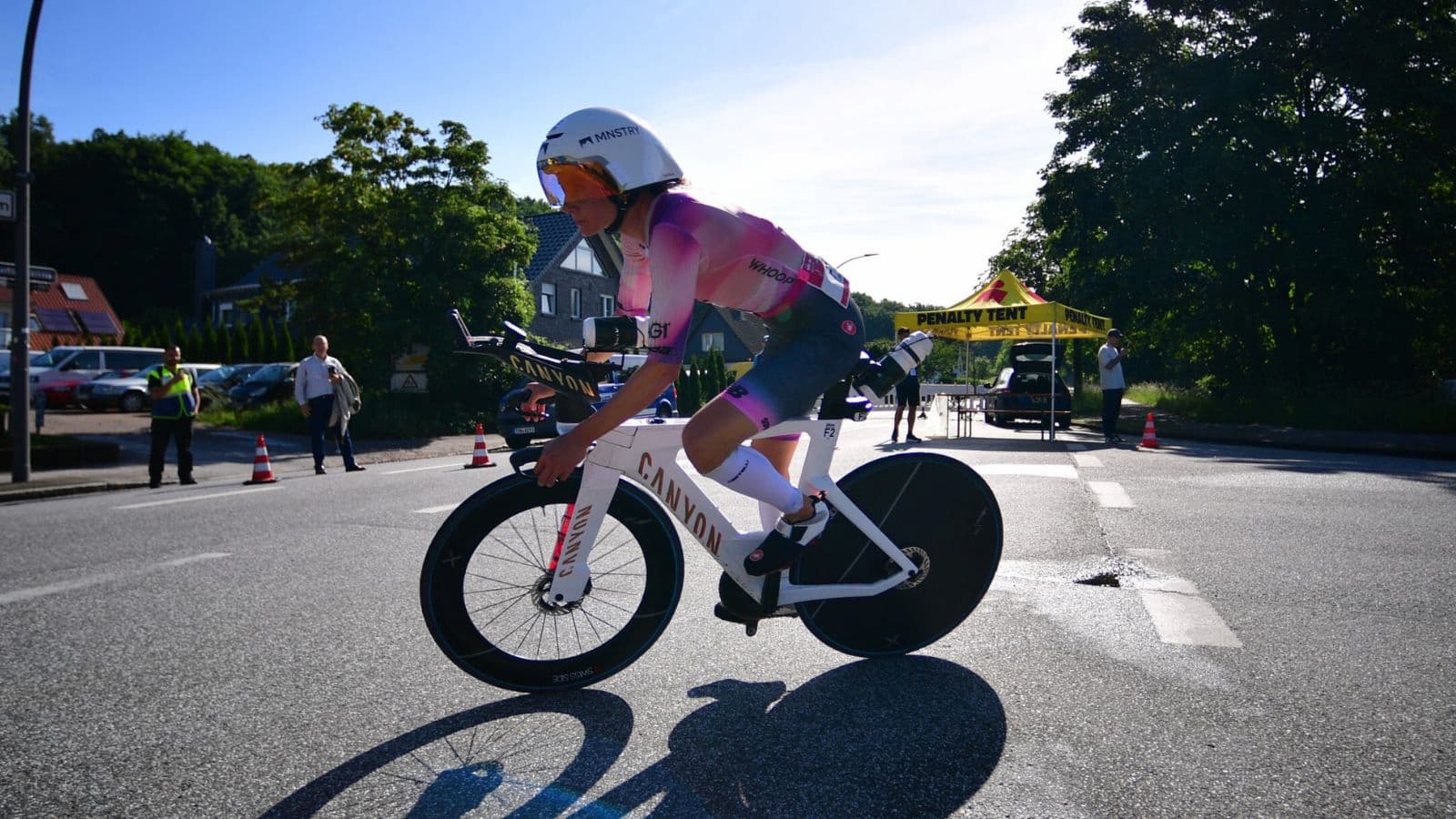
When cycling progress begins deteriorating despite substantial training, why has your cycling progress stopped improving can fit into the same broader assessment of whether additional workload is actually helping.
Compare Heart Rate With Perceived Effort
Heart rate becomes much more informative when paired with perceived effort. If an easy run normally feels like 3 out of 10 and suddenly feels like 6 out of 10, that change matters even if your watch displays a familiar number.
Pay attention when several signs occur together:
- Normal pace feels unusually difficult.
- Power decreases.
- Heart rate behaves abnormally.
- Legs feel persistently heavy.
- Motivation drops.
- Recovery takes longer.
These combined signals are generally more meaningful than a small heart rate change in isolation.
Heart Rate Recovery Can Provide Additional Information
Heart rate recovery describes how quickly heart rate falls after exercise or after a harder effort. Fitness and autonomic nervous system activity influence this response, but measurement conditions matter. If you track heart rate recovery, use a reasonably consistent method. Comparing different workouts, temperatures, body positions, or recovery periods can make the numbers difficult to interpret. A repeated change from your personal pattern may provide another reason to review recovery, but it should not be used as a stand alone overtraining test.
Dehydration Can Distort the Picture
Heart rate often increases during prolonged exercise as cardiovascular strain rises, particularly in hot conditions. Dehydration can contribute to this response. A cyclist might therefore interpret an unusually high heart rate late in a long ride as overtraining when inadequate fluid replacement is a more immediate explanation. Hydration needs vary between athletes and conditions, making how much should you drink per hour when cycling in hot weather particularly relevant before drawing conclusions from heart rate during summer training.
Always consider the environment surrounding the data.
Fueling Can Affect Training Response
Triathletes completing frequent swim, bike, and run sessions need enough total energy and carbohydrate to support their workload. If you repeatedly train with low energy availability, declining performance and fatigue may be blamed entirely on training volume even though nutrition is contributing. Long cycling sessions are especially important because they can create substantial energy demands, and how to fuel for a 2 hour cycling ride in a triathlon provides a practical example of matching intake to training rather than expecting the body to perform normally without adequate fuel.
Heart rate data should never be separated from nutrition and recovery habits.
Use Easy Sessions as a Reality Check
Easy training can reveal fatigue surprisingly well.
- If your normal easy pace suddenly requires much greater effort
- Your heart rate is consistently higher than expected
consider whether the planned workload remains appropriate. Zone 2 sessions are useful because the intensity should normally remain controlled. Understanding what is zone 2 running in a triathlon gives runners a useful reference for recognizing when supposedly easy training is becoming unusually demanding.
Consider Your Total Triathlon Training Load
Triathletes need to consider stress from all three disciplines. Your legs do not treat a difficult bike session and a difficult run as completely unrelated events simply because they appear in different categories on your training calendar.
A hard week might include:
- Swim intervals.
- Cycling intervals.
- A long ride.
- Tempo running.
- A long run.
- Strength training.
Individually, every session may look reasonable. Together, they may create excessive fatigue. This is why adaptations in triathlon training plan also applies when recovery capacity is limited: prioritize important sessions rather than attempting to maintain every workout regardless of your condition.
Do Not Ignore Non Training Stress
Your body responds to more than exercise. Work pressure, family responsibilities, travel, poor sleep, and illness can reduce the amount of training you can recover from. A workload that was manageable last month may temporarily become too demanding during a stressful period. Heart rate trends can sometimes reflect this total stress.
Instead of asking only, “Did I train too much?” also ask:
- Am I sleeping normally?
- Am I eating enough?
- Am I becoming ill?
- Has work stress increased?
- Am I recovering between sessions?
Training plans should adapt to real life.
When Should You Reduce Training?
Consider an easier day or reduced workload when unusual heart rate patterns appear alongside other signs of poor recovery.
These might include:
- Persistent fatigue.
- Declining performance.
- Poor sleep.
- Irritability.
- Loss of motivation.
- Heavy legs.
- Persistent soreness.
- Unusually difficult easy sessions.
One bad workout does not require a complete training reset. Several worsening signs across multiple days deserve more attention.
Reducing volume or intensity temporarily can preserve longer term consistency rather than allowing fatigue to become more severe.
When Heart Rate Changes Need Medical Attention?
Not every heart rate change is a training problem. Seek appropriate medical assessment for unexplained or concerning symptoms, particularly chest pain, fainting, severe dizziness, unusual shortness of breath, or persistent palpitations. Unexpected heart rate readings that are extreme or repeatedly inconsistent with your effort also deserve appropriate investigation, especially when accompanied by symptoms.
Wearable devices can provide useful information, but they cannot diagnose cardiovascular conditions or overtraining syndrome.
Common Mistakes
- Diagnosing overtraining from one heart rate reading.
- Comparing resting heart rate with other athletes.
- Ignoring heat and dehydration.
- Treating a lower heart rate as automatically better.
- Focusing on heart rate while ignoring performance.
- Training hard despite several signs of poor recovery.
- Ignoring sleep and life stress.
- Using inaccurate wrist readings as unquestionable data.
- Assuming every unusual heart rate response is caused by training.
Practical Tips
- Establish your normal resting heart rate range.
- Measure under similar conditions.
- Track trends rather than individual readings.
- Compare heart rate with perceived effort.
- Review sleep, hydration, and fueling.
- Consider environmental conditions.
- Seek medical advice for concerning heart related symptoms.
Actionable Takeaways
Heart rate can help identify when a triathlete’s response to training has changed, but it cannot diagnose overtraining by itself. Resting heart rate, exercise heart rate, and recovery patterns become most useful when compared with your own established baseline. An unusual reading on one morning may mean very little. A persistent heart rate change combined with declining performance and poor recovery deserves more attention.
Use heart rate as one part of a wider monitoring system. The objective is not to react to every fluctuation, but to recognize meaningful changes early enough to adjust training before ordinary fatigue becomes a longer lasting problem.