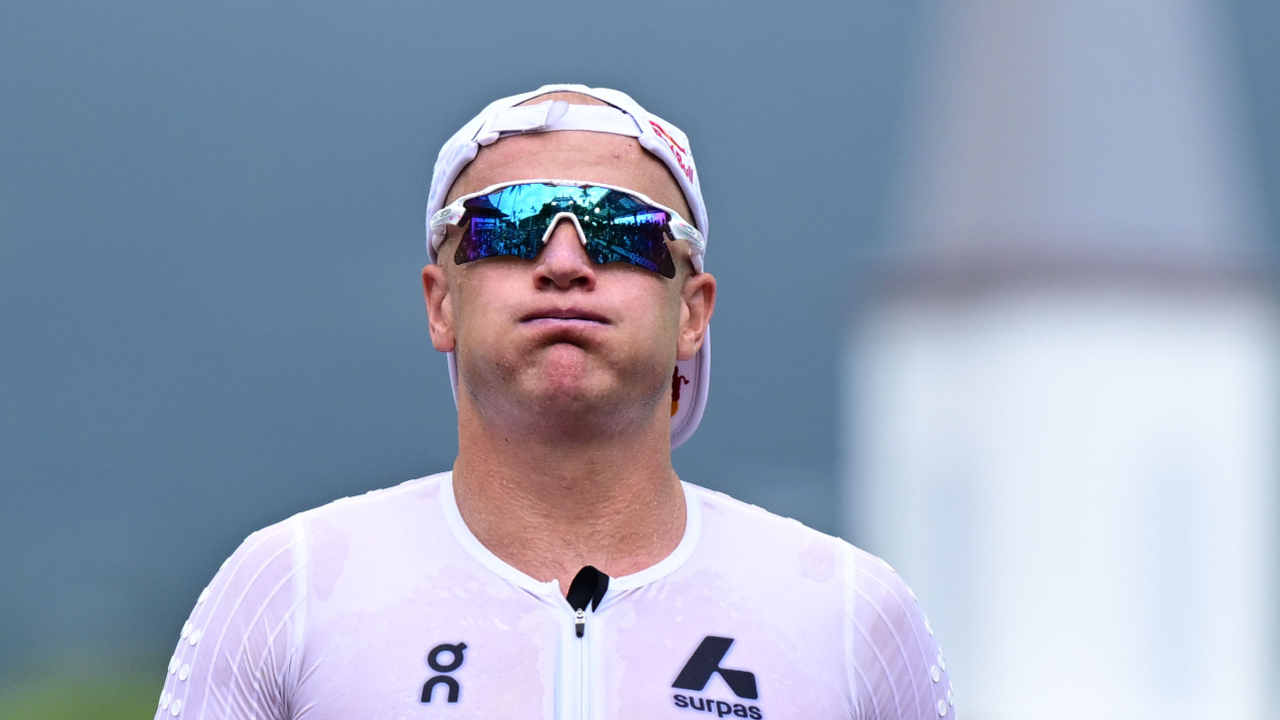


Feeling exhausted during longer runs doesn’t necessarily mean you lack determination. Often, the problem is that your pace is too aggressive for your current aerobic fitness, your running volume has progressed too quickly, or you’re beginning sessions without enough fuel or recovery. Triathletes face an additional challenge because running is only one part of their overall training load. A long ride, hard bike intervals or demanding swim session can affect how your legs feel before the run even begins. The goal isn’t to eliminate fatigue completely. Longer running naturally becomes tiring. Instead, training should improve your ability to maintain a sustainable effort for progressively longer periods before fatigue significantly affects your pace, breathing or form.

In Short
- Start longer runs at a controlled pace.
- Build aerobic fitness consistently.
- Increase running volume gradually.
- Keep easy runs genuinely easy.
- Fuel longer sessions appropriately.
Why Do You Get Exhausted During Longer Runs?
Running fatigue can result from several factors occurring together.
Common reasons include:
- Starting too fast.
- Limited aerobic endurance.
- Increasing distance too quickly.
- Insufficient carbohydrate availability.
- Dehydration or heat stress.
- Poor recovery.
- Muscular fatigue.
- Accumulated cycling workload.
Identifying when exhaustion occurs can provide useful clues. If you’re struggling almost immediately, pacing or recovery may be responsible. If fatigue consistently appears much later, endurance, fueling or muscular durability may deserve more attention.
Build Your Aerobic Base First
Aerobic fitness is the foundation of endurance running. A well developed aerobic system helps you sustain submaximal exercise for longer without needing to rely as heavily on higher intensity energy production. Most of this development doesn’t require exhausting workouts. Consistent controlled running through how to build an aerobic base for running a triathlon can gradually improve your ability to maintain longer efforts.
Slow Down Your Easy Runs
One of the simplest ways to run farther is to stop treating every run as a test of speed. If you’re breathing heavily during the opening kilometres of a planned long run, you’re probably using energy too aggressively.
Easy running should generally allow:
- Controlled breathing.
- Comfortable conversation.
- Relaxed movement.
- Sustainable effort.
Running slower initially may actually allow you to cover considerably more distance before fatigue becomes limiting.
Don’t Turn Every Run Into Moderate Training
A common endurance training mistake is making easy runs slightly too hard. The pace may not feel difficult enough to qualify as a hard workout, but it can still create significant fatigue when repeated frequently. This can leave you too tired for important quality sessions while preventing proper recovery on easy days. Understanding what is zone 2 running in a triathlon can provide one framework for controlling aerobic training intensity without making pace the only measure that matters.
Start Long Runs Conservatively
The first part of a long run should usually feel controlled. Race day excitement isn’t present during normal training, yet runners still commonly start too quickly because they feel fresh. A better approach is to settle into the session before considering any increase in pace.
Ask yourself after the opening section:
- Is my breathing controlled?
- Are my shoulders relaxed?
- Does this effort feel sustainable?
- Am I chasing a target pace unnecessarily?
If the answer suggests you’re working too hard, slow down early rather than waiting until exhaustion forces you to.
Learn From Negative Splitting
A negative split means completing the later portion of an effort faster than the earlier portion. You don’t need to negative split every training run, but the concept teaches an important endurance lesson: energy saved early remains available later. Learning what is a negative split in triathlon running can help you understand why conservative early pacing often produces a stronger overall performance.
Increase Distance Gradually
If your longest comfortable run is currently 45 minutes, suddenly attempting two hours may create far more fatigue than your body is prepared to handle. Build duration progressively. Depending on your experience and training program, this might mean gradually extending selected runs while allowing easier weeks when appropriate.
Avoid becoming obsessed with a fixed percentage rule. Training progression should reflect:
- Current fitness.
- Injury history.
- Total training load.
- Recovery.
- Race goals.
Increase Weekly Running Volume Carefully
Long run duration isn’t the only consideration. Your total weekly running load also matters. Adding a longer run while simultaneously increasing intervals, brick sessions and overall frequency can create a large jump in stress. Using how to increase triathlon running volume without getting injured can help you increase running exposure progressively while considering the demands of swimming and cycling.
Consistency Builds Endurance Better Than Occasional Huge Runs
One extremely long run cannot compensate for inconsistent training. Endurance develops through repeated exposure over time A sustainable week of running followed by another sustainable week is generally more productive than completing an enormous session that leaves you unable to train normally for several days.
Consistency also gives your muscles, tendons and cardiovascular system repeated opportunities to adapt.
Fuel Before Longer Runs
Starting a demanding long run with inadequate energy availability can make the session feel harder than necessary. Before longer or more demanding training, carbohydrate-containing foods can help provide available energy.
The appropriate amount depends on:
- Session duration.
- Intensity.
- Timing.
- Individual tolerance.
- What you’ve eaten earlier.
Use training to discover which pre-run foods sit comfortably rather than experimenting immediately before an important race.
Fuel During Longer Sessions
As running duration increases, carbohydrate intake during exercise becomes increasingly relevant. The exact strategy depends on your event, intensity, duration and individual tolerance.
Common options include:
- Sports drinks.
- Gels.
- Chews.
- Other easily digested carbohydrate sources.
Practise your strategy during training. Waiting until you’re already severely fatigued before beginning to fuel is generally less useful than having a planned approach.
Hydration Also Influences Fatigue
Fluid requirements vary considerably between athletes and conditions. Hot or humid weather can increase sweat losses and cardiovascular strain, making your normal running pace feel significantly harder. Avoid blindly copying another athlete’s drinking strategy.
Instead, consider:
- Weather.
- Sweat rate.
- Session duration.
- Access to fluids.
- Individual tolerance.
For triathletes, hydration should also be considered across the entire race rather than only once the run begins.
Don’t Ignore Bike Fuelling
During a triathlon, the reason you feel exhausted on the run may have little to do with your running fitness. Poor fueling during the bike can leave you starting the run with limited available carbohydrate. For longer events, the bike provides a major opportunity to eat and drink before the impact and movement of running make nutrition more difficult.
The principles in how to fuel for a 2 hour cycling ride in a triathlon can help you practice taking in energy while cycling instead of waiting until the run to correct an inadequate fueling strategy.
Bike Pacing Can Make or Break Your Run
A strong bike split isn’t always useful if it destroys your ability to run. Riding above your sustainable effort can create substantial muscular and metabolic fatigue. You may enter T2 feeling successful only to struggle dramatically several kilometres later. Long-course triathletes in particular need to balance cycling performance with the run that follows.
The goal is the fastest overall race, not necessarily the fastest possible bike leg.
Practise Running After Cycling
Brick sessions teach you how running feels after cycling.
The first few minutes may feel:
- Heavy.
- Awkward.
- Stiff.
- Surprisingly fast.
Short, easy brick runs can help you become familiar with this transition without creating excessive fatigue. As race preparation becomes more specific, selected brick sessions can include longer or race-paced running when appropriate.
Improve Running Efficiency
Two athletes running at the same speed may use different amounts of energy. Running economy refers broadly to how efficiently you use energy at a given pace.
You can support efficient movement by developing:
- Relaxed posture.
- Natural cadence.
- Stable movement.
- Appropriate strength.
- Consistent running experience.
Following how to become an efficient triathlon runner can help you reduce unnecessary movement without trying to copy someone else’s running style.
Keep Your Upper Body Relaxed
Fatigue often produces unnecessary tension.
Runners may:
- Clench their fists.
- Raise their shoulders.
- Tighten their jaw.
- Hold their arms rigidly.
This doesn’t help you move forward. Periodically check your upper body during longer runs and release unnecessary tension. Simple cues such as “relax shoulders” or “loose hands” can be easier to remember than analyzing every element of running form.
Strength Training Improves Durability
Cardiovascular fitness may allow you to keep breathing comfortably while your legs still become progressively weaker. Strength training can help improve your ability to tolerate repetitive running forces.
Useful areas include:
- Calves.
- Glutes.
- Hamstrings.
- Quadriceps.
- Core.
Exercises such as split squats, calf raises, step-ups and Romanian deadlifts can form part of a broader program. The exact program should complement rather than interfere with your swim, bike and run training.
Hills Require Effort Based Pacing
Trying to maintain flat-road pace on a steep hill can quickly turn an easy endurance run into a hard workout.
Instead:
- Shorten your stride.
- Reduce pace.
- Maintain controlled breathing.
- Walk very steep sections when appropriate.
Walking isn’t automatically a failure. For some long distance sessions and races, strategic walking can help keep overall effort sustainable.
Heat Can Make Normal Pace Unsustainable
Hot conditions increase physiological strain.
You may notice:
- Higher heart rate.
- Greater sweating.
- Increased perceived effort.
- Slower pace.
Trying to force your normal cool weather pace can accelerate fatigue. Adjust according to conditions rather than assuming every kilometre should match your usual training numbers.
Don’t Panic About a High Heart Rate
Heart rate can increase because of:
- Heat.
- Dehydration.
- Fatigue.
- Stress.
- Caffeine.
- Illness.
- Increased intensity.
If your easy pace suddenly produces an unusually high reading, consider the context. The guide what causes a high heart rate on easy triathlon runs can help you interpret why pace, heart rate and perceived effort don’t always move together.
Recovery Determines How Much Training You Can Absorb
You don’t become fitter simply by completing more work. You also need enough recovery to adapt to it. Poor recovery can make normal endurance runs feel unusually difficult.
Pay attention to:
- Sleep.
- Nutrition.
- Rest days.
- Training intensity.
- Overall life stress.
If every run feels exhausting despite reducing pace, more training may not be the solution.
Don’t Stack Too Many Hard Sessions
Triathletes have several opportunities to train hard:
- Swim intervals.
- Bike intervals.
- Running intervals.
- Hill sessions.
- Brick workouts.
- Long sessions.
Trying to make all of them difficult can create persistent fatigue. Hard workouts should have a clear purpose, with enough easier training around them to maintain quality.
Use Run-Walk When Appropriate
Run-walk strategies can help beginners or returning athletes extend total exercise duration without requiring continuous running.
For example, you might alternate:
- Several minutes of running.
- A short period of walking.
- Another controlled running block.
As fitness develops, running intervals can gradually become longer. There is no requirement that every endurance-building session must involve uninterrupted running.
Don’t Chase Other Athletes
Training partners can unintentionally turn an easy run into a race. If someone else’s easy pace is significantly faster than yours, attempting to stay with them may defeat the purpose of your session.
Your sustainable pace depends on your own:
- Fitness.
- Recovery.
- Training history.
- Current workload.
Train according to the purpose of your session rather than someone else’s watch.
Build Mental Patience
Long-distance running also requires psychological restraint.
You need to become comfortable with:
- Starting conservatively.
- Holding steady effort.
- Not reacting to every athlete passing you.
- Accepting temporary difficult patches.
Mental discipline often means resisting the temptation to increase pace simply because you feel good early.
Know When Exhaustion Is More Than Normal Fatigue
Some tiredness during endurance exercise is expected. However, stop exercising and seek appropriate medical attention when symptoms are concerning, particularly with signs such as chest pain, fainting, severe breathing difficulty or other unusual symptoms. Persistent unexplained fatigue outside training also deserves appropriate assessment rather than simply adding more endurance work.
Common Mistakes
- Starting long runs too quickly.
- Running every session moderately hard.
- Increasing distance too rapidly.
- Under-fuelling longer workouts.
- Ignoring hydration in hot conditions.
- Riding too hard before brick runs.
- Comparing easy pace with other athletes.
- Adding more training despite poor recovery.
Practical Tips
- Start slower than you think you need to.
- Keep breathing controlled early.
- Build running duration progressively.
- Fuel before and during longer sessions appropriately.
- Adjust pace for hills and heat.
- Practise easy brick running.
- Strength train consistently.
- Prioritise recovery between demanding workouts.
Actionable Takeaways
Running longer without feeling exhausted isn’t about learning to tolerate unlimited discomfort. It’s about improving your ability to sustain an appropriate effort before significant fatigue develops.
Start with aerobic consistency and conservative pacing. Gradually extend your running volume while supporting longer sessions with appropriate fuelling, hydration, strength and recovery.
For triathletes, always consider what happens before the run as well. Cycling too hard or arriving at T2 under-fuelled can make even excellent standalone running fitness difficult to use. Build endurance across all three disciplines so that longer running becomes controlled, predictable and sustainable.