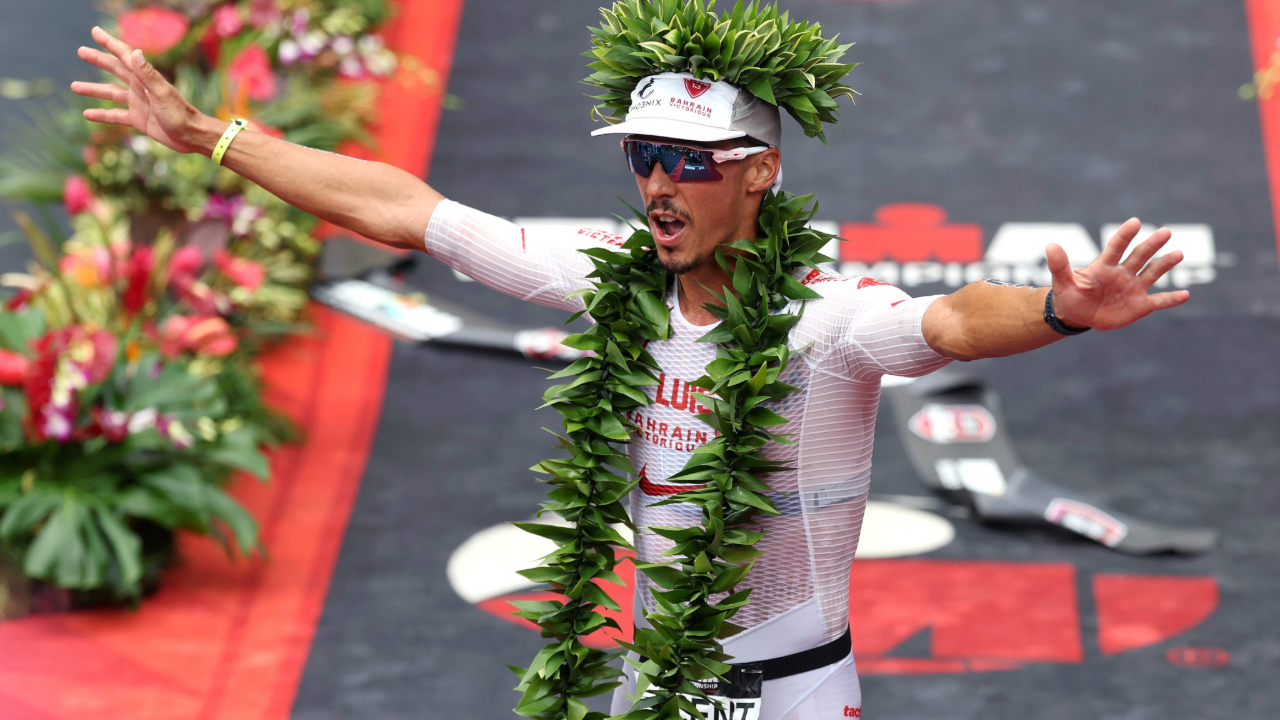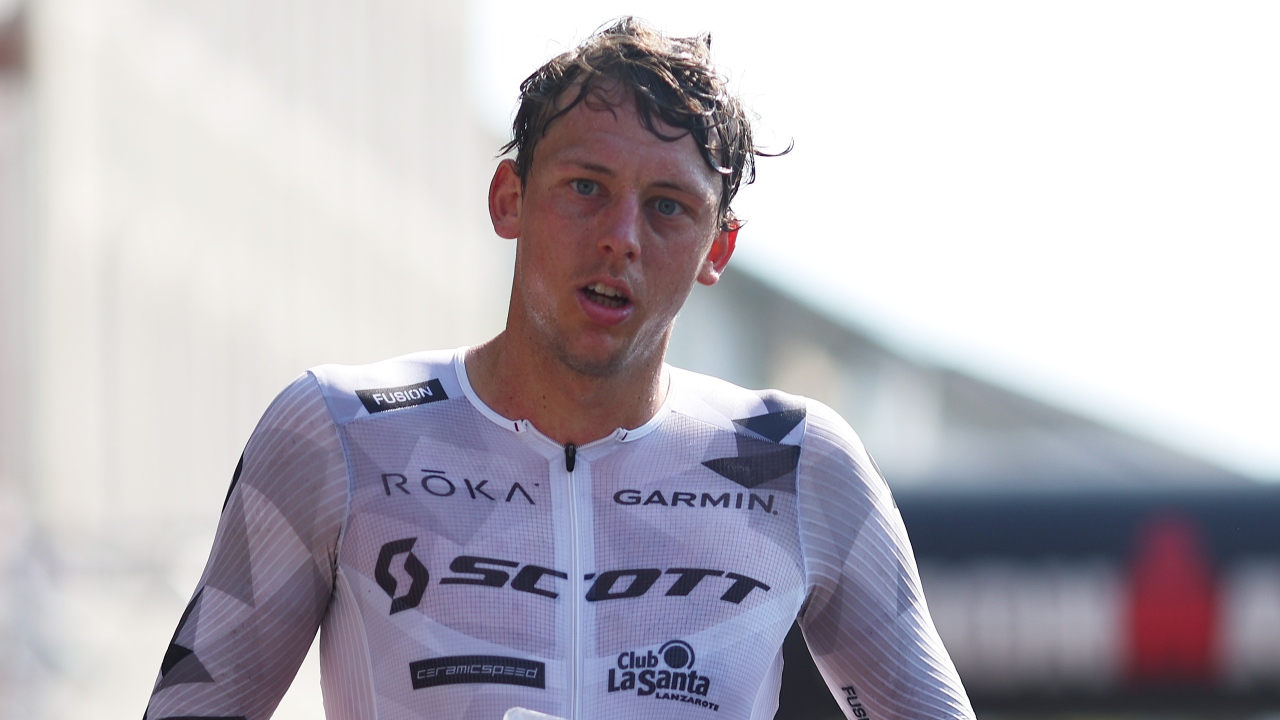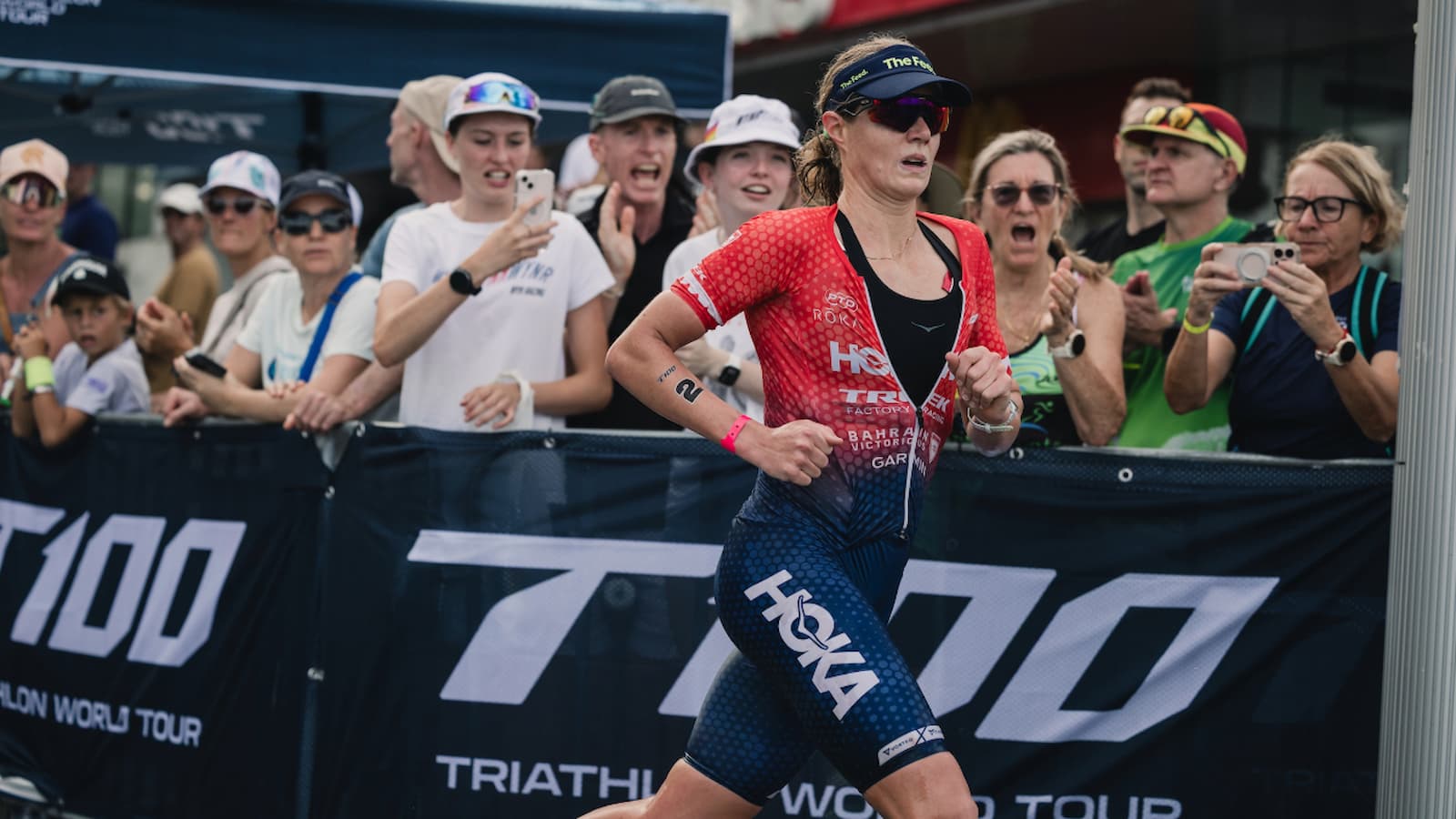


Good posture is one of the simplest yet most overlooked aspects of triathlon running. While many athletes focus on pace, mileage or interval sessions, poor posture can quietly reduce efficiency, increase fatigue and place unnecessary stress on muscles and joints. Running after swimming and cycling presents an additional challenge. Fatigue from the first two disciplines often causes triathletes to slump through the shoulders, lean excessively from the waist or lose core stability. These changes make running feel harder and waste valuable energy during the final stage of the race. Fortunately, improving posture doesn’t require dramatic technique changes. Small adjustments to body alignment and strength can help you run more efficiently, breathe more easily and maintain good form from the first kilometre to the finish line.
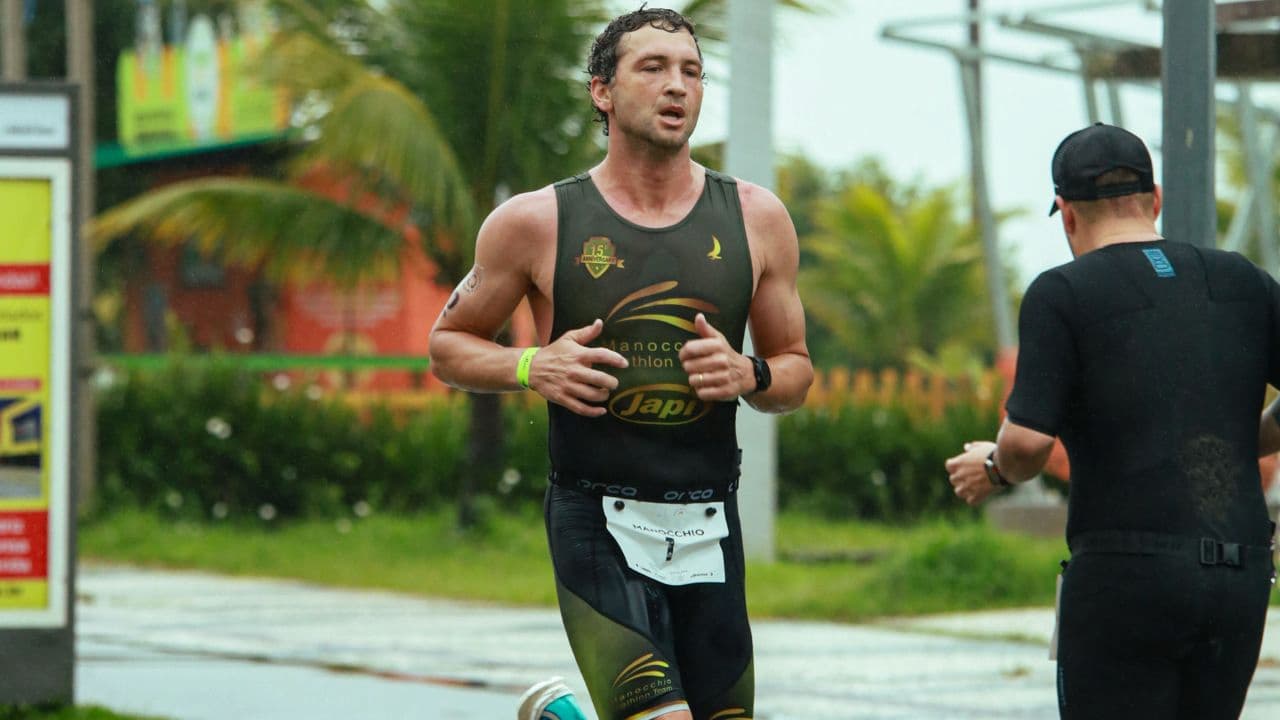
Why Posture Matters?
Running posture affects how efficiently your body moves.
Good alignment allows you to:
- Conserve energy.
- Maintain forward momentum.
- Reduce braking forces.
- Improve balance.
- Delay fatigue.
Poor posture, by contrast, increases unnecessary movement and makes every stride less economical.
Stand Tall Without Becoming Rigid
Efficient running posture begins with a tall but relaxed position.
Aim to:
- Keep your head neutral.
- Look ahead rather than down.
- Maintain a long spine.
- Relax your shoulders.
- Keep your chest open.
Avoid forcing yourself completely upright. Instead, think about growing taller while remaining relaxed.
Lean from the Ankles
Forward lean is beneficial, but only when it originates from the ankles rather than the waist.
Leaning correctly helps you:
- Maintain momentum.
- Reduce braking forces.
- Encourage smoother foot placement.
Bending excessively at the hips often leads to slower, less efficient running.
Relax Your Shoulders and Arms
Upper-body tension wastes valuable energy.
Focus on:
- Relaxed shoulders.
- Bent elbows around 90 degrees.
- Smooth arm swing.
- Loose hands.
Avoid clenching your fists or allowing your shoulders to creep toward your ears. For a complete overview of efficient mechanics, how to become an efficient triathlete explains how relaxed movement improves overall running economy.
Core Strength Supports Good Posture
Your core stabilises your body throughout every stride.
Strong core muscles help:
- Maintain upright posture.
- Reduce excessive torso movement.
- Improve force transfer.
- Delay fatigue.
Exercises such as planks, dead bugs and side planks are excellent additions to any triathlon program. For targeted exercises, what strength routine should triathlete runners do to stay injury free provides a comprehensive strength program.
Better Posture Improves Breathing
Slumped posture restricts chest expansion.
Good posture allows:
- Fuller breaths.
- Better diaphragm movement.
- Improved oxygen delivery.
- More comfortable running at sustained efforts.
This becomes increasingly important during longer races where breathing efficiency directly influences endurance.
Posture Influences Running Economy
Every unnecessary movement costs energy.
Efficient posture reduces:
- Side-to-side movement.
- Vertical bouncing.
- Excessive arm swing.
- Braking forces.
The result is improved running economy, allowing you to maintain pace with less effort. If you’re developing your endurance, how to build an aerobic base for running a triathlon explains why aerobic fitness and efficient movement work together.
Fatigue Changes Your Running Form
Even experienced triathletes often lose posture late in races.
Common signs include:
- Rounded shoulders.
- Head dropping forward.
- Slower cadence.
- Shorter stride.
- Reduced arm drive.
Recognising these changes allows you to make small corrections before efficiency declines further.
Running After Cycling Requires Extra Attention
Transitioning from the bike to the run places unique demands on posture. Cycling encourages prolonged hip flexion, which can make it difficult to stand tall immediately after T2.
Brick workouts help your body adapt by teaching you to:
- Open your hips.
- Regain upright posture.
- Establish efficient running rhythm.
- Maintain good technique under fatigue.
Balancing training across all three disciplines also improves movement quality. how to balance swimming, cycling and running training explains how to manage training load effectively.
Don’t Overthink Every Step
While posture is important, constantly analysing your running mechanics can create unnecessary tension.
Instead:
- Focus on one cue at a time.
- Run naturally.
- Stay relaxed.
- Review technique periodically.
For practical advice, how to improve your running form without overthinking it explains how gradual changes often produce the best long-term improvements.
Easy Running Reinforces Good Habits
Easy runs provide the perfect opportunity to practise efficient posture without the stress of racing.
During aerobic runs, concentrate on:
- Standing tall.
- Relaxed shoulders.
- Smooth cadence.
- Controlled breathing.
Understanding what is zone 2 running in a triathlon helps ensure these sessions remain easy enough to reinforce good technique without excessive fatigue.
Good Posture Helps Prevent Injuries
Efficient posture reduces unnecessary stress throughout the body.
Maintaining proper alignment helps lower the risk of:
- Lower back pain.
- Hip discomfort.
- Knee problems.
- Calf tightness.
- Neck and shoulder tension.
Good posture won’t eliminate every injury, but it can reduce repetitive strain that develops over weeks of training. If you’re increasing your mileage, how to increase triathlon running volume without getting injured explains how gradual progression and efficient mechanics work together to keep you healthy.
Build Strength to Maintain Posture Under Fatigue
Maintaining good posture for the first few kilometres is relatively easy. Holding that posture after two hours of racing is far more challenging.
Strength training helps you resist fatigue by improving:
- Core endurance.
- Hip stability.
- Glute activation.
- Lower back strength.
- Single-leg control.
The stronger your supporting muscles become, the easier it is to maintain efficient posture throughout long races.
Use Mental Cues During Training
Simple cues are often more effective than overanalysing every movement.
Try reminding yourself to:
- “Run tall.”
- “Relax your shoulders.”
- “Lean from the ankles.”
- “Keep your arms loose.”
- “Breathe smoothly.”
Repeating one cue every few minutes helps reinforce efficient movement without creating tension.
Review Your Running Form Occasionally
Many posture changes happen gradually and go unnoticed.
Occasionally:
- Record yourself running.
- Ask a coach for feedback.
- Compare your posture early and late in a run.
- Identify recurring habits.
Small corrections made consistently often produce noticeable improvements over time.
Recovery Helps Maintain Good Technique
Fatigued muscles struggle to support efficient posture.
Prioritise recovery through:
- Adequate sleep.
- Good nutrition.
- Mobility work.
- Easy recovery sessions.
- Appropriate rest days.
When your body recovers properly, maintaining good running posture becomes much easier. For practical recovery strategies, how to recover faster after a triathlon explains how to minimize fatigue between training sessions.
Common Mistakes
- Looking down at your feet while running.
- Leaning from the waist instead of the ankles.
- Shrugging your shoulders.
- Swinging your arms across your body.
- Running with excessive upper-body tension.
- Ignoring core strength.
- Trying to force perfect posture throughout every run.
- Allowing fatigue to completely dictate running form.
Practical Tips
- Keep your head in a neutral position.
- Relax your shoulders regularly.
- Strengthen your core two to three times per week.
- Practise posture during easy runs.
- Use brick sessions to prepare for race-day fatigue.
- Record your running form occasionally.
- Focus on one posture cue at a time.
- Prioritise recovery to maintain efficient movement.
Actionable Takeaways
Good posture allows triathletes to run more efficiently by reducing wasted movement, improving breathing and maintaining forward momentum. Rather than trying to achieve a perfectly upright position, focus on relaxed alignment that supports natural movement throughout your run.
Strong core muscles, regular strength training and consistent technique practice all help maintain posture as fatigue develops during races. Small improvements made consistently will gradually improve your running economy, helping you conserve energy and finish stronger in every triathlon.