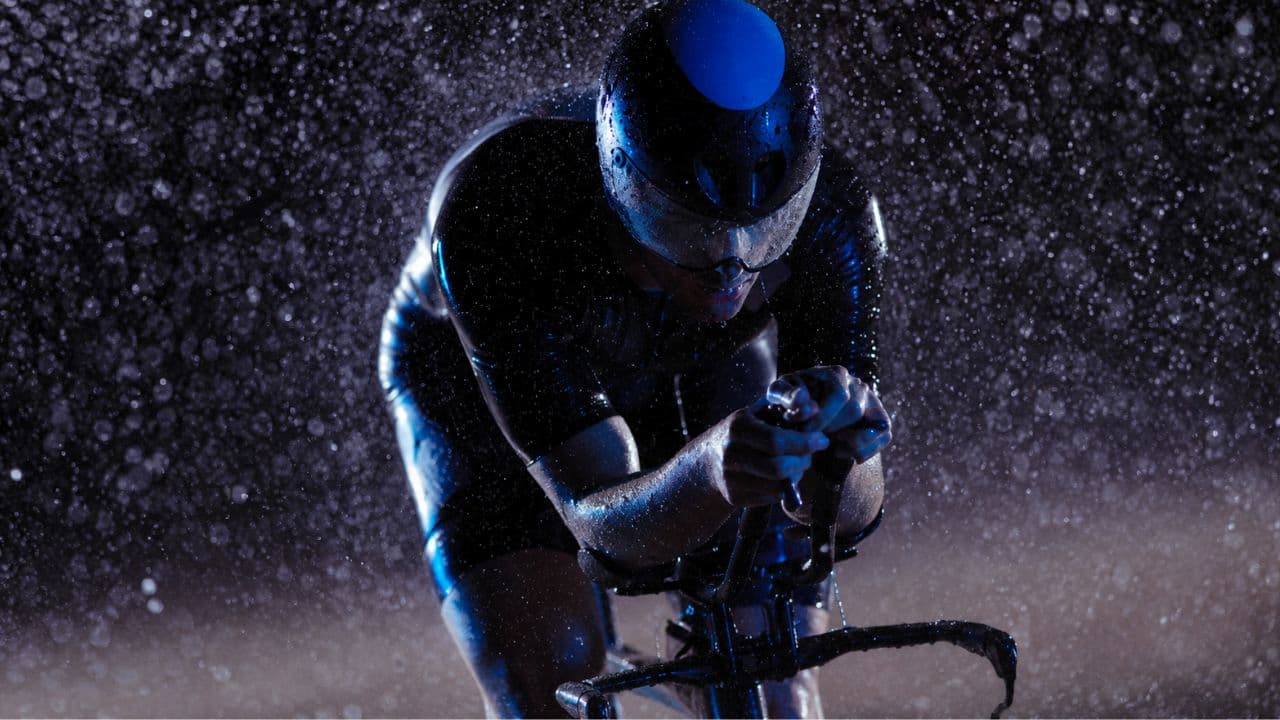


Rainy weather is an inevitable part of cycling, especially if you’re training consistently for triathlons. While wet roads present additional challenges, they don’t have to prevent productive rides. With the right preparation and riding techniques, you can stay safe while continuing to build fitness throughout the year. Rain reduces tyre grip, increases braking distances and makes it harder for motorists to see cyclists. Water can also hide potholes, road debris and painted surfaces that become surprisingly slippery. These hazards require small adjustments to your riding style rather than a complete change in your training plans. Learning how to cycle safely in the rain allows you to maintain confidence in poor weather, protect your equipment and arrive home safely after every ride.

In Short
- Slow down on wet roads.
- Increase braking distance.
- Avoid sudden steering movements.
- Stay visible with bright clothing and lights.
- Reduce speed before corners.
- Check your tyres before riding.
Prepare Your Bike Before Leaving
A quick inspection becomes even more important before riding in wet conditions.
Check:
- Tyre pressure.
- Brake function.
- Tyre tread and condition.
- Chain lubrication.
- Lights and batteries.
Wet roads expose small mechanical issues much faster than dry conditions. Before every ride, what you should check on your bike before every ride explains the essential safety checks that help prevent avoidable problems.
Use the Correct Tyre Pressure
Slightly lower tyre pressure can improve grip by increasing the contact patch between the tyre and the road. However, structuring the entire race strategy from start to finish especially avoid reducing pressure excessively, as this increases rolling resistance and the risk of pinch flats.
Choose a pressure appropriate for:
- Your weight.
- Tyre width.
- Road conditions.
- Manufacturer recommendations.
Brake Earlier Than Usual
Stopping distances increase significantly on wet roads.
Instead of braking suddenly:
- Begin braking earlier.
- Apply both brakes smoothly.
- Avoid locking either wheel.
- Release braking before entering corners.
Smooth braking helps maintain traction and reduces the risk of skidding.
Slow Down Before Corners
Cornering is where many wet-weather crashes occur and it is important for triathletes to understand how to improve bike handling and cornering outdoors especially during rain. Reduce speed before the turn rather than while leaning through it.
Aim to:
- Enter corners smoothly.
- Lean the bike gradually.
- Avoid sudden steering corrections.
- Accelerate gently when exiting.
Good cornering technique preserves grip and improves confidence.
Watch Out for Slippery Surfaces
Not all road surfaces provide equal traction.
Be particularly cautious around:
- Painted road markings.
- Metal drain covers.
- Tram tracks.
- Wet leaves.
- Oil patches.
- Wooden bridges.
Whenever possible, cross these surfaces upright rather than while turning.
Increase Your Following Distance
Wet roads require more space to react safely.
Leave additional distance between yourself and:
- Other cyclists.
- Cars.
- Pedestrians.
- Obstacles.
More space provides extra time for braking and avoiding hazards.
Stay Visible
Rain reduces visibility for everyone on the road.
Improve your visibility by using:
- Front and rear lights.
- Reflective clothing.
- Bright cycling jackets.
- Reflective ankle bands.
Even during daylight hours, flashing lights can make you easier for motorists to notice.
Wear Suitable Clothing
Wet rides are far more comfortable when you’re dressed appropriately.
Choose clothing that:
- Keeps you warm.
- Protects against wind.
- Wicks moisture.
- Allows freedom of movement.
Overshoes, gloves and a lightweight waterproof jacket can make a significant difference during long rides.
Ride Smoothly
Abrupt movements reduce traction.
Focus on smooth:
- Pedalling.
- Braking.
- Steering.
- Gear changes.
- Weight shifts.

Gentle inputs help your tyres maintain grip on wet roads.
Look Further Ahead
Scanning the road ahead gives you more time to react.
Watch for:
- Standing water.
- Potholes.
- Gravel.
- Traffic.
- Sharp bends.
Planning your line early reduces the need for sudden movements.
Avoid Deep Puddles
Not all puddles are harmless.
They may hide:
- Deep potholes.
- Sharp debris.
- Broken road surfaces.
If you cannot judge the depth safely, it’s usually better to ride around them when traffic allows.
Adapt Your Speed to the Conditions
There is no advantage to maintaining your usual dry-weather pace if road conditions become unsafe.
Reduce your speed when:
- Descending steep hills.
- Riding through heavy rain.
- Cornering on unfamiliar roads.
- Navigating busy junctions.
- Crossing slippery surfaces.
A slightly slower ride is far preferable to risking a crash.
Keep Your Drivetrain Clean
Rain carries grit, dirt and road debris into your drivetrain.
After wet rides:
- Rinse the bike with clean water if necessary.
- Wipe down the frame.
- Dry the chain thoroughly.
- Apply fresh lubricant.
- Check for signs of wear.
Regular maintenance extends the lifespan of expensive components and keeps shifting smooth. Improving bike efficiency isn’t just about fitness. how to become a more efficient cyclist explains how good maintenance and riding technique contribute to better performance.
Fuel and Hydrate as Normal
Cooler temperatures often reduce thirst, but your hydration needs don’t disappear.
Continue to:
- Drink regularly.
- Consume carbohydrates during longer rides.
- Replace electrolytes when appropriate.
Rain can make it easy to forget to eat and drink until energy levels begin to drop. For longer training sessions, how much should you drink per hour when cycling in hot weather explains how hydration strategies can be adapted according to different weather conditions.
Stay Relaxed on the Bike
Tension reduces your ability to react smoothly.
Instead:
- Keep a light grip on the handlebars.
- Relax your shoulders.
- Bend your elbows slightly.
- Stay loose over rough roads.
Relaxed riders respond more effectively to unexpected hazards.
Know When to Stay Indoors
Not every rainy day is suitable for outdoor training.
Consider postponing your ride if conditions include:
- Thunderstorms.
- Strong winds.
- Flooded roads.
- Extremely poor visibility.
- Ice or freezing rain.
On these days, an indoor trainer session may provide a safer alternative while allowing you to complete your planned workout.
Practise Wet-Weather Skills
Confidence improves through experience.
During lighter rain, practise:
- Smooth braking.
- Cornering.
- Descending.
- Riding over different road surfaces.
- Looking through corners.
Developing these skills during controlled training rides prepares you for unexpected race-day weather.
Common Mistakes
- Braking suddenly on wet roads.
- Cornering too fast.
- Riding without lights.
- Following traffic too closely.
- Ignoring tyre pressure.
- Riding over painted lines while leaning.
- Neglecting bike maintenance after wet rides.
- Wearing unsuitable clothing.
Practical Tips
- Check weather forecasts before leaving.
- Lower tyre pressure slightly if appropriate.
- Brake earlier than usual.
- Reduce speed before corners.
- Ride smoothly without sudden movements.
- Wear bright, reflective clothing.
- Clean and lubricate your bike after every wet ride.
- Carry waterproof layers on longer rides.
Actionable Takeaways
Cycling safely in the rain is less about avoiding wet weather and more about adapting your riding technique. By slowing down, braking earlier, improving visibility and riding smoothly, you can significantly reduce the risks associated with wet roads while continuing to train consistently.
Preparation also plays a vital role. A well-maintained bike, appropriate clothing and good awareness of changing road conditions allow you to ride with greater confidence whenever the weather turns. As your experience grows, wet-weather riding becomes another valuable skill that prepares you for the unpredictable conditions often encountered in triathlon racing.