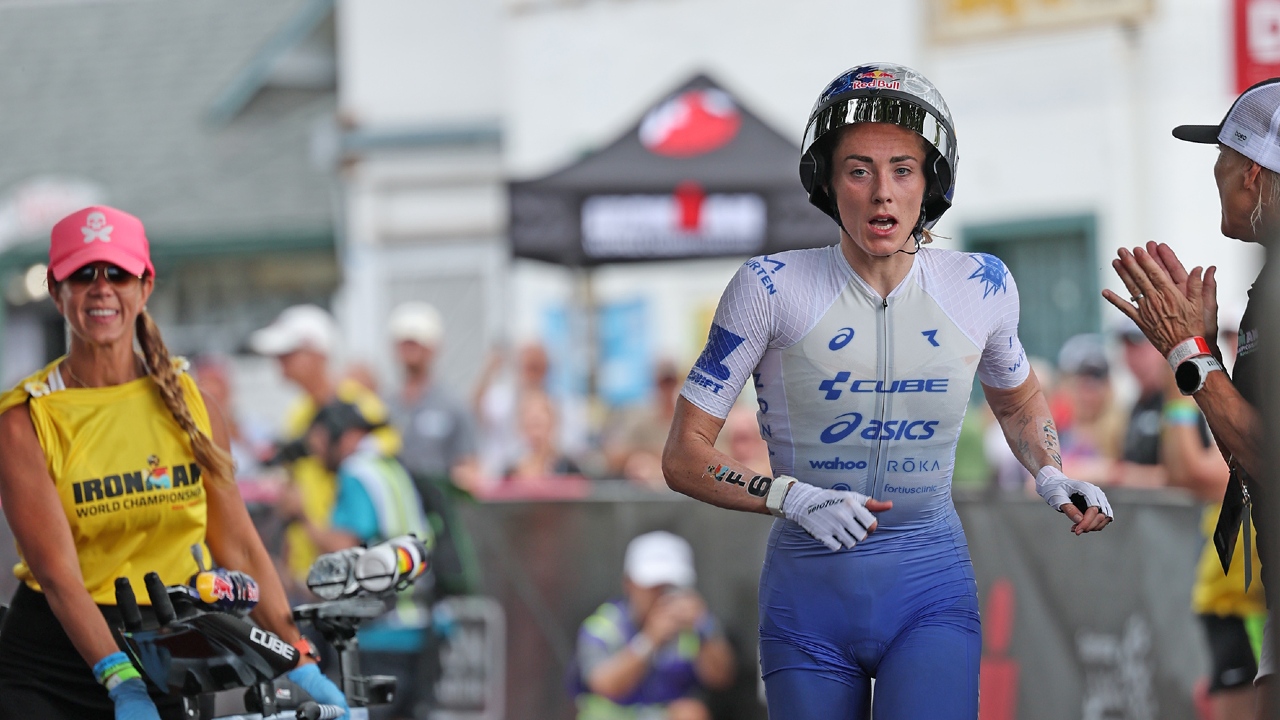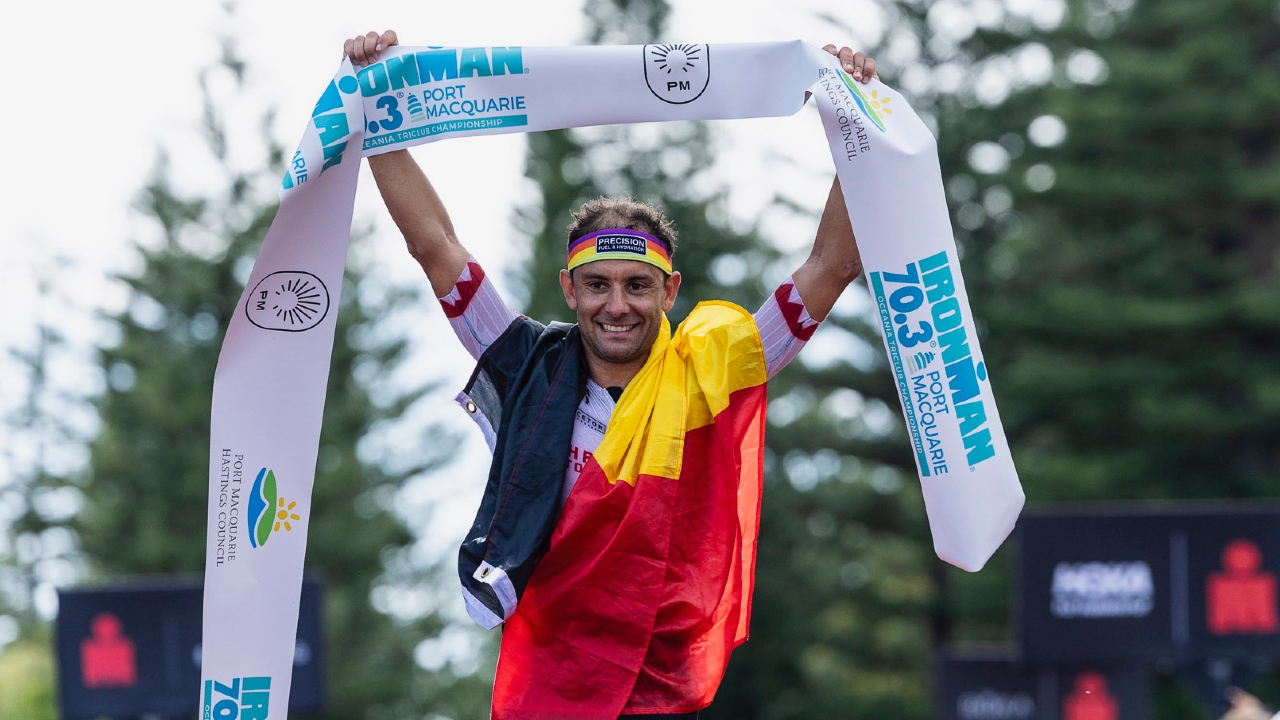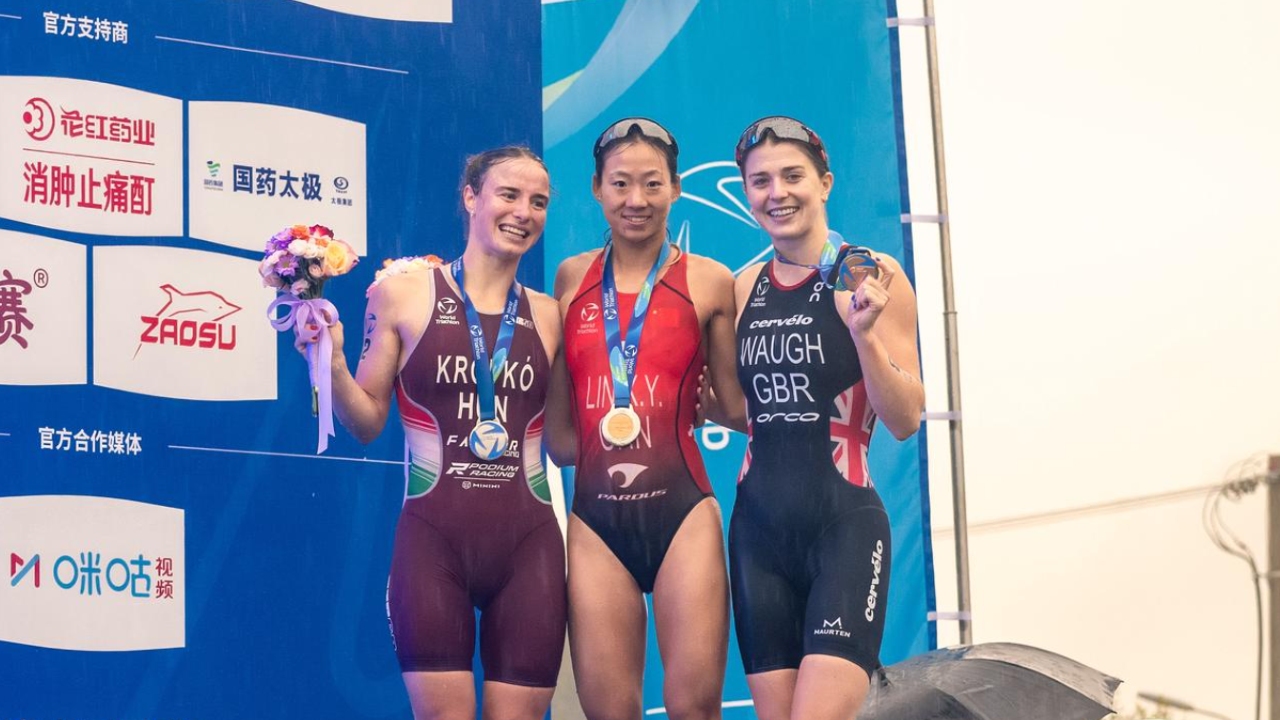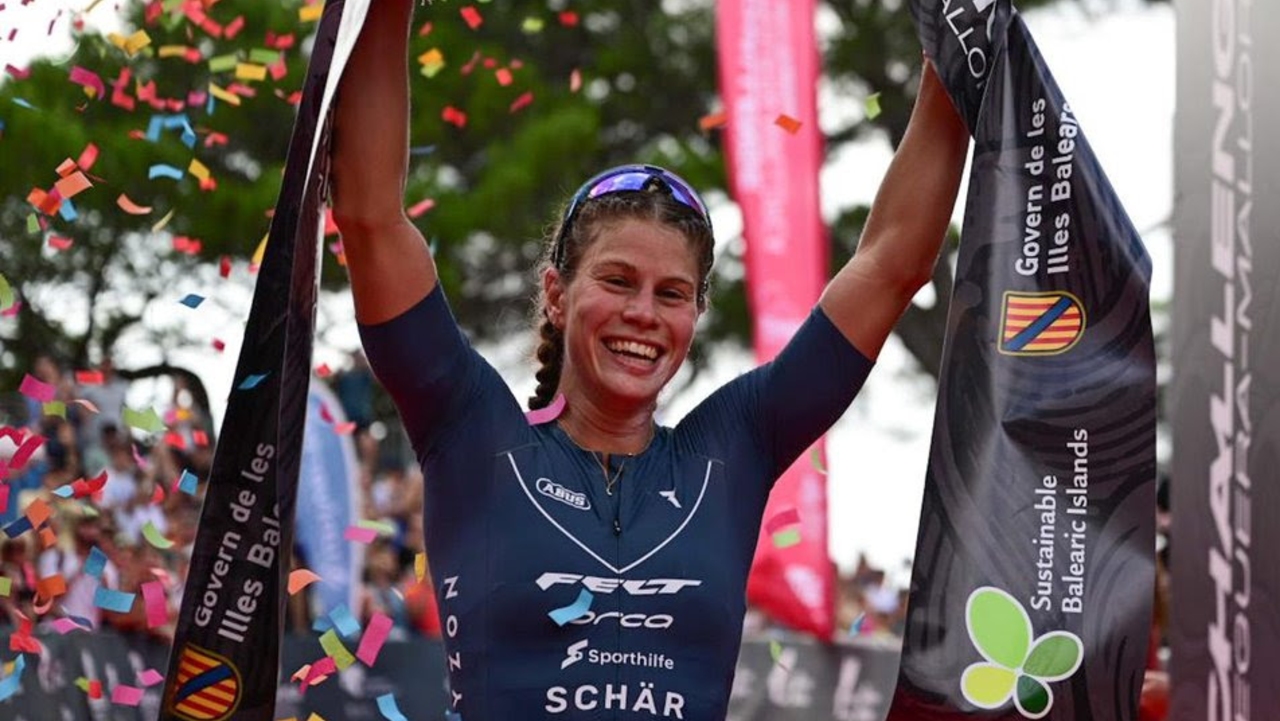


Off road triathlon follows the familiar swim, bike, and run format but moves much of the race away from paved roads. The swim is usually in open water, the bike leg typically uses mountain bike trails, and the run takes place on trails with changing terrain. For beginners, the biggest difference is that speed becomes less important than skill and control. Rocks, roots, mud, loose surfaces, steep climbs, and technical descents can make the bike and run legs much more demanding than their distance alone suggests. You do not need to be an expert mountain biker or trail runner before entering your first event. However, you should become comfortable with your equipment and develop enough off road experience that basic obstacles do not feel completely unfamiliar on race day.
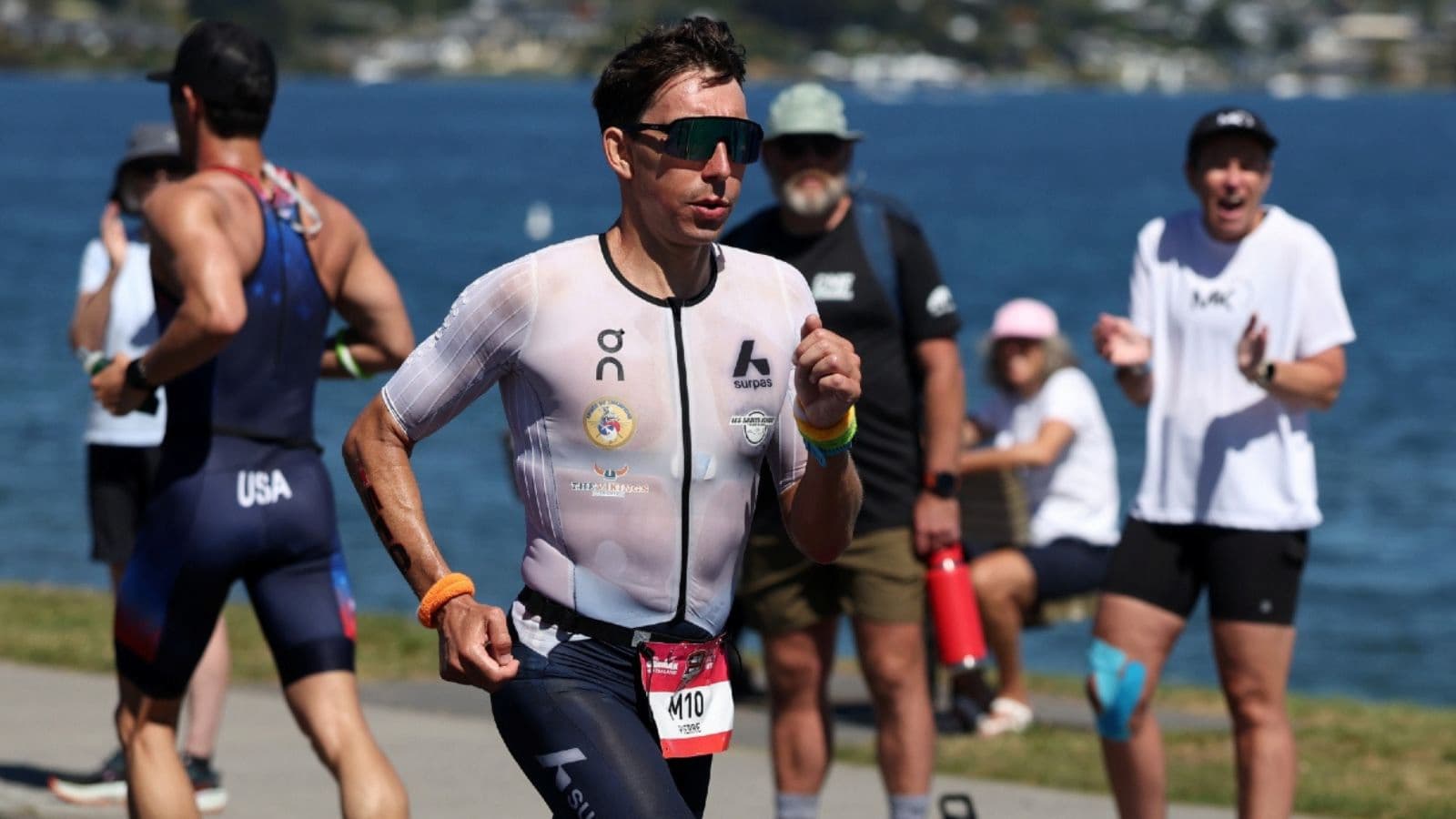
Start with manageable terrain and gradually increase the technical challenge. Consistent practice will usually build more useful confidence than immediately attempting difficult trails or copying experienced off road racers.
In Short
- Off road triathlon combines swimming, mountain biking, and trail running.
- Bike handling is especially important.
- Start on easy trails.
- Learn basic mountain bike skills.
- Practice running on uneven terrain.
- Train for hills.
- Expect slower speeds than road racing.
- Choose equipment suited to the course.
- Practice transitions before race day.
- Pick a beginner friendly first event.
Understand the Off Road Triathlon Format
Race distances and terrain vary considerably between events.
A typical race includes:
- Open water swimming.
- Mountain biking.
- Trail running.
- Two transitions.
The technical difficulty can matter as much as distance. A shorter race with steep, rocky trails may be more challenging than a longer event on smooth tracks. Read the course description before entering and look for information about:
- Elevation.
- Trail surfaces.
- Technical sections.
- Bike requirements.
- Cutoff times.
If triathlon itself is new to you, how do you know if you are ready for a triathlon can help you judge whether you have enough basic fitness and confidence to begin preparing.
Start With Basic Mountain Bike Skills
The bike leg is often the biggest adjustment for athletes coming from road triathlon. Practice fundamental skills before worrying about speed.
Focus on:
- Braking.
- Cornering.
- Gear selection.
- Body position.
- Climbing.
- Descending.
Start on wide, predictable trails before progressing to narrow or technical terrain. Learning how can you improve downhill cycling is particularly useful because descending off road requires controlled braking, good vision, and confidence rather than simply trying to ride faster.
Learn to Look Ahead
Where you look strongly influences where the bike travels. Avoid staring directly at every rock or root immediately in front of your wheel.
Instead:
- Look farther along the trail.
- Identify your intended line.
- Scan for obstacles.
- Keep your vision moving.
Looking ahead gives you more time to adjust speed and body position. As confidence improves, trail features begin to feel less sudden and your riding becomes smoother.
Practice Braking Before Technical Sections
Beginners often wait too long before slowing down.
Try to reduce speed before:
- Corners.
- Steep descents.
- Loose surfaces.
- Large obstacles.
- Difficult trail features.
Heavy braking in the middle of a technical section can reduce control. Smooth braking before the obstacle allows you to enter at a speed you can manage. Confidence develops gradually, and the principles in how to improve your confidence on technical bike courses can help you progress without taking unnecessary risks.
Get Comfortable With Climbing
Off road courses often include short, steep climbs where traction and gear selection become important.
Before the climb:
- Choose an appropriate gear.
- Maintain steady momentum.
- Keep pedaling smoothly.
- Adjust body position for traction.
You may need to remain seated on loose surfaces to keep weight over the rear wheel. Other climbs may require standing briefly. Understanding when should you climb seated vs standing on a bike can help you decide which approach suits the gradient, surface, and available traction.
Trail Running Requires Different Skills
Trail running is not simply road running on a softer surface.
Your stride constantly changes according to:
- Rocks.
- Roots.
- Mud.
- Gradient.
- Turns.
- Uneven ground.
Expect your pace to slow. Trying to hold your normal road pace can increase fatigue and reduce control. Off road running can also strengthen skills that transfer back to triathlon, which is why how can off-road running improve triathlon run performance is useful even beyond dedicated off road racing.
Run by Effort Rather Than Pace
Trail pace can vary dramatically within the same kilometer. A steep climb may be much slower than a smooth downhill section while requiring considerably more effort.
Use:
- Breathing.
- Perceived exertion.
- Heart rate when useful.
- Terrain.
Walking steep climbs can also be efficient.
The objective is to maintain sustainable forward progress rather than forcing a specific pace regardless of terrain.
Prepare for Hills
Off road triathlon often involves more climbing than a typical flat road event. Build hill fitness progressively.
Useful training can include:
- Easy hilly runs.
- Short hill repetitions.
- Longer steady climbs.
- Mountain bike climbing.
- Hiking steep gradients.
The adaptations described in how does hill running improve fitness strength and endurance can help prepare your legs for repeated elevation changes. Do not add large amounts of climbing suddenly if most of your normal training is flat.
Build Your Aerobic Fitness
Technical skills matter, but you still need endurance. Easy aerobic training should make up an important part of your preparation.
It helps you:
- Sustain longer sessions.
- Recover between harder workouts.
- Handle race duration.
- Maintain consistent training.
Building fitness through how to build an aerobic base for running a triathlon can provide the endurance foundation needed before adding more demanding hills and technical sessions.
Practice Open Water Swimming
Many off road triathlons still begin with an open water swim.
You should become comfortable with:
- Sighting.
- Swimming near others.
- Deep water.
- Buoy turns.
- Starting in a group.
Pool fitness alone does not completely prepare you for open water conditions. Learning how do you start an open water swim in a triathlon can help reduce anxiety and make the first minutes of your race more controlled.
Choose the Right Equipment
Check the race rules before buying or borrowing equipment.
Depending on the event, you may need:
- Mountain bike.
- Helmet.
- Suitable tires.
- Trail running shoes.
- Wetsuit when required or appropriate.
- Basic repair equipment.
You do not need the most expensive bike. For a beginner, reliable equipment and predictable handling are more valuable than small performance gains. Make sure your bike fits correctly and is mechanically sound before race day.
Learn Basic Trail Repairs
Mechanical problems are more likely when riding rough terrain.
Know how to handle common issues such as:
- Punctures.
- Dropped chains.
- Minor gear problems.
- Loose components.
Carry equipment appropriate for the course and race rules. Knowing how do i fix a puncture on a road bike provides useful basic puncture repair principles, although mountain bike and tubeless setups may require additional tools and techniques.
Practice Your Transitions
Off road racing still rewards organized transitions.
Practice:
- Removing your wetsuit.
- Putting on your helmet.
- Changing footwear if required.
- Handling muddy equipment.
- Finding your gear quickly.
You do not need professional level transition speed.
The first goal is to make your routine reliable so you are not making unnecessary decisions while tired.
Choose Your First Race Carefully
Your first event should challenge you without requiring skills you have never practiced.
Look for:
- Manageable distance.
- Moderate elevation.
- Beginner friendly trails.
- Clear course markings.
- Realistic cutoff times.
If possible, study course information and understand how technical the bike section is before registering.
A suitable first event gives you an opportunity to learn without turning every kilometer into a survival exercise.
Common Mistakes
- Choosing a highly technical first race.
- Training only on paved roads.
- Focusing on speed before bike handling.
- Looking directly at obstacles.
- Braking too late.
- Using road pace targets on trails.
- Ignoring hill training.
- Arriving without open water practice.
- Trying unfamiliar equipment on race day.
Practical Tips
- Begin on easy trails.
- Practice bike handling every week.
- Build technical difficulty gradually.
- Run by effort on uneven terrain.
- Walk steep sections when appropriate.
- Practice open water swimming.
- Learn basic bike repairs.
- Test race equipment beforehand.
- Practice simple transitions.
- Check the course before entering.
Actionable Takeaways
- Build control before chasing speed.
- Practice mountain biking and trail running regularly.
- Choose a first race that matches your current skills.
- Progress technical terrain gradually.
As your riding develops, what cycling drills help improve triathlon bike technique can help reinforce smoother handling and better control before you progress to more demanding trails.