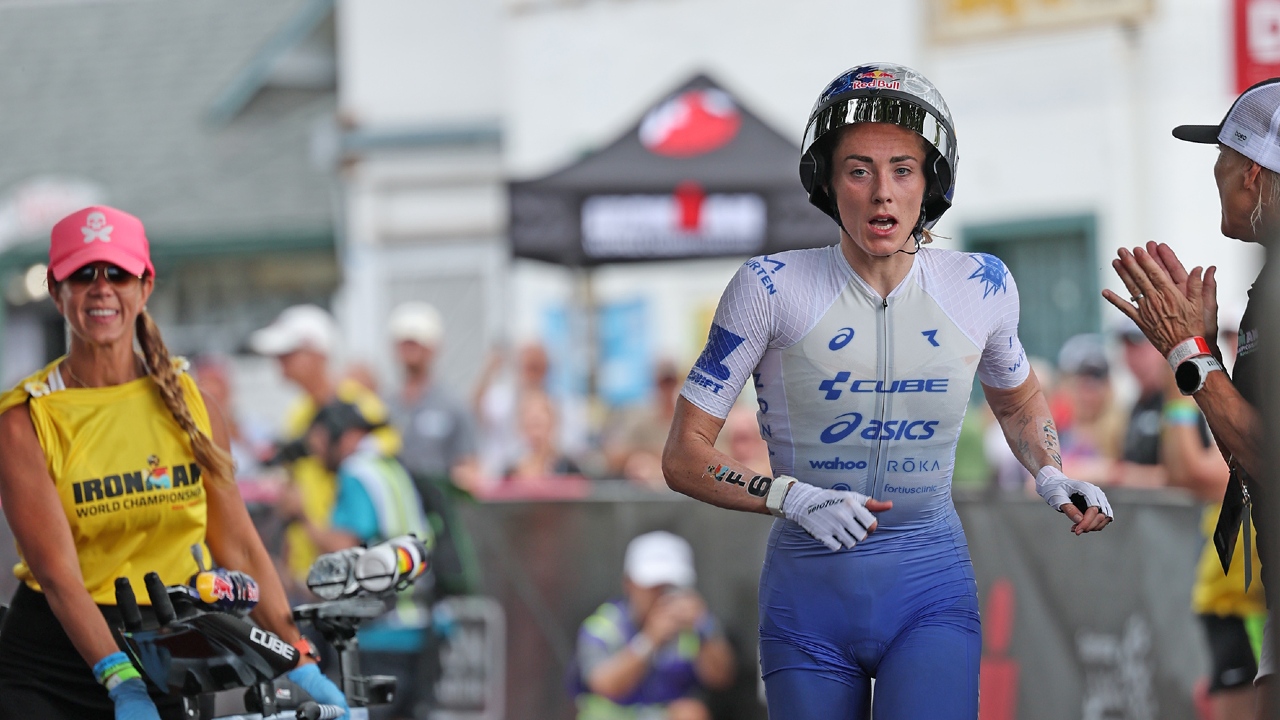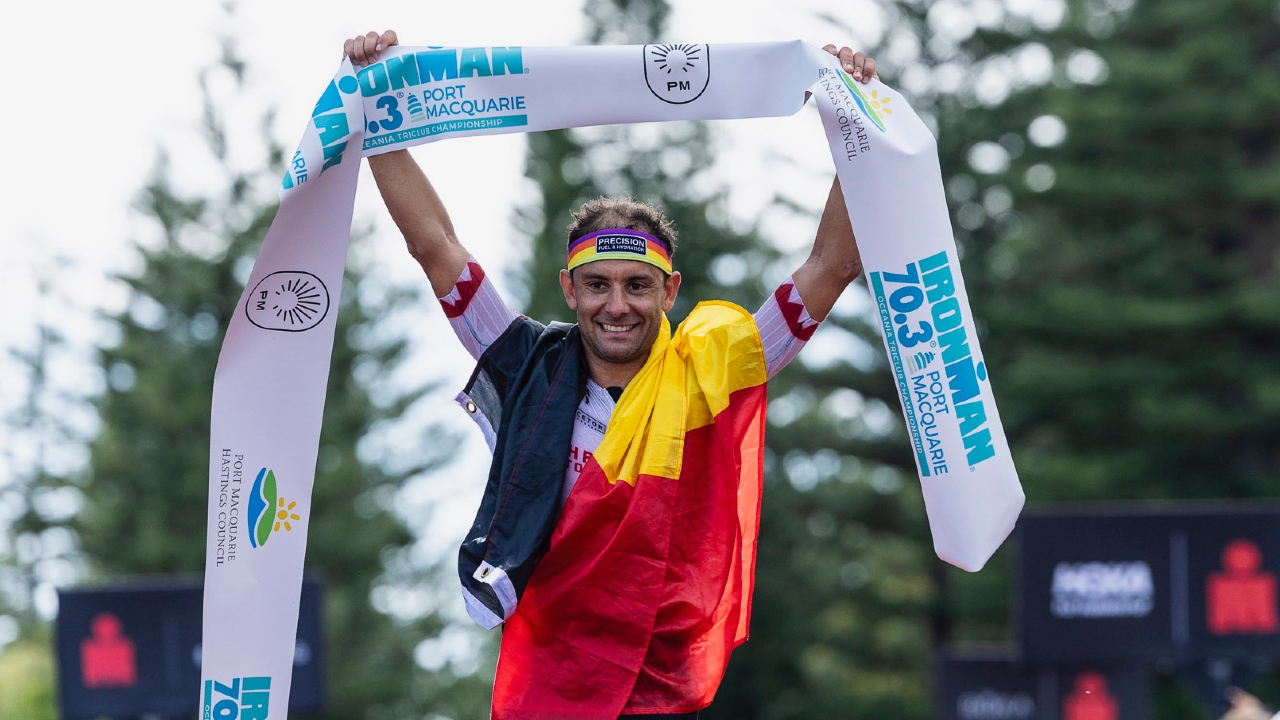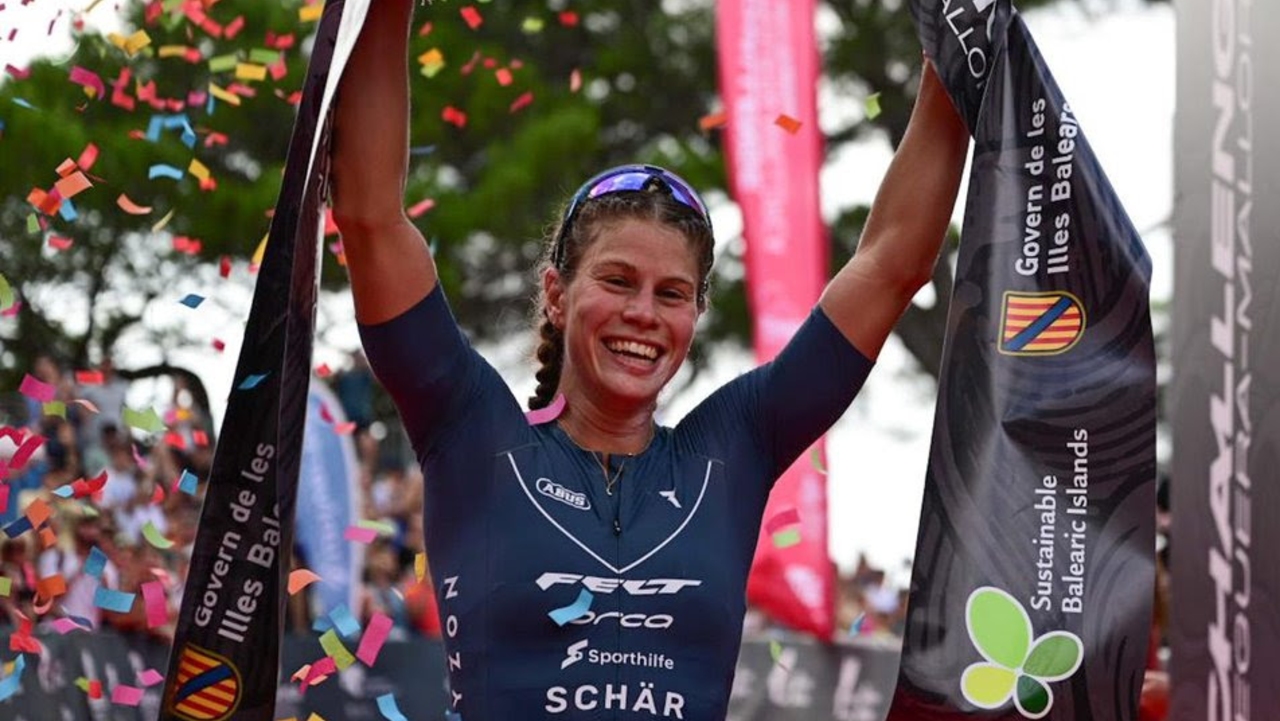

The most useful indoor trainer workouts for long course triathlon are steady endurance rides, tempo and race pace sessions, sweet spot intervals, controlled threshold work, and longer race specific sessions. Each workout develops a different part of the fitness required to ride efficiently before running. Indoor training is particularly useful because resistance, power, cadence, and duration can be controlled precisely. There are no traffic lights, descents, junctions, or long periods of coasting, so a relatively short indoor ride can still provide consistent training. Long course triathletes should not make every trainer session hard. Ironman and middle distance racing depend heavily on aerobic endurance, sustainable power, efficient fueling, and the ability to reach the run without excessive fatigue.

The right trainer workout therefore depends on what you are trying to improve. Use easy endurance sessions to build aerobic capacity, harder intervals to raise your cycling ceiling, and race specific workouts to practice holding sustainable power for long periods.
In Short
- Zone 2 rides build aerobic endurance.
- Tempo develops sustained moderate effort.
- Sweet spot provides a strong training stimulus.
- Threshold intervals can improve FTP.
- Low cadence work develops muscular endurance.
- Race pace sessions improve pacing control.
- Long trainer rides can build endurance.
- Brick sessions prepare you to run afterward.
- Practice race fueling indoors.
- Not every trainer session should be hard.
Zone 2 Endurance Rides
Zone 2 should form an important part of long course bike training. These rides are performed at a comfortable aerobic intensity that you can sustain without accumulating excessive fatigue.
They help develop:
- Aerobic endurance.
- Fatigue resistance.
- Efficient energy use.
- Training volume.
- Recovery between harder sessions.
Indoor endurance rides can range from relatively short weekday sessions to longer weekend workouts. The principles in how to build an aerobic base for triathlon cycling are especially important for long course athletes because sustainable aerobic fitness underpins almost every part of the bike leg.
Tempo Work for Sustained Effort
Tempo riding sits above easy endurance intensity but below threshold. It is useful because long course racing requires the ability to hold consistent pressure on the pedals for extended periods.
A simple workout might include:
- Easy warm up.
- 2 to 3 longer tempo blocks.
- Easy recovery between blocks.
- Easy cool down.
The goal is controlled sustained work.
Do not turn every tempo interval into a threshold effort simply because you feel strong early in the session.
Sweet Spot Intervals
Sweet spot training provides relatively high aerobic stress without requiring the same intensity as threshold work. A session might progress from shorter blocks toward longer continuous intervals as fitness improves.
For example:
- 10 to 15 minute warm up.
- 3 × 10 minutes at sweet spot.
- 5 minutes easy between intervals.
- Cool down.
More experienced athletes may gradually increase interval duration. Understanding how does sweet spot training improve cycling can help you use these sessions appropriately rather than treating sweet spot as the default intensity for every indoor ride.
Threshold Intervals to Improve FTP
Threshold workouts can help raise the amount of power you can sustain.
Typical sessions might use:
- 4 × 5 minutes.
- 3 × 8 minutes.
- 2 × 10 to 15 minutes.
Recovery should allow you to complete each interval with consistent quality. Long course racing itself is generally performed below threshold, but increasing your threshold can make a given race power represent a smaller percentage of your maximum sustainable output. This is why how to increase your cycling ftp can still matter to Ironman and middle distance athletes.
Low Cadence Muscular Endurance
Low cadence intervals can develop the ability to produce sustained force through the pedals. A session might involve several controlled blocks at moderate intensity using a lower cadence than your normal riding rhythm.
Focus on:
- Smooth pedaling.
- Stable upper body.
- Controlled effort.
- Appropriate resistance.
Do not use an excessively heavy gear that causes knee pain or destroys your technique. Your normal cadence remains individual, and what is cycling cadence in a triathlon can help you understand why there is no single ideal rpm for every athlete.
Race Pace Trainer Sessions
As your event approaches, some workouts should become increasingly race specific. A race pace session teaches you to hold your intended effort without repeatedly surging.
For example:
| Workout | Main Set | Primary Goal |
|---|---|---|
| Endurance | 60 to 180 min easy aerobic | Aerobic fitness |
| Tempo | 2 × 20 min controlled | Sustained effort |
| Sweet spot | 3 × 10 to 15 min | Strong aerobic load |
| Threshold | 3 × 8 min hard | Raise cycling ceiling |
| Race pace | 2 × 30 to 45 min | Pacing control |
| Brick ride | Race effort + short run | Bike to run practice |
Race pace should feel controlled enough that you could still run afterward. Following how should you pace the bike to run better in a triathlon is especially important because the fastest possible bike split does not necessarily produce the fastest overall race.
Long Indoor Endurance Rides
Long trainer rides can be useful when weather, daylight, traffic, or time makes outdoor riding difficult.
These sessions develop:
- Aerobic durability.
- Mental focus.
- Position tolerance.
- Fueling habits.
- Sustained pedaling.
Indoor riding can feel harder because there are fewer natural breaks. Build duration progressively rather than suddenly trying to reproduce your entire race duration indoors. Long outdoor rides still provide handling, wind, climbing, descending, and road skills that a trainer cannot reproduce.
Practice Your Aero Position
A long course triathlete should be able to maintain the intended race position comfortably. Use suitable trainer sessions to practice riding in your aero position.
Monitor:
- Neck comfort.
- Shoulder tension.
- Saddle comfort.
- Hip position.
- Ability to produce power.
Do not spend an entire winter riding upright and expect several hours in the aero position to feel natural on race day. If your position repeatedly becomes uncomfortable, how do you adjust your bike for a better fit can help identify setup changes worth addressing.
Practice Race Fueling Indoors
Long trainer rides provide an excellent opportunity to test your nutrition strategy.
Practice:
- Carbohydrate intake.
- Fluid intake.
- Electrolyte strategy where appropriate.
- Timing.
- Products you intend to race with.
Do not wait until race day to discover that your planned intake causes stomach problems. Using how to fuel for a 2 hour cycling ride in a triathlon can provide a starting point before nutrition is adapted for longer race specific sessions.
Use Brick Sessions Strategically
A brick combines cycling followed relatively quickly by running. You do not need a long run after every trainer ride. A short easy run can be enough to practice the transition from cycling to running.
Brick sessions help you understand:
- How your legs feel off the bike.
- Whether bike effort was sustainable.
- How quickly running rhythm returns.
- Whether your fueling worked.
The bike should not leave you so exhausted that the run becomes poor quality every time.
Include Shorter Intervals When Appropriate
Long course racing is predominantly about sustained endurance, but shorter intervals can still improve cycling fitness. These sessions can increase cardiovascular stress without requiring extremely long training duration.
They can be useful during periods when:
- Training time is limited.
- You want to develop higher intensity fitness.
- You are building general cycling capacity.
Using how can interval training improve triathlon cycling speed can help place harder work within a broader endurance plan.
Match Workouts to Race Distance
A middle distance athlete and an Ironman athlete do not need identical trainer sessions. Middle distance preparation may include somewhat more work at higher percentages of threshold.
Ironman preparation generally places greater emphasis on:
- Aerobic durability.
- Long sustained effort.
- Fueling.
- Position comfort.
- Conservative pacing.
Your trainer plan should therefore become more specific as race day approaches. The principles in how should cycling workouts change for different race distances can help you match intensity and duration to your event.
Do Not Make Every Indoor Ride Hard
Trainer platforms can make it tempting to chase numbers every session. That can quickly create unnecessary fatigue when combined with swimming and running. Easy rides have an important purpose.
They allow you to:
- Accumulate aerobic volume.
- Recover between demanding sessions.
- Maintain consistency.
- Limit unnecessary training stress.
Understanding why are slower training sessions important for triathlon cycling can help prevent indoor training from becoming a constant sequence of threshold and high intensity workouts.
Common Mistakes
- Making every trainer ride hard.
- Ignoring Zone 2 training.
- Testing FTP too frequently.
- Riding harder than planned during race pace sessions.
- Never practicing the aero position.
- Ignoring fueling during long rides.
- Adding too many intense sessions around hard runs.
- Using excessive resistance for low cadence work.
- Doing only indoor cycling before an outdoor race.
Practical Tips
- Give every trainer workout a purpose.
- Use power when available, but also monitor effort.
- Keep easy rides genuinely easy.
- Increase interval duration gradually.
- Practice your race position regularly.
- Use a fan during indoor sessions.
- Keep fluids accessible.
- Practice race nutrition on longer rides.
- Include outdoor handling practice when possible.
Actionable Takeaways
- Build the foundation with steady aerobic riding.
- Add tempo, sweet spot, and threshold work for specific adaptations.
- Practice race pace, aero position, and fueling before long course events.
- Protect your run training by controlling bike intensity.
For athletes preparing specifically for Ironman racing, which cycling workouts help you ride faster in an ironman can help refine the final progression toward race specific cycling fitness.