

Tapering is the reduction of training volume in the days or weeks leading into a triathlon while maintaining some intensity. The goal is to reduce fatigue without losing fitness. It matters because performance on race day depends more on freshness than fitness gains in the final phase. You don’t get fitter in the last 1 to 2 weeks, you get sharper.
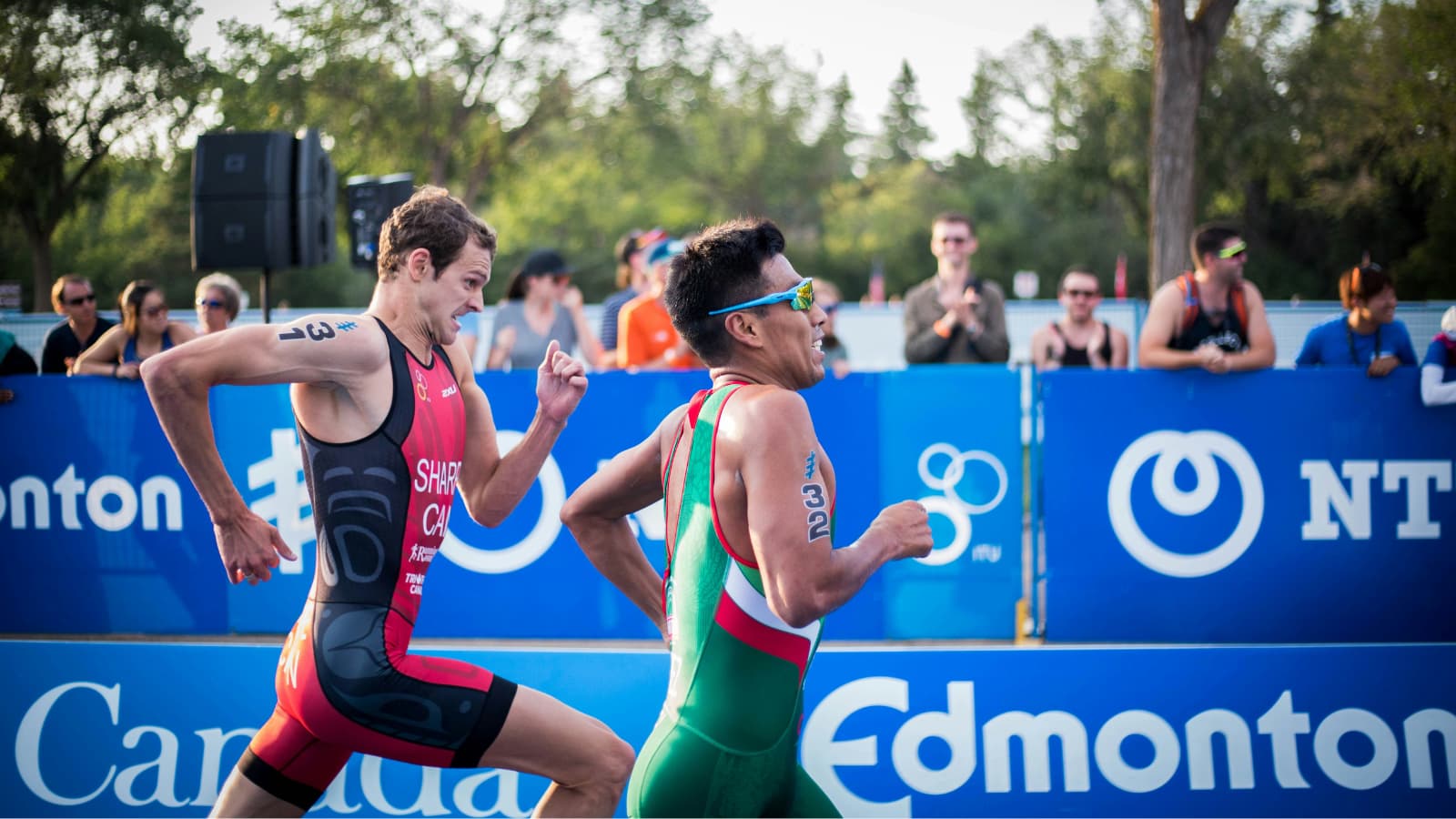
What tapering actually does?
Tapering allows your body to recover from accumulated training stress while preserving the adaptations you’ve built.
Key effects:
- Reduced muscle fatigue
- Restored glycogen stores
- Improved neuromuscular sharpness
- Better hormonal balance
How long should a triathlon taper be?
Taper length depends on race distance.
Sprint triathlon
- 5 to 7 days
- Short, minimal taper
Olympic distance
- 7 to 10 days
- Moderate reduction in volume
70.3 (half distance)
- 10 to 14 days
- Gradual taper with controlled intensity
IRONMAN
- 2 to 3 weeks
- Significant reduction in volume
Longer races require longer recovery from training fatigue.
What to reduce during a taper?
Volume (primary focus)
Training volume should drop by 30 to 60%, depending on your race distance and experience level. This means fewer total training hours, shorter long sessions, and an overall reduction in workload to allow fatigue to dissipate while maintaining fitness.
Frequency (slightly reduced)
You should still train regularly during a taper, but sessions become shorter and more controlled. The goal is to maintain your routine without accumulating fatigue, so avoid taking multiple complete rest days in a row.
Intensity (maintain selectively)
Intensity should not be removed entirely. Including short race pace efforts or brief high-intensity intervals helps keep the body sharp and responsive, without adding unnecessary fatigue leading into race day.
What not to change during a taper?
Keep your routine consistent
Avoid introducing:
- New workouts
- New equipment
- New nutrition strategies
- Consistency reduces risk and stress
Maintain movement
Complete rest can leave you feeling flat.
What to do:
- Light sessions
- Short swims, bikes, runs
- Activation work
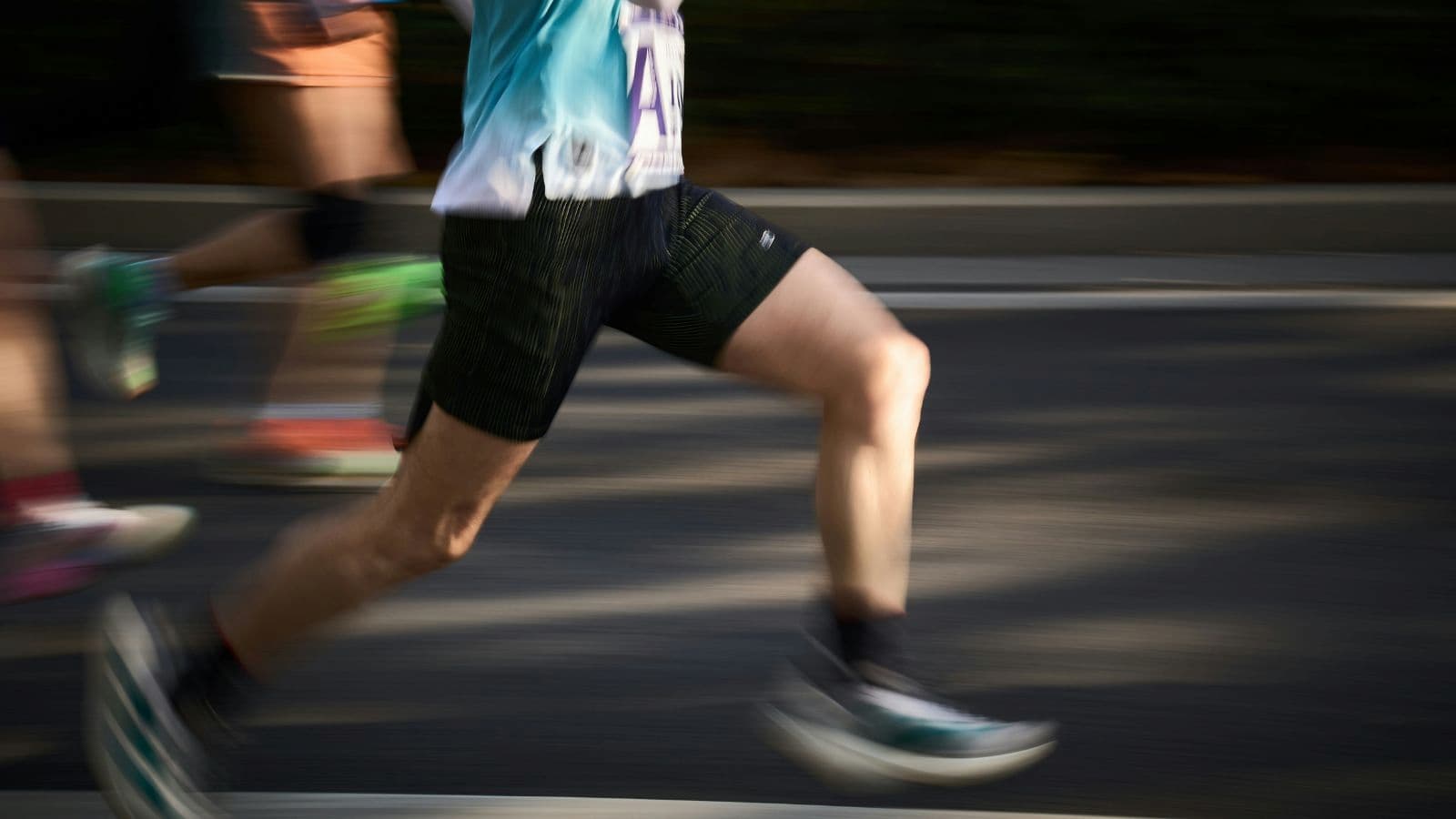
How tapering feels and why it’s confusing for the beginners?
Many athletes feel worse before they feel better during a taper. It’s common to experience heavy legs, restlessness, and even doubt about your fitness. This phase is normal, fatigue is leaving the body, but peak freshness hasn’t fully arrived yet. Stay consistent with your plan and avoid making last-minute changes. As race day approaches, your body will stabilize and start to feel sharper.
Common Taper Mistakes
Doing too much
Adding “just one more hard session” reduces the benefits of tapering.
Doing too little
Over-reducing training leads to:
- Loss of sharpness
- Feeling sluggish
Changing nutrition
Stick to what you’ve practiced. Race week is not the time to experiment.
Overthinking performance
Late stage anxiety often leads to poor decisions. Trust your training.
How tapering affects race performance?
A well-executed taper leads to:
- Improved power and pace
- Better energy levels
- Faster recovery between efforts
- Stronger overall race execution
This is where your training converts into performance.
Practical taper strategy
7 to 14 days out:
- Reduce volume gradually
- Maintain short intensity sessions
- Begin prioritizing recovery
3 to 5 days out:
- Short, sharp sessions only
- Focus on movement, not fatigue
- Prioritise sleep and nutrition
1 to 2 days out:
- Very light sessions or rest
- Stay loose and relaxed
- Prepare mentally and logistically
What to focus on during taper week
During taper week, focus on sleep quality, hydration, consistent nutrition, mental preparation, and finalizing race logistics. This is not a training phase, it’s a performance phase, where recovery and readiness take priority over fitness gains. Keep your routine simple and familiar to reduce stress. The goal is to arrive at the start line feeling fresh, prepared, and in control. Small details now have a bigger impact than hard training sessions.
Tapering and race expectations
Your taper directly affects race outcome.
If done correctly:
- You’ll feel controlled early
- You’ll maintain pace longer
- You’ll finish stronger
This is especially important when considering what is an average & good time for a triathlon, as your execution, not just fitness, determines your result. For context, see our guide on average and good triathlon times.
Can tapering prevent muscle spasm and soreness?
Tapering can significantly reduce the risk of muscle spasms and soreness, but it doesn’t eliminate them completely. By reducing training load, tapering allows muscle repair and recovery, restoration of electrolyte balance, and reduced neuromuscular fatigue. This lowers the likelihood of cramping and excessive soreness on race day. However, factors like hydration, pacing, and nutrition still play a major role, especially alongside proper recovery strategies to relieve sore muscles and recover faster after training and racing.
What actually determines taper success
Tapering is not just about training less, it’s about managing fatigue.
Success depends on:
- Consistency before taper
- Smart volume reduction
- Maintaining intensity
- Recovery habits
Quick checklist
Before race day, you should:
- Reduce training volume
- Maintain short intensity
- Keep routine consistent
- Prioritise recovery
- Avoid last-minute changes