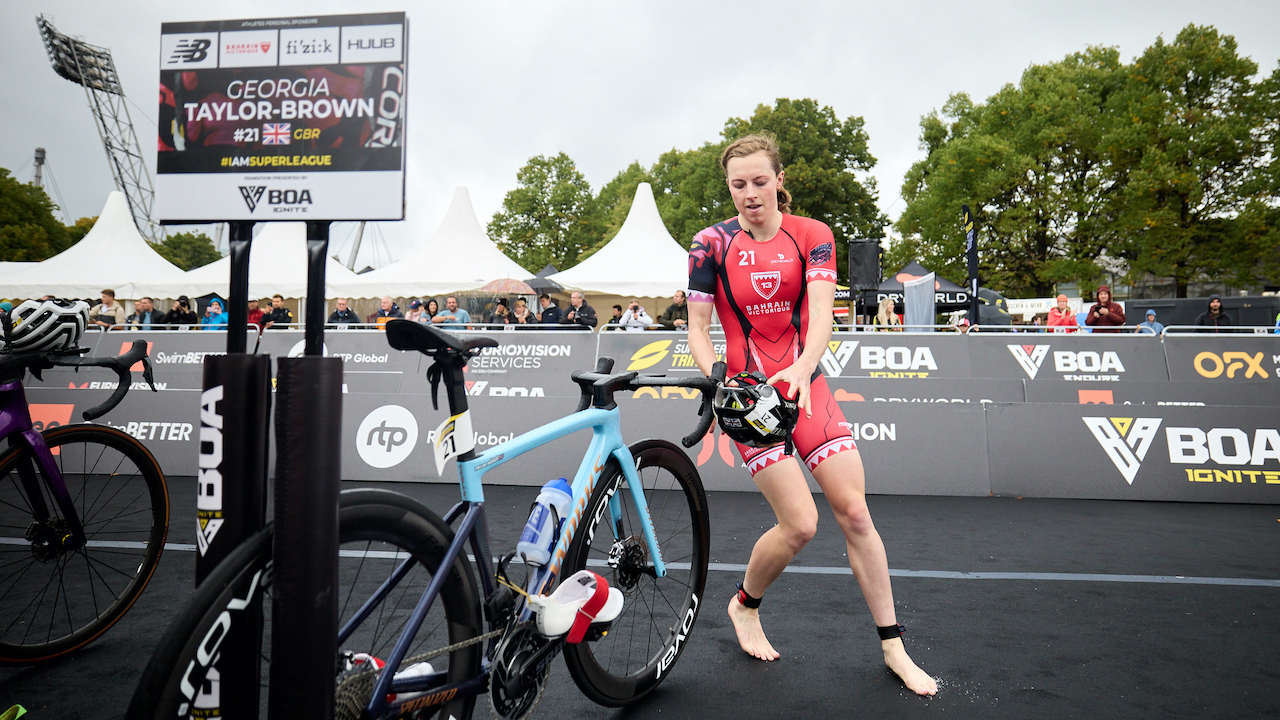


A triathlon transition area is a designated zone in a race where athletes change from one discipline to the next. It connects the swim, bike, and run sections and plays a crucial role in overall performance.
In a standard triathlon, there are two transitions. The first is from swimming to cycling, known as T1, and the second is from cycling to running, known as T2. These transitions are included in your total race time, making them an essential part of the competition.
Transition is often described as the fourth discipline of triathlon because even small mistakes or delays here can impact your overall result.
How Triathlon Transitions Work
Triathlon transitions are designed to keep the race flowing efficiently while ensuring safety and fairness for all athletes.
After completing the swim, athletes enter the transition area and locate their bike. This is T1. Here, they remove swim gear such as goggles and wetsuits, put on a helmet, and prepare to start cycling.
Once the cycling leg is complete, athletes return to the transition area for T2. This involves racking the bike, removing the helmet, and switching into running gear before heading out for the final stage.
The clock does not stop during transitions, so every second spent here counts toward your final time.
What You Will Find in a Transition Area
A transition area is carefully organised to accommodate all participants. Each athlete is assigned a specific spot, usually marked by a numbered rack position.
You will typically find:
- Bike racks for storing bicycles
- Clearly marked entry and exit lanes
- Directional flow for swim in, bike out, bike in, and run out
- Security control to restrict access to athletes only
Athletes lay out their gear next to their bike in a structured way so they can move quickly without confusion.
Why the Transition Area Matters
The transition area is often referred to as the fourth discipline of triathlon. While it does not involve swimming, cycling, or running directly, it has a direct impact on your final result.
Transitions may seem like a small part of race day, but they can be a game changer. Poor organisation or mistakes can lead to lost time or even penalties.
A smooth and efficient transition helps maintain momentum and keeps you competitive, especially in shorter races where seconds matter.
Tips for a Faster Transition
- Improving your transition time is one of the easiest ways to enhance your overall performance without additional physical training.
- Keep your setup simple and avoid unnecessary items
- Arrange your gear in the order you will use it
- Practise removing your wetsuit quickly
- Familiarise yourself with the transition layout before the race
- Stay calm and focused rather than rushing without a plan
For a complete breakdown of setup, rules, and time-saving strategies, read our guide on essential triathlon transition tips advice beginners. This covers everything from bike racking to small adjustments that can save valuable seconds on race day.
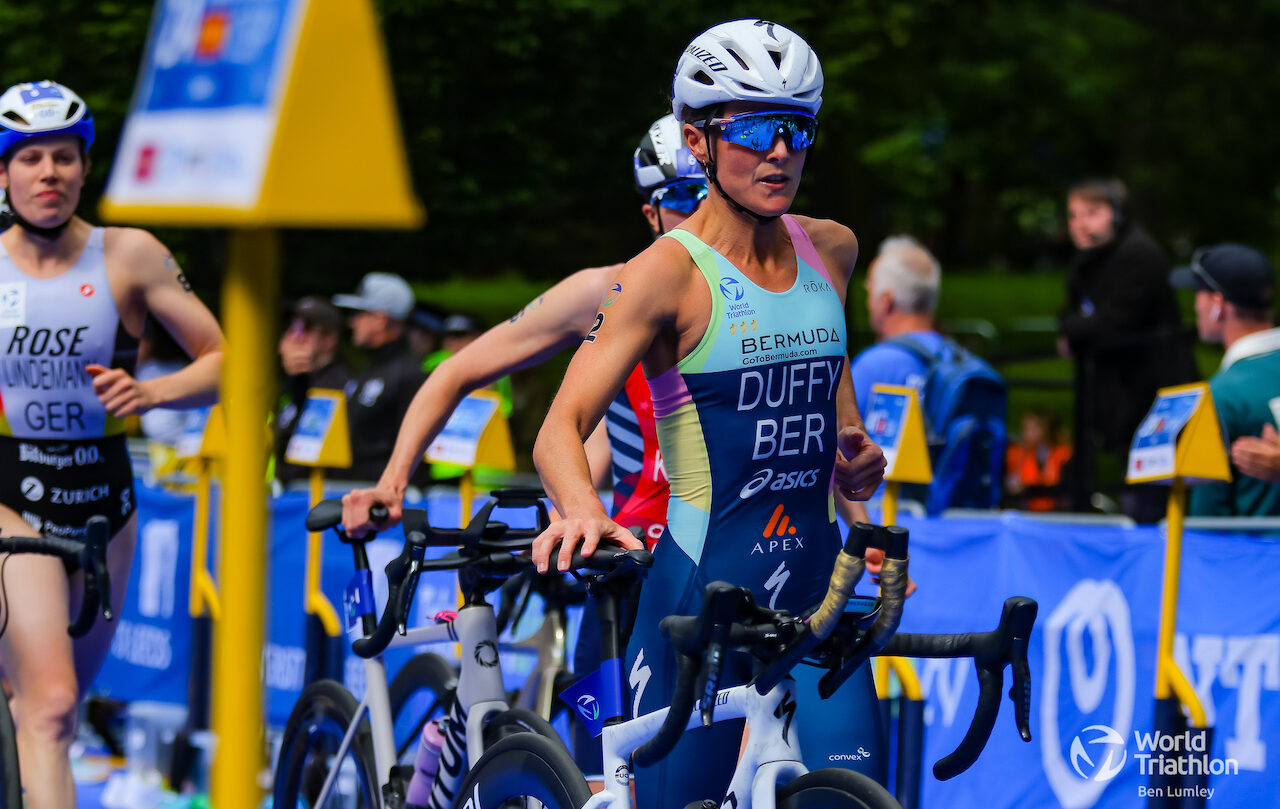
Common Mistakes in the Transition Area
Even experienced athletes can lose time due to simple mistakes in the transition area. One common issue is forgetting where the bike is racked, which leads to confusion and wasted time. Another mistake is bringing too much gear, creating unnecessary clutter. Athletes must also follow key rules, such as fastening their helmet before touching the bike. Failing to follow these rules can result in penalties or disqualification.
Transition Rules You Should Know
- Every triathlon has specific rules within the transition area to ensure safety and fairness.
- You must fasten your helmet before taking your bike off the rack.
- You must dismount your bike before entering the transition zone.
- You must follow the correct direction of movement inside transition.
- Taking time to understand these rules before race day helps avoid unnecessary penalties.
How to Prepare for Your First Transition
Preparation is key to a smooth and stress-free race experience. Before race day, practice your transitions at home or during training sessions. Set up a simple area and rehearse moving from swim to bike and bike to run. On race day, arrive early to set up your gear and walk through the transition layout. Knowing exactly where to go will help you stay calm and focused. With practice, transitions become second nature and much less intimidating.