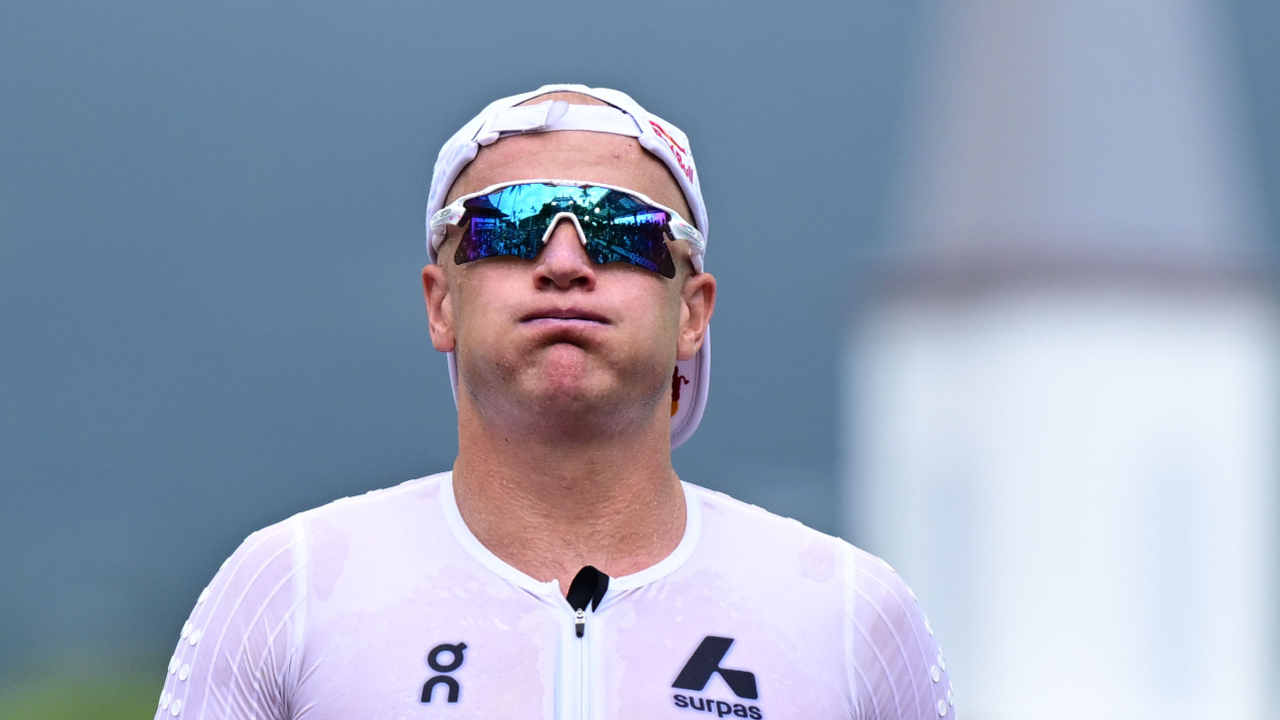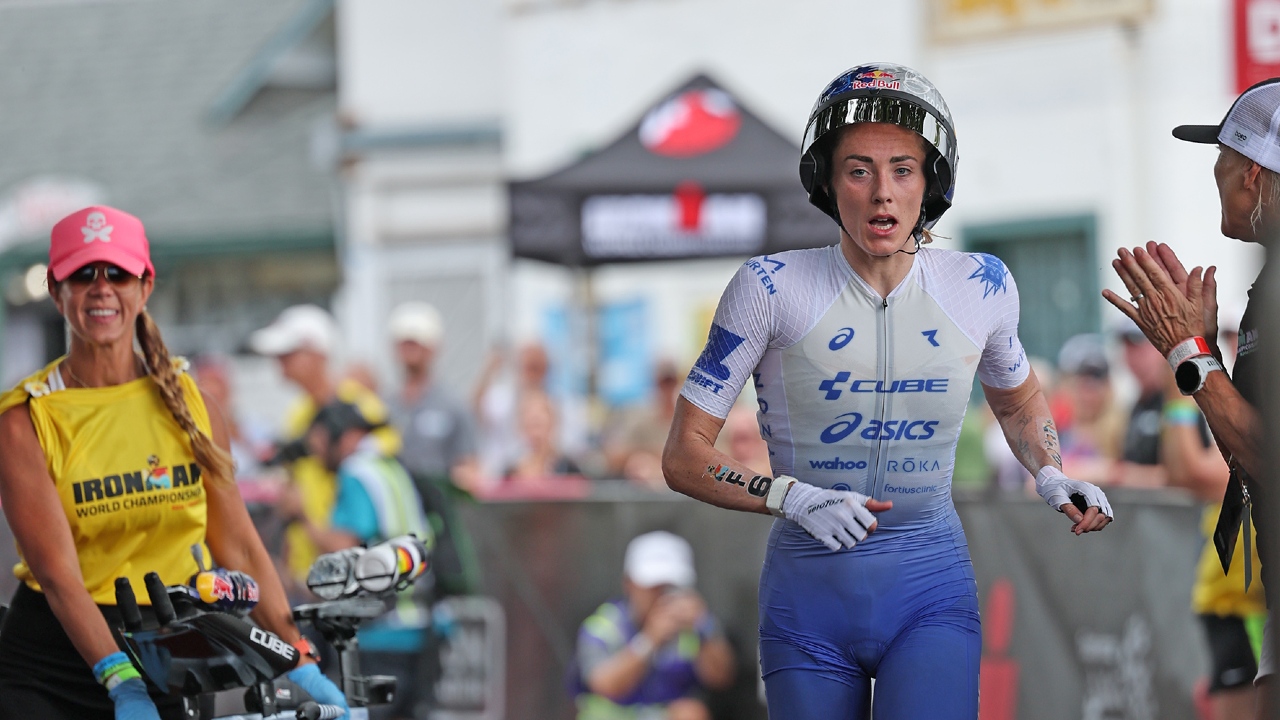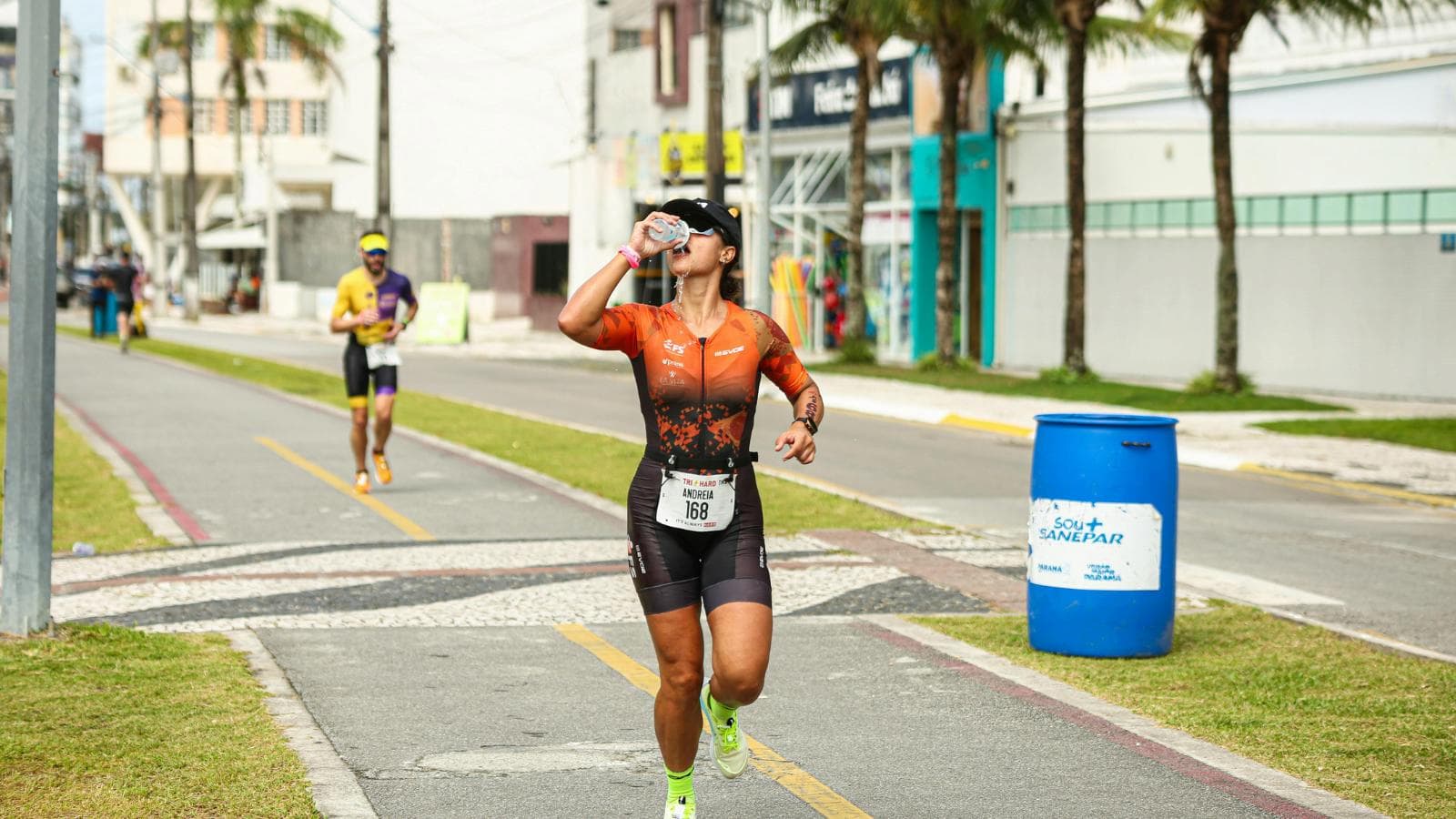


Triathletes should build their everyday diet around enough total energy, carbohydrate-rich foods, quality protein, healthy fats, fruits, vegetables, and adequate fluids. Nutrition should then be adjusted according to training demands. A long bike ride, hard brick session, recovery day, and short easy swim do not require exactly the same fueling strategy. Carbohydrate is particularly important for supporting moderate and high intensity endurance training, while protein supports muscle repair and adaptation. Dietary fat, vitamins, minerals, and hydration also contribute to health and performance. The biggest mistake is looking for one perfect food or diet. Better nutrition comes from consistently eating enough, timing food sensibly around demanding sessions, and practicing race fueling during training.
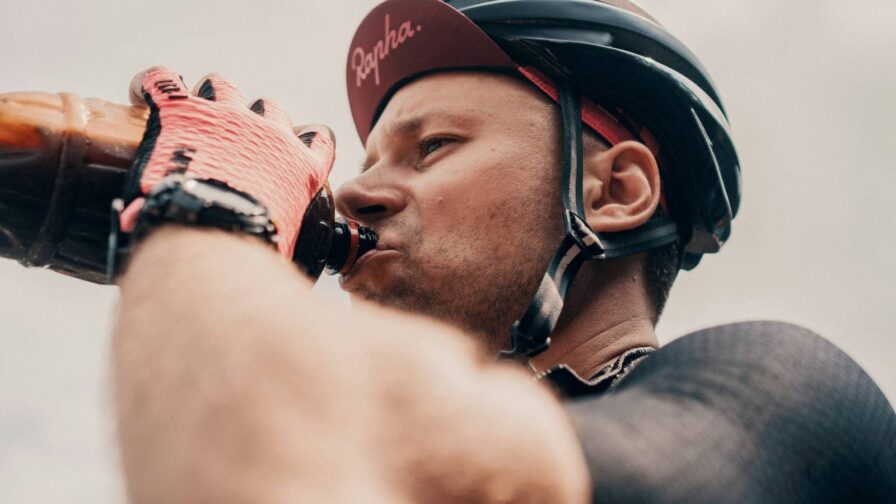
In Short
- Eat enough to support your overall training load.
- Include protein regularly throughout the day.
- Eat a varied diet containing fruits, vegetables, whole grains, and healthy fats.
- Fuel long sessions while training rather than waiting until afterward.
- Replace fluids and electrolytes according to conditions and individual sweat losses.
- Use recovery meals to provide carbohydrate, protein, and fluids.
- Avoid unnecessary food restriction during heavy training periods.
Match Food Intake to Training Demands
Triathlon training can vary considerably from one day to another. Your nutrition should reflect that. A recovery day may require less carbohydrate than a day containing a long ride or demanding brick workout.
Instead of eating exactly the same amount every day, consider:
- Session duration.
- Session intensity.
- Number of daily workouts.
- Recovery requirements.
- Training scheduled for the following day.
This approach is sometimes called periodizing nutrition. In practical terms, it means eating more fuel when training demands more fuel.
Make Carbohydrate a Major Training Fuel
Carbohydrates are stored primarily as glycogen in the muscles and liver and provide an important fuel source during endurance exercise, particularly as intensity rises.
Useful carbohydrate sources include:
- Rice.
- Potatoes.
- Pasta.
- Bread.
- Oats.
- Cereals.
- Fruit.
- Beans and legumes.
- Sports nutrition products when appropriate.
Triathletes do not need to maximize carbohydrate intake before every easy session. Intake should increase around longer and harder training when carbohydrate availability becomes more important. During demanding cycling sessions, what should cyclists eat for better training and recovery provides additional context for matching food intake to the workload rather than treating every ride the same.
Eat Before Important Training Sessions
A pre-training meal can provide energy and reduce the likelihood of starting an important workout under-fueled. For longer or harder sessions, a meal eaten a few hours beforehand can emphasize carbohydrate while containing moderate protein and foods you know are comfortable to digest.
Examples include:
- Oatmeal with fruit and yogurt.
- Toast with eggs and fruit.
- Rice with lean protein.
- A sandwich with fruit.
- Cereal with milk and banana.
Closer to training, smaller carbohydrate-rich snacks may be easier to tolerate. Avoid experimenting with unfamiliar foods immediately before an important session.
Fuel Longer Bike Sessions
The bike provides one of the best opportunities to practice race fueling because eating and drinking are generally easier than during running.
Long rides can be used to test:
- Sports drinks.
- Gels.
- Bars.
- Bananas.
- Sandwiches or other suitable foods.
- Different carbohydrate amounts.
- Fluid intake.
Start fueling before you become extremely hungry or depleted. The guidance in how to fuel for a 2 hour cycling ride in a triathlon can help you plan intake for longer sessions rather than relying entirely on breakfast or a post-ride meal. For longer races, the bike is also an important opportunity to take in energy before the run.
Do Not Neglect Fuel During Running
Long runs and demanding brick sessions can substantially reduce carbohydrate stores. Depending on duration and intensity, consuming carbohydrate during running can help maintain energy availability. Gels, sports drinks, chews, and other easily digested options are commonly used because carrying and chewing solid foods can be more difficult while running. Practice your strategy before racing. Do not assume a product that works well on the bike will automatically feel comfortable while running. Gastrointestinal tolerance can differ when impact and intensity increase.
Protein Supports Recovery and Adaptation
Protein provides amino acids needed for muscle repair, maintenance, and adaptation.
Options include:
- Eggs.
- Milk and yogurt.
- Fish.
- Poultry.
- Lean meat.
- Tofu and tempeh.
- Beans and lentils.
- Soy products.
- Suitable protein supplements when convenient.
Protein needs can be higher for athletes than for sedentary adults, but more is not endlessly better. Protein should be part of a balanced diet rather than replacing the carbohydrate needed to support endurance training.
Recovery Nutrition Does Not Need to Be Complicated
After demanding training, prioritize carbohydrate, protein, and fluids.
A recovery meal might be:
- Rice with chicken and vegetables.
- Pasta with protein and tomato sauce.
- Potatoes, fish, and vegetables.
- Yogurt, oats, fruit, and nuts.
- Eggs on toast with fruit.
A shake can be convenient when appetite is low or a proper meal is not immediately available, but special recovery products are not essential when normal food meets your needs. Recovery becomes especially important when another session follows soon. This supports the broader training principles in how can you maintain fitness while tapering for an ironman, where adequate nutrition remains important even when overall training volume decreases.
Include Dietary Fat
Endurance athletes still need dietary fat. Fat supports normal physiological functions and provides energy, particularly across everyday life and lower intensity activity.
Useful sources include:
- Nuts.
- Seeds.
- Avocado.
- Olive oil.
- Oily fish.
- Nut butters.
- Dairy products where appropriate.
Avoid making your diet unnecessarily low in fat simply because carbohydrate and protein receive more attention in endurance nutrition.
Before intense training or racing, however, very large high-fat meals may digest slowly for some athletes. Timing and individual tolerance matter.
Eat Enough Overall
A technically well-designed diet can still be inadequate if it does not provide enough total energy. Triathletes may unintentionally underfuel when training volume increases but food intake does not. Others deliberately restrict food while trying to become lighter. Persistent low energy availability can negatively affect health, recovery, training adaptation, and performance. Warning signs can include persistent fatigue, declining performance, recurrent injuries or illness, disrupted menstrual function, changes in mood, and difficulty recovering.
Athletes with concerns about inadequate energy intake should seek qualified sports nutrition or medical guidance rather than simply adding supplements.
Hydration Should Match Individual Needs
Fluid requirements vary significantly.
Sweat rate is influenced by:
- Temperature.
- Humidity.
- Exercise intensity.
- Body size.
- Clothing.
- Acclimatization.
- Individual physiology.
For longer sessions, estimate your own needs through training experience and, when useful, changes in body mass before and after exercise. The advice in how much should you drink per hour when cycling in hot weather is especially relevant when long bike sessions are performed in conditions that substantially increase sweat loss.
Avoid both significant dehydration and unnecessarily excessive fluid consumption.
Electrolytes Have a Role During Longer Training
Sweat contains electrolytes, particularly sodium. During longer or hotter sessions, replacing some sodium may be useful alongside fluid intake. Sports drinks, electrolyte products, and appropriate foods can provide it. The amount required varies substantially between athletes. Do not assume that visible salt marks on clothing automatically mean you need extremely large electrolyte doses. Your strategy should consider sweat losses, duration, conditions, and previous experience.
For short sessions in normal conditions, ordinary meals and fluids may often be sufficient.
Micronutrients Still Matter
A varied diet helps provide iron, calcium, vitamin D, and other nutrients needed for health and performance.
Include a range of:
- Fruits.
- Vegetables.
- Whole grains.
- Dairy or suitable alternatives.
- Protein foods.
- Nuts and seeds.
Athletes who exclude major food groups, follow restrictive diets, or experience persistent fatigue may have a greater reason to review nutrient intake with a qualified professional. Supplements should not automatically replace food. Use them when there is an identified need or appropriate professional recommendation.
Practice Your Race Nutrition in Training
Race nutrition should not begin on race morning. Long rides, bricks, and race-specific sessions allow you to practice how much carbohydrate and fluid you can comfortably consume while exercising.
This can help you determine:
- Which products work.
- How often to eat.
- How much fluid feels appropriate.
- Whether caffeine suits you.
- What causes stomach discomfort.
- How fueling affects the run after cycling.
A good race plan is one you have already tested. How to beat dehydration during an ironman triathlon is particularly relevant when preparing for long events where fluid strategy must work alongside fueling for many hours.
Train Your Gut Gradually
Athletes can sometimes improve their tolerance for taking in carbohydrate and fluid during exercise through repeated practice. Do not suddenly attempt a very high intake during your longest session.
This is particularly important for athletes who experience:
- Bloating.
- Nausea.
- Stomach cramps.
- Difficulty swallowing food.
- Loss of appetite during long sessions.
Your gut is part of race preparation.
Nutrition Should Support the Run After the Bike
Triathletes need to think beyond individual disciplines. A cycling fueling strategy that gets you through the bike but leaves you severely depleted is unlikely to produce a strong run. Use longer bricks to test whether your bike nutrition leaves you comfortable and adequately fueled when you start running. This complements how can you bike smarter to improve your triathlon run, because bike pacing and nutrition both influence how much energy remains for the final discipline.
The goal is not simply to finish the bike feeling strong. It is to support the entire race.
Adjust Nutrition When Training Volume Changes
Food intake should change when training changes. During high-volume periods, you may need larger meals, more snacks, and greater carbohydrate intake around sessions. During lighter periods, energy needs may decrease, but recovery nutrition should not disappear. This becomes important when recovering faster after a race affects the duration and intensity of your bike training. Nutrition for sprint triathlon preparation will not always look identical to nutrition during Ironman training.
Match intake to actual training rather than copying a fixed professional athlete meal plan.
Do Not Depend on Supplements
Sports foods can be useful because they are convenient and designed for exercise. They are not a substitute for a balanced everyday diet. Gels, powders, bars, protein shakes, and electrolyte products are tools. Use them when they make fueling easier, particularly during or around training. Your normal diet should still provide most of the foods needed to support health and recovery.
Be particularly cautious with supplements making dramatic claims about fat loss, recovery, endurance, or performance.
Common Mistakes
- Underfueling heavy training.
- Avoiding carbohydrate unnecessarily.
- Waiting until depleted before eating on long rides.
- Copying another athlete’s fueling numbers.
- Testing new nutrition on race day.
- Using supplements instead of improving everyday meals.
- Trying to lose weight aggressively during demanding training.
Practical Tips
- Match carbohydrate intake to training demands.
- Include protein across the day.
- Eat before important sessions.
- Fuel longer workouts while exercising.
- Practice race nutrition during training.
- Use familiar foods before races.
- Monitor hydration in different conditions.
- Eat a varied diet.
Actionable Takeaways
Triathletes should eat enough overall and build their diet around carbohydrate-rich foods, quality protein, healthy fats, fruits, vegetables, and appropriate fluids. Food intake should increase or decrease according to training demands rather than remaining rigid every day. Carbohydrate supports demanding endurance work, while protein helps recovery and adaptation. Longer sessions also provide an opportunity to practice the food and fluids you expect to use during racing.
Good triathlon nutrition does not require a complicated collection of supplements. Consistent everyday eating, appropriate workout fueling, adequate hydration, and a practiced race strategy provide the foundation for better training and recovery.