

Every triathlete wants to become a stronger cyclist, but many believe the fastest route to improvement is completing harder and harder rides. While high-intensity training certainly has its place, it isn’t what drives the biggest long-term gains. The cyclists who improve most consistently are usually those who train regularly rather than those who occasionally complete extremely demanding sessions. Frequent, manageable rides allow your body to adapt steadily, reduce injury risk and build the endurance needed for successful triathlon racing. Whether you’re preparing for a sprint triathlon or an Iron-distance event, consistent training creates a stronger foundation than sporadic bursts of maximum effort.
Consistency Builds Aerobic Fitness
Aerobic fitness is the foundation of triathlon cycling. Every steady ride strengthens your cardiovascular system, improves oxygen delivery and increases your body’s ability to sustain effort over long distances. These adaptations develop gradually and depend on repeated training rather than isolated hard efforts. Building this aerobic base engine is the key to riding faster while using less energy.
Your Body Adapts Through Repetition
Fitness develops because your body repeatedly responds to training stress.
Each ride encourages adaptations such as:
- Increased mitochondrial density.
- Improved capillary development.
- Better fat utilisation.
- Enhanced muscular endurance.
- Greater cardiovascular efficiency.
Missing large portions of training interrupts this process, while regular riding allows improvements to accumulate naturally.
Hard Sessions Need Easy Sessions
High-intensity rides stimulate important adaptations, but only when balanced with recovery.
Without adequate recovery:
- Fatigue accumulates.
- Performance declines.
- Injury risk increases.
- Motivation falls.
- Training quality suffers.
Successful triathletes understand that easy rides are just as valuable as interval sessions. Using tips that can help indoor cycling motivation to ensure every ride matches its intended purpose instead of becoming unintentionally too hard.
More Rides Beat One Epic Ride
Completing four moderate rides each week generally produces greater fitness than one extremely difficult weekend ride followed by several inactive days.
Frequent riding provides:
- More training volume.
- Better skill development.
- Improved recovery.
- Consistent aerobic stimulus.
- Stronger habits.
Your body responds better to regular exposure than occasional overload.
Technique Improves with Practice
Cycling efficiency develops through repetition.
The more frequently you ride, the more naturally you learn to:
- Pedal smoothly.
- Maintain steady cadence.
- Corner confidently.
- Shift efficiently.
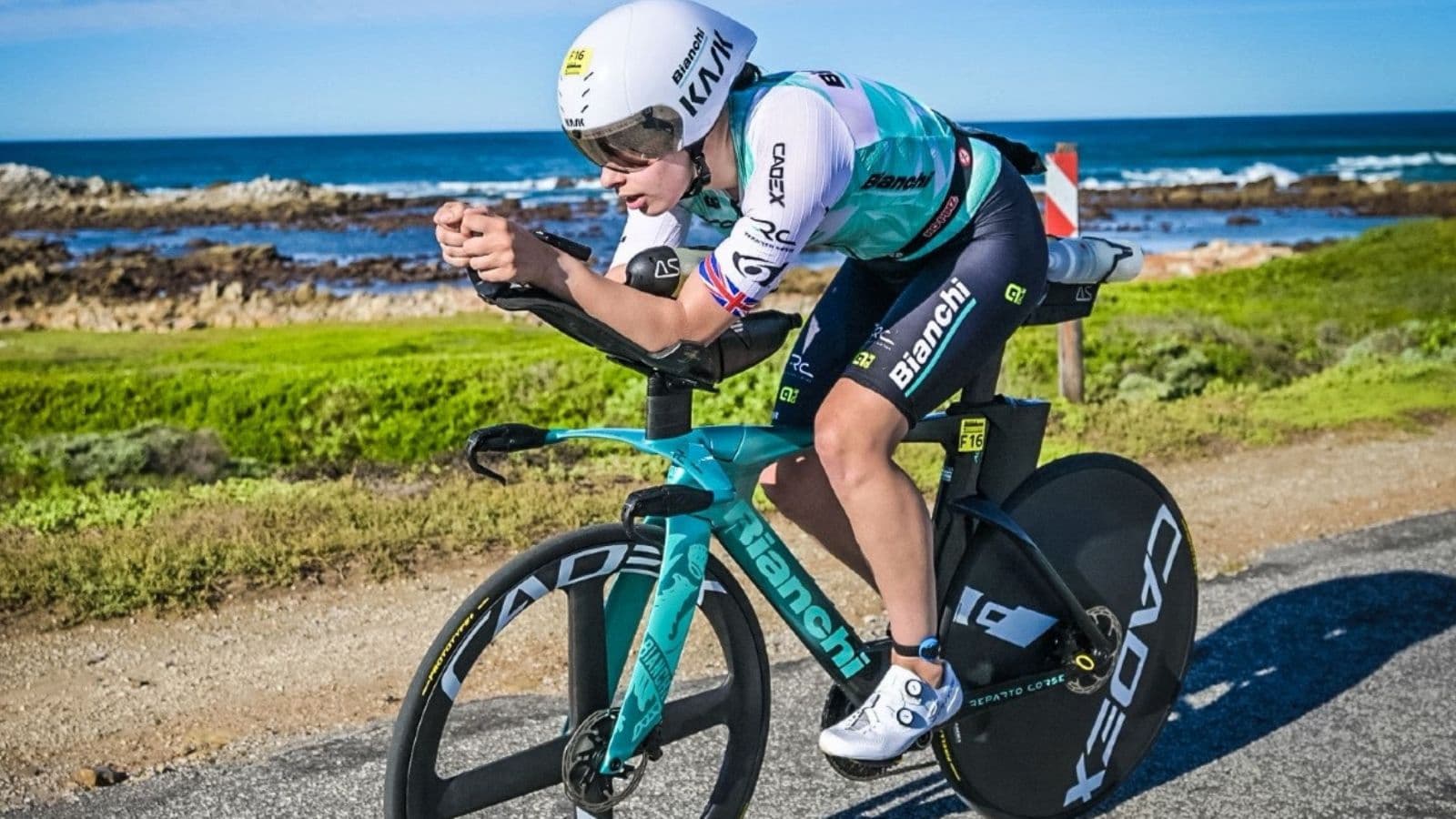
- Hold an aerodynamic position.
Developing group riding techniques alongside regular riding accelerates these technical improvements.
Consistency Reduces Injury Risk
Large increases in training intensity often overload muscles, tendons and joints. Gradual progression allows your body to adapt safely. Consistent training reduces the likelihood of overuse problems because workloads increase predictably rather than dramatically. Small weekly improvements are almost always safer than sudden spikes in training.
Endurance Takes Time
Long-distance cycling fitness cannot be rushed. Preparing for Olympic-distance, half-Iron or full-Iron races requires months of steady training.
Each endurance ride contributes to:
- Improved aerobic capacity.
- Better pacing.
- Increased muscular endurance.
- Enhanced fuel efficiency.
- Greater confidence.
Following how to get faster at cycling in a triathlon provides a structured approach to increasing your long-ride capacity safely.
Intensity Still Has a Place
Consistency does not mean avoiding hard work. Instead, it means performing high-intensity sessions at the right time and in the right amount.
Interval sessions improve:
- Lactate threshold.
- VO₂ max.
- Climbing strength.
- Race pace.
However, these workouts are most effective when built upon a consistent base of regular cycling rather than replacing it.
Recovery Makes You Stronger
Fitness doesn’t improve during the workout, it improves afterwards as your body repairs and adapts. Without sufficient recovery, even the best training plan becomes less effective.
Prioritise:
- Quality sleep.
- Good nutrition.
- Hydration.
- Easy recovery rides.
- Planned rest days.
Learning how to recover faster after a triathlon can help you recover more efficiently and maintain consistent cycling throughout your training program.
Small Improvements Add Up
Cycling success rarely comes from one breakthrough session. Instead, improvements are built through hundreds of productive rides over months and years. Even a small improvement each week can produce significant gains over an entire season.
Regular training also helps you:
- Build confidence.
- Improve pacing.
- Refine technique.
- Increase endurance.
- Develop mental resilience.
Avoid Training Too Hard Too Often
Many triathletes fall into the habit of riding every session at a moderate-to-hard intensity. This creates excessive fatigue without maximizing either endurance or speed. Instead, vary your training intensity throughout the week.
A balanced programme typically includes:
- Easy endurance rides.
- Tempo sessions.
- Interval training.
- Recovery rides.
- Long rides.
Following structured intensity rather than constant hard effort allows greater consistency over time.
Build Sustainable Habits
Consistency depends on creating routines you can maintain.
Simple habits include:
- Scheduling rides in advance.
- Preparing equipment the night before.
- Setting realistic weekly goals.
- Tracking completed sessions.
- Prioritising training over perfection.
Missing one ride isn’t a problem. Missing several weeks because your plan wasn’t sustainable is.
Measure Long-Term Progress
Daily performance naturally varies. Weather, sleep, work stress and nutrition can all influence how you feel on the bike. Instead of judging progress from a single session, monitor trends over several weeks along with the addition of aerobic endurance workouts that every triathlete should know.
Useful indicators include:
- Weekly riding frequency.
- Total training time.
- Average heart rate at a given pace.
- Endurance improvements.
- Recovery between rides.
Tracking progress consistently helps maintain motivation and highlights gradual improvements.
Stay Patient
One of the greatest advantages of consistent training is that it removes the pressure to improve immediately. Trusting the process allows fitness to develop naturally. Cyclists who remain patient often outperform those who repeatedly chase short-term gains through excessive intensity. Consistency may not feel dramatic from one week to the next, but over months it produces remarkable improvements.
Common Mistakes
- Riding every session too hard.
- Skipping easy recovery rides.
- Expecting rapid improvements.
- Increasing training volume too quickly.
- Missing several training days after one difficult ride.
- Ignoring fatigue.
- Neglecting bike handling and technique.
- Comparing your progress with others.
Practical Tips
- Schedule regular cycling sessions throughout the week.
- Keep most rides at an easy aerobic intensity.
- Plan one or two quality interval sessions weekly.
- Track your training rather than individual performances.
- Prioritise sleep and recovery.
- Increase training volume gradually.
- Focus on completing sessions rather than chasing personal bests.
- Stay consistent during the off-season as well as race preparation.
Actionable Takeaways
Consistency is the single biggest driver of long-term cycling improvement. While interval training and hard efforts are valuable, they only produce lasting results when supported by regular riding, effective recovery and gradual progression.
Rather than aiming to complete the hardest workout possible, focus on building sustainable habits that allow you to train week after week. Over time, consistent cycling improves endurance, efficiency, confidence and overall race performance far more effectively than occasional bursts of maximum intensity.